
Executive Overview
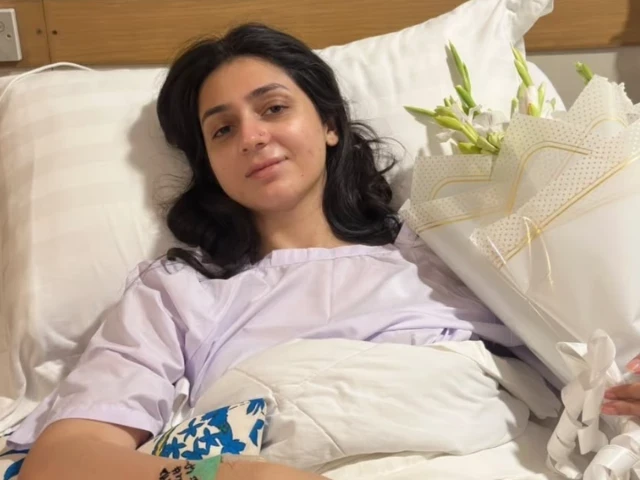
In an era where the hyper-curated digital footprints of public figures often project an illusion of perpetual perfection, real-world vulnerability remains a powerful catalyst for human connection. Pakistani television actor Hina Chaudhary recently shattered the pristine facade of celebrity culture by offering her substantial follower base an unvarnished, intimate glimpse into a profound medical and personal crisis. Sharing a series of poignant photographs and video logs from a hospital setting, Chaudhary revealed that she recently underwent a rigorous and undisclosed surgical procedure.
Rather than adopting the traditional public relations strategy of total privacy, the actor used her platform to spotlight the fragility of the human body, the vital importance of psychological and physical pacing, and the irreplaceable value of a supportive social safety net. Her post, marked by deep gratitude and philosophical reflection, quickly transcended the boundaries of a standard celebrity health update. It ignited a broader, much-needed dialogue across Pakistan’s vibrant entertainment landscape regarding systemic overwork, the toxic glamorization of the "grind," and the urgent necessity of prioritizing bodily health before physiological burnout enforces a mandatory halt.
Supported by a constellation of high-profile industry peers—including actors Hira Khan, Fazila Qazi, and Ghana Ali—Chaudhary’s journey from the operating table to a slow, deliberate convalescence serves as a sobering reminder of the human cost borne by those who entertain the masses. This comprehensive report examines the chronology of Chaudhary’s health ordeal, explores the systemic pressures facing television professionals in South Asia, analyzes the outpouring of solidarity from her colleagues, and contextualizes her burgeoning career within the competitive framework of the contemporary Pakistani drama industry.
Read Also
Detailed Chronology: From Clinical Intervention to Reflective Convalescence
The Turning Point and Hospitalization
While the specific nature of Hina Chaudhary’s medical condition and the exact clinical parameters of her surgery have intentionally been kept private, the trajectory of her recent experience unfolds as a classic narrative of the body rebelling against chronic neglect. In her public disclosures on Instagram, Chaudhary described a sequence of events characterized by sudden physical vulnerability. For a performer accustomed to the grueling, unpredictable hours of television production—where set calls can stretch across consecutive day-and-night shifts—the transition from a dynamic studio environment to a sterile hospital ward was stark.
The actor’s shared media archive from her hospital stay captured the quiet, unglamorous reality of recovery: intravenous drips, the muted hum of clinical monitors, and the physical toll of postoperative healing. Yet, these sobering visuals were balanced by moments of profound human connection. Photographs and video clips documented the presence of her closest confidants and family members, who transformed a sterile medical environment into a space of comfort and emotional fortification.
The Anchor of Fellowship: Hira Khan’s Presence
Among the most resonant moments captured in Chaudhary’s digital chronicle was the visible presence of fellow actor Hira Khan. In a moving video clip shared by Chaudhary, Khan is seen sitting steadfastly by the bedside, offering quiet companionship and emotional solidarity during a period of acute physical distress.
This gesture of sisterhood within a notoriously competitive industry highlighted a lesser-seen facet of Pakistan’s entertainment fraternity: the genuine, off-screen bonds that sustain performers when the cameras stop rolling. Khan’s quiet vigil became emblematic of the broader network of care that mobilized around Chaudhary, proving that in moments of existential vulnerability, professional hierarchies dissolve in favor of human empathy.
Embracing the Art of Slowing Down
As the acute phase of the medical crisis gave way to post-surgical rehabilitation, Chaudhary’s reflections evolved from physical pain to philosophical introspection. In a statement that resonated deeply with her audience, she articulated a universal truth often forgotten in the pursuit of ambition:
"These past few days have reminded me [of] the importance of health, life, and family. I went through a tough surgery, and Alhamdulillah, I’m doing well now. We often get so caught up with work and life that we forget to prioritize our health until our body forces us to slow down."
This sentiment marks a distinct shift in Chaudhary’s public persona—from a driven, rising star to an individual intentionally reclaiming her autonomy and well-being. Her commitment to "still recovering, still taking it slow, and learning to appreciate the little things" underscores a mature approach to trauma and recovery, framing healing not as a race to return to productivity, but as a holistic, deliberate journey.
Supporting Context & Metrics: The Human Cost of Television Production
The Rigors of the Pakistani Entertainment Industry
To fully appreciate the gravity of Hina Chaudhary’s medical ordeal, one must examine the operational reality of Pakistan’s television (TV) sector—colloquially known as "Lollywood" or the television fraternity centered around Karachi and Lahore. Unlike Western streaming models that often allow for extended hiatuses between seasons, the Pakistani television landscape operates on a high-volume, rapid-turnaround serial broadcast schedule.
Production houses frequently shoot multiple episodes simultaneously across disjointed locations, requiring actors to endure grueling 12- to 18-hour workdays. The physical toll is compounded by:
- Unpredictable weather conditions during outdoor shoots,
- High-stress emotional labor required for dramatic roles, and
- The constant pressure to maintain public appearances and social media engagement.
Industry analysts have long noted that this relentless pace leaves little room for preventative healthcare or proper rest. Performers routinely work through minor illnesses, exhaustion, and chronic injuries, viewing bodily signals as secondary to contractual obligations and career momentum. Chaudhary’s experience—where her body "forced [her] to slow down"—is indicative of a systemic blind spot within the entertainment sector regarding occupational health and safety.
Digital Empathy and the Culture of Support
Chaudhary’s frank disclosure taps into a growing global shift toward authentic vulnerability on social media. In the digital age, celebrity health crises are frequently mediated by sanitized, impersonal PR statements. By bypassing traditional channels and speaking directly to her audience through raw visual and textual updates, Chaudhary humanized her experience, inviting a level of genuine public empathy that manufactured publicity can never replicate.
The quantitative response to her posts—measured in tens of thousands of likes, supportive comments, and cross-platform shares—demonstrates a profound public appetite for authenticity. Fans and followers increasingly reject the porcelain perfection of influencer culture in favor of narratives that acknowledge struggle, pain, and the arduous work of healing.
Official Statements and Industry Solidarity
A Chorus of Colleagues
The entertainment community’s reaction to Chaudhary’s health update was swift, voluminous, and cross-generational. Rather than treating her hospitalization as a mere item of gossip, veteran actors, rising stars, and industry insiders flooded her comment sections with messages of spiritual solace, emotional encouragement, and wishes for a speedy recovery.
Prominent figures within the television fraternity publicly rallied behind the recovering actor:
- Fazila Qazi, a revered veteran of Pakistani television, offered maternal warmth and prayers, emphasizing the resilience required during medical trials.
- Hira Khan, transitioning from bedside companion to digital cheerleader, reinforced her commitment to Chaudhary’s recovery.
- Fahad Sheikh and Ghana Ali, notable contemporaries in the drama sphere, left poignant notes acknowledging the universal struggle of balancing professional ambition with personal well-being.
- Zainab Mazhar added to the chorus of industry voices advocating for rest, patience, and divine grace (Alhamdulillah).
The Power of Islamic Gratitude in Healing
A recurring motif in Chaudhary’s public statements is the frequent invocation of Alhamdulillah (Praise be to God). In the cultural context of Pakistan’s predominantly Muslim society, expressing gratitude even amidst severe physical trials serves a dual psychological and spiritual function. It grounds the individual, reframes suffering within a framework of divine testing and blessing, and fosters a mental state conducive to healing.
By framing her surgery and subsequent recovery as a blessing in disguise—a mandatory wake-up call to realign her priorities—Chaudhary utilized a culturally resonant lexicon that deeply comforted her followers while providing her own psyche with an anchor of stability.
Future Outlook: Career Trajectory and Personal Evolution
Building a Formidable Portfolio
Hina Chaudhary’s health crisis arrives at a critical juncture in her professional life. Over recent years, she has systematically cultivated a reputation as a versatile and reliable talent within Pakistan’s fiercely competitive television drama ecosystem. Her recent acting credits reflect an actor steadily expanding her range and solidifying her footprint across various networks:
- Ranjish: A project that tested her dramatic capabilities in complex emotional landscapes.
- Rasm-e-Wafa: A series that further cemented her recognition among mainstream drama viewers.
- Ae Dil: A production highlighting her adaptability in contemporary narrative styles.
- Honeymoon: A venture showcasing her ability to navigate diverse thematic material.
These roles have kept her consistently visible to audiences, ensuring that her absence during this recovery period is keenly felt by viewers who have invested in her artistic growth.
The Road Ahead: Balancing Ambition and Well-Being
As Chaudhary continues her slow, deliberate convalescence, the immediate future of her career will undoubtedly require a recalibration of her professional commitments. The entertainment industry is notoriously unforgiving to those who step away, yet the universal wave of goodwill she has received suggests that her audience and peers will eagerly await her return—provided she takes the necessary time to heal fully.
Her journey forward offers a vital teaching moment not only for herself but for the broader creative community. If Hina Chaudhary’s ordeal prompts even a fraction of her peers to re-evaluate their work-life balance, schedule adequate rest, and listen to the physiological warnings of their bodies, then her public vulnerability will have achieved something far greater than any television rating: it will have fostered a healthier, more compassionate industry.
Conclusion
Hina Chaudhary’s recent health journey stands as a powerful testament to the resilience of the human spirit when confronted with unexpected physical trials. By transforming a private medical crisis into a shared public meditation on health, family, and gratitude, she has redefined what it means to be a public figure in the modern age. As she continues her recovery, shielded by the unwavering support of her family, friends, and legions of fans, Chaudhary is not merely healing from a surgical procedure; she is setting a courageous precedent for self-care in an industry that demands everything from its artists. The entertainment world watches and waits, not just for her return to the screen, but in celebration of a human being who remembered, just in time, how to slow down and live.



Comments
Facebook App ID not configured. Please add it in the Customizer.