
The landscape of children’s and middle-grade literature has experienced a profound shift toward historical transparency, resilience, and intersectional solidarity. At the forefront of this literary evolution is Postcards from Malcolm X: How Yuri Kochiyama Became a Human Rights Activist, written by acclaimed author Mia Wenjen and illustrated by Keith Henry Brown. Published by Red Comet Press, this stirring 42-page biographical picture book—targeted at readers ages 8 to 12—has recently earned a coveted, starred review from Publishers Weekly, adding to an already stellar wave of critical acclaim from outlets including Kirkus Reviews and the School Library Journal.
At its core, Postcards from Malcolm X chronicles the extraordinary life and quiet advocacy of Japanese American civil rights pioneer Yuri Kochiyama (1921–2014). The narrative meticulously details how personal tragedy and systemic injustice catalyzed a lifelong dedication to global human rights. From witnessing her father’s untimely death following his wrongful imprisonment in the wake of the Pearl Harbor bombing to her family’s forced incarceration in an American concentration camp, Kochiyama’s trajectory was forged in the fires of adversity.
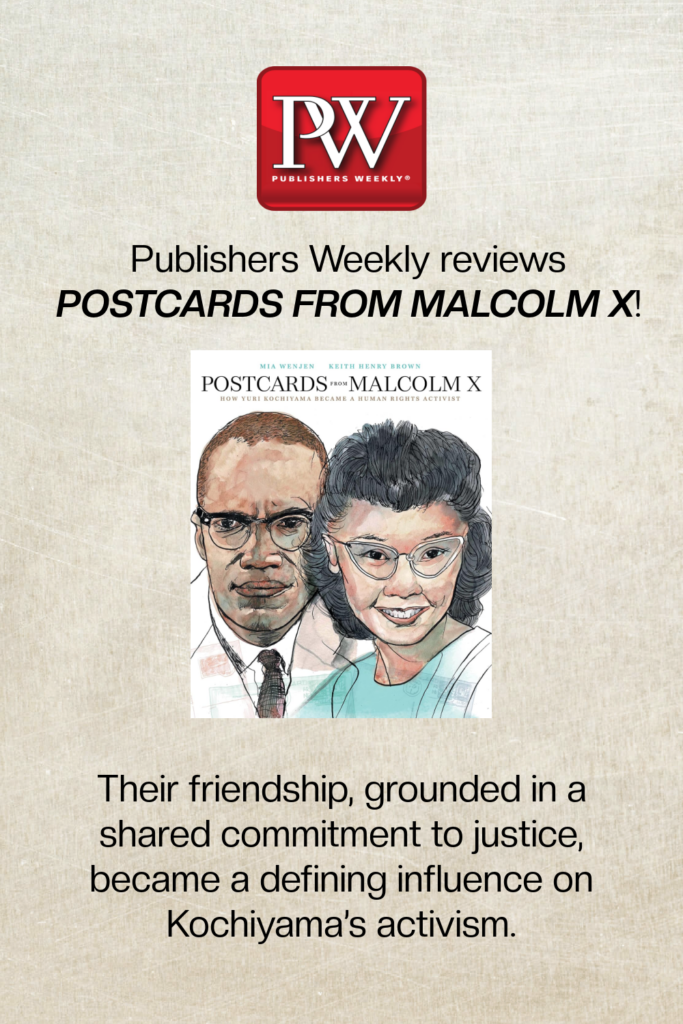
Most notably, the book explores Kochiyama’s transformative friendship and correspondence with Malcolm X during his pivotal travels overseas in 1964. Grounded in conversational prose and brought to life by Keith Henry Brown’s loose ink and watercolor artwork, the book captures the emotional warmth, intellectual rigor, and enduring legacy of an inter-ethnic alliance that helped redefine modern American activism. This comprehensive review examines the cultural importance of Wenjen’s latest work, the historical milestones of Kochiyama’s life, the mechanics of its critical reception, and its broader implications for contemporary educational curricula.
Read Also
Detailed Chronology: The Making of an Activist
To fully appreciate the narrative arc of Postcards from Malcolm X, one must examine the defining chronological milestones of Yuri Kochiyama’s life as depicted in Wenjen’s biography. The book structures historical trauma not as a static point of despair, but as a dynamic catalyst for radical empathy and resistance.
Early Life and World War II Incarceration (1921–1945)
Born in San Pedro, California, in 1921, Yuri Kochiyama lived a relatively conventional early life until the geopolitical shockwaves of December 7, 1941. In the chaotic aftermath of the bombing of Pearl Harbor, her father was wrongfully arrested and imprisoned by the FBI. Subjected to intense psychological strain and deprived of proper medical care, he passed away just hours after returning home to his family.
As detailed in Wenjen’s narrative, this catastrophic loss permanently altered 20-year-old Kochiyama’s worldview. Witnessing firsthand the vulnerability of marginalized communities under a hostile state apparatus, she vowed to fight against systemic hatred. Shortly thereafter, Executive Order 9066 forced Kochiyama and her family into an American concentration camp—specifically the Jerome War Relocation Center in Arkansas.

It was within the confines of this incarceration camp that Kochiyama developed a defining tool for her lifelong survival and resistance: the written word. Packing stationery, envelopes, and stamps, she recognized that "letters were her lifeline." Correspondence became her primary vehicle for political protest, emotional connection, and institutional change, establishing a pattern of communication that would define her legacy.
Migration to Harlem and Intersectional Solidarity (Post-WWII–1963)
Following the conclusion of World War II, Kochiyama married Bill Kochiyama, a veteran of the legendary all-Nisei 442nd Regimental Combat Team, and eventually settled in Harlem, New York. Moving into a predominantly Black and Puerto Rican neighborhood thrust Kochiyama into the heart of the burgeoning Civil Rights Movement.

Far from remaining an isolated community observer, Kochiyama integrated herself fully into the social fabric of Harlem. She and her family participated in local demonstrations advocating for fair labor practices, tenants’ rights, and educational equity for Black and Puerto Rican workers. Her activism was rooted in the understanding that the oppression of Japanese Americans during WWII was inextricably linked to the ongoing subjugation of African Americans and other communities of color in the United States.
The Historic Meeting with Malcolm X (1963–1965)
A critical turning point in Kochiyama’s life occurred during a civil rights protest in New York City, where she and other activists were arrested. Brought to a Brooklyn courthouse, Kochiyama crossed paths with Malcolm X. This fateful encounter sparked an intellectual and personal relationship built upon a shared, uncompromising commitment to global human rights, self-determination, and anti-imperialism.

When Malcolm X traveled extensively across Africa, the Middle East, and Europe in 1964, he maintained a steady correspondence with Kochiyama, sending her postcards that updated her on his evolving global perspective. This exchange of ideas deepened Kochiyama’s political analysis, linking domestic civil rights struggles to international decolonization movements. The emotional resonance of this bond is captured with profound sensitivity in Wenjen’s prose and Brown’s artistic renderings, portraying a friendship that transcended racial and cultural boundaries to forge an unbreakable revolutionary solidarity.
Supporting Context & Metrics: Critical Reception and Educational Impact
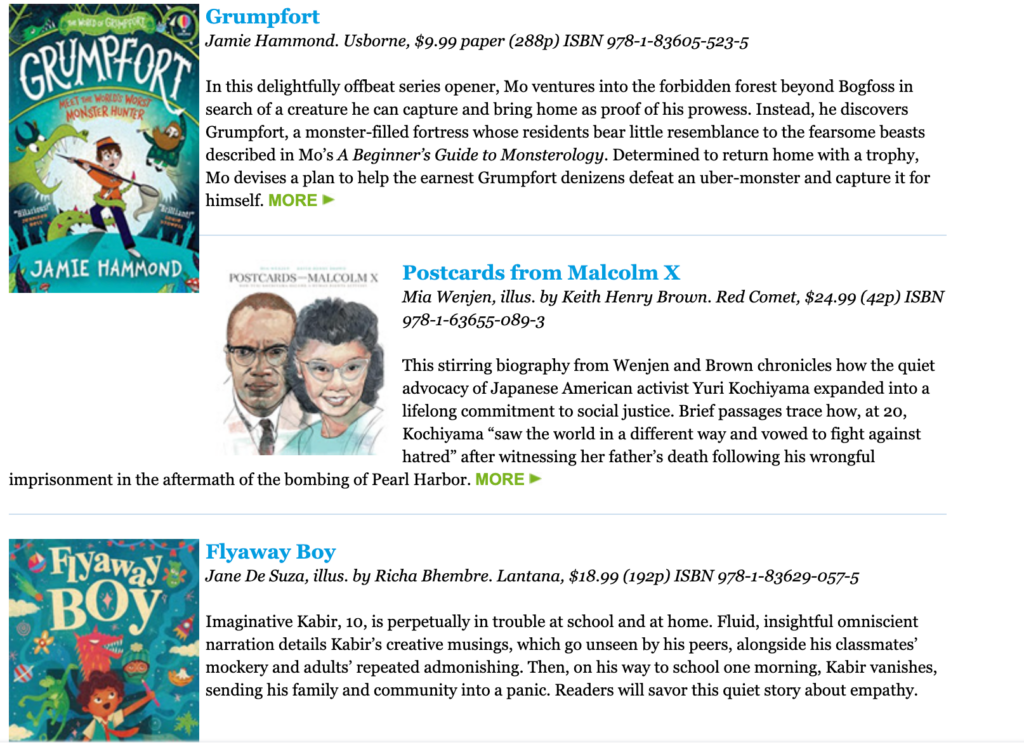
The release of Postcards from Malcolm X arrives at a critical juncture in children’s publishing, where educators, librarians, and parents increasingly seek literature that addresses intersectionality, historical truth, and cross-cultural coalition-building. Priced at $24.99 for a 42-page hardcover edition (ISBN 978-1-63655-089-3), the book has accumulated notable accolades across the children’s literary ecosystem.

Critical Acclaim Metrics
- Publishers Weekly: Praised the book as a "stirring biography" that offers an "approachable and energetic portrait of an activist," specifically highlighting the conversational tone and the emotional warmth of the illustrations.
- School Library Journal & Kirkus Reviews: Both publications have lauded the text for its age-appropriate framing of complex historical trauma, its extensive back matter, and its success in making intersectional history accessible to young readers aged 8 to 12.
- Literary Trailblazers: The title serves as a companion of sorts to Wenjen’s broader exploration of Japanese American resilience, mirroring themes found in her other notable works, such as Barbed Wire Between Us (illustrated by Violeta Encarnación) and her acclaimed non-fiction titles with the Smithsonian and Red Comet Press.
Visual and Narrative Synergy
A major driver of the book’s critical success is the artistic collaboration between Mia Wenjen and illustrator Keith Henry Brown. Brown, known for his work on projects like Pushing Hope, utilizes loose ink and watercolor techniques. This artistic choice avoids the rigid, sterile feel typical of traditional historical picture books. Instead, the fluid watercolor washes and expressive ink lines convey the warmth of human connection, the dynamism of street protests, and the intimate, tactile nature of handwritten postcards crossing international borders.
Official Statements and Industry Insights
The publication of Postcards from Malcolm X has generated significant dialogue among creators, publishers, and cultural critics regarding the necessity of expanding historical narratives in elementary education.

Mia Wenjen has consistently emphasized the urgency of teaching children about cross-racial solidarity through the lens of lived experience. In interviews surrounding her catalogue of multicultural children’s literature, Wenjen notes that historical education often operates in silos—teaching the Japanese American incarceration, the Civil Rights Movement, and Black history as isolated events. Books like Postcards from Malcolm X bridge these narratives, demonstrating how marginalized groups historically drew strength from one another.
Red Comet Press, renowned for publishing visually striking and socially conscious literature, positioned the book as a masterclass in biographical storytelling for young readers. Editorial reviews highlight that the inclusion of extensive back matter transforms the picture book from a simple narrative into a rigorous educational tool. Educators can utilize the timeline, historical notes, and primary-source context to spark classroom discussions on civil disobedience, government overreach, and the power of written communication in social movements.
Furthermore, industry platforms like Publishers Weekly and the School Library Journal have underscored the timely nature of the book. In an era where discussions surrounding civil rights, systemic racism, and historical memory face intense public scrutiny, Postcards from Malcolm X provides a balanced, deeply human entry point for children to explore how ordinary individuals can become architects of social justice.
Future Outlook: Legacy, Curriculum Integration, and Related Works
As Postcards from Malcolm X gains momentum in classrooms, libraries, and independent bookstores, its long-term impact on middle-grade education and multicultural publishing appears exceptionally promising. The book is well-positioned to become a staple in elementary school social studies curricula, serving as a cornerstone for units on Asian American history, African American history, and the broader Civil Rights Movement.
Expanding the Canon of Multicultural Literature
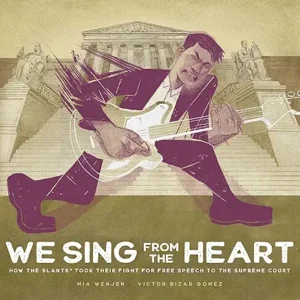
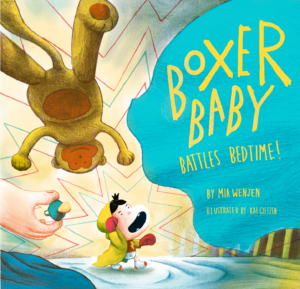
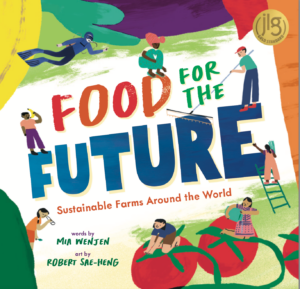
Mia Wenjen’s prolific output continues to reshape the landscape of diverse children’s literature. Alongside Postcards from Malcolm X, her recent projects—including Barbed Wire Between Us, Fortune Cookies for Everyone! (published in partnership with the Smithsonian), The Traveling Taco, and We Sing from the Heart: How the Slants® Took Their Fight for Free Speech to the Supreme Court—demonstrate a sustained commitment to highlighting unsung heroes, resilient communities, and complex legal and social histories for young readers.
Promotional and Educational Ecosystem
To support the rollout of Postcards from Malcolm X, PragmaticMom and related literary networks have deployed a robust digital ecosystem, featuring:
- An official book trailer capturing the visual and emotional breadth of Brown’s illustrations.
- Exclusive Q&A sessions with illustrator Keith Henry Brown, offering readers and art students a behind-the-scenes look at the creative process.
- Unboxing videos, school library reviews, and discussion guides designed to facilitate interactive reading experiences in both formal classrooms and home school environments.
Ultimately, Postcards from Malcolm X: How Yuri Kochiyama Became a Human Rights Activist transcends the traditional boundaries of the picture book biography. By charting the evolution of a grieving daughter into a global human rights champion through the humble medium of a postcard, Wenjen and Brown have crafted a timeless testament to the enduring power of friendship, empathy, and the unyielding human quest for justice.

Comments
Facebook App ID not configured. Please add it in the Customizer.