

Executive Overview
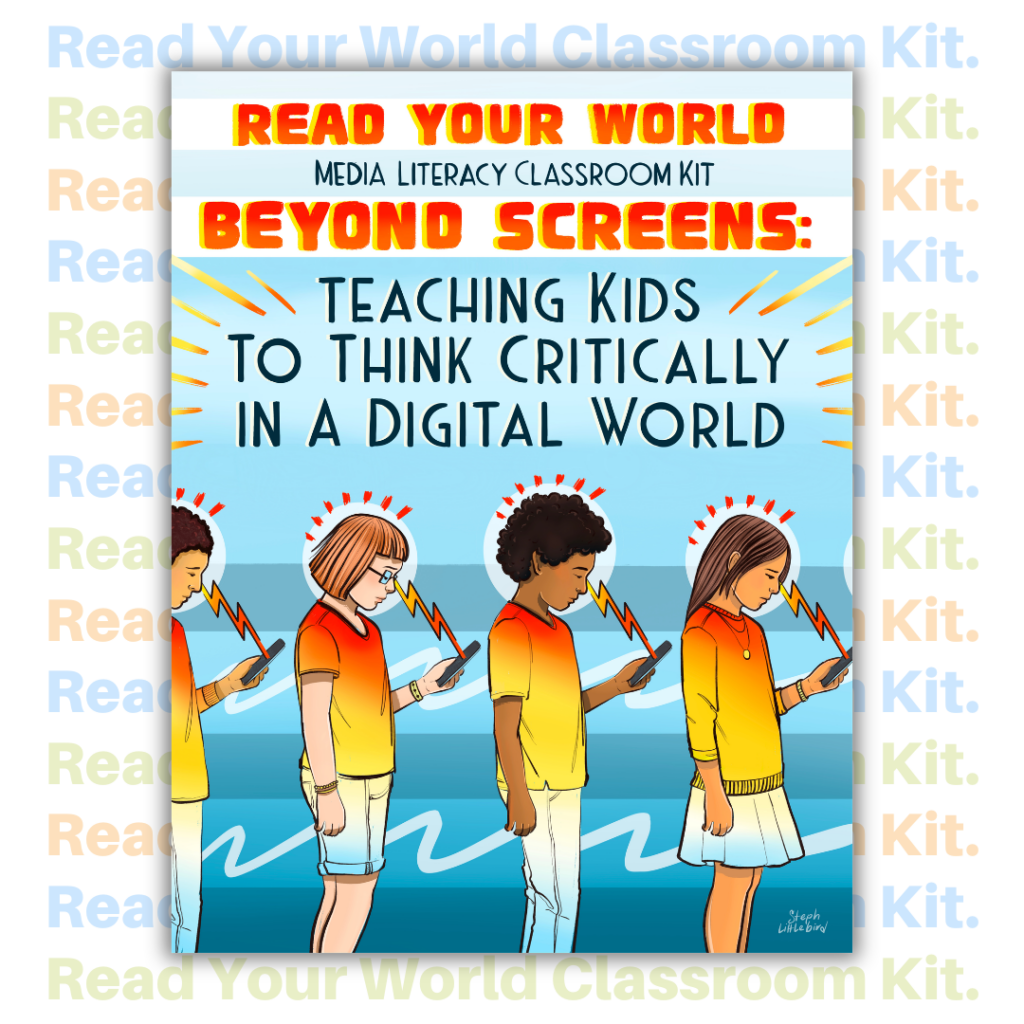
In an era defined by lightning-fast algorithmic feeds, deepfakes, and an endless stream of digital information, modern youth face a cognitive landscape entirely distinct from that of any previous generation. Today’s children learn to swipe before they can read, interacting with complex media environments long before they have developed the neurological maturity to independently evaluate the credibility of sources. Recognizing this profound societal shift, the literacy organization Read Your World has released its comprehensive, free-of-charge classroom kit: Beyond Screens: Teaching Kids to Think Critically in a Digital World.
Designed for educators, librarians, and parents, this timely resource provides an extensive framework to combat the spread of misinformation, deep-seated digital bias, and algorithmic echo chambers. By blending traditional literacy tools—such as curated children’s literature—with modern fact-checking mechanics and social-emotional learning (SEL) frameworks, the kit establishes a comprehensive blueprint for fostering healthy digital habits.
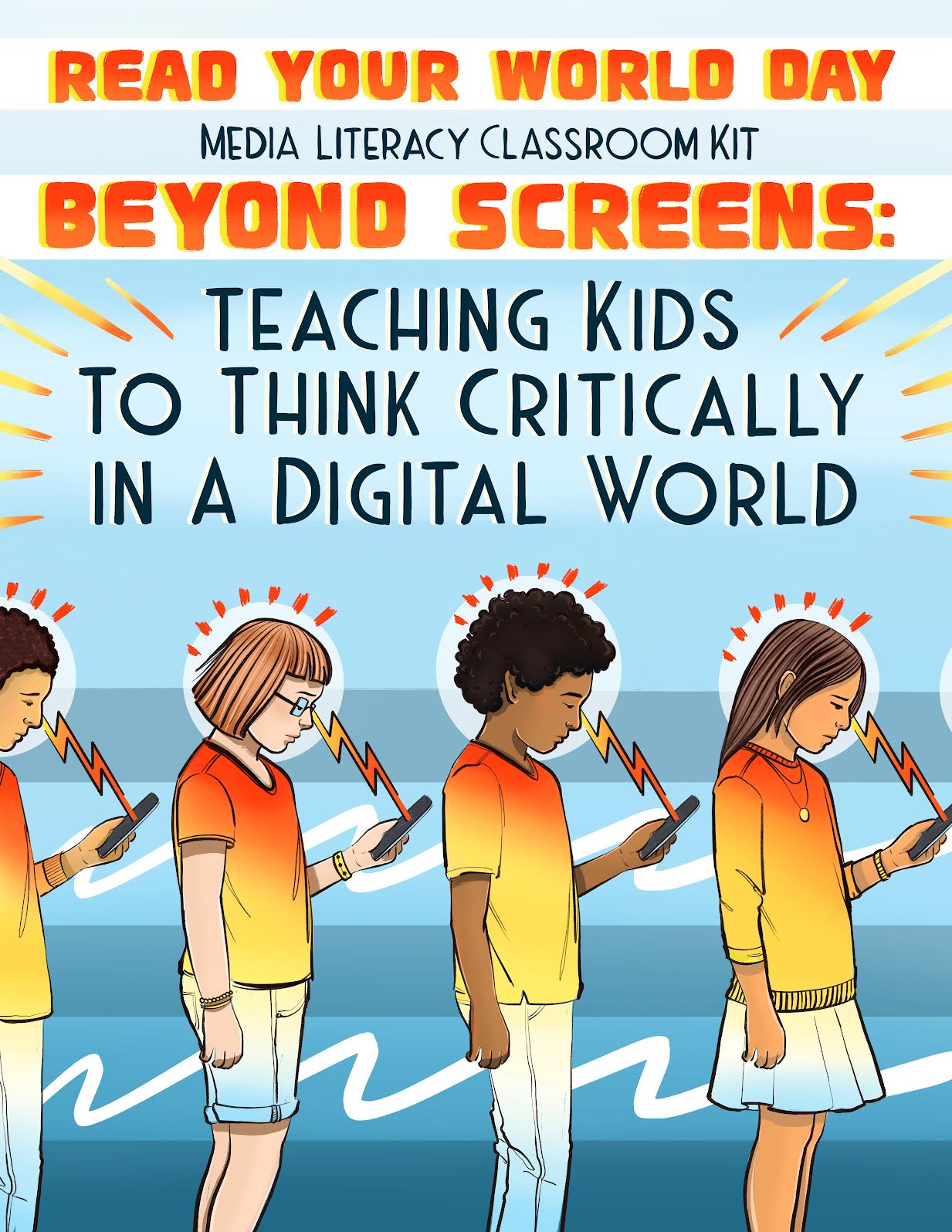
This article investigates the core components of the Beyond Screens initiative, contextualizes its release within the broader movement for media literacy education, explores the mechanics behind its pedagogical design, and surveys the array of complementary educational resources authored by contributors like Mia Wenjen to support holistic youth development.
Read Also
Detailed Chronology: The Evolution of Read Your World Classroom Kits
To understand the weight and design of the Beyond Screens initiative, it is essential to trace the strategic evolution of Read Your World’s educational advocacy. Over the past decade, the organization has consistently pivoted to address the most pressing socioeconomic, psychological, and civic challenges facing contemporary classrooms.
- 2017–2018: Foundation of Empathy and Inclusion
- October 2017: The release of the FREE Classroom Empathy Kit: Immigration & Refugees, providing educators with tools to humanize global displacement crises through literature.
- January 2017 / September 2018: The rollout of the Classroom Kindness Kit and the Classroom Poverty Kit: Understanding Poverty in America, which laid the groundwork for integrating socioeconomic empathy into foundational literacy programs.
- 2020–2022: Addressing Systemic Realities and Activism
- July 2020: Launch of the Activists & Activism kit, empowering students to recognize their agency in civic discourse.
- September 2021: Introduction of the landmark Structural Racism classroom kit, tackling systemic inequity head-on through curated multicultural texts.
- August 2022: In response to the post-pandemic mental health crisis, the organization released a FREE Teacher Classroom Kit for Mental Health Support, acknowledging the intersection of emotional well-being and academic success.
- 2023–2025: Environmental Justice and Global Communities
- August 2023: The Climate Change and Understanding Environmental Justice kit equipped classrooms with resources to examine ecological preservation.
- August 2025: The release of the Building Community with Bilingual Books kit, emphasizing the cognitive and social benefits of multilingual education.
- 2026: The Digital Turn—Beyond Screens
- Building directly upon this legacy of civic awareness and emotional intelligence, the launch of Beyond Screens addresses the invisible, pervasive threat of digital misinformation and algorithmic manipulation.
Inside the Kit: Core Pedagogical Components and Mechanics
Beyond Screens: Teaching Kids to Think Critically in a Digital World is not merely a reading list; it is a multi-modal, highly structured pedagogical toolkit. Engineered to transition children from passive consumers of media into active, analytical thinkers, the kit contains several core pillars:
1. Curated Children’s Literature (18 Selected Titles)
At the heart of the initiative are 18 carefully selected children’s books focusing on media literacy, truth-seeking, internet safety, and the history of communication. Using narrative storytelling as an entry point, these books allow children to explore complex concepts like confirmation bias and sensationalism without feeling overwhelmed by technical jargon.

2. Fact-Checking and Verification Tools
The kit includes accessible, age-appropriate digital hygiene guidelines and free fact-checking tools. Students are taught how to perform lateral reading—checking what other sources say about a claim—as well as how to inspect image metadata and trace the original source of a viral statement.
3. Hands-On Games and Interactive Lesson Plans
Understanding that young learners grasp abstract concepts best through play, the curriculum incorporates interactive games that simulate the spread of information, fake news generation, and the mechanics of clickbait. Ready-to-use lesson plans eliminate prep friction for educators, offering plug-and-play modules suitable for diverse classroom settings.

4. Podcast Integration with SEL Guides and Printables
Recognizing the emotional toll of the digital world—including anxiety caused by fear-mongering headlines and social media comparison—the kit features podcast episodes paired with Social-Emotional Learning (SEL) guides and printable worksheets. This screen-based or screen-free hybrid approach ensures that students process not only what they read online, but how it makes them feel.
5. Visual Storytelling via Poster Art
Featuring original poster artwork and insights by illustrator Steph Littlebird, the kit uses striking Indigenous and contemporary visual motifs to anchor classroom discussions about whose stories are told, who controls the media narrative, and how art can challenge prevailing biases.

Supporting Context and Metrics: The Crisis of Modern Media Literacy
The urgency of the Beyond Screens release is underscored by alarming empirical data regarding youth media consumption and vulnerability to misinformation.
Recent studies conducted by organizations such as the Stanford History Education Group and the Pew Research Center reveal sobering realities:

- The Credibility Gap: Over 80% of middle school students struggle to distinguish between native advertisements (sponsored content) and hard news articles on a webpage.
- Algorithmic Isolation: The average child spends upwards of seven hours a day interacting with screen-based media, much of it curated by opaque recommendation algorithms designed to maximize engagement through outrage and emotional polarization.
- The Rise of Synthetic Media: With generative artificial intelligence making deepfakes and AI-generated text indistinguishable from human-created content, children today face an environment where seeing is no longer necessarily believing.
By providing free, equitable access to media literacy training, initiatives like Beyond Screens bridge the educational divide, ensuring that media literacy is not treated as a luxury for affluent districts, but as a fundamental human right for all students.
Official Statements and Vision
While specific quotes from the institutional leadership emphasize the grassroots nature of the project, the overarching philosophy of Read Your World underscores community empowerment.

"In a world where algorithms dictate what our children see, think, and feel, teaching them to pause, question, and investigate isn’t just an academic skill—it is an act of civic preservation," notes the broader educational collective behind the release.
By offering the kit entirely free of charge, Read Your World ensures that underfunded schools, rural libraries, and homeschooling families have immediate access to cutting-edge cognitive protection tools.

Extended Reading and Complementary Author Works
To further support educators and parents in cultivating critical thinking, empathy, and social justice, the educational ecosystem surrounding Read Your World highlights a rich collection of award-winning literature and teaching guides by author Mia Wenjen and her peers. These works serve as powerful companion pieces to the themes explored in Beyond Screens.
1. Civil Rights, Free Speech, and Activism
- Barbed Wire Between Us (Illustrated by Violeta Encarnación): A poignant exploration of historical resilience, accompanied by a free downloadable teacher’s guide and music video resources.
- Postcards from Malcolm X: How Yuri Kochiyama Became a Civil Rights Activist (Illustrated by Keith Henry Brown): Expl examines cross-cultural solidarity and the formation of a legendary activist’s worldview.
- We Sing from the Heart: How the Slants® Took Their Fight for Free Speech to the Supreme Court (Illustrated by Simon Tam): A vital text for older students examining First Amendment rights, trademark law, and the power of fighting systemic injustice.
2. Cultural History, Science, and Environmental Sustainability
- Fortune Cookies for Everyone! (Smithsonian): The Surprising Story of the Tasty Treat We Love to Eat (Illustrated by Colleen Kong-Savage): Unpacks the surprising history and cross-cultural evolution of a beloved food item.
- The Traveling Taco: The Amazing and Surprising Journey of Many of Your Favorite Foods (Illustrated by diverse creators): Explores the diverse roots of everyday foods, promoting global appreciation and historical inquiry.
- Food for the Future: Sustainable Farms Around the World (Illustrated by Robert Sae-Heng): Winner of Bank Street College’s Best Children’s Books of the Year, this title highlights environmental stewardship, global agricultural practices, and scientific innovation.
3. Athletics, Leadership, and Personal Growth
- Changing the Game: Asian Pacific American Female Athletes: Inspires young readers to challenge stereotypes and examine representation in sports media.
- How to Coach Girls (Co-authored with Alison Foley): A foundational guide for mentors, coaches, and parents dedicated to building confidence and resilience in young women.
Future Outlook: The Road Ahead for Digital Literacy
As artificial intelligence continues to accelerate and the volume of digital information multiplies exponentially, the traditional educational paradigm—which focuses solely on rote memorization and basic reading comprehension—is no longer sufficient.

The release of Beyond Screens: Teaching Kids to Think Critically in a Digital World marks a critical milestone in modern pedagogy. By equipping children with the tools to question sources, recognize bias, manage emotional reactions to media, and engage constructively with the world around them, Read Your World is helping to build an intellectually resilient generation.
Educators, librarians, and parents are encouraged to download the FREE Classroom Kit today to begin integrating these vital media literacy modules into their learning environments, ensuring that children grow up not just consuming the digital world, but critically shaping it.


Comments
Facebook App ID not configured. Please add it in the Customizer.