
Executive Overview
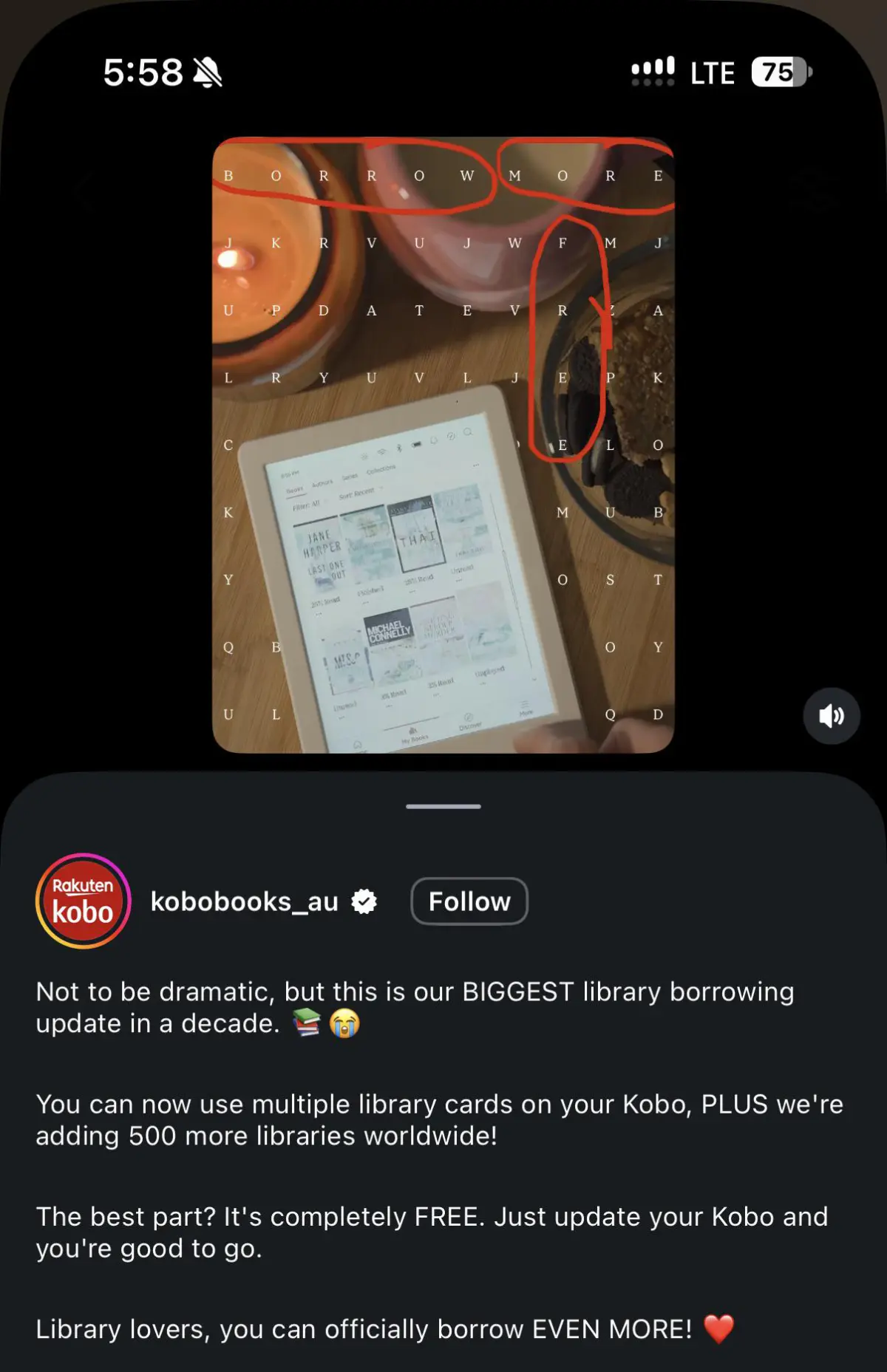
In a monumental development for digital literature enthusiasts, e-reading titan Kobo has officially announced that its line of e-readers will soon incorporate native multi-library card support through an expanded integration with OverDrive’s popular Libby app. Historically, Kobo users borrowing e-books from local public libraries were constrained by a frustrating technological bottleneck: they could link only a single library card to their device at any given time. If a reader utilized multiple library systems—perhaps balancing a local municipal branch with a specialized regional collection or a paid non-resident account—they were forced to continuously unlink and relink cards, disrupting their reading flow and complicating their digital holds and checkouts.
This impending software update eliminates that friction, promising a streamlined experience for avid readers who depend on public libraries for their digital consumption. Alongside the multi-card announcement, Kobo revealed that network expansion efforts will bring OverDrive support to over 500 additional library branches worldwide. This dual-pronged initiative cements Kobo’s status as a formidable competitor to Amazon’s Kindle in the library-borrowing ecosystem, providing an attractive incentive for power readers, researchers, and book clubs to switch or stick to the Kobo platform.
While Kobo has confirmed the feature through social media channels, an exact launch date for the accompanying software update remains under wraps. Nevertheless, anticipation is high across the digital reading community. This report examines the technical implications of the update, evaluates how it changes the landscape of digital borrowing, surveys the economics of out-of-state non-resident library memberships, and explores what this means for the future of hardware-integrated library access.
Read Also
Detailed Chronology: The Evolution of Kobo’s Library Integration
To understand the significance of this upcoming multi-card feature, it is helpful to trace Kobo’s long-standing relationship with OverDrive and public libraries, which has evolved from an external workaround into a cornerstone of the brand’s identity.
Phase 1: The External Browser Era
In the early days of dedicated e-reading hardware, accessing public library books on a Kobo device was a clunky affair. Users typically had to browse their library’s OverDrive catalog on a desktop computer or smartphone, download Adobe Digital Editions (ADE) files (EPUB or PDF), and manually transfer the books via a USB cable. For many consumers, this technical hurdle served as a major deterrent, driving them toward physical books or restricting digital reading to tablets and smartphones.
Phase 2: Native OverDrive Integration (Single-Card Era)
A major turning point occurred when Kobo partnered directly with OverDrive to bake library borrowing right into the operating system of select e-readers. Users could sign in with a single library card number and PIN directly on the device, browse the local catalog, and instantly check out or place holds on e-books and audiobooks without ever touching a computer.
While revolutionary, this system had a glaring limitation: the "one-card rule." For heavy readers who lived near the border of two county systems, or for those who maintained memberships across different municipal jurisdictions, managing multiple accounts meant repeatedly navigating the settings menu to log out of one library and into another. Consequently, many library power users continued to rely on standalone tablets running the Libby app to manage their diverse digital shelves.
Phase 3: The Upcoming Multi-Card Paradigm
The announcement of native multi-library card support represents the culmination of years of user feedback. By allowing readers to store and manage multiple library cards simultaneously under a single Kobo user profile, the company is bridging the gap between dedicated e-reader hardware convenience and the multi-account flexibility traditionally found only on software-based apps like Libby, iOS, and Android.
Combined with the integration of over 500 new library branches globally, this update signals Kobo’s aggressive push to capture market share among voracious readers who maximize their reading material through civic lending networks.
Supporting Context & Metrics: Maximizing Your Digital Shelf via Non-Resident Cards
For dedicated bibliophiles, the ability to store multiple library cards on a Kobo device unlocks a powerful strategy: leveraging paid, non-resident annual memberships. While most public libraries are funded by local tax dollars and offer free cards exclusively to residents, property owners, or employees within their district, a select group of prominent library systems across the United States permit out-of-state or non-resident patrons to purchase annual access to their digital collections for a reasonable fee.
When Kobo’s multi-card update rolls out, users will be able to seamlessly pool the inventories of several major library systems onto one lightweight, glare-free e-reader screen. Below is a breakdown of some of the most robust, high-value non-resident library programs available to digital readers:

1. Queens Public Library (New York)
- Annual Cost: $50
- E-Media Ecosystem: Widely regarded as one of the premier digital libraries in the United States, the Queens Public Library boasts an exceptionally deep catalog of bestsellers, literary fiction, non-fiction, and audiobooks. Because of its massive purchasing power and high circulation demand, its digital collection is vast, making the $50 annual out-of-state fee an attractive investment for readers frustrated by long waitlists at smaller libraries.
2. Charlotte Mecklenburg Library (North Carolina)
- Annual Cost: $45
- E-Media Ecosystem: Serving the greater Charlotte area, this system provides robust access to OverDrive and Libby content. It maintains shorter wait times for popular releases compared to major coastal hubs while still offering a comprehensive catalog spanning diverse genres.
3. Broward County Library (Florida)
- Annual Cost: $38
- E-Media Ecosystem: Operating as a mid-tier financial option, Broward County delivers a well-rounded digital collection that punches above its weight class in terms of contemporary fiction, mystery, and historical non-fiction.
4. Fairfax County Public Library (Virginia)
- Annual Cost: $27 per year (or $100 for a three-year commitment)
- E-Media Ecosystem: Widely cited by budget-conscious reading communities as one of the absolute best values in the country. At under $30 annually—and even less per year if opting for the three-year tier—Fairfax County provides access to an expansive digital network, significantly reducing the cost-per-book ratio for avid readers.
5. Monroe County Public Library (Indiana)
- Annual Cost: $25
- E-Media Ecosystem: For readers looking to test the waters of paid non-resident memberships without a heavy financial commitment, Monroe County offers one of the most affordable out-of-state cards available, granting full digital borrowing privileges through Libby and, soon, directly on Kobo hardware.
By combining these paid memberships with a local free card, a Kobo user will soon be able to search across multiple premier collections simultaneously, drastically cutting down hold times and expanding their literary horizons.
Official Statements and Industry Impact
While Kobo has maintained a relatively tight-lipped approach regarding the precise engineering hurdles and release schedule of the upcoming update, the company confirmed the feature via official social media announcements. Industry analysts view the move as a direct counter-offensive against Amazon’s Kindle ecosystem.
While Amazon’s Kindle devices dominate the global e-reader market share, their integration with public libraries is historically restricted to U.S.-based users utilizing OverDrive/Libby for Kindle Book delivery—a service that remains unavailable in many international markets. Furthermore, Kindle devices have never natively supported multiple library card management directly on the device interface in the seamless manner Kobo is now promising.
By doubling down on open standards like EPUB, Pocket integration, OverDrive compatibility, and now multi-card management, Kobo is carving out a definitive niche as the premier hardware ecosystem for open-source and library-centric readers.
Furthermore, the simultaneous addition of over 500 new library branches to Kobo’s supported network demonstrates that the company is actively expanding its infrastructural partnerships. These additions will primarily benefit international users and smaller regional districts, ensuring that the pool of accessible digital assets scales proportionally with the new multi-card software capabilities.
Future Outlook: What’s Next for Digital Library Borrowing?
As we look toward the future of digital reading, the intersection of hardware development and public library infrastructure is experiencing a renaissance. Several key trends are likely to emerge in the wake of Kobo’s announcement:
1. Increased Scrutiny on Non-Resident Policies
As word spreads regarding the utility of paid out-of-state library cards—particularly when paired with frictionless e-reader integration—public libraries that currently offer non-resident memberships may experience a surge in demand. Conversely, some municipal systems might reevaluate their non-resident policies due to budget constraints, licensing costs imposed by publishers (who often charge libraries exorbitant, multi-user license fees for e-books compared to physical copies), or pushback from local taxpayers. Readers interested in securing these cards should act proactively while programs remain open.
2. Pressure on Competitors
Kobo’s move raises the bar for competing e-reader manufacturers. Brands like Boox, PocketBook, and Amazon will face mounting consumer pressure to streamline their own software interfaces to accommodate multi-account management. While Android-based e-readers (such as those from Boox) can simply install the Libby app natively, they often suffer from inferior battery life, complex user interfaces, and screens not optimized for simple e-reading. Kobo’s dedicated, distraction-free E Ink interface combined with multi-card support hits a sweet spot that Android tablets struggle to replicate.
3. Anticipating the Software Rollout
As of publication, Kobo has not announced a definitive release date for the firmware update that will enable multi-card support. Industry watchers speculate that the rollout could occur in phases over the coming months, likely beginning with beta testers before a general public release. When it arrives, it will fundamentally alter how library patrons interact with their devices, transforming Kobo e-readers into true, centralized digital hubs for all things library-related.
Conclusion
Kobo’s upcoming integration of multi-library card support via OverDrive Libby, coupled with the expansion of over 500 new participating library branches, marks a watershed moment for e-reader users. By removing the tedious need to log in and out of different accounts, Kobo is honoring its core commitment to reading flexibility and user empowerment.
Whether utilizing a free neighborhood branch, balancing multiple local systems, or investing in out-of-state memberships with powerhouses like the Queens or Fairfax County public libraries, readers are on the verge of experiencing unprecedented convenience. While the tech community eagerly awaits the official release date of the software update, one thing is certain: Kobo continues to prove that it is listening closely to the needs of modern readers, solidifying its position as an indispensable player in the future of digital literature.

Comments
Facebook App ID not configured. Please add it in the Customizer.