
Executive Overview
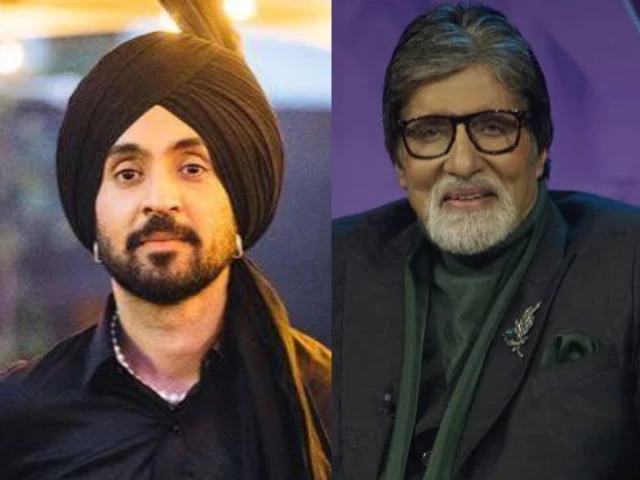
In an alarming escalation of security concerns within India’s entertainment capitals, law enforcement agencies in Mumbai have launched a high-priority investigation into a malicious email threatening high-profile targets. The communication, which has sent shockwaves through the upper echelons of the Indian film and music industries, explicitly names Bollywood megastar Amitabh Bachchan’s iconic Juhu residence, Jalsa, alongside a high-profile live concert by Punjabi music sensation and actor Diljit Dosanjh at the Mahalaxmi Racecourse.
The menacing electronic message, which reportedly surfaced earlier this week, did not stop at celebrity residences and performance venues. Investigators reveal that the email also cast a wide net of terror by referencing critical civic and educational infrastructure, including the Mumbai Mayor’s office and several prominent local schools. By detailing specific dates and times for purported attacks, the sender sought to maximize psychological panic and operational disruption across the financial capital.
Amid this unfolding security crisis in Mumbai, parallel developments in the national capital have brought a wave of relief to thousands of music enthusiasts. Following days of bureaucratic tension, intense negotiations, and last-minute security audits, Diljit Dosanjh’s highly anticipated Delhi concert—part of his record-shattering Aura India Tour—has officially received the green light from the Delhi Police. The performance, scheduled for October 30 at the Jawaharlal Nehru Stadium, had previously been shrouded in uncertainty as local authorities weighed heightened festive-season policing commitments against localized threat intelligence.
Read Also
This dual narrative of threat and resilience highlights the increasingly complex challenge facing event organizers, municipal authorities, and security apparatuses in safeguarding public gatherings. As cyber cells trace the digital footprints of the threatening emails and security details ramp up their on-ground posture, the entertainment industry finds itself walking a tightrope between maintaining public engagement and ensuring absolute safety.
Detailed Chronology of Events
The unfolding timeline of threats, administrative hurdles, and rapid law enforcement responses underscores the volatile environment surrounding high-profile public events in India this festive season.
The Mumbai Threat: Genesis and Scope
The sequence of events in Mumbai began with the receipt of an ominous electronic mail message that immediately triggered standard operating procedures for high-level threat assessments. According to internal intelligence shared with Gulf News, the communication was routed to multiple municipal and law enforcement portals, quickly escalating to the Mumbai Police’s cyber crime and crime branch units.
- The Initial Breach and Identification of Targets: Upon analyzing the metadata and content of the email, cyber experts discovered that the sender had adopted a scattershot approach, listing a diverse array of high-value targets designed to paralyze emergency response systems. Among the addresses cited were the administrative offices of the Mumbai Mayor, critical educational institutions, and iconic private properties.
- Focus on Celebrity Landmarks: Two locations immediately drew the undivided attention of investigators due to their cultural significance and the inherent vulnerability of crowd management around them:
- ‘Jalsa,’ the Juhu residence of Amitabh Bachchan: A perennial landmark where thousands of fans gather weekly, the sprawling bungalow was assigned a specific threat window, with October 30/31 cited as a period of heightened risk.
- The Mahalaxmi Racecourse: Designated as the venue for Diljit Dosanjh’s upcoming mega-concert in Mumbai, the sprawling open-air facility was linked in the correspondence to a targeted disruption slated for late November (specifically November 27).
- Law Enforcement Mobilization: The Mumbai Police immediately elevated the threat perception level surrounding Jalsa. While Bachchan’s residence already maintains a robust, state-mandated security detail, local patrols were intensified, and intelligence units began cross-referencing the email’s phrasing and digital signature with historical threat archives to determine whether it was the work of a disgruntled individual, a copycat, or an organized terror syndicate.
The Delhi Concert Saga: From Stagnation to Clearance
Concurrently, hundreds of miles away in New Delhi, the administrative battle over Diljit Dosanjh’s tour stop was reaching its climax. The journey toward securing official clearance for the October 30 concert at the Jawaharlal Nehru Stadium was fraught with bureaucratic friction and stringent security evaluations.
- Initial Denial and Security Concerns: In the weeks leading up to the announcement, Delhi Police officials had withheld mandatory permissions for the concert. The hesitation was not arbitrary; it stemmed from a confluence of factors, including specific threat-related intelligence inputs, localized law enforcement constraints, and the immense strain placed on security forces due to heavy festive-season deployment across the capital.
- The Organizer Intervention: Refusing to capitulate to cancellation rumors, event promoter BookMyShow Live initiated a high-stakes dialogue with senior Delhi Police officials. Recognizing the immense economic and cultural footprint of the tour, the organizers submitted a comprehensive, multi-layered security dossier. This dossier went far beyond standard protocols, introducing advanced crowd management metrics, dedicated traffic diversion plans, and private security reinforcements to alleviate the burden on state personnel.
- The Final Clearance: Following meticulous scrutiny of the submitted safety blueprints and renewed security clearances from intelligence agencies, the Delhi Police officially greenlit the event. Organizers swiftly moved to quell public anxiety, issuing statements confirming that the concert would proceed strictly according to schedule, setting the stage for what is projected to be one of the largest ticketed live music events of the year in the capital.
Supporting Context & Metrics: The Scale of the Aura India Tour
To fully grasp the gravity of the threats and the administrative anxiety surrounding these events, one must examine the unprecedented scale of Diljit Dosanjh’s ongoing tour and the broader socio-political landscape of live entertainment in South Asia.
Breaking Records: The Phenomenon of Diljit Dosanjh
Diljit Dosanjh has transcended the traditional boundaries of regional Punjabi cinema and music to become a global cultural ambassador. His current live circuit, the Aura India Tour, is not merely a concert series; it is a historic commercial triumph that has shattered box office records across the subcontinent.
- Ticket Sales Velocity: Industry analysts report that tickets for Dosanjh’s concerts have routinely sold out within minutes of release, driven by a fervent, multi-generational fan base. The economic engine behind these tours involves tens of millions of dollars in ticket sales, merchandise, and corporate sponsorships.
- Logistical Footprint: Organizing a tour of this magnitude requires moving massive technical setups, audio-visual arrays, and stagecraft across multiple metropolitan cities. Each venue accommodates tens of thousands of screaming fans, creating a logistical nightmare for local authorities tasked with managing ingress, egress, and perimeter security.
- The Cultural Imperative: For millions of young Indians, live music events represent a vital post-pandemic return to normalcy and cultural expression. Consequently, any attempt to disrupt these gatherings carries profound psychological and symbolic weight, transforming concerts into prime targets for bad actors seeking maximum media visibility.
The Vulnerability of Public Infrastructure
The inclusion of schools, municipal offices, and celebrity homes in the Mumbai threatening email highlights a disturbing trend in modern cyber-terrorism and harassment: the use of generalized, high-impact threat vectors to overwhelm state machinery.
| Target Category | Specific Location Cited | Nature of Threat | Law Enforcement Response |
|---|---|---|---|
| Private Residential | ‘Jalsa’ (Juhu, Mumbai) | Targeted disruption / security breach | Enhanced perimeter patrols, intelligence tracking |
| Public Entertainment | Mahalaxmi Racecourse (Mumbai) | Event sabotage / coordinated disruption | Comprehensive venue audits, threat modeling |
| Civic Administration | Mumbai Mayor’s Office | Operational paralysis / structural threat | Digital footprint tracing, bomb squad stand-by |
| Educational Infrastructure | Various Mumbai Schools | Mass panic / localized evacuation | Security advisory issuance, school liaison checks |
Security experts note that even when such emails are ultimately unmasked as hoax communications—a frequent occurrence during festive seasons—they force law enforcement agencies to divert critical resources away from daily crime prevention to sweep venues, analyze IP addresses, and manage public panic.
Official Statements and Law Enforcement Responses
As the investigations continue to develop, official channels from both police departments and event stakeholders have issued measured, authoritative responses aimed at balancing public reassurance with operational discretion.
Mumbai Police: A Methodical Approach
Senior officers within the Mumbai Police Crime Branch have urged calm while stressing that no threat—regardless of how improbable its origin may seem—can be dismissed out of hand.
"We are treating the electronic communication with the utmost seriousness. Our cyber cell is currently tracing the digital trail of the email, examining server logs, and analyzing linguistic markers to identify the perpetrator. Simultaneously, security around all named locations, including the residences of prominent personalities and public venues, has been appropriately calibrated to ensure absolute safety without causing undue public alarm."
— Senior Mumbai Police Official (Speaking on condition of anonymity)
Furthermore, Mumbai law enforcement has reiterated its commitment to maintaining the city’s reputation as one of the safest metropolitan hubs for public assemblies, noting that past threats of a similar nature have frequently originated from offshore proxy servers or mischievous actors operating within the country, all of whom were eventually apprehended.
Event Organizers and Delhi Authorities: Reassurance and Compliance
In New Delhi, the successful resolution of the stadium clearance impasse was marked by transparent communication from the event promoters and a pragmatic stance from the police administration.
- BookMyShow Live Statement: In an official release addressing circulating rumors of cancellation, the promotional giant stated:
"The safety and well-being of our fans, artists, and staff remain our absolute top priority. Following constructive dialogues with the Delhi Police and the successful submission of our exhaustive security and crowd management plans, we are thrilled to confirm that Diljit Dosanjh’s concert at the Jawaharlal Nehru Stadium will proceed precisely as scheduled on October 30. We thank the authorities for their cooperation and look forward to welcoming fans to an unforgettable musical experience."
- Delhi Police Perspective: Law enforcement officials in the capital emphasized that the initial withholding of permission was a standard, mandatory precaution given the intelligence inputs and the massive anticipated crowd density. The eventual granting of the permit, police noted, serves as proof that private organizers and public security agencies can successfully collaborate to establish airtight safety frameworks.
Future Outlook: Securing the Future of Live Entertainment
The twin incidents in Mumbai and New Delhi serve as a stark reminder of the delicate equilibrium that governs modern public entertainment. As India’s live events sector experiences an unprecedented golden age—attracting global investments, world-class artists, and millions of passionate attendees—the paradigms of security must evolve correspondingly.
Key Takeaways for the Industry
- Proactive Security Integration: Moving forward, promoters can no longer treat security planning as an afterthought or a last-minute bureaucratic hurdle. Comprehensive safety dossiers encompassing traffic management, emergency medical response, and private-public security synchronization must be embedded into the foundational stages of tour conceptualization.
- Advanced Cyber-Threat Mitigation: Law enforcement agencies must continue to upgrade their cyber-forensic capabilities to swiftly unmask and neutralize hoax email senders. The rapid identification and public exposure of perpetrators are vital to deterring copycat threats that weaponize digital anonymity to disrupt public life.
- Resilience Over Panic: Both the Mumbai and Delhi episodes demonstrate that while threats can cause momentary disruption, institutional resilience and transparent communication remain the most effective antidotes to fear. By refusing to bow to intimidation, cultural institutions and security forces ensure that the artistic heartbeat of the nation continues to thrive unimpeded.
As the countdown to Diljit Dosanjh’s Delhi performance begins and Mumbai investigators close in on the origin of the threatening emails, the nation watches with a mixture of vigilance and anticipation. The message from authorities is unequivocal: while vigilance will remain heightened at every level, public life, cultural celebration, and artistic expression will continue unbowed.




Comments
Facebook App ID not configured. Please add it in the Customizer.