
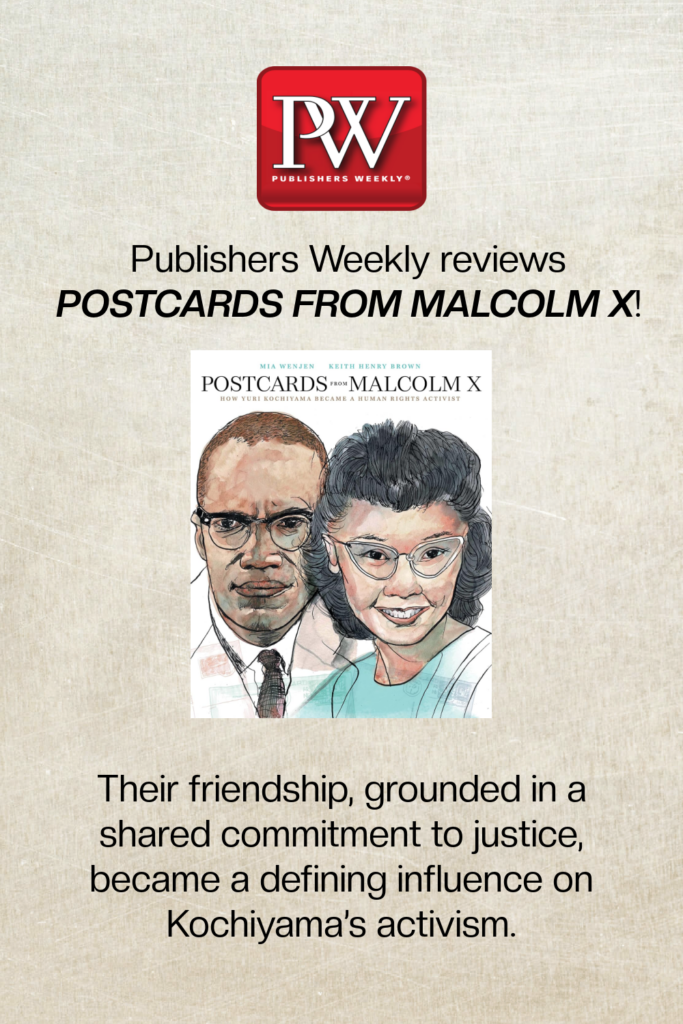
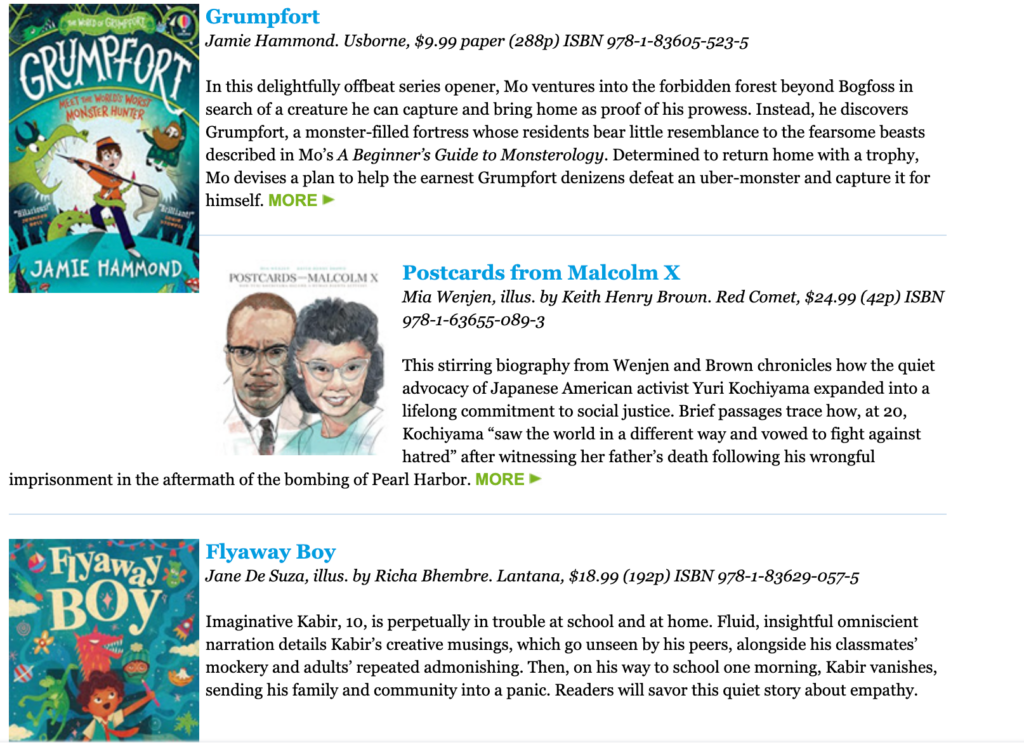
The intersection of literature, history, and social justice has found a poignant new voice in children’s and middle-grade publishing with the release of Postcards from Malcolm X: How Yuri Kochiyama Became a Human Rights Activist. Authored by acclaimed writer Mia Wenjen and brought to evocative visual life by illustrator Keith Henry Brown, this 42-page biographical picture book published by Red Comet Press has quickly garnered critical acclaim across the literary landscape. Most recently, the work received a stirring, highly anticipated review from Publishers Weekly, adding to a wave of praise from premier reviewing bodies including Kirkus Reviews and the School Library Journal.
Targeted toward readers aged 8 to 12, Postcards from Malcolm X explores the remarkable, paradigm-shifting journey of Yuri Kochiyama (1921–2014), a Japanese American activist whose quiet advocacy blossomed into a fierce, lifelong dedication to human rights, civil rights, and cross-cultural solidarity. At its core, the book examines how a childhood disrupted by geopolitical tragedy and institutionalized racism evolved into a global perspective centered on empathy, resistance, and coalition-building.
This comprehensive journalistic feature investigates the genesis of the book, unpacks the historical chronology of Yuri Kochiyama’s extraordinary life, evaluates critical commentary from top-tier publications, explores the artistic and narrative mechanisms employed by Wenjen and Brown, and looks forward at the cultural footprint this timely biography aims to leave on young minds and educational curricula alike.
Read Also
Detailed Chronology: Tracing the Life and Activism of Yuri Kochiyama
To fully appreciate the narrative architecture of Mia Wenjen’s biographical work, one must trace the historical milestones that shaped Yuri Kochiyama into one of the twentieth century’s most dedicated civil rights figures.
Formative Years and the Catalyst of Injustice
Born in 1921, Yuri Kochiyama experienced a world fundamentally altered by the outbreak of World War II and the subsequent bombing of Pearl Harbor. In the racially charged and deeply paranoid atmosphere of wartime America, her family—like tens of thousands of Japanese Americans—was subjected to forced removal and confinement in government incarceration camps.
However, the most immediate trauma struck prior to relocation: the wrongful imprisonment and subsequent rapid decline and death of her father. As detailed in Wenjen’s stirring narrative, witnessing the systemic injustice inflicted upon her family altered Kochiyama’s worldview forever. At the age of 20, she vowed to fight tirelessly against hatred, bigotry, and oppression wherever she encountered it.

The Lifeline of Paper and Ink
Confined behind barbed wire, Kochiyama discovered that physical walls could not completely restrict human connection. Recognizing that communication was a vital tool for survival and solidarity, she packed her belongings with a deliberate focus on stationery, envelopes, and stamps.
In the words of the Publishers Weekly review, “Letters were her lifeline,” serving as her primary vehicle for protest, connection, and societal change. Through correspondence, Kochiyama maintained ties with the outside world, documented injustices, and cultivated an expansive worldview that transcended the guarded boundaries of her confinement camp.

Harlem, Coalition Building, and the Encounter with Malcolm X
Following the conclusion of World War II, Kochiyama married and eventually settled in Harlem, New York. Immersing herself in the vibrant, politically charged atmosphere of the community, she and her family stood shoulder-to-shoulder with Black and Puerto Rican activists, demonstrating for labor rights, fair housing, and systemic equity. Her activism was deeply intersectional long before the term entered mainstream discourse; she understood that the liberation of Japanese Americans was inextricably linked to the liberation of all marginalized peoples.
A pivotal turning point in her life occurred during a political protest, which resulted in her arrest and subsequent processing at a Brooklyn courthouse. It was within this crucible of civil disobedience that she first crossed paths with Malcolm X.

A Transnational Friendship
What began as an introduction bloomed into a profound, intellectually rigorous friendship anchored by a shared, unyielding commitment to human rights. When Malcolm X embarked on his extensive travels throughout Africa and the Middle East in 1964, the two maintained an active, deeply reflective correspondence. These letters—serving as historical artifacts of intellectual exchange—became a defining influence on Kochiyama’s lifelong political evolution, solidifying her role as a bridge-builder between Asian American, Black, and international liberation movements.
Supporting Context & Metrics: Critical Reception and Publishing Impact
The critical reception of Postcards from Malcolm X underscores a growing appetite in children’s literature for complex, nuanced portrayals of historical figures that do not shy away from harsh truths, yet remain accessible and inspiring to younger demographics.

Industry Accolades and Review Summaries
Published by Red Comet Press with an accessible retail price point of $24.99, the book has achieved rare consensus praise across the literary review ecosystem:
- Publishers Weekly: Praised the work for its “conversational prose and loose ink and watercolor artwork [that] capture the warmth of their bond and its enduring impact,” ultimately hailing it as an “approachable and energetic portrait of an activist.”
- Kirkus Reviews: Highlighted the book’s ability to distill complex intersectional history into a narrative format tailored for middle-grade readers.
- School Library Journal: Commended the integration of extensive back matter, which equips educators and young researchers with historical context, primary-source framing, and further reading pathways.
Multimedia Integration and Companion Resources
Author Mia Wenjen has strategically leveraged digital media to amplify the reach of Postcards from Malcolm X. Alongside the book’s release, an official book trailer (accessible via major video platforms and literary blogs) offers a dynamic preview of Keith Henry Brown’s artwork. Furthermore, Wenjen has paired the launch with exclusive behind-the-scenes content, including:

- An in-depth Q&A session with illustrator Keith Henry Brown exploring the stylistic choices behind the watercolor and ink aesthetic.
- An intimate unboxing video documenting the physical arrival of the first print runs.
- Companion pieces linking back to Wenjen’s previous works, such as Barbed Wire Between Us (illustrated by Violeta Encarnación), creating a thematic library focusing on resilience, civil liberties, and cross-cultural advocacy.
Official Statements and Creative Insights
The collaborative vision behind Postcards from Malcolm X reflects a deeply intentional approach to historical storytelling. Both author Mia Wenjen and illustrator Keith Henry Brown have articulated the necessity of presenting multidimensional historical narratives to young readers.
The Authorial Vision: Mia Wenjen
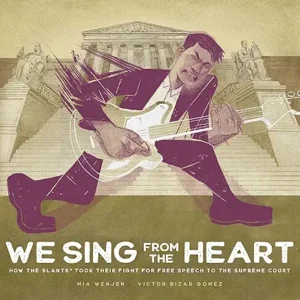
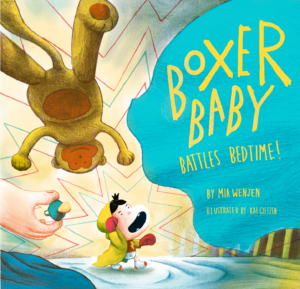
Mia Wenjen, known for her prolific contributions to multicultural children’s literature—including Fortune Cookies for Everyone!, The Traveling Taco, and We Sing from the Heart—has consistently championed stories that highlight diverse changemakers. In discussions surrounding her biographical works, Wenjen emphasizes that children are fully capable of grasping complex historical realities when presented with authentic human emotions.
By focusing on Kochiyama’s reliance on letters, Wenjen anchors a sweeping historical movement in an intimate, tactile medium that modern children can understand: the act of writing a message to a friend. The motif of the postcard and the letter bridges the gap between historical figures separated by decades and contemporary students navigating their own roles in society.
The Visual Narrative: Keith Henry Brown
Illustrator Keith Henry Brown (noted for his work on Pushing Hope) utilizes loose ink washes and vibrant watercolors to construct a visual world that feels both historically grounded and emotionally immediate. In interviews and promotional Q&As, Brown has noted that his artistic choices were designed to mirror the fluidity and warmth of Kochiyama and Malcolm X’s correspondence. Rather than relying on rigid, sterile historical illustrations, Brown’s artwork breathes with movement, reflecting the urgency of street protests, the warmth of Harlem community life, and the quiet intimacy of writing letters at a wooden desk.
Future Outlook: Educational Integration and Long-Term Legacy
As Postcards from Malcolm X makes its way into classrooms, libraries, and home bookshelves across the country, its long-term impact on youth literacy and civic education is poised to be significant.
Bridging Generational and Cultural Divides in Education
Modern educational standards increasingly emphasize intersectional histories, requiring curricula that move beyond monolithic portrayals of historical eras. Postcards from Malcolm X serves as an ideal pedagogical tool for middle-school social studies and language arts classrooms. By illustrating how an ordinary citizen—radicalized by personal loss and sustained by intellectual curiosity—could forge alliances across racial and ethnic lines, the book provides a masterclass in coalition-building.
Expanding the Multicultural Canon
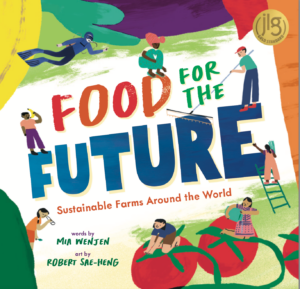
Mia Wenjen’s robust catalog of biographical and cultural non-fiction demonstrates a sustained commitment to filling historical gaps in children’s publishing. From examining the legal battles of artistic free speech in We Sing from the Heart to celebrating sustainable agricultural practices in Food for the Future, Wenjen’s work consistently encourages young readers to question institutional norms and advocate for justice.
Postcards from Malcolm X stands out as a high-water mark in this mission. Supported by glowing notices from Publishers Weekly, Kirkus, and School Library Journal, the book ensures that Yuri Kochiyama’s legacy of resistance, empathy, and letter-writing advocacy will continue to inspire new generations of human rights champions for years to come.





Comments
Facebook App ID not configured. Please add it in the Customizer.