

Executive Overview
Few cultural phenomena in contemporary television match the meteoric rise, global reach, and emotional intensity of the Korean drama (K-drama) industry. Driven by high production values, universally relatable emotional cores, and magnetic star power, these series have transitioned from a regional export to a dominant force in international pop culture. Yet, the medium suffers from an acute narrative vulnerability: the paradox of the brilliant premiere followed by a confounding, momentum-losing finale.
For the dedicated K-drama fan, few experiences match the frustration of investing sixteen to twenty hours into a series boasting a high-concept premise, only to watch the narrative unravel under the weight of overcomplicated plotlines, underdeveloped character arcs, abrupt tonal shifts, and unresolved loose ends. While the industry frequently justifies narrative deviations as bold artistic choices or fan-service concessions, the resulting conclusions often leave audiences deeply polarized.
This investigative review examines five prominent K-dramas whose exceptional openings gave way to storytelling decisions that fractured their viewership. By dissecting the structural flaws, genre pivots, and pacing anomalies of When the Phone Rings, Dynamite Kiss, Memories of the Alhambra, Queen of Tears, and Twenty-Five Twenty-One, this article explores how creative ambition can occasionally undermine narrative coherence in modern television writing.
Read Also
Detailed Chronology: Five Series That Stumbled at the Finish Line
1. When the Phone Rings (2024): The Psychological Thriller That Swapped Tension for Territory
- Starring: Yoo Yeon-seok, Chae Soo-bin
- Premise: A cold, emotionally distant couple bound by a transactional marriage finds their quiet misery upended by a mysterious, threatening phone call.
The Promising Beginning
When the Phone Rings initially established itself as a masterclass in psychological suspense, wrapped tightly within the harrowing confines of a dead marriage. The early episodes brilliantly leveraged the eerie silence of Hong Hee-joo against the icy, calculating demeanor of Baek Sa-eon. The premise offered fertile ground for a gritty, uncompromising exploration of power dynamics, marital resentment, and deeply buried secrets, setting a high benchmark for contemporary thriller-romances.
The Decisive Shift
As the series progressed, the narrative executed a sharp pivot away from dark psychological realism toward conventional romantic melodrama. Sa-eon’s chilling behaviors were progressively reframed through the lens of misunderstood, concealed devotion. This softening of the central conflict alienated viewers who had signed on for a high-stakes psychological game.

Worse still, the narrative scope expanded haphazardly. Introducing kidnapping conspiracies and abruptly relocating the search for a missing spouse into a dangerous war-zone setting stretched suspension of disbelief past its breaking point. While the central mystery of the phone calls retained a baseline of intrigue, the later acts failed to sustain the focused, claustrophobic dread that made the pilot episodes so magnetic.
2. Dynamite Kiss (2025): When Overcrowded Tropes Drowned a Workplace Romance
- Starring: Jang Ki-yong, Kim Ji-an
- Premise: A meticulous team leader becomes obsessed with a mysterious woman he meets in Jeju, unaware that she has assumed a false identity as a married mother to secure a job at his company.
The Promising Beginning
Dynamite Kiss entered the broadcast schedule as a breath of fresh air, embracing the lighthearted, low-stakes mechanics of classic workplace romantic comedies. Driven by playful misunderstandings, crackling romantic tension, and the charming desperation of Go Da-rim navigating her fabricated identity, the early chapters offered an appealing antidote to the densely plotted, tragedy-laden dramas saturating the market.
The Decisive Shift
Rather than trusting the organic friction of its core romance, the writing team succumbed to narrative bloat. In an apparent bid to escalate stakes, the final third of the series crammed in an unmanageable suite of tropes: sudden kidnappings, arson plots, fabricated financial ruin, and a late-stage amnesia arc.
These high-octane developments competed destructively for screen time, completely overshadowing the workplace dynamics that initially hooked the audience. A rushed final-act reunion and hasty time-jump denied viewers the emotional payoff they had patiently awaited. The series serves as a cautionary tale proving that accumulating crises is a poor substitute for genuine character development.
3. Memories of the Alhambra (2018): The Augmented-Reality Thriller That Lost Its Borders
- Starring: Hyun Bin, Park Shin-hye
- Premise: A visionary technology executive travels to Spain to acquire a revolutionary augmented-reality (AR) video game, only to find that its in-game bugs have lethal, real-world consequences.
The Promising Beginning
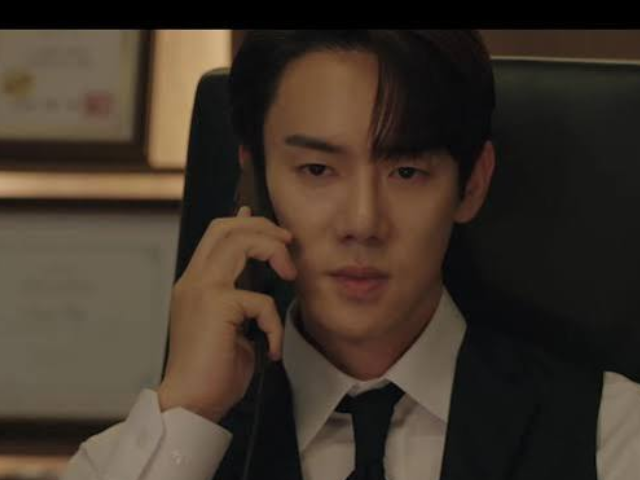
Memories of the Alhambra arrived with staggering ambition, helmed by heavy-hitter leads and an innovative sci-fi concept. The atmospheric Spanish backdrop, combined with the terrifying proposition of a video game bleeding into corporeal reality, gave the opening episodes an intoxicating, cinematic edge. The mechanics of the AR world felt fresh, dangerous, and pregnant with infinite narrative possibilities.
The Decisive Shift
The ingenuity of the premise ultimately became its undoing. As the runtime expanded, the AR mechanics grew repetitive, relying on endless loops of combat encounters that diluted the chilling sense of mortality established early on. Furthermore, the narrative sidelining of Park Shin-hye’s character, Jung Hee-joo, created a glaring imbalance in the emotional core of the show.
The climax ultimately collapsed under its own speculative weight, delivering an ambiguous, wide-open finale that left fundamental plot mechanics unresolved. While celebrated as a bold technological experiment, the series left audiences feeling cheated out of a definitive structural resolution.
4. Queen of Tears (2024): Melodrama Overshadowed by Perpetual Crisis
- Starring: Kim Soo-hyun, Kim Ji-won
- Premise: A desperate, unhappily married couple on the brink of divorce finds their plans upended by a devastating medical diagnosis and a corporate power struggle.
The Promising Beginning
Queen of Tears became a cultural juggernaut by taking well-worn tropes—chaebol wealth, terminal illness, and marital estrangement—and injecting them with sharp wit and raw emotional vulnerability. The juxtaposition of Baek Hyun-woo’s humble background against Hong Hae-in’s suffocating family dynasty provided brilliant comedic relief, while their shared, painful history anchored the romance in profound emotional truth.
The Decisive Shift
The series crippled its own momentum by leaning excessively into cartoonish villainy and relentless, cascading emergencies. The malicious schemes of antagonist Yoon Eun-sung, coupled with absurd corporate betrayals and a post-surgery memory-loss arc, trapped the protagonists in a cyclical loop of suffering.
By the time the series reached its sprawling final episodes, it had abandoned intimate character exploration in favor of melodramatic exhaustion. While the eventual time-jump offered sweet closure for some, many viewers felt the relentless onslaught of artificial crises cheapened the authentic marital reconciliation the show deserved.
5. Twenty-Five Twenty-One (2022): The Coming-of-Age Masterpiece That Challenged Convention
- Starring: Kim Tae-ri, Nam Joo-hyuk
- Premise: Set against the backdrop of the 1998 IMF crisis, an ambitious young fencer and a ruined chaebol heir navigate the intoxicating, painful trajectory of youth, ambition, and first love.
The Promising Beginning
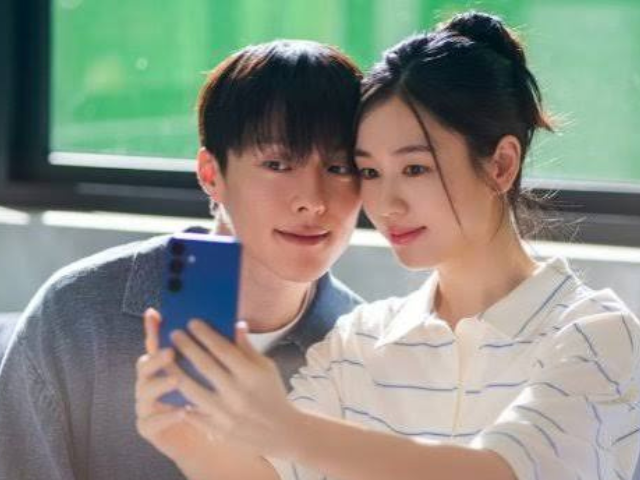
Twenty-Five Twenty-One is widely regarded as one of the most evocative, nostalgic coming-of-age narratives in television history. The sparkling chemistry between Kim Tae-ri and Nam Joo-hyuk, supported by a rich ensemble of friendships and the gritty determination of the fencing subplots, captured the visceral intensity of growing up with startling authenticity.
The Decisive Shift
Unlike the previous entries, whose stumbles stemmed from narrative bloat or genre betrayal, Twenty-Five Twenty-One polarized audiences through a deliberate thematic choice: refusing a conventional happy ending. Framed through the framing device of an adult Hee-do recalling her past, viewers were steered toward a specific emotional expectation.
Instead of a fairytale reunion, the final episodes depicted the slow, agonizing erosion of Hee-do and Yi-jin’s relationship due to distance, career pressures, and historical circumstance. While artistically defensible as a commentary on the fleeting nature of first loves, the suddenness of the breakup alienated a massive segment of the audience. It remains the ultimate industry case study of how a realistic ending can alienate fans who view television as an emotional sanctuary.
Supporting Context & Metrics: The Anatomy of a K-Drama Disconnect
The phenomenon of divisive K-drama endings is not merely a subjective critique; it is deeply intertwined with the industrial realities of modern television production. Understanding why these narrative fractures occur requires analyzing the structural pressures placed on creators.
| Drama Title | Primary Genre | Critical Consensus on Premiere | Audience Reception of Finale | Core Structural Issue |
|---|---|---|---|---|
| When the Phone Rings | Psychological Thriller / Romance | Highly Engaging | Divided | Abrupt genre pivot from thriller to war-zone melodrama. |
| Dynamite Kiss | Workplace Romantic Comedy | Charming & Refreshing | Polarized | Narrative overcrowding (kidnappings, amnesia, fires). |
| Memories of the Alhambra | Sci-Fi Fantasy / Thriller | Visually Impressive | Frustrated | Repetitive mechanics and unresolved logical loops. |
| Queen of Tears | Melodrama / Romance | Critically Acclaimed | Mixed | Overreliance on repetitive antagonist schemes and medical tropes. |
| Twenty-Five Twenty-One | Coming-of-Age / Romance | Universally Praised | Deeply Polarized | Unconventional bittersweet breakup bypassing narrative expectations. |
The Production Pressure Cooker
Unlike Western streaming series that operate on strict, pre-written seasonal models, many Korean dramas maintain semi-live shooting schedules (saebyeok-yak). While major platforms like Netflix and Disney+ have shifted toward pre-produced formats, broadcast television and streaming hybrids are still heavily influenced by real-time viewer ratings (sicheongnyul), social media sentiment, and network interference.

When a series experiences unexpected traction, writing teams are frequently pressured to extend subplots, introduce high-stakes antagonists, or inject sensational plot devices (such as memory loss or sudden time-jumps) to maximize engagement. Conversely, if public sentiment turns critical, rushed rewrites can completely derail the intended thematic trajectory, resulting in the disjointed finales observed in shows like Dynamite Kiss and When the Phone Rings.
Official Statements & Industry Perspectives
Industry professionals and critics have increasingly spoken out regarding the systemic pressures governing K-drama writing rooms.
In a recent panel discussion on contemporary media writing in Seoul, veteran television critic Park Sung-jin noted the psychological trap facing creators:
"There is an invisible terror in the modern writer’s room. When your opening week breaks viewership records, the mandate shifts instantly from ‘tell the story you designed’ to ‘protect the metric at all costs.’ Writers begin adding villains they never intended, creating obstacles that actively contradict character growth. We sacrifice narrative integrity for short-term emotional spikes."
Similarly, production executives have defended the inclusion of high-concept twists, arguing that international streaming audiences demand relentless stimulation. An anonymous showrunner associated with major streaming platforms remarked:

"Global viewers consume content at an unprecedented velocity. If a narrative lingers too long in quiet emotional beats, drop-off rates spike. Sometimes, introducing dramatic escalation—even if it strains internal logic—is the calculated price of maintaining global retention across sixteen episodes."
Future Outlook: Whither the K-Drama Narrative?
As the global appetite for Korean content continues to expand into unprecedented territories, the pressure on creators to innovate while maintaining structural discipline has never been higher. The successes and missteps of series like Queen of Tears and Twenty-Five Twenty-One offer invaluable lessons for the next generation of storytellers.
The future of the medium likely lies in the gradual abandonment of the rigid 16-episode format in favor of tighter, pre-produced seasonal structures (ranging from 6 to 10 episodes), a model increasingly embraced by platforms seeking cinematic precision over broadcast padding. By decoupling writers from real-time rating pressures and live-shooting exhaustion, the industry can minimize the narrative whiplash that currently plagues so many high-concept premises.
Ultimately, viewers will always forgive an unconventional or tragic ending if it honors the thematic architecture of the story that came before it. The enduring frustration with divisive K-drama finales is not a rejection of unhappy outcomes, but a plea for narrative honesty. As global audiences grow increasingly sophisticated, the most successful series of tomorrow will be those that possess the courage to trust their initial premise all the way to the final frame.



Comments
Facebook App ID not configured. Please add it in the Customizer.