In an era dominated by hyper-curated social media feeds, narrow societal beauty standards, and pervasive wellness culture, teaching children to develop a healthy, resilient relationship with their physical selves has never been more critical. Long before adolescence brings complex emotional and physical transitions, young children absorb subtle and overt messages about what constitutes a "good" or "beautiful" body from their families, peers, media, and school environments.
To combat body dissatisfaction, fatphobia, ableism, and narrow cultural metrics of attractiveness, children’s literature has increasingly turned toward radical inclusivity, intersectional body positivity, and self-acceptance. Inspired by Susan Verde’s poignant picture book Body Beautiful, this curated collection explores powerful stories that validate diverse bodies, dismantle stereotypes, and offer young readers the tools needed for robust self-esteem. Designed for parents, educators, and librarians seeking developmentally appropriate resources, this guide covers picture books, middle-grade novels, and conversation-starters tailored for children ages two and up.
Detailed Chronology and Review of Recommended Titles
Children begin internalizing body image messages much earlier than many adults realize. To address these evolving developmental stages, the following literary works are categorized by theme, target age, and pedagogical approach.
1. Early Childhood: Laying the Foundation for Acceptance (Ages 2 and Up)
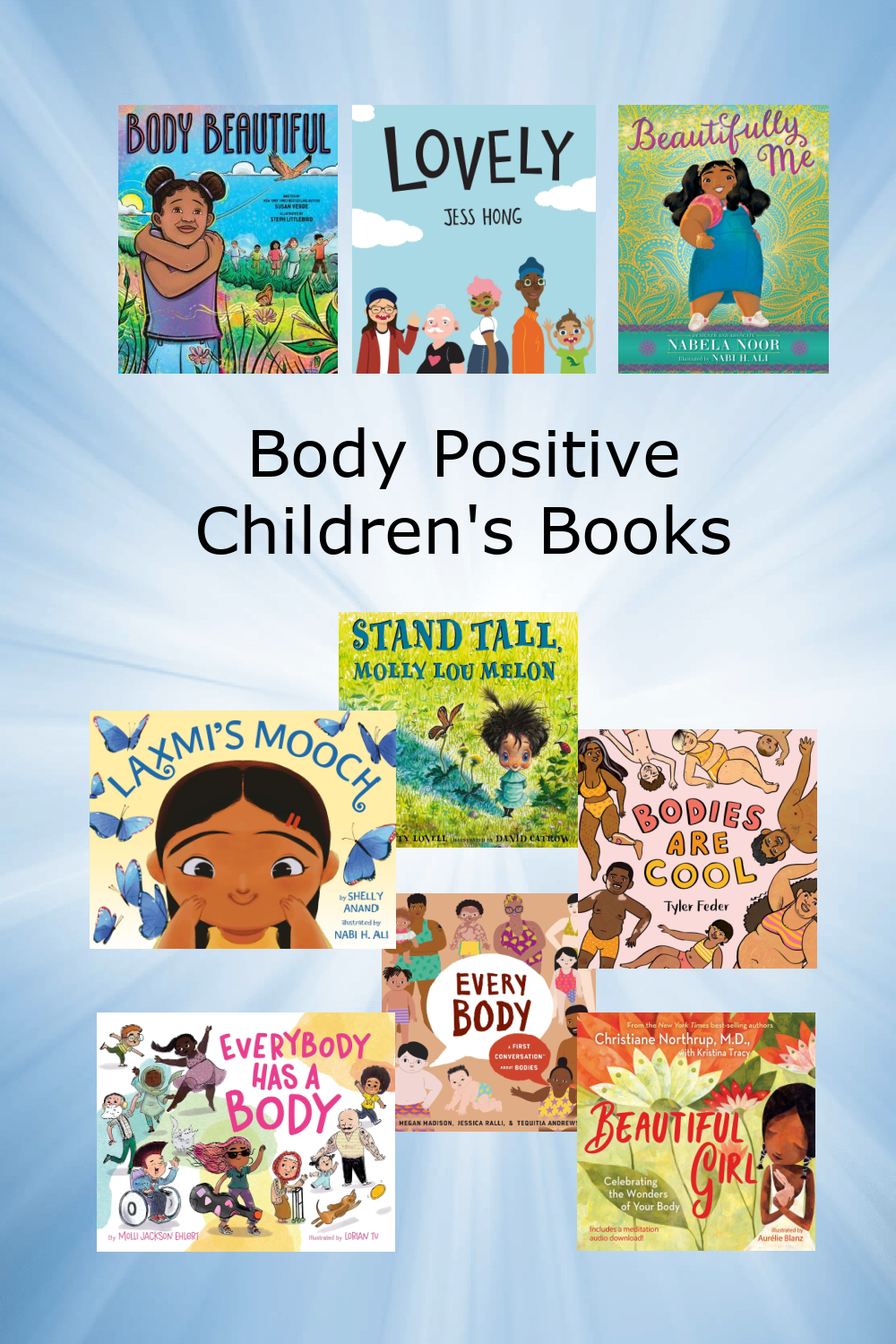
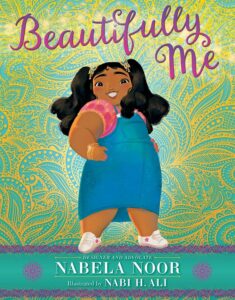
Beautifully Me by Nabela Noor, illustrated by Nabi H. Ali
Synopsis: It’s Zubi’s first day of school, and her excitement sours when she overhears negative self-talk from her family members regarding their bodies and weight. At school, a classmate makes a cutting remark about clothing fit. Devastated, Zubi attempts to go on a diet, shocking her family into realizing the destructive cycle of their behavior. Her family apologizes, reframes their language, and reminds Zubi that her name translates to "loving and understanding." Zubi heads into her second day of school ready to spread positivity.
Core Message: Interrupting generational body-shaming and cultivating healthy domestic dialogue.
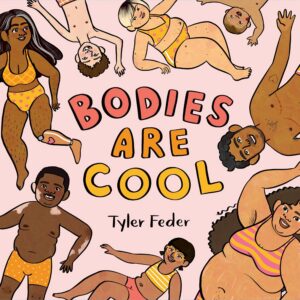
Bodies Are Cool by Tyler Feder
Synopsis: An exuberant, highly inclusive picture book that serves as the ultimate read-aloud. It sweeps across a vast spectrum of human forms—embracing stretch marks, body hair, scars, limb differences, skin tones, and body sizes with unbridled joy.
Core Message: Normalizing physical diversity and transforming body-positivity into a joyful communal chant.
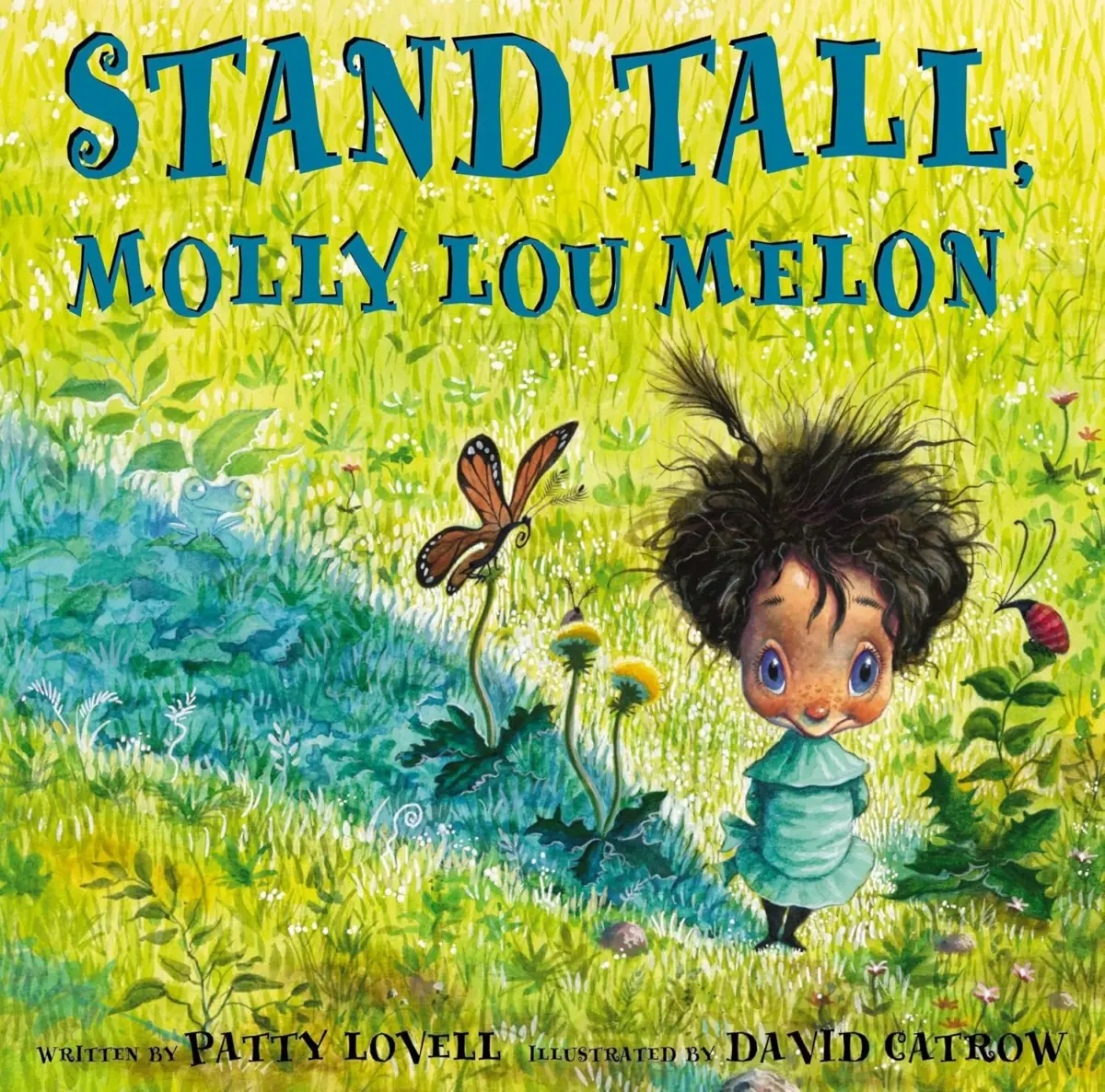
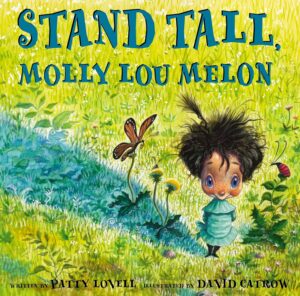
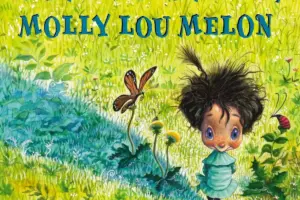
Stand Tall, Molly Lou Mellon by Patty Lovell, illustrated by David Catrow
Synopsis: Empowered by her grandmother’s wisdom, short-statured, buck-toothed, and deep-voiced Molly Lou Melon faces a school bully with unshakeable self-assurance. By keeping her signature smile and strong voice, she wins over her peers and disarms her antagonist.
Core Message: Turning perceived "flaws" into sources of unique strength and resilience.
2. Expanding Conversations: Disability Justice and Functional Diversity (Ages 3–4 and Up)
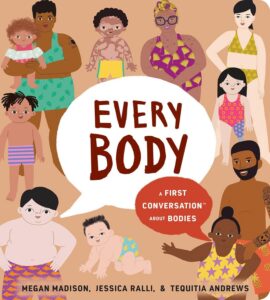
Every Body: A First Conversation about Bodies by Megan Madison and Jessica Ralli, illustrated by Tequitia Andrews
Synopsis: A direct, didactic board/picture book designed specifically for preschoolers. It tackles sophisticated social justice concepts—including ableism, body diversity, disability justice, fatphobia, and body affirmation—in a way that young minds can easily digest.
Core Message: Providing adults with precise, inclusive vocabulary to discuss systemic body inequality with young children.
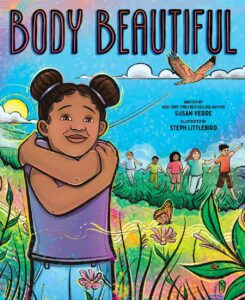
Body Beautiful by Susan Verde, illustrated by Steph Littlebird
Synopsis: This foundational text encourages readers to evaluate their physical forms through the lens of functionality, expression, and wisdom rather than aesthetic conformity.
Core Message: Countering the narrow beauty ideals pushed by digital media by focusing on what bodies do for us.
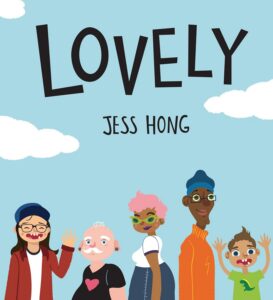
Lovely by Jess Hong
Synopsis: Utilizing sparse, powerful text and bright illustrations, this book champions a wide, boundary-pushing definition of "lovely" that explicitly includes everyone who might be deemed "different" or "weird."
Core Message: Redefining beauty as an expansive, universal trait.
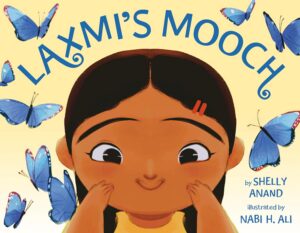
Laxmi’s Mooch by Shelly Anand, illustrated by Nabi H. Ali
Synopsis: When classmates tease Laxmi for having a mustache, she feels intense embarrassment. Back home, her supportive parents normalize facial and body hair for everyone. Armed with this perspective, Laxmi returns to school the next day to educate her peers.
Core Message: Normalizing natural human variations like body hair and fighting gendered grooming expectations.
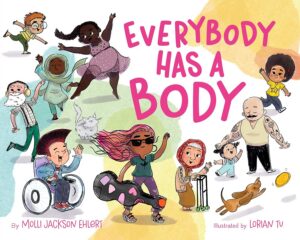
Every Body Has a Body by Molli Jackson Ehlert, illustrated by Lorian Tu
Synopsis: Shifting the focus entirely away from physical appearance, this book highlights what bodies do—such as moving us through the world, dancing, resting, and experiencing sensations.
Core Message: Shifting a child’s focus from aesthetic valuation to functional appreciation.
3. Growth Mindset, Culture, and Identity (Ages 4–5 and Up)
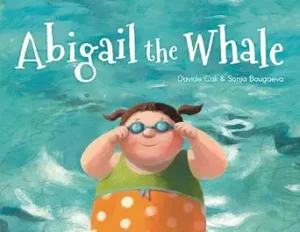
Abigail the Whale by Davide Cali, illustrated by Sonja Bougaeva
Synopsis: Teased in swim class for making a big splash, Abigail believes she is too heavy to swim. Her coach introduces her to the power of imaginative reframing: to feel light, she must think light—like a fish or a bird. Abigail applies this mindset shift across various scenarios, from gym class to medical visits.
Core Message: Harnessing the power of positive thinking, creativity, and cognitive reframing.
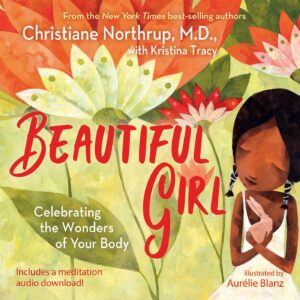
Beautiful Girl: Celebrating the Wonders of Your Body by Christiane Northrup, M.D., and Kristina Tracy, illustrated by Aurelie Blanz
Synopsis: Acting as an introductory, gentle guide to body appreciation for young girls, this book utilizes inspirational metaphors to help children process the natural wonders and changes of growing up.
Core Message: Fostering body literacy and physiological appreciation early in life.
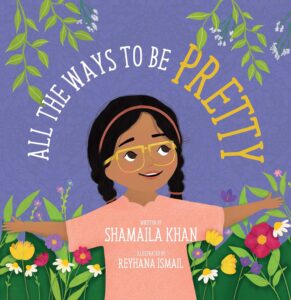
All the Ways to Be Pretty by Shamila Khan, illustrated by Reyhana Ismail
Synopsis: Written specifically to help Muslim parents guide their daughters, this book redefines beauty away from external attributes toward internal virtues like intelligence, bravery, piousness, resilience, and kindness.
Core Message: Elevating spiritual and moral character as the true markers of beauty.
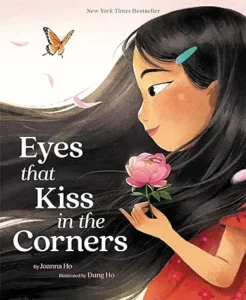
Eyes that Kiss in the Corners by Joanna Ho, illustrated by Dung Ho
Synopsis: A young Taiwanese girl realizes her eyes differ from those around her, mirroring the powerful women in her family—her mother, grandmother, and sister. Drawing strength from her heritage, she rejects eurocentric beauty standards and embraces her unique identity.
Core Message: Honoring cultural heritage and dismantling eurocentric beauty ideals.
The Big Bath House by Kyo Maclear, illustrated by Gracey Zhang
Synopsis: Following a visit to a traditional Japanese public bathhouse, the narrator celebrates women of all ages—from gangly youth to jiggly, saggy, and ancient bodies—soaking together in joyful harmony.
Core Message: Intergenerational body appreciation and cultural celebration.
The Ouchiest Words by Debbie Min, illustrated by Putri Ayu Sekarmentari
Synopsis: Nari faces targeted anti-Asian bullying, including racist gestures and hurtful remarks. Inspired by a classmate who ignores similar abuse, Nari learns to counter bullying using positive self-talk and verbal boundaries.
Core Message: Equipping children with coping mechanisms against targeted racial harassment and building allyship.
4. Advanced Concepts for Older Readers (Ages 5–8 and Up)
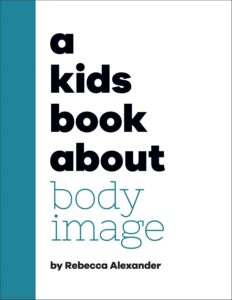
A Kids Book About Body Image by Rebecca Alexander
Synopsis: Written by the founder of AllGo (a platform rating public spaces for plus-size comfort), this non-illustrated book is meant for joint adult-child reading. Alexander candidly discusses her own struggles with weight, body image, and advertising pressures.
Core Message: Radical self-acceptance and navigating external societal pressures with honesty.
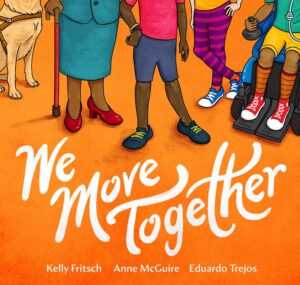
We Move Together by Kelly Fritsch and Anne McGuire, illustrated by Eduardo Trejos
Synopsis: Grounded in disability justice frameworks, this book explores accessibility, ableism, and community solidarity, emphasizing that human worth is not tied to physical uniformity.
Core Message: Advocating for an inclusive society that leaves no body behind.
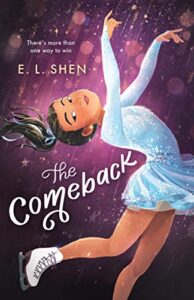
The Comeback: A Figure Skating Novel by E. L. Chen (Middle Grade, Ages 8+)
Synopsis: Maxine navigates the high-pressure world of competitive figure skating while struggling with cultural expectations around her appearance, leading her to harmful extremes to alter her eyelids. With the support of mentors and swift disciplinary action against bullying, she finds a path toward authentic self-worth.
Core Message: Intersectional pressures in youth sports and the journey toward cultural self-acceptance.
Supporting Context and Metrics: The State of Child Body Image
Recent psychological studies underline the urgency of introducing body-positive literature early in a child’s development:
Early Onset: Research published by the American Psychological Association indicates that children as young as six years old can express concerns about their weight or body shape.
Media Saturation: Pediatric health organizations note that children average hours of screen time daily, exposing them to heavily filtered, idealized body representations that distort natural developmental milestones.
The Protective Power of Reading: Shared reading sessions between adults and children create a safe psychological container where difficult topics—such as disability, race, body size, and mental health—can be discussed without shame. Books act as "mirrors and windows," allowing children to see their own lived experiences validated while building empathy for others.
Expert Perspectives and Official Statements
Child development specialists and authors emphasize that prevention is the most effective tool against eating disorders and chronic body dissatisfaction.
"A beautiful person is someone who embraces who they are and helps others do the same." — Nabela Noor, author of Beautifully Me
"All bodies are unique and essential. All bodies are whole. We are powerful not despite the complexities of our bodies, but because of them." — Disability Justice Framework (as cited in We Move Together by Kelly Fritsch and Anne McGuire)
Mental health professionals consistently advocate for "neutralizing" language around food and bodies in domestic settings. Rather than praising a child for looking "thin" or criticizing family members for weight gain, experts recommend focusing conversations on strength, capability, and emotional well-being—themes heavily reinforced by the literary selections in this guide.
Future Outlook: Building a Culture of Acceptance
As authors, illustrators, and publishers continue to break new ground in children’s literature, the narrative surrounding the human body is shifting from one of judgment to one of celebration. The integration of intersectional stories—covering race, size, neurodiversity, and physical ability—ensures that every child can find validation within the pages of a book.
Parents and educators play a pivotal role in this ecosystem. By actively curating bookshelves that feature diverse physical forms, challenging everyday microaggressions, and modeling compassionate self-talk, adults can help raise a generation that views their bodies not as projects to be fixed, but as magnificent vessels for living, learning, and changing the world.











Comments
Facebook App ID not configured. Please add it in the Customizer.