

Executive Overview
Eighty-one years have passed since the atomic bombings of Hiroshima and Nagasaki in August 1945, a critical juncture in world history that fundamentally altered the trajectory of human civilization. As the globe marks this solemn anniversary, a profound demographic reality threatens our collective memory: the living witnesses—the hibakusha, or atomic bomb survivors—are rapidly fading from the earth. With their passing, the world risks losing the immediate, firsthand emotional and historical weight of the only wartime uses of nuclear weapons ever recorded.
In an era defined by geopolitical instability, rapidly modernizing nuclear arsenals, and a steady erosion of decades-old arms control treaties, the risk of a nuclear catastrophe is paradoxically rising. The imperative to remember, document, and share the realities of August 1945 has never been more urgent. Across the globe, educational advocates, cultural historians, and advocacy organizations like the Nuclear Threat Initiative (NTI) are partnering with descendants of survivors to ensure that Nagasaki—and Hiroshima—remain the first and last cities to suffer such devastation.
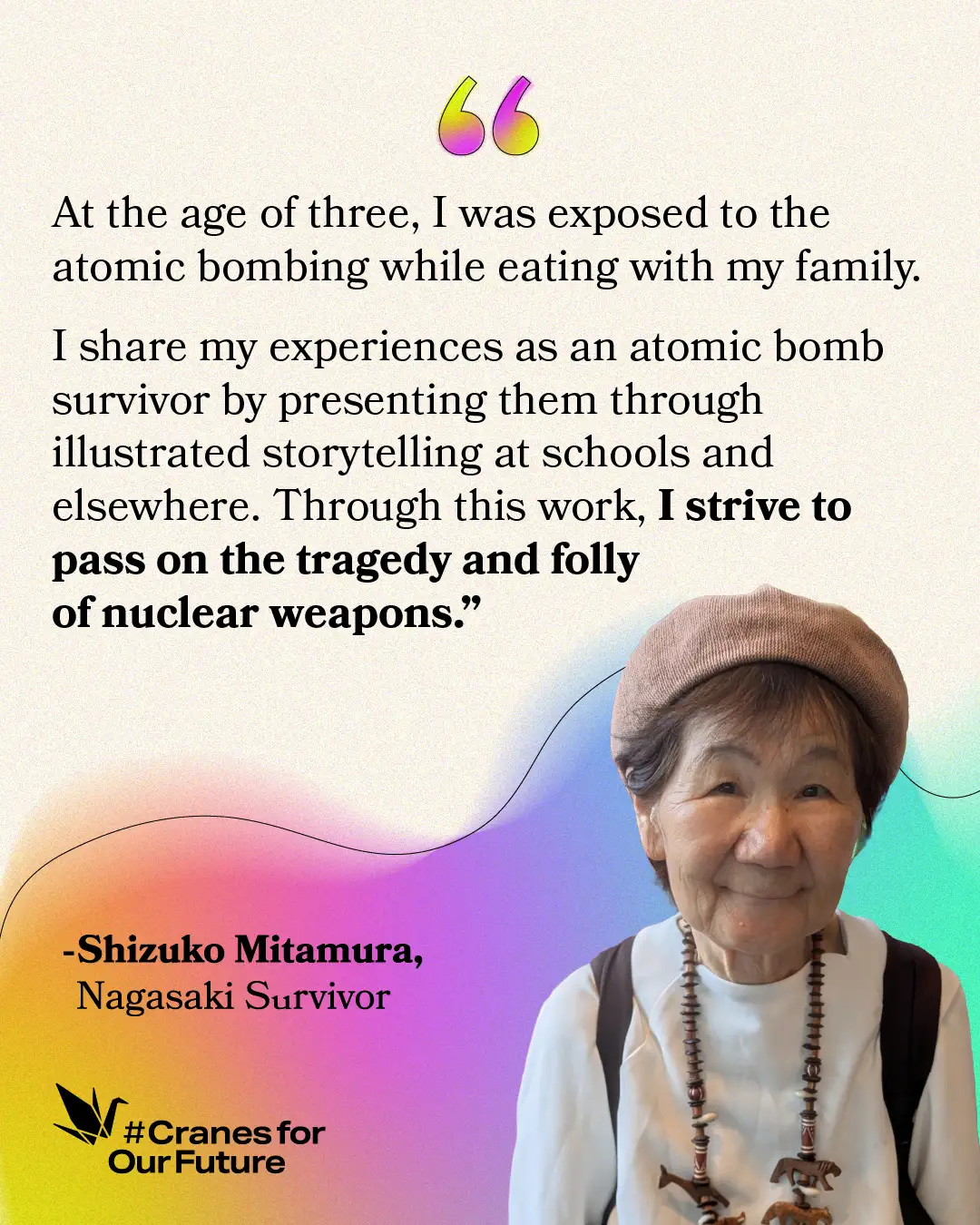
This special report examines the historical timeline of the bombings, the deeply personal legacy carried by families of survivors, the pedagogical tools utilized to teach succeeding generations about this dark chapter, and the vital global security measures required to prevent future nuclear devastation.
Read Also
Detailed Chronology: The Summer of 1945
To fully grasp the magnitude of the nuclear age, one must revisit the precise sequence of events that transformed Hiroshima and Nagasaki from bustling Japanese urban centers into sites of unimaginable human catastrophe.

The Buildup and the Decision
By the summer of 1945, World War II in Europe had drawn to a close with the surrender of Nazi Germany in May. However, the Pacific War raged on, characterized by fierce, protracted island-hopping campaigns in the Pacific theater and the looming prospect of a mainland invasion of Japan (Operation Downfall), which military planners estimated would result in hundreds of thousands of Allied casualties and millions of Japanese casualties.
Operating under strict military secrecy, the United States, in collaboration with the United Kingdom and Canada under the Manhattan Project, had successfully developed the world’s first operational atomic bombs. President Harry S. Truman, who assumed office following the death of Franklin D. Roosevelt in April 1945, authorized the deployment of the weapons to bring a swift end to the war.

August 6, 1945: Hiroshima
At 8:15 a.m. local time, the B-29 bomber Enola Gay, piloted by Colonel Paul Tibbets, released "Little Boy"—a uranium-235 gun-type atomic bomb—over the city of Hiroshima. Detonating approximately 1,900 feet above the city center, the bomb unleashed a blast equivalent to roughly 15 kilotons of TNT.
The immediate effects were catastrophic. A blinding flash of thermal radiation, estimated to reach temperatures of several million degrees Celsius, vaporized individuals near the hypocenter. A supersonic shockwave flattened buildings across a 4-square-mile radius, sparking a massive city-wide firestorm. Within seconds, tens of thousands of people were killed outright. By the end of 1945, the death toll in Hiroshima climbed to an estimated 140,000 due to severe burns, blast injuries, and the onset of acute radiation sickness.

August 9, 1945: Nagasaki
Just three days later, before the Japanese government could fully process the unprecedented nature of the Hiroshima attack, a second mission was launched. The B-29 bomber Bockscar, piloted by Major Charles Sweeney, targeted the industrial city of Kokura. Obscured by heavy clouds and smoke, the aircraft diverted to its secondary target: Nagasaki.
At 11:02 a.m., "Fat Man"—a plutonium-239 implosion-type atomic bomb yielding approximately 21 kilotons—was detonated over Nagasaki’s industrial valley. Although the surrounding terrain mitigated some of the blast’s spread compared to the flat geography of Hiroshima, the hilly landscape channeled the thermal wave and radiation, devastating specific neighborhoods. An estimated 70,000 to 80,000 people died by the end of the year from the immediate and secondary impacts of the explosion.

The Surrender
The twin bombings, compounded by the Soviet Union’s declaration of war on Japan on August 8, shattered the Japanese military leadership’s resolve. On August 15, Emperor Hirohito announced Japan’s surrender via radio broadcast (the Jewel Voice Broadcast), leading to the formal signing of the instrument of surrender aboard the USS Missouri on September 2, 1945, effectively ending World War II.
Supporting Context & Metrics: The Human and Environmental Toll
The legacy of Hiroshima and Nagasaki cannot be fully understood through statistics alone, yet the data underscores the unprecedented nature of atomic warfare.

The Anatomy of Injury
The physical devastation wrought by nuclear weapons differs fundamentally from conventional warfare. The casualties can be categorized into distinct phases:
- Thermal Radiation: Burns accounted for the majority of immediate injuries. Individuals miles away from the hypocenter suffered severe flash burns, and clothing patterns were often literally scorched into human skin.
- Blast Pressure: The atmospheric overpressure collapsed buildings, creating lethal debris fields and causing internal organ ruptures.
- Ionizing Radiation: Those who survived the initial blast and thermal wave were subjected to high doses of radiation. Symptoms manifested as acute radiation syndrome (ARS)—characterized by nausea, hair loss, internal bleeding, and immune system collapse. In the decades that followed, survivors experienced elevated rates of leukemia, thyroid cancer, and other malignancies, as well as psychological trauma known as hibakusha stigma, which impacted marriage and employment prospects in post-war Japan.
Demographic Realities of the Survivors
Eighty-one years after the bombings, the surviving population is aging rapidly. According to data from Japan’s Ministry of Health, Labour and Welfare, the average age of certified hibakusha now exceeds 85 years. As these living testaments to the horrors of nuclear conflict pass away, the global community faces an unprecedented historical deficit. The responsibility of keeping their testimonies alive has increasingly fallen to their children, grandchildren, and international civil society organizations dedicated to non-proliferation.

Official Statements and Institutional Perspectives
As the geopolitical landscape grows increasingly tense, global leaders, humanitarian organizations, and cultural figures have utilized the anniversary of the bombings to issue stark warnings regarding the state of modern nuclear arsenals.
The Perspective of Descendants and Cultural Advocates
Descendants of survivors often carry a unique, generational duty to share these histories. Writers, educators, and artists with familial roots in Hiroshima frequently emphasize that the narrative of 1945 is not merely a historical artifact, but a warning for contemporary society.

Writers and cultural advocates collaborating with groups like the Nuclear Threat Initiative (NTI) have underscored the importance of grassroots storytelling. By uplifting the words of aging survivors, these initiatives bridge the gap between abstract geopolitical discussions and the visceral human reality of nuclear war. "When we lose the living witnesses, we lose our primary emotional anchor against complacency," notes a prominent advocate for historical preservation and multicultural education. "It is up to the global community to ensure that future generations never lose sight of the human toll of these weapons."
International Security and Non-Proliferation Organizations
Organizations such as the NTI, along with the United Nations Office for Disarmament Affairs (UNODA), regularly utilize August anniversaries to highlight the precarious state of global arms control. With the expiration or suspension of major bilateral treaties between major nuclear powers—such as the Strategic Arms Reduction Treaty (New START) framework—and the modernization programs underway in multiple nuclear-armed states, international watchdogs warn that the risk of accidental or intentional nuclear escalation is at its highest point since the Cold War.

Future Outlook: Education, Advocacy, and the Path Forward
Preventing a recurrence of Hiroshima and Nagasaki requires a multi-pronged approach encompassing education, public diplomacy, and rigorous policy frameworks aimed at disarmament.
Educating the Next Generation
A critical component of preventing nuclear catastrophe lies in pedagogical approaches that introduce these complex histories to young people with empathy and historical accuracy. Educators utilize literature, historical archives, and interactive arts—such as the traditional Japanese art of origami crane folding, popularized by the legacy of Sadako Sasaki—to teach children about peace, resilience, and the devastating consequences of war.

A growing body of children’s literature, multicultural reading lists, and teacher resource guides dedicated to the history of Hiroshima, Nagasaki, and Asian American experiences provides classrooms with the tools necessary to foster critical thinking and global empathy. By engaging students early through age-appropriate narratives, educators build a foundational commitment to peace and international cooperation.
Policy and Global Governance
On a geopolitical level, the future outlook depends heavily on the revival of diplomatic channels between nuclear-armed nations. Key policy recommendations from global security experts include:

- Recommitment to Arms Control: Establishing new bilateral and multilateral frameworks to cap and reduce strategic and tactical nuclear stockpiles.
- Risk Reduction Measures: Implementing robust communication channels and crisis management protocols between nuclear-armed states to prevent miscalculations.
- Support for the Treaty on the Prohibition of Nuclear Weapons (TPNW): Encouraging broader international dialogue regarding the total delegation and elimination of nuclear arsenals.
Conclusion
Eighty-one years after the skies over Hiroshima and Nagasaki were forever altered, the mandate left by the hibakusha remains clear: nuclear weapons must never be used again. As the living memory of 1945 transitions from personal testimony to historical legacy, the global community must redouble its efforts in education, remembrance, and diplomatic engagement. Only through unwavering vigilance and a collective commitment to human survival can humanity ensure that Nagasaki and Hiroshima remain the final chapters of nuclear warfare.





Comments
Facebook App ID not configured. Please add it in the Customizer.