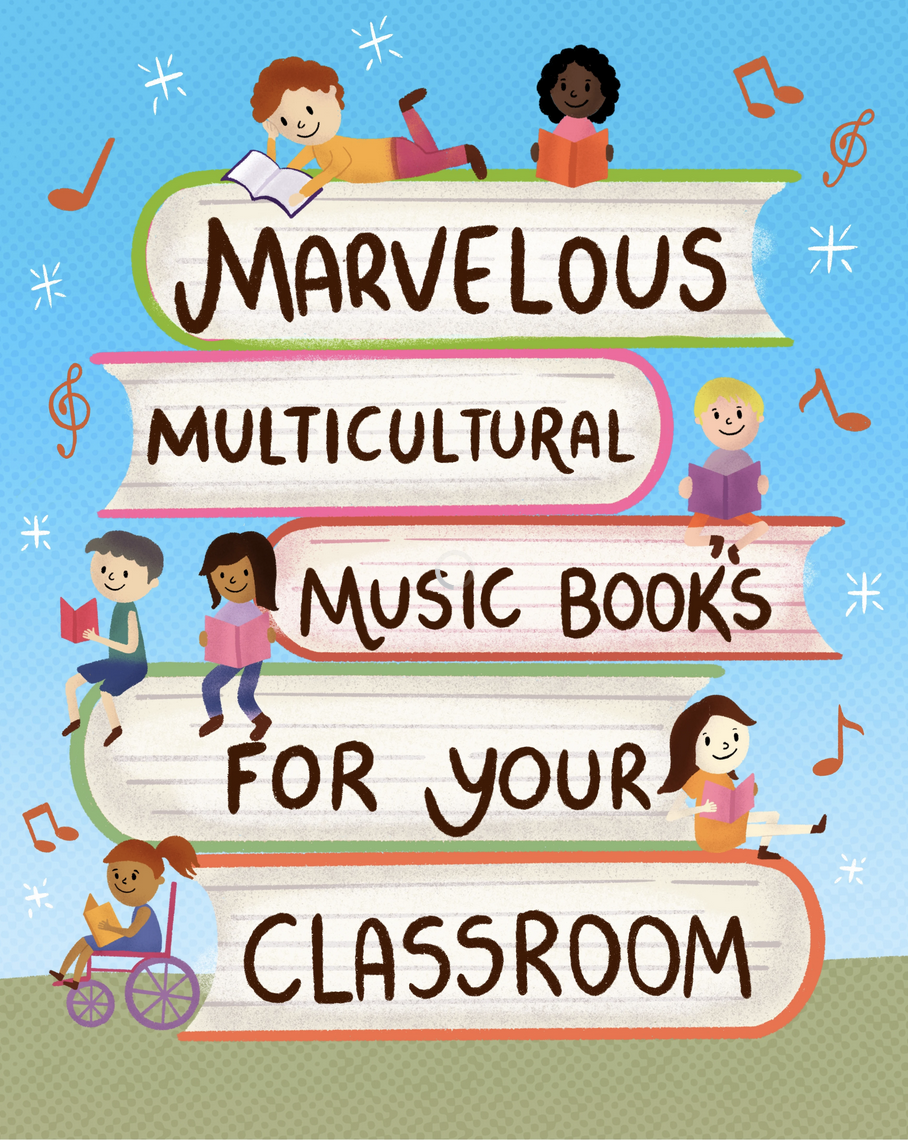
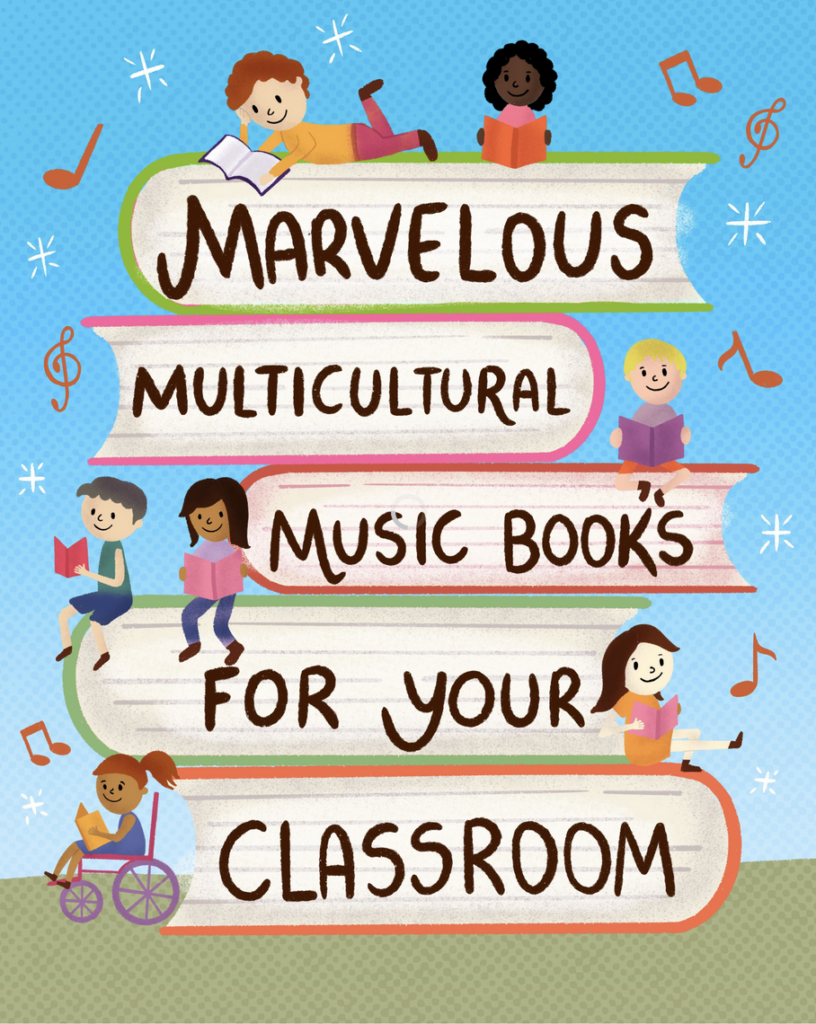
In an increasingly interconnected global society, the imperative to cultivate cultural empathy and international awareness within educational spaces has never been more urgent. Traditional music education has historically centered on Western classical canons, occasionally leaving educators unequipped to navigate the rich, diverse tapestries of world music traditions with the nuance and respect they demand. Enter the Marvelous Multicultural Music Books for Your Classroom Summit—a groundbreaking, entirely virtual educational event designed to bridge this gap.
Sponsored by Read Your World, this free, multi-day digital conference addresses a core pain point shared by modern music teachers and general classroom educators alike: the desire to incorporate authentic global perspectives coupled with the intimidation of where to begin and how to do so with deep cultural sensitivity. Running from Friday, November 13th, through Sunday, November 15th, the summit aims to democratize access to world-class pedagogical strategies. By equipping teachers with concrete, practical tools and thoroughly vetted resources, the event’s core mission is to empower educators to celebrate world music authentically, thereby fostering inclusive, globally minded classrooms that resonate with students from all backgrounds.
Detailed Chronology: The Genesis and Evolution of the Global Music Movement in Education
The journey toward inclusive music education did not happen overnight; it is the culmination of decades of advocacy by ethnomusicologists, culturally responsive educators, and diverse creators who recognized a glaring void in standard school curricula.
The Early Foundations: For generations, global music in Western schools was often relegated to tokenistic nods during specific cultural heritage months, frequently generalized or stripped of its historical context.
The Shift Toward Authenticity: As educational research increasingly underscored the cognitive and social-emotional benefits of culturally sustaining pedagogy, educators began demanding better resources. They sought material that honored the source cultures rather than viewing them through a monolithic, Eurocentric lens.
The Rise of Digital Summits: Recognizing the constraints of traditional professional development—such as tight school budgets and geographic barriers—innovators leveraged virtual platforms. The Marvelous Multicultural Music Books for Your Classroom Summit represents the apex of this evolution, utilizing digital accessibility to reach educators globally over a concentrated, highly impactful three-day weekend.
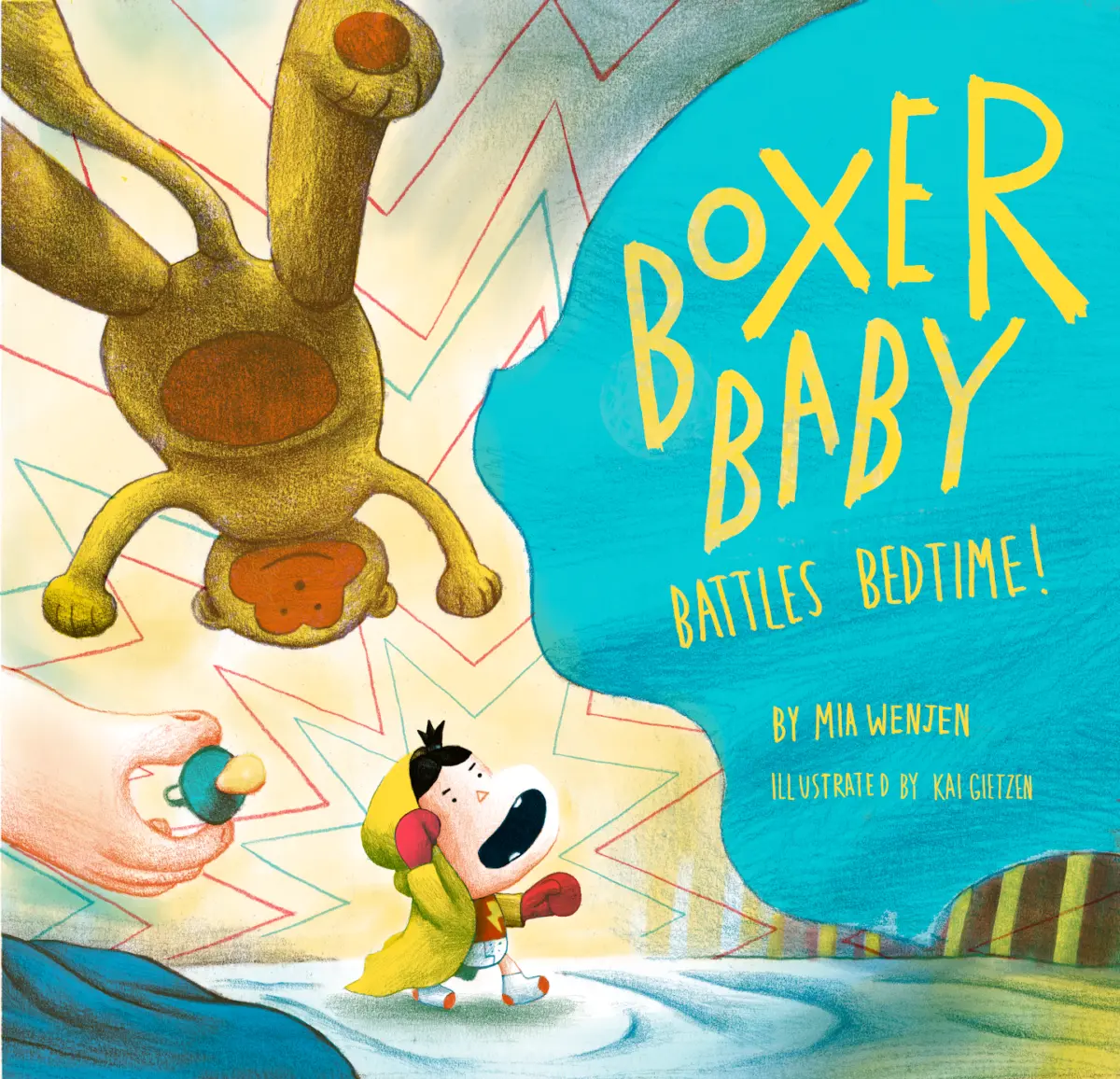
Continuous Integration: Today, the movement extends far beyond isolated classroom activities. It intersects with award-winning original compositions (such as the Global Music Award-winning song "Barbed Wire Between Us" by Daria Music), high-profile children’s literature exploring musical icons from John Cage to Elvis Presley, and deep dives into African American musical pioneers.
Supporting Context & Metrics: Why Multicultural Music Education Matters
Integrating world music and global perspectives into the curriculum is much more than a progressive pedagogical trend; it is a vital component of holistic child development.
The Empathy Gap and Cognitive Benefits
Research in developmental psychology consistently demonstrates that exposure to diverse cultural art forms during formative years expands cognitive flexibility. When children engage with non-Western rhythms, scales, and storytelling traditions, their auditory processing adapts to complex sonic landscapes. More importantly, experiencing music from diverse cultures breaks down parochial worldviews, directly mitigating the "empathy gap" by humanizing unfamiliar traditions.
Overcoming Educator Hesitation
Despite the clear benefits, surveys within educational communities highlight a persistent challenge: roughly 65% of general classroom teachers and up to 40% of music specialists report feeling underprepared to teach music outside their own cultural upbringing. Common barriers include:
Fear of Cultural Appropriation: Teachers worry about misrepresenting traditions or disrespecting sacred cultural practices.
Resource Scarcity: Finding peer-reviewed, authentic, and age-appropriate materials can feel like searching for a needle in a haystack.
Curricular Constraints: Standardized testing pressures often leave little perceived room for exploratory arts integration.
The Marvelous Multicultural Music Books for Your Classroom Summit directly confronts these metrics by providing turnkey, culturally sensitive frameworks designed by cultural insiders and veteran educators.
Official Statements and Pedagogical Vision
The leadership behind the summit and its sponsoring organizations emphasize that authentic representation is non-negotiable.
"Educators want to bring authentic global perspectives into their music rooms, but they often feel overwhelmed by where to start or how to do so with cultural sensitivity," notes the organizing committee. "Our mission is clear: we want to empower teachers with practical tools and authentic resources to celebrate world music, helping them create a more inclusive and globally-minded curriculum without the fear of misstep."
Furthermore, advocates from the broader literary and arts communities—including creators of multicultural children’s literature, civil rights history picture books (such as Postcards from Malcolm X: How Yuri Kochiyama Became a Civil Rights Activist), and works exploring the diverse roots of everyday favorites like The Traveling Taco—echo this sentiment. They argue that storytelling through music and literature creates an indelible bridge across cultural divides, teaching children that history and art are shared human endeavors.
Future Outlook: The Horizon of Inclusive Classrooms
As we look toward the future of education, several trends indicate that the momentum generated by events like the Marvelous Multicultural Music Books for Your Classroom Summit will only accelerate:
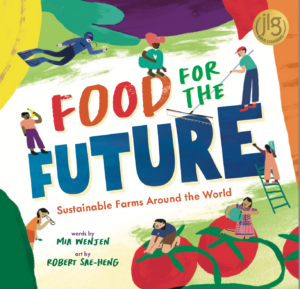
Interdisciplinary Curricula: The boundaries between music, social studies, literature, and even science (as seen in explorations of sustainable agriculture and food history) are increasingly porous. Educators are discovering that pairing a book about a musical pioneer or a cultural tradition with active listening exercises creates a multi-sensory learning experience that sticks with students for a lifetime.
Teacher-to-Teacher Digital Networks: Virtual summits are dismantling geographic silos. Teachers in rural districts now have the same access to world-class ethnomusicological resources and pedagogical coaching as those in major metropolitan hubs.
Accountability and Authenticity: Publishers and creators are facing higher standards. The demand for authentic authorship—ensuring stories about specific cultural traditions are told by those rooted in them—has become the industry benchmark.
Conclusion and Call to Action
The Marvelous Multicultural Music Books for Your Classroom Summit is a vital stepping stone for any educator determined to make their learning environment a microcosm of a respectful, globally connected world. Scheduled from Friday, November 13th, through Sunday, November 15th, this completely free virtual event provides the exact roadmap teachers need to banish hesitation and embrace the transformative power of global music.
Educators, administrators, and arts advocates interested in reshaping their classrooms can secure their spots by visiting the official registration portal. Take the first step toward a more vibrant, inclusive, and globally minded classroom today.




Comments
Facebook App ID not configured. Please add it in the Customizer.