
Executive Overview
For decades, the cultural myth of the modern author has been inextricably linked to the frantic pulse of the "hustle." Particularly catalyzed by the early years of the indie publishing boom, writers across genres internalized a relentless operational dogma: push harder, write faster, produce more. This all-gas, no-brakes mentality promised that exponential output would inevitably yield exponential success.
However, a reckoning has arrived within the literary community. The human cost of this relentless industrial-scale production has manifested as a widespread epidemic of chronic burnout. Authors are discovering that a frantic pace is antithetical to a long-term creative life. The central challenge facing contemporary writers is no longer merely how to finish a single book under duress, but how to architect a sustainable writing routine that supports a vibrant, lifelong career without sacrificing mental and physical health.
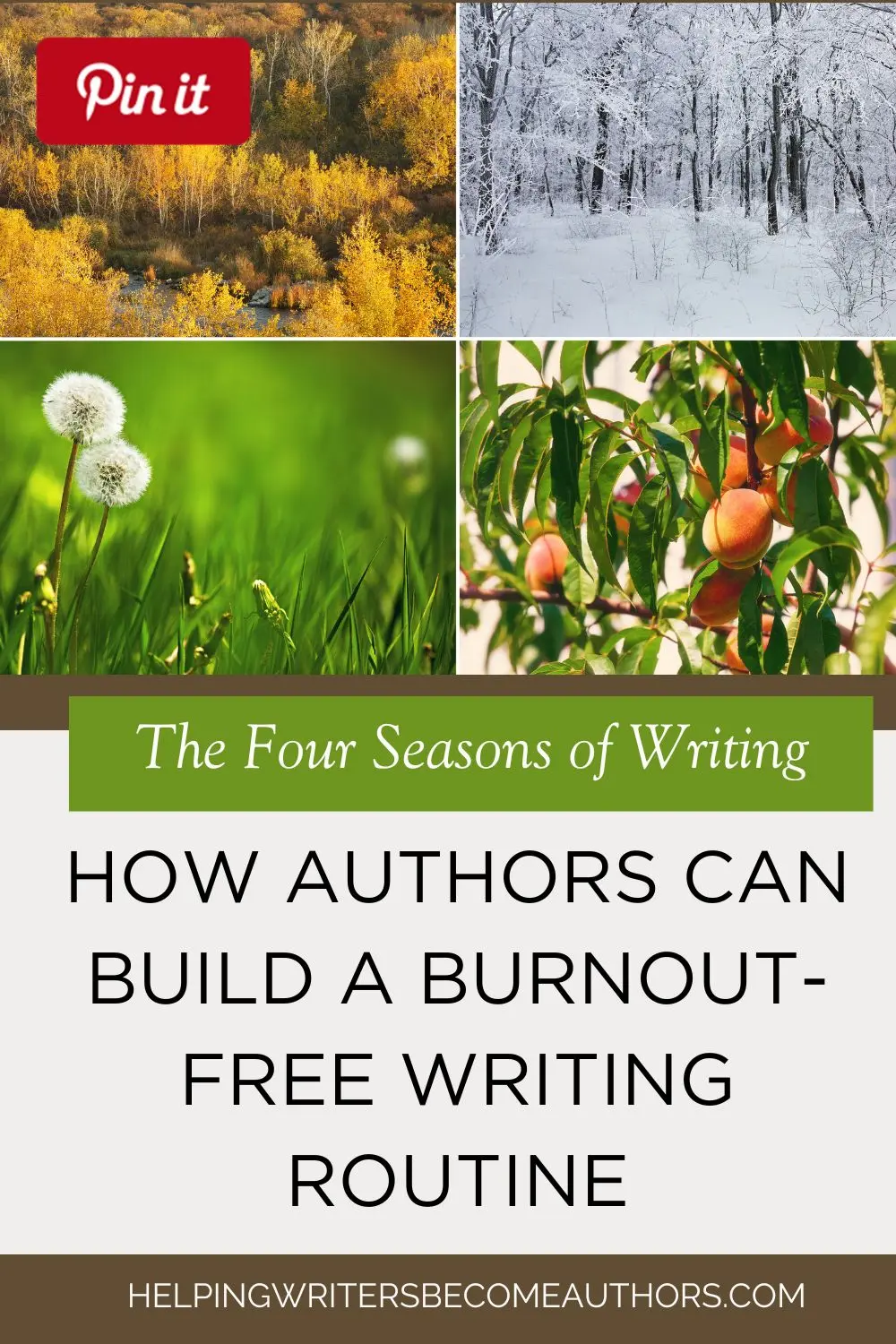
Enter a paradigm shift championed by author and speaker Brian Hicks: "Writing the Seasons." Moving away from the trap of the perpetually exhausted hustle-writer or the perpetually anxious, unpublished perfectionist, this framework borrows its wisdom from the most reliable system known to humanity—nature itself. By aligning the creative process with the four distinct cycles of a farmer’s relationship to the land—Drafting (Spring), Revising (Summer), Publishing and Querying (Autumn), and Resting and Learning (Winter)—authors can systematically dismantle burnout. This investigative report explores the mechanics of seasonal writing, examining how a structured, cyclical approach to creativity can restore sanity, enhance productivity, and transform the erratic writing life into a flourishing, enduring enterprise.
Read Also
Detailed Chronology: The Evolution of Authorial Burnout and the Seasonal Solution
The contemporary writing landscape did not arrive at its current state of exhaustion overnight. To understand the necessity of a cyclical routine, one must trace the evolutionary phases of authorial productivity over the past twenty years.
Phase One: The Indie Gold Rush and the Myth of Constant Output
During the nascent stages of the self-publishing revolution, the prevailing wisdom dictated that algorithmic visibility depended on a high-velocity release schedule. Writers were encouraged to treat their art as a manufacturing line. The prevailing sentiment was binary: either you were a Type 1 high-velocity producer destined for commercial dominance, or you were a Type 2 slow-grinding, angst-ridden writer doomed to obscurity.
Unfortunately, this rigid binary ignored human biology. Type 1 writers inevitably hit a wall of catastrophic burnout, while Type 2 writers never built the operational momentum required to heat up their careers. Both paths led to the same destination: creative depletion.
Phase Two: The Recognition of Creative Rhythms
As the industry matured, literary thought leaders began speaking openly about the toll of constant hustle. Writers realized that creativity is not an industrial resource that can be endlessly mined without replenishment. Much like the earth, the human mind possesses natural cycles that demand alternating periods of strenuous effort and deliberate fallow time.
Phase Three: The Adoption of the "Writing the Seasons" Framework
Synthesizing agricultural realities with creative workflows, the "Writing the Seasons" methodology provides a structured alternative to the "snatch-and-patch" writing process—where authors attempt to squeeze creative work into the chaotic margins of day jobs, family responsibilities, and civic duties. By imposing a predictable, orderly sequence on the creative calendar, authors abandon the panic of erratic production and adopt a rhythmic, sustainable cadence.
Supporting Context & Metrics: The Four Seasons of a Writing Life
To successfully implement a burnout-free routine, writers must understand the specific responsibilities, psychological hurdles, and operational requirements of each phase within the seasonal cycle.
[SPRING: Drafting] ➔ [SUMMER: Revising] ➔ [AUTUMN: Publishing/Querying] ➔ [WINTER: Rest & Renewal]
         ↑                                                                            │
         └─────────────────────────────────( The Annual Cycle )───────────────────────┘
1. Spring: The Urgency of Drafting
In nature, spring is characterized by an unyielding sense of urgency. Seeds must go into the ground within a tightly measured window of weeks; a farmer who misses this planting window foredetermines a failed harvest in October.

- Operational Focus: Outlining, world-building, character backstory development, and setting weekly writing quotas to secure a completed first draft.
- The Mindset Shift: Absolute commitment. Writers must guard their time fiercely, minimizing nonessential distractions, communicating boundaries to family and friends, and delaying auxiliary volunteer commitments.
- Duration: Highly individualized. While natural seasons span three months, an author’s spring duration depends entirely on life circumstances. A full-time writer with an empty nest may sprint through a draft in four weeks, while an author balancing two jobs and young children may require a longer, carefully paced spring. However, the golden rule remains absolute: a hard end date must be established on the calendar.
2. Summer: The Slog of Revision and Manuscript Fortification
If spring is about potential, summer is about cultivation. On a farm, the seeds have sprouted, but now the arduous work of weeding, watering, and fighting off pests begins.
- Operational Focus: Deep structural edits, line editing, killing narrative darlings, and integrating feedback from beta readers.
- The Psychological Trap: This is where many authors falter. Encountering narrative droughts and plot "beetles," panicked writers are tempted to abandon the field entirely and start a fresh project. The seasonal framework enforces discipline: We planted soybeans in the spring; we are harvesting soybeans in the fall. Committing to see the story through is non-negotiable for career longevity.
- Duration: Regulated by a strict, pre-determined deadline to prevent the manuscript from decaying into a perpetual, unfinished Work-In-Progress (WIP).
3. Autumn: The Harvest of Publishing and Querying
Autumn represents the culmination of grueling labor. It is the moment to bring the crop to market—whether through traditional literary agency querying or independent self-publishing platforms.
- Operational Focus: Formatting, cover design, marketing campaign launches, query letter distribution, and public celebrations.
- The Philosophy: As the adage goes, the reward for hard work is more work. Just as a farmer would not harvest a crop only to let it rot in the fields, an author must honor their labor by sharing the finished work with the world.
- Duration: Open-ended. Querying and marketing efforts continue fluidly, often overlapping into the subsequent seasons as new cycles begin.
4. Winter: Fallow Time, Learning, and Replenishment
Winter is the indispensable phase of recovery. It is the season for reflection, education, and physiological rest.
- Operational Focus: Consuming craft books, auditing advertising masterclasses, analyzing past campaign metrics, and dreaming up the broad strokes of the next project without forcing active drafting.
- The Purpose: To deliberately drain the pressure from the creative cortex, ensuring that when spring returns, the author enters it with genuine enthusiasm rather than lingering exhaustion.
Official Perspectives: Aligning Calendars with Real Life
Implementing a sustainable writing routine requires an honest appraisal of personal bandwidth and external life rhythms. According to productivity frameworks adapted by veteran authors, forcing a rigid corporate calendar onto a creative life is a recipe for failure.
"The key to making this work is creating your seasonal calendar on a cycle that works with your real-life schedule. Start with your spring. The remaining seasons simply flow from that," notes operational workflow guides for independent authors.
For instance, an author whose spouse is an educator would be ill-advised to schedule their hyper-focused drafting spring during the summer months, when household dynamics shift and traditional routines dissolve. Conversely, aligning a writing spring with a period of natural professional lull—such as the quiet post-holiday winter months—creates an environment of least resistance.
Furthermore, writers must tailor the length of these seasons to their individual capacities. While some prolific authors can execute two full cycles (eight seasons total) in a calendar year, others require a full twelve months to adequately draft, revise, and rest through a single book project. Recognizing one’s limitations is not a sign of weakness; it is an act of professional self-preservation.
Future Outlook: The Shift Toward Sustainable Authorial Careers
As the publishing industry continues to evolve at a dizzying pace—compounded by the pressures of rapid-release algorithms, social media saturation, and emerging technological disruptions—the imperative for sustainable routines has never been more urgent.
The future belongs not to the frantic sprinters who burn out by book three, nor to the eternal planners paralyzed by perfectionism, but to the cyclical creators. By adopting the "Writing the Seasons" framework, authors position themselves as long-term stewards of their own creativity.
Actionable Takeaways for Authors Ready to Transition:
- Audit Your Calendar: Open your digital calendar today and map out your next full writing cycle, assigning rigid start and end dates for Spring, Summer, Autumn, and Winter.
- Communicate Boundaries: Inform your support network of your active drafting (Spring) and revision (Summer) periods to secure uninterrupted focus.
- Equip Your Process: Utilize structured planning tools—such as the Outlining Your Novel Workbook—to eliminate ambiguity during your drafting phase, ensuring you enter the field with a clear roadmap.
- Honor the Fallow Period: Refuse to skip Winter. Recognize that rest is not the absence of productivity, but the essential prerequisite for it.
Ultimately, by learning from the steadfast rhythms of the natural world, authors can step off the exhausting treadmill of endless hustle, banish chronic burnout, and build a resilient, joyful, and prolific literary career that stands the test of time.




Comments
Facebook App ID not configured. Please add it in the Customizer.