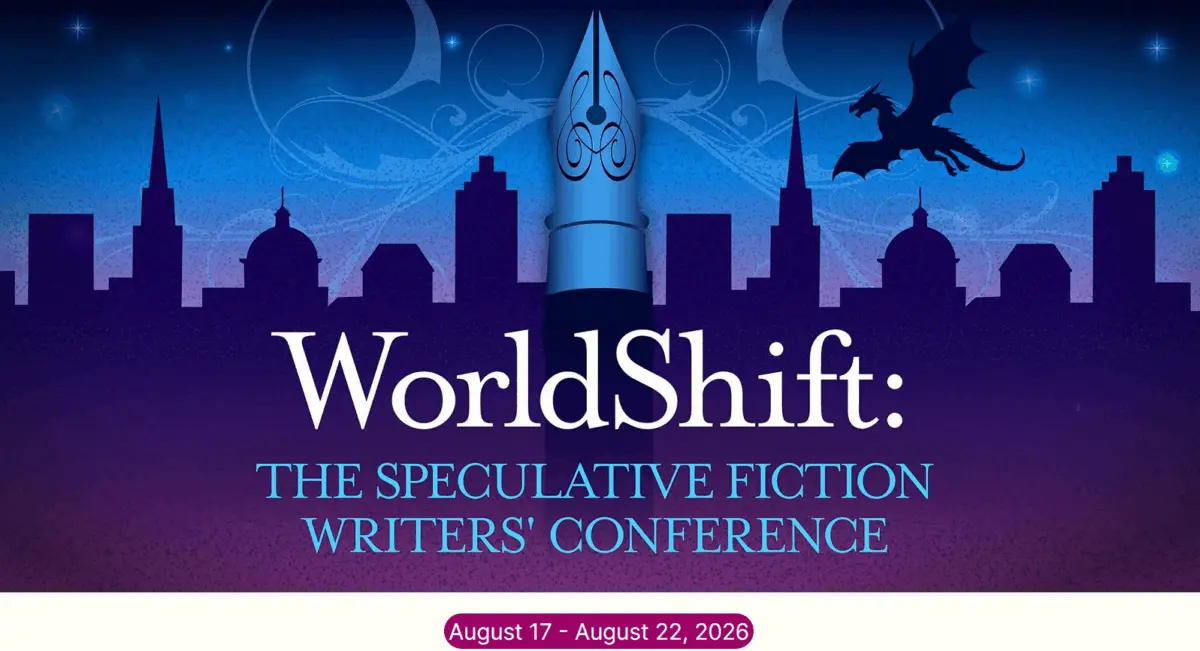
The literary world is once again turning its attention toward digital professional development as the WorldShift Summit for Speculative Fiction Writers officially opens its virtual doors. Designed to bridge the gap between creative isolation and collaborative growth, this six-day online writing conference brings together over thirty premier authors, developmental editors, and industry pedagogues.
Among this year’s prominent faculty is bestselling author and leading writing instructor K.M. Weiland, creator of the widely followed resource platform Helping Writers Become Authors. Known for a selective approach to external speaking engagements due to a preference for focused, deep-work creative output, Weiland’s return to the summit underscores the event’s growing reputation as a transformative professional development milestone.
The summit, spearheaded by organizer Heather Davis, caters primarily to writers working across the speculative fiction spectrum—including fantasy, science fiction, horror, magical realism, and dystopian fiction. However, the curriculum extends far beyond niche genre requirements, addressing foundational narrative architecture applicable to all commercial and literary fiction. With registration remaining open throughout the week and daily presentations accessible for 24-hour viewing windows, the event provides an adaptable, high-caliber educational model for authors at every stage of their publishing journey.
Detailed Chronology: The Evolution of the WorldShift Summit
The Inaugural Launch and Initial Hesitation
When the WorldShift Summit launched its inaugural event last year, the digital publishing landscape was saturated with generic webinars and broad-stroke instructional seminars. For seasoned instructors like Weiland—who operate as high-intensity, low-energy introverts—accepting invitations to external conferences often presents a significant energetic cost. Balancing book projects, instructional design for initiatives like Story School, and maintaining the Helping Writers Become Authors platform leaves little margin for external distractions.
Initially, Weiland hesitated when approached by Heather Davis. However, the decision to participate in the inaugural event transformed into one of the most professionally rewarding highlights of the previous year. The distinction lay in the meticulous curation of the presenter roster, the technical organization of the platform, and, crucially, the dynamic engagement within the live participant chat streams.
The Catalyst for Modern Pedagogical Design
What surprised veteran speakers most during the inaugural summit was the symbiotic energy generated between presenters and attendees. Rather than functioning as a passive broadcast, the live chat environments evolved into global writers’ rooms. Participants experienced immediate breakthroughs, shared structural insights, and posed complex narrative questions that challenged both emerging and established authors.
For Weiland, this real-time intellectual exchange served as a primary catalyst for the development of subsequent educational frameworks, including the popular Story School classes released throughout the current year. Recognizing that digital conferences could foster genuine community rather than digital fatigue, the decision to return as a featured speaker for the current summit became an organic extension of this pedagogical momentum.
Supporting Context & Metrics: Curriculum, Accessibility, and Structure
Comprehensive Industry Curriculum
The modern publishing marketplace demands that authors master a dual skill set: rigorous artistic execution and strategic career navigation. The WorldShift Summit addresses this dichotomy by structuring its multi-day syllabus around core pillars of the writing life:
Story Structure & Mechanics: Advanced plotting architectures, pacing optimizations, and scene engineering.
Worldbuilding & Setting Integration: Constructing immersive speculative environments without info-dumping.
Revision & Deep Editing: Transforming raw first drafts into structurally sound, commercially viable manuscripts.
Publishing & Productivity: Navigating modern industry standards, managing creative energy, and establishing sustainable daily word-count habits.
A World-Class Faculty
The 2026 presenter lineup boasts more than thirty recognized authorities in fiction craft and publishing strategy. Alongside K.M. Weiland, the roster features prominent literary voices such as Jessica Brody, Gabriela Pereira, Janice Hardy, Leslye Penelope, Savannah Gilbo, Heather Davis, and Rachael Herron. This cross-pollination of teaching methodologies ensures that attendees receive multifaceted guidance ranging from intuitive drafting techniques to analytical developmental editing strategies.
Flexible Access Models
Recognizing the diverse schedules of working writers, the summit operates on a flexible architecture:
Free General Access: Registration remains open throughout the week via the official portal. Each day’s scheduled presentations are made entirely free to registered attendees for a 24-hour premier window.
The All-Access Pass: For participants seeking permanent integration of the material, an optional All-Access Pass is available. This tier provides lifetime ownership of all session recordings, comprehensive transcripts, exclusive speaker bonuses, live Q&A archives, writing sprints, specialized literary agent panels, and peer critique-partner networking events.
Official Statements and Spotlight Masterclass: The Hidden Architecture of Meaningful Fiction
Weiland’s Premier Session: Thursday, August 20
The focal point of Weiland’s participation this week is a newly developed masterclass entitled "The Hidden Architecture of Meaningful Fiction: 7 Elements That Give Stories Weight." Premiering on Thursday, August 20, the session directly addresses a fundamental narrative conundrum: why certain stories endure in the cultural consciousness for decades while others fade immediately upon completion.
"Why do some stories stay with us for years—while others fade from memory almost as soon as we finish them? It’s rarely just a matter of plot, premise, or even beautiful prose. The stories that truly resonate create a sense of depth, significance, and cohesion that makes them feel as though they matter," notes Weiland.
The Seven Elements of Narrative Weight
Moving beyond surface-level mechanics, the masterclass deconstructs the structural DNA required to imbue a manuscript with thematic resonance. The curriculum outlines seven specific, actionable elements:
Internal and External Transformation: Aligning character arcs with overarching plot progression.
Organic Thematic Integration: Weaving motifs and underlying arguments into the plot so that meaning emerges naturally rather than feeling preachy.
Subtextual Depth: Mastering the space between dialogue and action to elevate emotional stakes.
Strategic Time Manipulation: Utilizing pacing, flashbacks, and temporal compression to manipulate reader perception.
Resonant Setting Architecture: Transforming physical environments into externalized reflections of internal conflict.
Purposeful Subplots: Designing secondary narrative threads that reinforce the primary thematic argument.
Intentional Scene Reactions: Managing aftermath and sequel beats to ensure character processing drives emotional resonance.
Rather than remaining purely theoretical, the masterclass bridges high-level philosophy with concrete craft application. Authors across genres—from epic high fantasy to grounded contemporary romance and literary fiction—are provided with direct diagnostics to evaluate and elevate their own manuscripts.
Future Outlook: The Intersection of Digital Community and Craft Excellence
As the publishing industry continues to decentralize, virtual academic gatherings like the WorldShift Summit are redefining how authors acquire craft education and forge professional networks. The traditional model of isolated writing—while still foundational to the drafting process—is increasingly complemented by global digital ecosystems where real-time critique and collaborative ideation can occur without geographic friction.
The enthusiasm surrounding Weiland’s return and the strong engagement projected for the live chat sessions indicate a robust demand for author-centric, highly structured professional development. For participants, the immediate takeaway extends beyond the technical mastery of story architecture; it lies in the psychological renewal derived from shared artistic purpose.
Whether attendees choose to sample individual modules during their daily 24-hour windows or invest in the comprehensive All-Access Pass for long-term reference, the summit provides an invaluable injection of momentum. As writers navigate the complexities of drafting, revising, and bringing meaningful stories to market, events like WorldShift ensure they do not have to do so in isolation.
Registration for the free tier remains active throughout the duration of the conference. Authors interested in participating in Thursday’s masterclass, engaging in the live Q&A, and joining the global speculative fiction community can secure their virtual seats directly through the official WorldShift Summit registration portal.





Comments
Facebook App ID not configured. Please add it in the Customizer.