
Executive Overview
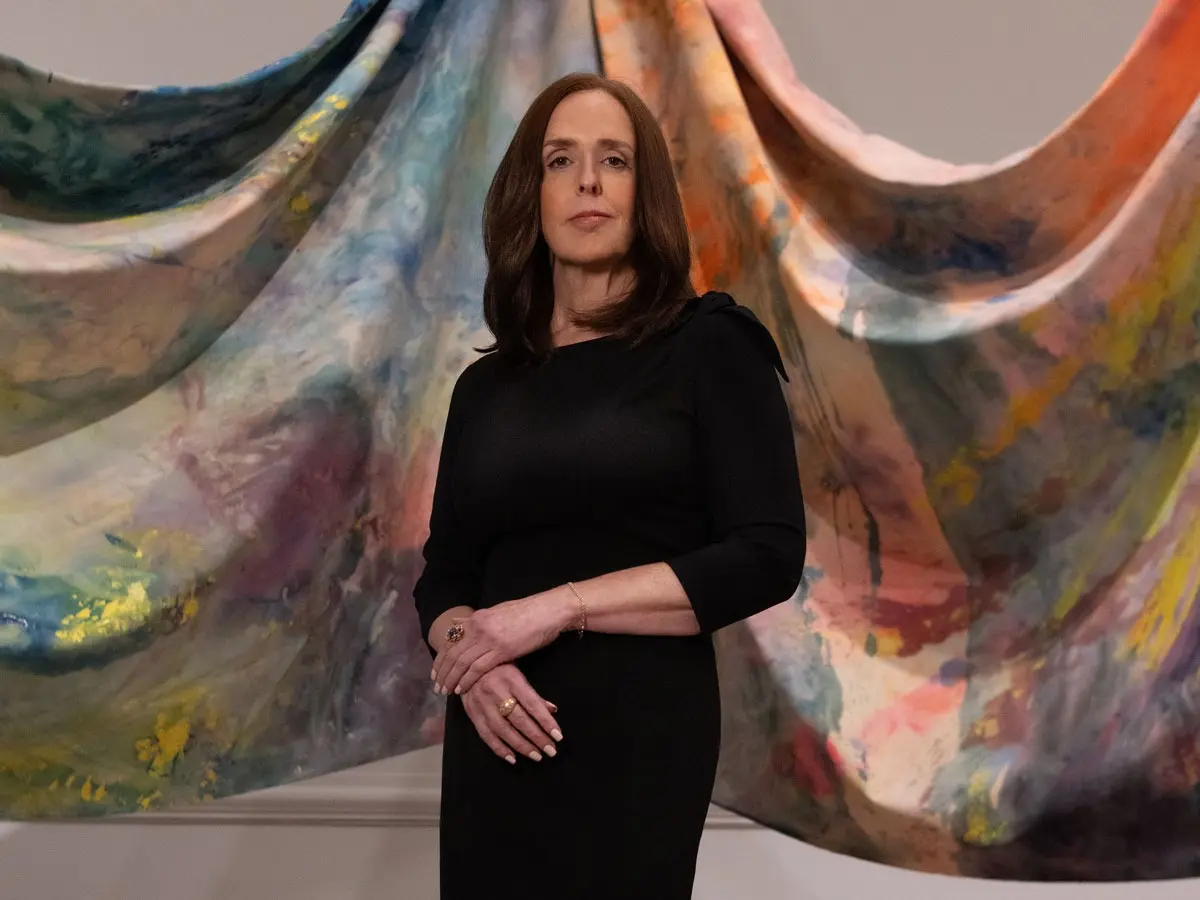
In a leadership transition poised to shape the cultural trajectory of the American South and Midwest, the Speed Art Museum—Kentucky’s oldest and largest institution of visual arts—has officially announced the appointment of Dr. Kathleen V. Jameson as its next director. Stepping into the role on Tuesday, Jameson assumes leadership at a critical juncture in the museum’s history. She succeeds Raphaela Platow, whose four-year tenure concluded last year.
Jameson enters the institution carrying a reputation as an accomplished scholar of late 19th- and early 20th-century American art, with specialized expertise in photography and works on paper. More importantly, she brings a formidable administrative track record forged across multiple high-profile museum directorships, including executive leadership roles at Pennsylvania’s James A. Michener Art Museum and North Carolina’s Mint Museum.
For the Speed Art Museum, this appointment is far more than a routine executive placement; it is a homecoming. Jameson’s relationship with Louisville and the museum itself dates back over three decades, to a time when she walked its galleries as a graduate student at the University of Louisville. Now, she returns to shepherd the institution through its centennial celebrations next year. As the museum approaches its 100th anniversary, Jameson faces the dual challenge of honoring a rich institutional legacy while steering an ambitious, forward-looking strategic vision designed to expand community engagement, deepen audience reach, and cement the museum’s role as a vital civic anchor.
Read Also
Detailed Chronology of Leadership and Experience
To understand the weight of Dr. Jameson’s appointment, one must trace the arc of her professional trajectory through some of the nation’s most prominent regional art institutions. Her career reflects a systematic mastery of museum operations, ranging from curatorial scholarship and collection management to strategic planning, major fundraising, board governance, and community outreach.
Academic Beginnings and Early Louisville Roots
Jameson’s connection to the Speed Art Museum is rooted in her formative academic years. Between 1993 and 1995, she resided in Louisville while pursuing her Master’s degree in American art and architecture at the University of Louisville. During this intensive period of graduate study, she gained her first institutional foothold inside the Speed, working directly within its walls under the mentorship of Peter Morrin, who served as the museum’s executive director from 1986 to 2005.
This early exposure to the inner workings of Kentucky’s premier art museum left an indelible mark on her pedagogical philosophy and her approach to institutional leadership. It instilled in her an appreciation for how regional institutions can maintain global artistic standards while remaining deeply responsive to their immediate geographic communities.
The Houston Years: Rising Through the Ranks (2004–2010)
Following the completion of her doctorate and further professional seasoning, Jameson solidified her administrative credentials during a six-year tenure at the Museum of Fine Arts, Houston (MFAH), spanning from 2004 to 2010. During this period, she occupied multiple operational and curatorial positions, steadily rising through the ranks to ultimately serve as assistant director.
At the MFAH—one of the largest comprehensive art museums in the United States—Jameson navigated the complexities of managing massive collections, coordinating large-scale exhibitions, and collaborating with diverse stakeholder groups. Her time in Houston honed her capacity to operate effectively within complex institutional frameworks, preparing her for the executive challenges awaiting her at the helm of independent museums.
Transforming the Mint Museum (2010–2017)
In 2010, Jameson stepped into her first major executive directorship as the president and chief executive officer of the Mint Museum in Charlotte, North Carolina. Over a seven-year tenure, she transformed the institution’s operational framework and community footprint.
Among her most notable achievements in Charlotte was the design and implementation of a comprehensive strategic plan. Recognizing the shifting digital and demographic landscapes of the 21st century, Jameson spearheaded the creation of a pioneering digital media program designed to widen public access to the museum’s collections. Simultaneously, she championed a dedicated Latino and Latin American art initiative, diversifying the museum’s curatorial scope and actively building bridges with underserved and rapidly growing segments of the local population. Her leadership at the Mint established her reputation as a forward-thinking director capable of aligning institutional mission with contemporary societal needs.
Navigating the Michener Art Museum (2018–2019)
Most recently, Jameson served as the executive director of the James A. Michener Art Museum in Doylestown, Pennsylvania, from 2018 to 2019. Known for its premier collection of Pennsylvania Impressionism and its commitment to regional and international exhibitions, the Michener benefited from Jameson’s curatorial insight and administrative acumen. During her tenure, she focused on stabilizing institutional operations, enhancing visitor experiences, and strengthening donor relations, further burnishing her credentials as an adaptable and resilient museum leader.
Supporting Context & Metrics: The State of the Speed Art Museum
To fully appreciate the mandate before Dr. Jameson, one must examine the institutional landscape of the Speed Art Museum itself. Founded in 1927 by integrative philanthropist Hattie Bishop Speed in honor of her late husband, James Breckinridge Speed, the museum stands as a monumental cultural touchstone in the region.
Collection and Facilities
- Holdings: The museum boasts an expansive, diverse permanent collection comprising approximately 15,000 objects. These holdings span 6,000 years of human creativity, ranging from ancient Egyptian artifacts and European masterworks to contemporary installations, cutting-edge design, and a robust repository of photography and works on paper—aligning neatly with Jameson’s own academic specialization.
- Architecture and Expansion: The institution underwent a transformative $60 million capital expansion and renovation led by the renowned firm Kulapat Yantrasast of wHY Architecture. Reopening to widespread critical acclaim in 2016, the modernized campus doubled the museum’s interior space, adding state-of-the-art galleries, an outdoor art park, a family education wing, and a dynamic cinema theater. This physical evolution transformed the Speed into a porous, light-filled civic campus designed to dissolve the boundaries between art and everyday life.
The Leadership Transition
Jameson steps into the director’s chair following the departure of Raphaela Platow, who steered the institution through the unprecedented turbulence of the COVID-19 pandemic and its aftermath. Platow stepped down at the conclusion of her four-year contract, leaving behind a resilient institution equipped with modern facilities and a dedicated staff. However, as the museum looks beyond the pandemic era, the board of trustees recognized the need for a seasoned executive capable of combining rigorous art-historical scholarship with aggressive community outreach and strategic development.
Official Statements and Stakeholder Perspectives
The appointment of Dr. Jameson has drawn enthusiastic responses from the museum’s leadership, as well as profound personal reflections from the new director herself.
John Crockett, chair of the Speed Art Museum’s board of trustees, emphasized that Jameson’s multidisciplinary background made her the unanimous choice for the role. In an official statement released on Tuesday, Crockett noted:
"Dr. Jameson brings exactly the combination of experience, vision and leadership we believe the Speed needs at this important moment. She understands museums from every angle—from scholarship and collections to fundraising, governance, and community engagement."
Crockett’s remarks underscore the modern art museum director’s reality: contemporary leadership requires a delicate equilibrium between intellectual stewardship and corporate-style governance, donor cultivation, and public advocacy.
For her part, Dr. Jameson’s public statements reflect a profound emotional connection to the city of Louisville paired with a sharp, programmatic vision for the institution’s future. Reflecting on her return to the city where her museum career began, Jameson stated:
"Returning to Louisville and to the Speed is deeply meaningful to me. My time here as a graduate student helped shape both my scholarship and my career in museums, and I have always valued the Speed’s commitment to artistic excellence and connection."
Furthermore, Jameson addressed the monumental milestone awaiting the institution next year, framing the upcoming centennial not merely as a retrospective exercise, but as a springboard for institutional evolution:
"The Centennial is an extraordinary opportunity not only to celebrate the Speed’s history, but also to think ambitiously about its future. Museums are at their best when they bring art, ideas and people together. I look forward to helping the Speed deepen those connections, welcome new audiences, and continue to be a place where people can learn, discover and feel a sense of belonging."
Future Outlook: Charting the Next Century
As Dr. Jameson settles into her office at the Speed Art Museum, her immediate and long-term priorities are clear. The institution stands on the threshold of its centennial year in 2027, an anniversary that presents a unique platform for institutional storytelling, fundraising campaigns, and programmatic reinvention.
1. Curating the Centennial
The 100th anniversary will demand high-impact exhibitions that draw upon the museum’s 15,000-object collection while inviting critical dialogues about the role of art museums in the 21st century. Given Jameson’s academic background in late 19th- and early 20th-century American art, photography, and works on paper, observers anticipate ambitious, intellectually rigorous exhibitions that reexamine historical canons through contemporary lenses.
2. Expanding Community Belonging and Audience Diversity
Drawing on her successful track record at the Mint Museum—where she implemented targeted Latino and Latin American art initiatives and expanded digital programming—Jameson is expected to prioritize civic inclusivity. In an era where cultural institutions face mounting pressure to demonstrate relevance across diverse socioeconomic and demographic lines, her leadership will likely focus on breaking down physical and psychological barriers to entry, ensuring that the Speed serves as an accessible sanctuary and educational resource for all residents of Louisville and the broader Commonwealth.
3. Financial Sustainability and Strategic Growth
Sustaining a world-class art museum requires robust financial architecture. Jameson’s extensive background in fundraising, board governance, and institutional management will be tested as she collaborates with the board of trustees to secure major gifts, build endowment funds, and optimize the museum’s operational model. Her proven ability to draft and execute comprehensive strategic plans will be instrumental in guiding the Speed through its second century of operation.
Conclusion
The return of Dr. Kathleen V. Jameson to the Speed Art Museum represents a rare convergence of institutional memory and forward-looking executive leadership. As Louisville’s premier cultural beacon prepares to mark a century of artistic service, Jameson’s blend of scholarly rigor, operational expertise, and deep-seated affection for the community positions the museum to not only honor its storied past, but to redefine its civic purpose for generations to come.


Comments
Facebook App ID not configured. Please add it in the Customizer.