
Executive Overview
As the Milwaukee Brewers and the Tampa Bay Rays take the field for Game 1 of the 122nd World Series, the Fall Classic is carrying a level of cultural gravity rarely seen in professional sports. Beyond the gleaming sterling silver Commissioner’s Trophy—the ultimate prize for a grueling six-month Major League Baseball season—two masterpieces by French Impressionist pioneer Claude Monet hang in the balance.
In a high-stakes, high-culture wager that bridges the worlds of civic pride and fine art, the Milwaukee Art Museum (MAM) and the Museum of Fine Arts, St. Petersburg (MFA) have locked horns. The terms of the friendly yet fierce agreement are simple: the victorious city’s museum earns the temporary bragging rights and physical custody of a prized Monet canvas from the losing institution’s permanent collection.
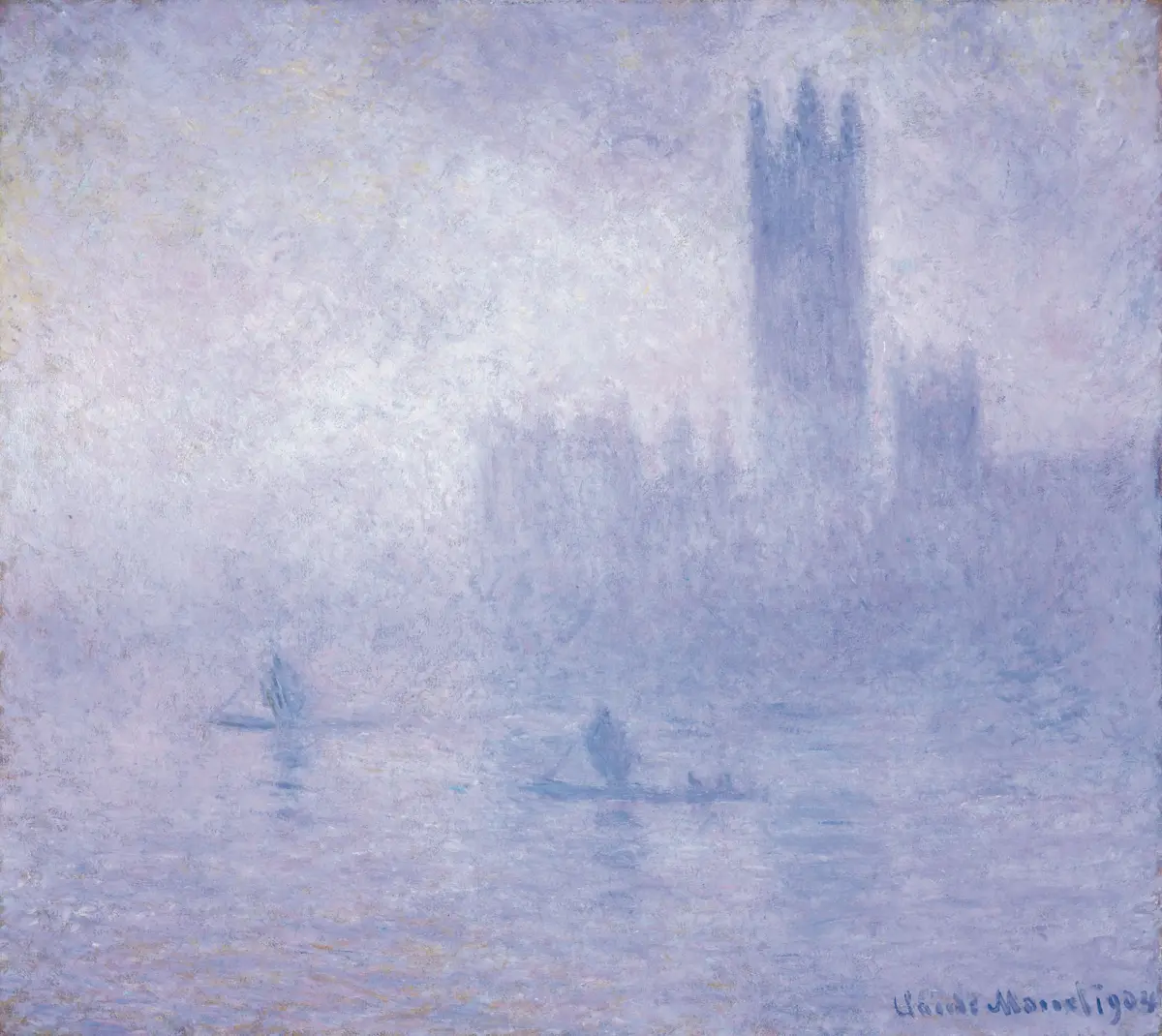
This is not merely a novelty PR stunt; it is a profound cultural exchange underpinned by institutional trust, civic bravado, and a deep appreciation for late-19th and early-20th-century avant-garde painting. The Milwaukee Art Museum has put up its crown jewel, Waterloo Bridge, Sunlight Effect (c. 1903)—the single and only Monet in its entire collection. In response, the Museum of Fine Arts in St. Petersburg has staked Houses of Parliament: Effect of Fog, London (1904), a breathtaking sibling canvas from the same legendary series capturing the atmospheric industrialization of the British capital.
Read Also
For sports fans, this Fall Classic offers an unprecedented intersection of athletic grit and art-historical prestige. For museum curators, patrons, and the broader art world, it represents a masterclass in institutional marketing, turning a national pastime into a transatlantic celebration of Impressionism. As the first pitch crosses home plate, the cultural capitals of Wisconsin and Florida are watching not just the scoreboard, but the fragile futures of their most cherished French masterpieces.
Detailed Chronology: From Ballparks to Gallery Walls
The roots of this cultural showdown trace back to the gritty realities of the 2026 Major League Baseball postseason, where both the Brewers and the Rays defied expectations, outlasted divisional powerhouses, and secured their respective pennants. Yet, while the players were battling through cold-weather playoff games and high-pressure pennant races, leadership at two prominent art institutions—located a mere four miles east of the Brewers’ American Family Field and just over a mile west of the Rays’ Tropicana Field—were plotting a parallel contest.
The Institutional Proximity
The Milwaukee Art Museum, an architectural icon featuring the stunning Santiago Calatrava-designed Burke Brise Soleil that unfurls over the shores of Lake Michigan, has long been a bastion of Midwestern culture. Just down the road, the Museum of Fine Arts, St. Petersburg, sits majestically on the downtown waterfront of Florida’s Gulf Coast, offering a sprawling trove of world-class art to millions of sun-seeking visitors.
Despite their geographical separation of more than 1,300 miles, the two museums found common ground in the dramatic narrative of the 122nd World Series. Informal discussions between museum directors and curatorial staff quickly evolved into an official, binding inter-institutional challenge. By the time the final outs of the League Championship Series were recorded, the paperwork was drafted, the indemnity and loan logistics were quietly reviewed by registrars, and the Monet wager was announced to the public.
The Artworks in Play
The focal point of this wager centers on two remarkable paintings executed by Claude Monet during his extended, fog-drenched campaigns in London at the turn of the 20th century.
- The Milwaukee Challenger: Waterloo Bridge, Sunlight Effect (c. 1903) holds a singular place in the heart of Milwaukee’s cultural identity. As the one and only Monet in the Milwaukee Art Museum’s permanent collection, it is a perennial visitor favorite. Bequeathed to the museum in 1950 by Mrs. Albert T. Friedmann as part of a transformative 40-piece gift, the canvas depicts the heavy, industrial fog of the River Thames pierced by the diffused, amber glow of the English sun. For MAM, risking its sole Monet is an act of supreme institutional confidence.
- The St. Petersburg Defender: Houses of Parliament: Effect of Fog, London (1904) serves as the Gulf Coast’s formidable counterweight. Part of the core permanent collection at the Museum of Fine Arts, St. Petersburg, this canvas captures a near-identical meteorological and artistic preoccupation. Painted just a year after the Milwaukee canvas, Monet’s view of the neo-Gothic Parliament building dissolving into a veil of purple, gray, and gold is widely considered one of the pinnacles of the artist’s London series.
Supporting Context & Metrics: A History of Crossover Wagers
While betting landmarks, local delicacies, and civic monuments (such as the traditional mayoral wagers involving cheese curds, craft beer, and stone crab claws) are standard fare during championship series, high-value fine art wagers occupy a rare, rarefied air.
The 2011 Super Bowl Precedent
The Milwaukee Art Museum is no stranger to the white-knuckle world of sports-adjacent cultural diplomacy. Fifteen years prior, in the lead-up to Super Bowl XLV in 2011, MAM engaged in a nearly identical high-stakes loan agreement with the Carnegie Museum of Art (CMA) in Pittsburgh when the Green Bay Packers faced off against the Pittsburgh Steelers.
That historic gridiron battle saw Aaron Rodgers lead the Packers to a thrilling 31–25 victory over the Steelers. True to their word, the leadership at the Carnegie Museum of Art packed up one of their prized holdings—Pierre-Auguste Renoir’s luminous 1919 impressionist canvas, Bathers With Crab (Les Baigneurs au crabe)—and shipped it northward.
The Renoir spent three months on extended loan in Milwaukee, serving as the crown jewel of the MAM exhibition Impressionism: Masterworks on Paper. The cross-pollination generated unprecedented foot traffic, generated national media headlines, and proved that sports fans and art lovers share a surprisingly porous demographic.
Art historians and museum administrators frequently look back on the 2011 Packers-Steelers cultural exchange as a benchmark for modern institutional engagement. Had the Steelers prevailed under the legendary "Steel Curtain" defensive ethos, the Carnegie Museum of Art would have successfully laid temporary claim to MAM’s celebrated Gustave Caillebotte masterpiece, Boating on the Yerres (1877). The cultural debt remains unpaid—meaning art enthusiasts on both sides of the Pennsylvania-Wisconsin line continue to fantasize about a rematch.
Economic and Cultural Impact Metrics
Museum wagers of this caliber carry significant administrative weight. Moving multi-million-dollar Impressionist masterpieces requires meticulous coordination across multiple departments:
- Registrars and Conservators: Assessing baseline environmental conditions, framing integrity, and climate-controlled transport requirements.
- Legal Teams: Drafting strict inter-museum loan agreements, ensuring comprehensive wall-to-wall insurance coverage, and establishing secure courier protocols.
- Marketing Departments: Leveraging the global reach of Major League Baseball to drive membership growth, ticket sales, and digital engagement.
During major championship runs, cultural institutions see spikes in localized tourism. By tying the fate of a Monet to the fortunes of a bullpen or a cleanup hitter, museums successfully tap into the tribal loyalty of sports fandom, converting casual sports viewers into curious gallery-goers.
Official Statements and Curatorial Perspectives
The convergence of elite athletics and 20th-century art history has elicited rich commentary from the curators tasked with protecting these cultural treasures.
The St. Petersburg Perspective
Stanton Thomas, Senior Curator of Collections and Exhibitions at the Museum of Fine Arts, St. Petersburg, emphasized both the rare opportunity for visiting fans and the intrinsic value of the work on the line.
"For visiting Brewers fans traveling to the Gulf Coast during the series—or for locals looking to witness the drama firsthand—this might be their only chance to see our Monet in this specific context," Thomas noted in an official statement. "While our canvas is normally housed in our core collection galleries, it is currently temporarily relocated to an upstairs gallery while our main spaces undergo scheduled installation. The timing could not be more poetic."
Thomas pointed out that Monet’s London series represents a profound cognitive shift in the artist’s career. Rather than focusing on the sun-drenched poppy fields of Giverny or the pastoral tranquility of the French countryside, Monet became transfixed by the sulfurous, coal-smoke-choked fogs of industrial London.
"Monet famously remarked that the fog gave London its wonderful breadth," Thomas added. "To pit our Parliament against Milwaukee’s Waterloo Bridge is essentially staging a mini-reunion of Monet’s London campaign right here in the theater of sport."
The Milwaukee Perspective
In Milwaukee, leadership at MAM has rallied behind the team with an infectious sense of civic pride. Museum directors released statements highlighting the unique position of Waterloo Bridge, Sunlight Effect as the singular representative of French Impressionism from that specific period in their holdings.
"When Mrs. Albert T. Friedmann bequeathed this magnificent canvas to the museum in 1950, she gave Milwaukee a window into the evolution of modern vision," said a spokesperson for the Milwaukee Art Museum. "To risk our sole Monet on the diamond demonstrates our absolute faith in the Brewers. We fully expect to welcome Monet’s London sibling to the shores of Lake Michigan for a triumphant joint exhibition this winter."
Art historians in Wisconsin have similarly embraced the narrative. Local university professors have noted that putting fine art on the line elevates the discourse around the World Series, reminding the public that civic identity is built as much on cultural infrastructure as it is on athletic prowess.
Future Outlook: The Winner’s Exhibition and Beyond
As the first pitch of Game 1 sails toward the plate, the logistical machinery behind the scenes is already humming. Regardless of whether the final out of the Fall Classic is recorded in the cold winds of Wisconsin or the humid warmth of Florida, the winning museum will emerge victorious not just with bragging rights, but with a major curatorial coup.
The Logistics of Victory
Should the Milwaukee Brewers sweep or defeat the Tampa Bay Rays, museum registrars from MAM will prepare a secure, climate-controlled transport vehicle to retrieve the Museum of Fine Arts’ Houses of Parliament: Effect of Fog, London. The canvas will cross state lines under armed guard, taking up temporary residence alongside Milwaukee’s own Waterloo Bridge, Sunlight Effect. For a limited time, visitors to the Milwaukee Art Museum will be treated to a rare, side-by-side comparative display of two of Monet’s most sought-after London views—a curatorial dream scenario born entirely from a baseball wager.
Conversely, should the Tampa Bay Rays capture the Commissioner’s Trophy, the faithful transport will head north. Waterloo Bridge, Sunlight Effect will journey down to St. Petersburg, granting Gulf Coast art lovers the unprecedented opportunity to examine both canvases within striking distance of one another.
A Blueprint for Cultural Diplomacy
Beyond the immediate exhibition value, this high-profile wager sets a compelling precedent for cultural institutions across the globe. In an era where museums face constant pressures to diversify revenue streams, engage younger demographics, and prove their relevance in the digital age, aligning with major sporting events offers an unorthodox yet highly effective pathway.
By marrying the high drama of the 122nd World Series with the timeless brilliance of Claude Monet, the Milwaukee Art Museum and the Museum of Fine Arts, St. Petersburg have transcended the traditional boundaries of their respective fields. As the innings tick by and the series unfolds, the true winner will not only be the city that hoists the trophy, but the enduring power of art to unite, captivate, and surprise us all.



Comments
Facebook App ID not configured. Please add it in the Customizer.