
Executive Overview
As the Milwaukee Brewers and the Tampa Bay Rays take the field for Game 1 of the 122nd World Series, the stakes extend far beyond the coveted, sterling silver Commissioner’s Trophy. While millions of baseball fans tune in to watch America’s Fall Classic unfold on the diamond, a high-stakes cultural exchange is occurring behind the scenes in the world of fine art. In a brilliant display of civic pride, institutional collaboration, and competitive spirit, the local art museums of both contending franchises have entered into a high-profile, high-risk wager.
At stake is not cash or bragging rights, but a pair of priceless Impressionist masterpieces by French master Claude Monet.
The Milwaukee Art Museum (MAM)—situated a mere four miles east of the Brewers’ home turf at American Family Field—and the Museum of Fine Arts, St. Petersburg (MFA)—located just over a mile west of the Rays’ Tropicana Field—have agreed to a winner-take-all loan arrangement. Whichever team secures four wins and claims the World Series title will earn the right to temporarily house, display, and celebrate a prized Monet canvas from the losing city’s permanent collection.
Read Also
This audacious cultural wager marries the populist fervor of Major League Baseball with the rarefied world of museum curation. It transforms a standard sports rivalry into an international media event, capturing the attention of both sports enthusiasts and art connoisseurs alike. As the first pitch is thrown, curators, directors, and museum-goers in Wisconsin and Florida find themselves experiencing a uniquely elevated level of nervous anticipation, realizing that their most cherished cultural artifacts are temporarily tethered to the performance of nine men on a baseball diamond.
Detailed Chronology of the Wager
The genesis of this museum-to-museum showdown reads like a modern sports narrative infused with art-historical prestige. The arrangement did not happen overnight; it required delicate negotiations, trustee approvals, registrar consultations, and an alignment of institutional philosophies that values community engagement as much as conservation.
The Spark of Competition
As the Brewers clinched the National League pennant and the Rays fought their way through a brutal American League gauntlet to secure the American League crown, leadership at both cultural institutions recognized a rare geographic alignment. Two mid-market baseball teams with passionate fanbases were meeting in the Fall Classic, and both cities boasted world-class art museums situated astonishingly close to the respective ballparks.
Informal conversations between museum directors quickly escalated into a formal challenge. The premise was simple yet audacious: put a masterpiece on the line. The losing institution would pack up one of its most treasured Impressionist paintings, secure it with specialized art-transit handlers, and ship it off to the winning city for a special exhibition, allowing the victors to bask in the reflected glory of their baseball team’s triumph.
Selecting the Combatants
Choosing which artwork to risk required careful deliberation. A museum’s permanent collection is its lifeblood, and loaning out a star attraction—even temporarily—carries operational risks and emotional stakes for local patrons who view these works as civic property.
Ultimately, both institutions decided to put their best foot forward by wagering remarkably similar, yet distinct, works by the same legendary artist. The thematic symmetry of the two chosen paintings—both capturing the atmospheric, fog-drenched expanse of London’s River Thames by Claude Monet—turned an already compelling wager into an art historian’s dream scenario.
- The Milwaukee Offering: MAM selected Claude Monet’s Waterloo Bridge, Sunlight Effect (ca. 1903).
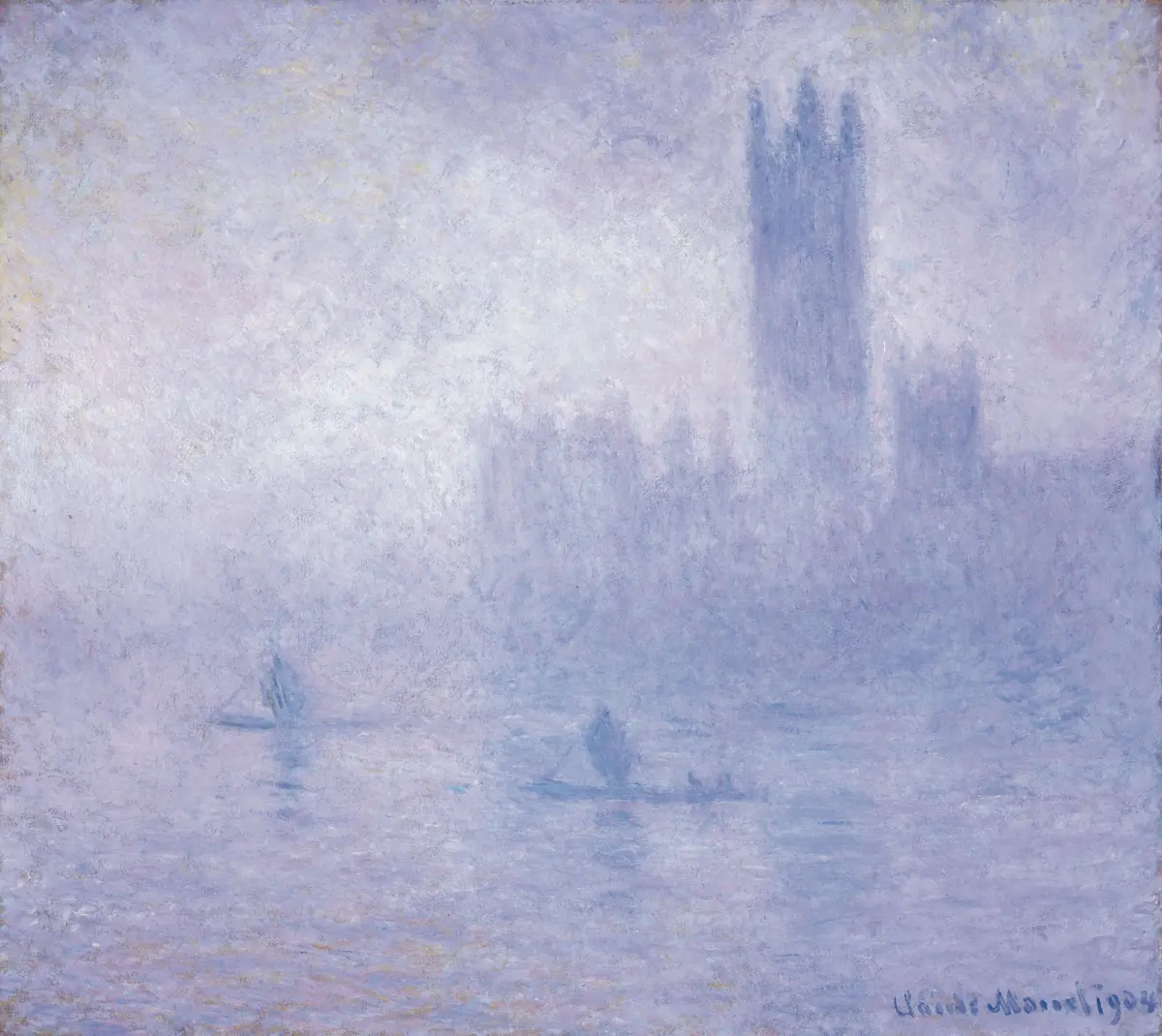
- The Tampa Bay Offering: The MFA St. Petersburg countered with Houses of Parliament: Effect of Fog, London (1904).
With the artworks selected, the couriers placed on standby, and the digital marketing teams primed, the wager was officially locked in ahead of Game 1. Now, every strike, home run, and defensive gem carries profound implications not just for the players on the field, but for the gallery walls awaiting the spoils of victory.
Supporting Context & Metrics: The Masterpieces on the Line
To truly understand the gravity of this wager, one must examine the provenance, art-historical significance, and institutional value of the two Monets hanging in the balance. These are not minor sketches or lesser-known studies; they are monumental achievements from one of the most celebrated series in the history of Western art.
Milwaukee Art Museum: Waterloo Bridge, Sunlight Effect (ca. 1903)
For the Milwaukee Art Museum, putting Waterloo Bridge, Sunlight Effect on the line is a monumental gesture of faith in the Brewers. This painting is not merely part of the collection; it is a beloved cornerstone and the only Claude Monet in MAM’s permanent holdings.
Painted during Monet’s extended visits to London in the early 20th century, the canvas depicts the iconic Waterloo Bridge shrouded in a hazy, atmospheric veil. Monet famously checked into the Savoy Hotel overlooking the River Thames, setting up his easel to study the shifting interplay of light, fog, smoke, and water. The result was a breathtaking meditation on modernity, industrialization, and perception.
The painting entered the Milwaukee Art Museum’s collection in 1950 as a transformative bequest from Mrs. Albert T. Friedmann following her death. It was part of a generous cache of more than 40 objects gifted to the institution, instantly elevating MAM’s profile in the mid-20th-century American art landscape. Today, it stands as a visitor favorite, frequently drawing crowds who linger to absorb its luminous pinks, blues, and golden yellows. The thought of losing this solitary Monet to St. Petersburg—even temporarily—is a heart-stopping prospect for local art lovers, making a Brewers victory a matter of utmost cultural defense.
Museum of Fine Arts, St. Petersburg: Houses of Parliament: Effect of Fog, London (1904)
Not to be outdone, the Museum of Fine Arts in St. Petersburg is risking one of the crown jewels of its own collection. Houses of Parliament: Effect of Fog, London, painted just a year after the Milwaukee canvas, captures the Gothic Revival architecture of the British parliament building looming ghost-like through the pea-soup fogs of the Thames.
Monet’s London series is celebrated for how it transcends mere topographical representation, transforming a physical landmark into a canvas of pure atmospheric sensation. The MFA’s version is a treasured centerpiece of its European art holdings.
Ordinarily, the painting anchors a prominent wall in the museum’s primary collection galleries. However, due to ongoing institutional rotations and gallery installations, the canvas is currently hanging in an upstairs gallery space. Stanton Thomas, the MFA’s curator of collections, noted the unique timing during the announcement of the wager:
"For visiting Brewers fans traveling down for away games or keeping tabs from afar, it might be their only chance to see it in this specific gallery context—though if our Rays pull off the victory, Milwaukeeans will have to travel south to catch a glimpse of it on our walls."
The painting represents the pinnacle of Monet’s plein-air experimentation, showcasing his obsession with capturing the fleeting effects of time, weather, and light.
Official Statements and Institutional Precedent
The intersection of high-end museum curation and sports fandom is a delicate balancing act. Museum directors and curators must maintain academic rigor and institutional dignity while embracing the infectious, playful energy of professional sports.
The Voice of the Curators
Representatives from both museums have leaned into the competitive spirit with wit and enthusiasm. While the stakes are high, the tone remains collegial, rooted in a shared appreciation for public access to great art.
"Wagers like this remind the public that art museums are not sterile, untouchable ivory towers; they are vibrant parts of the community fabric," noted one museum administrator close to the negotiations. "When our local teams succeed, our cities succeed—and in this case, our cultural footprint expands."
A Provenance of Past Wagers: The 2011 Super Bowl Precedent
This is not uncharted territory for the Milwaukee Art Museum, which has a history of leveraging its collection on the gridiron. The institution’s most famous sports-art crossover occurred in 2011, leading up to Super Bowl XLV, when the Green Bay Packers faced off against the Pittsburgh Steelers.
Ahead of that epic championship clash, MAM and the Carnegie Museum of Art (CMA) in Pittsburgh entered into a high-stakes loan agreement. The terms dictated that the losing city’s museum would send a major Impressionist master northward or southward.
As football fans across the nation watched Aaron Rodgers lead the Packers to a thrilling 31–25 victory over the Steelers, curators in Pittsburgh were quietly preparing one of their prized possessions for transit. The resulting forfeit brought Pierre-Auguste Renoir’s stunning 1880 painting Bathers With Crab to Milwaukee for a three-month residency. The Renoir became the centerpiece of MAM’s critically acclaimed special exhibition, Impressionism: Masterworks on Paper, drawing thousands of thrilled visitors who might otherwise have had to travel to Pennsylvania to see it.
The success of the 2011 Super Bowl wager established a cultural blueprint for how sports rivalries can cross-pollinate with high art. Rumors even surfaced during planning sessions that if the Steelers and Packers ever meet in the Super Bowl again, the Carnegie Museum might finally make a play for MAM’s heavily guarded Gustave Caillebotte masterpiece, Boating on the Yerres (1877). For now, however, all eyes are locked on the Brewers, the Rays, and the two Monets.
Future Outlook: The Aftermath of the 122nd World Series
As the final out of the World Series is recorded in the coming days, the celebratory champagne will flow in either Milwaukee or St. Petersburg. But alongside the championship rings, trophies, and ticker-tape parades, logistics teams from the triumphant city’s art museum will spring into immediate action.
The Logistics of Victory
Transporting a multi-million-dollar Claude Monet canvas is no trivial matter. It requires specialized climate-controlled crating, bonded fine-art couriers, armed transit escorts, and rigorous insurance riders. Museum registrars from both institutions have already laid the groundwork, ensuring that whichever painting changes hands does so under maximum security and optimal conservation conditions.
Should the Brewers triumph, Milwaukee art lovers will prepare to welcome Houses of Parliament: Effect of Fog, London into their midst. Plans will immediately be drawn up to install the masterpiece in a prominent gallery space, allowing Wisconsin sports fans to revel in a victory that literally reshapes the local art landscape.
Conversely, if the Rays secure the Commissioner’s Trophy, the Museum of Fine Arts in St. Petersburg will ready its galleries to receive Waterloo Bridge, Sunlight Effect, offering Florida residents a rare encounter with Milwaukee’s treasured solitary Monet.
Beyond the Scoreboard
Win or lose, the museums have already achieved a resounding victory in public engagement. In an era where cultural institutions constantly seek innovative ways to reach new audiences, bridging the gap between the baseball stadium and the museum gallery proves that art and athletics share a common emotional core: passion, excellence, and the pursuit of greatness.
As the first pitch crosses the plate tonight, fans in the bleachers are cheering for home runs and strikeouts, while curators in the galleries are watching the same pitches with bated breath—knowing that a single swing of the bat could send a French Impressionist masterpiece packing for a new home.


Comments
Facebook App ID not configured. Please add it in the Customizer.