
Executive Overview
In an era defined by rapid-fire digital consumption and the relentless acceleration of online culture, the journey of creating a literary work about the internet often mirrors the very technology it seeks to critique: iterative, chaotic, and perpetually shifting. Enter Ankur Thakkar, a Brooklyn-based multimedia artist, author, and Tennessee Williams Scholar at the Sewanee Writers’ Conference. Thakkar’s debut novel, Blow Yourself Up, set for publication by Northwestern University Press on September 15, 2026, is not merely a reflection on contemporary connectivity; it is the product of a grueling, twelve-year creative excavation.
Spanning a transformative decade in human history—beginning with the advent of the first smartphones and culminating on the precipice of the generative artificial intelligence boom—Blow Yourself Up explores the contours of first love across multiple metropolitan landscapes. It is a work forged through profound resilience, marked by three distinct manuscript overhauls, dozens of rejections carefully cataloged by a meticulous author, and an evolution from speculative fiction into gritty, contemporary realism.
In this comprehensive profile and interview, Thakkar pulls back the curtain on the arduous publishing lifecycle of his debut, the unique perspective he gained while working behind the scenes in the tech sector, and why he believes the chaotic process of writing without an outline remains the ultimate tool for literary discovery.
Read Also
Detailed Chronology: From Concept to Publication
The Genesis of a Decade-Long Project
The conceptual foundation of Blow Yourself Up was laid over a decade ago, immediately following Thakkar’s completion of his graduate degree in fiction. Armed with an MFA and a keen eye for narrative structure, Thakkar transitioned into a career working directly for major technology platforms. This insider view placed him on the front lines of the digital revolution, granting him a rare vantage point to observe how burgeoning tech ecosystems were actively reshaping human behavior, communication, and intimacy.
"If the internet had a heart, it would be connection," Thakkar reflects, noting that this single thematic core serves as the most effective lens through which to examine both the transcendent triumphs and the darkest, most alienating corners of modern digital life.
However, translating this sprawling, systemic shift into a cohesive fictional narrative was far from straightforward. The passage from initial concept to a signed publishing contract spanned a staggering twelve years—a timeline that tested the author’s endurance and demanded a radical reimagining of the book’s fundamental premise.
Three Revisions, Three Eras
During his twelve-year journey to publication, Thakkar approached literary agencies on three separate occasions. Each round of pitching necessitated a complete, ground-up rewrite of the manuscript.
The story’s core—a poignant narrative of first love unfolding across changing cityscapes—remained steadfast throughout the turbulence. Yet, the framing surrounding that love story underwent a profound metamorphosis. In its earliest iterations, Blow Yourself Up leaned heavily into speculative fiction, projecting anxieties about hyper-connectivity into exaggerated, hypothetical futures.
Paradoxically, as the years rolled on, the real world caught up with and eventually surpassed Thakkar’s speculative imagination. As political landscapes grew increasingly volatile, digital surveillance expanded, and online culture took on a distinctly dystopian tint, the novel’s speculative elements softened. What was once imagined as a distant, futuristic warning gradually matured into stark, urgent realism.
Supporting Context & Metrics: The Anatomy of a Debut
To truly understand the weight of Thakkar’s achievement with Blow Yourself Up, one must examine the broader literary and cultural landscape he is entering, as well as the quantitative hurdles he overcame to get there.
The Metrics of Persistence
- Timeframe: 12 years from conception to publication release (2014–2026).
- Publisher: Northwestern University Press.
- Release Date: September 15, 2026.
- Genre/Category: Contemporary Fiction / Literary Fiction.
- Pitch: A generational chronicle of first love, tracking the evolution of human connection from the birth of smartphone culture to the dawn of AI.
- Rejection Count: Dozens of rejections (meticulously tracked by the author using personal organizational logs).
Contextualizing the Digital Novel
Literary fiction addressing the internet age has faced a unique challenge: by the time a book is printed, bound, and distributed, the specific apps, interfaces, and slang it references often feel obsolete. Thakkar sidesteps this trap by focusing not on transient software trends, but on the psychological and emotional architecture of the human beings using them.
By anchoring the narrative in a personal love story against the backdrop of systemic technological shifts, Blow Yourself Up joins a select lineage of works that attempt to map the soul of the 21st century. Prior critical acclaim for Thakkar’s short-form writing—including Medium selecting his essay "Swipe" as one of the best personal essays about the internet, alongside publication credits in esteemed literary journals such as Guernica, PANK, and TriQuarterly—establishes him as a seasoned observer of digital intimacy. Furthermore, his background as a multimedia artist (with exhibitions at prestigious European venues like the Palais de Tokyo and La Friche la Belle de Mai) infuses his prose with a distinct visual sensibility and structural experimentation.
Official Statements & Insights: An Interview with Ankur Thakkar
In an exclusive exchange, Thakkar discusses the unexpected twists of his writing process, the vital importance of creative intuition, and what he hopes readers will carry away from his debut novel.
What prompted you to write this book?
"After my graduate degree in fiction, I built my career working for tech platforms and had a front row seat to how they evolved, changing us as we changed them. If the internet had a heart, it would be connection, which is the most useful lens to understand its brightest stars and darkest corners."
How long did it take to go from idea to publication, and did the idea change during the process?
"Twelve years passed between the initial idea to selling the novel. I reached out to agents three different times in that span and rewrote the novel completely each time. The core of the novel, the love story, has always been there, but what was once a speculative story softened into realism as our reality grew dystopian."
Were there any surprises or learning moments in the publishing process for this title?
"So many writers advised me to follow my intuition when it comes to the publishing process, and I didn’t know how right they were until I was in it. George Saunders always talks about the ‘bullshit detector’ when it comes to revising your work, and the same applies to navigating the publishing industry. If something feels off, it probably is. And if you’re lucky enough to find a team that completely understands your work and your vision like I was, you hold onto them for dear life."
Were there any surprises in the writing process for this book?
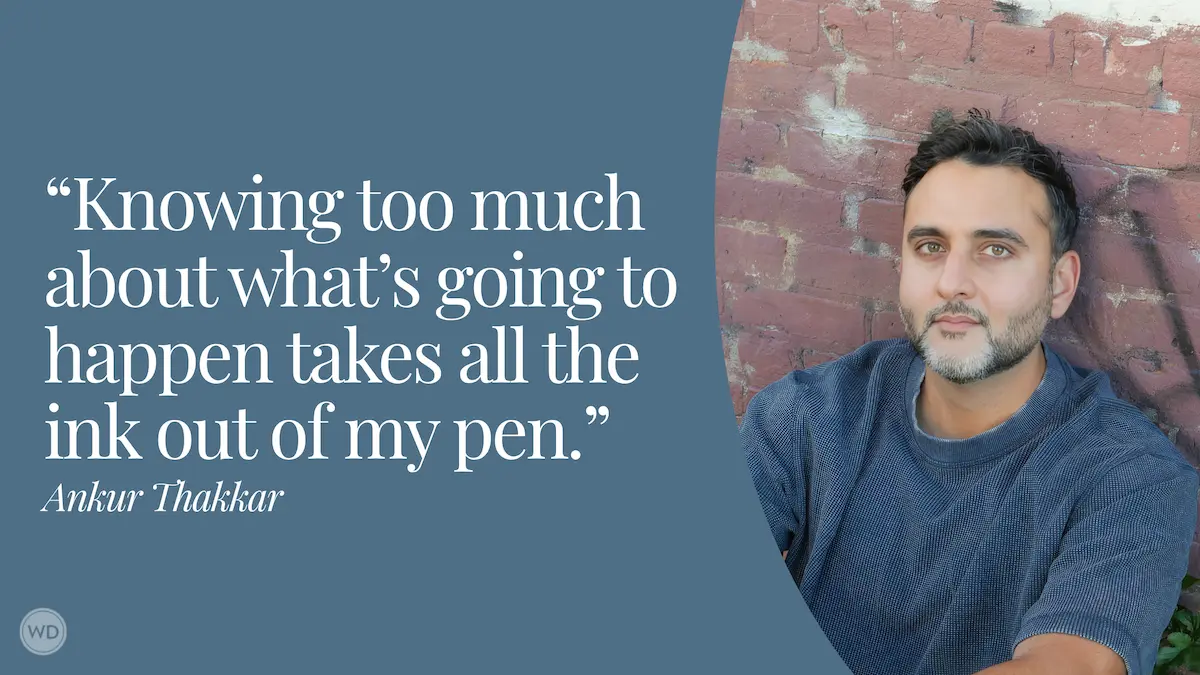
"As a pantser [someone who writes by the seat of their pants rather than outlining], the entire process is an array of surprising moments. Knowing too much about what’s going to happen takes all the ink out of my pen. I would say the biggest surprise was a later chapter that takes the form of a reality show voice-over."
What do you hope readers will get out of your book?
"Because the novel begins when the first smartphones arrive and ends at the dawn of AI, from our first friend requests to senile missives from totalitarian leaders, I hope readers can relive how we got to where we are. Culture tends to feel inevitable in retrospect, but one of fiction’s biggest gifts is to see the many meandering and splintering forces that underlie how life feels and, perhaps, in those nuances, offer hope."
Future Outlook: The Road Ahead for Blow Yourself Up
As the publishing date of September 15, 2026, draws closer, anticipation is building within literary circles for Northwestern University Press’s release of Blow Yourself Up. For Thakkar, whose multidisciplinary background spans visual art installations in Paris, digital essays that have captured national attention, and rigorous literary training as a Tennessee Williams Scholar, the novel represents the culmination of a decade-long artistic synthesis.
Beyond the launch of his debut, Thakkar’s trajectory offers a powerful blueprint for contemporary authors grappling with long-form projects in a fragmented world. His journey underscores a vital truth for emerging writers: the path to publication is rarely linear, and rejection, when cataloged and analyzed as feedback rather than a final verdict, can be an instrumental tool in unearthing the true voice of a manuscript.
For readers, Blow Yourself Up promises to be a mirror reflecting our collective digital history—a reminder of how rapidly our world transformed from the innocent novelty of early mobile applications to the complex, algorithmic labyrinth of today. In navigating these waters, Thakkar’s debut aims not to offer cynical despair, but rather to illuminate the messy, beautiful, and deeply human nuances that persist beneath the code.





Comments
Facebook App ID not configured. Please add it in the Customizer.