
Executive Overview
When the average consumer envisions a trip to Barnes & Noble, the immediate imagery evoked is invariably rows of towering bookshelves, the earthy aroma of printed paper, and the quiet ambiance of a literary sanctuary. For decades, the nation’s largest physical bookstore chain has anchored its brand identity in the printed word. However, beneath the surface of this traditional facade lies a deliberate, highly calculated retail diversification strategy. Modern retail analytics reveal that Barnes & Noble has systematically transformed significant portions of its store layouts into curated lifestyle boutiques.

By expanding its inventory to encompass exclusive merchandise, high-end collectible hardcovers, and functional accessories such as sustainably produced book totes, the company has repositioned itself as a multifaceted gift destination. This strategic pivot addresses shifting consumer habits, appealing directly to demographics that extend far beyond the traditional avid reader. Whether capturing the attention of pop-culture enthusiasts, design-conscious students, or casual shoppers seeking thoughtful, moderately priced gifts, Barnes & Noble’s non-book sectors now play a vital role in driving store traffic and boosting average transaction values. This report investigates the mechanics of this retail evolution, analyzing four standout gift items currently defining the brand’s curation strategy, evaluating their market positioning, and projecting the long-term outlook for bookstore-based lifestyle merchandising.
Detailed Chronology & Strategic Evolution
To understand how Barnes & Noble reached its current merchandising mix, one must examine the chronological shifts in the physical retail landscape over the past two decades.
Read Also
The Early-to-Mid 2000s: The Digital Disruption and the Search for Identity
At the turn of the century, big-box bookstores faced an existential threat brought on by online e-commerce giants and the rapid popularization of digital e-readers. As foot traffic threatened to decline, bookstore executives realized that relying solely on physical book sales was no longer a sustainable long-term model. The initial phase of diversification saw the introduction of basic non-book items—chiefly greeting cards, standard calendars, and basic reading lights. While these items generated supplemental revenue, they lacked a cohesive brand identity and often felt like generic afterthought merchandise rather than intentional retail offerings.
The Late 2010s: The Rise of Curated Lifestyle Merchandising
A significant turning point occurred as leadership recognized that consumers increasingly valued experiential retail. Rather than competing purely on inventory volume, Barnes & Noble began curating its non-book sectors to reflect current cultural trends, fandoms, and aesthetic preferences. Board games, artisanal stationery, high-end plush toys, and proprietary gift lines were introduced. This era marked the transition from "selling sideline items" to "curating lifestyle experiences." Store designers reconfigured floor plans to place eye-catching gift displays near high-traffic checkout counters and storefront windows, capturing impulse buys and transforming casual browsers into active buyers.
The Modern Era: Exclusivity and Fandom Integration
In recent years, the strategy has crystallized around exclusivity and targeted pop-culture curation. Recognizing the immense loyalty of fandom communities—ranging from sci-fi and fantasy enthusiasts to graphic novel aficionados—Barnes & Noble established partnerships to secure exclusive merchandise and special-edition hardcovers. Items like proprietary humor titles, deluxe franchise collector editions, and eco-friendly branded accessories are now meticulously scheduled and marketed alongside major media releases. This integration ensures that a visit to the bookstore feels synchronized with contemporary cultural conversations, cementing Barnes & Noble’s role as a vibrant community hub rather than a passive warehouse of books.

Supporting Context & Product Metrics
To evaluate the tangible execution of this strategy, one must examine the specific product lines currently driving consumer engagement. Barnes & Noble has carefully calibrated its price points to sit comfortably within the impulse-to-moderate gift range, typically spanning from $19.99 to $35.00. This pricing sweet spot allows consumers to purchase thoughtful, high-perceived-value gifts without financial strain.

1. Cute & Anxiety by Yves (Exclusive Edition)
- Price Point: $19.99
- Product Classification: Barnes & Noble Exclusive / Humorous Lifestyle Book & Novelty
- Market Positioning: Positioned directly at the intersection of modern mental health awareness, relatability, and internet humor, this exclusive publication appeals strongly to younger demographics, Gen Z consumers, and gift-shoppers seeking quirky, conversational items.
- Merchandising Value: Exclusive products insulate retailers from direct price-matching pressures by online-only competitors. Because consumers cannot purchase this exact edition elsewhere, foot traffic to physical storefronts is naturally stimulated. Furthermore, its modest $19.99 price point makes it an ideal anchor item for curated birthday baskets, easily paired with gourmet snacks, artisan bookmarks, or handwritten notes.
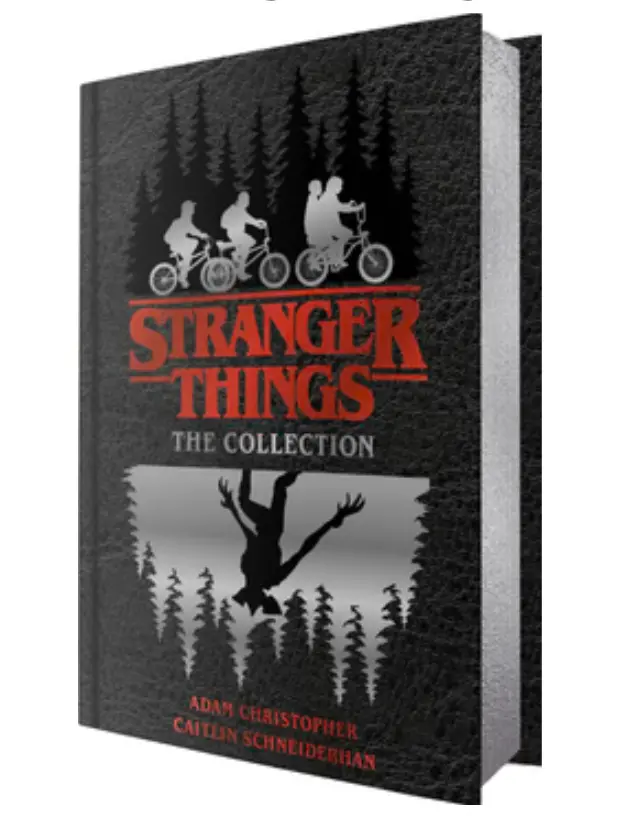
2. Stranger Things Collectible Editions
- Price Point: $35.00
- Product Classification: Hardcover Franchise Collectible / Pop-Culture Literature
- Market Positioning: Targeted squarely at the massive global fanbase of the Netflix science-fiction phenomenon, this hardcover edition—featuring contributions from authors such as Caitlin Schneiderhan and Adam Christopher—elevates standard media merchandise into a premium collector’s item.
- Merchandising Value: At $35.00, this item targets gift-givers looking for a substantial, impressive present for birthdays or holidays. Unlike ephemeral plastic merchandise, a high-quality hardcover edition serves a dual purpose: it provides narrative entertainment while acting as a striking bookshelf display piece. This capitalizes on the modern consumer trend of "bookshelf styling" and physical media appreciation.
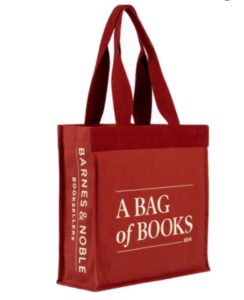
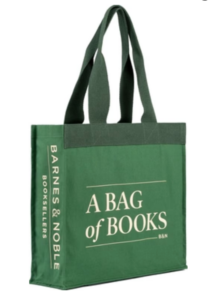
3. & 4. The Barnes & Noble "Bag of Books" Tote (Burgundy & Green Variants)
- Price Point: $24.99 each
- Product Classification: Sustainable Everyday Accessory / Re-wrap Partnership
- Market Positioning: Designed in collaboration with eco-conscious lifestyle brand re-wrap, these durable cotton totes combine utilitarian function with bookish aesthetic charm. Offered in classic Burgundy and fresh Green, the bags cater to students, educators, commuters, and avid library-goers.
- Merchandising Value: Functional accessories bridge the gap between novelty gifts and daily utility. Priced at $24.99, these totes offer high utility, ensuring that the recipient will incorporate the item into their regular routine. Moreover, retailers can merchandise these bags as "ready-made gift kits"—pre-stuffing them with a bestselling paperback, artisanal treats, and bookmarks to increase overall basket size and perceived gift value.
| Product Name | Category | Price Point | Target Demographic | Strategic Purpose |
|---|---|---|---|---|
| Cute & Anxiety | Exclusive Novelty | $19.99 | Gen Z / Quirky Gift Seekers | Drive foot traffic via retail exclusivity; impulse gifting. |
| Stranger Things Collectible | Franchise Hardcover | $35.00 | Sci-Fi Fans / Collectors | Capture pop-culture loyalty; serve as home decor/display piece. |
| "Bag of Books" Tote (Burgundy) | Sustainable Accessory | $24.99 | Students / Commuters / Readers | Offer everyday utility; support bundled gift-kit merchandising. |
| "Bag of Books" Tote (Green) | Sustainable Accessory | $24.99 | Students / Commuters / Readers | Provide colorway alternatives to match recipient aesthetic preferences. |
Official Insights & Retailer Perspective
Industry analysts and retail executives emphasize that the modern brick-and-mortar bookstore must evolve past a pure inventory model to survive in an omnichannel retail environment. According to retail strategy experts, physical stores succeed when they function as "discovery engines."

When consumers walk into a Barnes & Noble, they are rarely on a strictly linear mission to purchase a single, pre-determined title. Instead, the physical environment encourages meandering, tactile exploration, and sensory engagement. By intentionally placing non-book items—such as the re-wrap cotton totes or exclusive novelty titles—along major pathways and impulse zones, the retailer maximizes exposure to high-margin lifestyle goods.

Furthermore, corporate statements from major bookstore leadership over recent years consistently highlight the importance of community curation. Store managers are increasingly empowered to tailor their non-book selections to reflect local demographic tastes, university proximity, and regional cultural interests. This localized approach ensures that gift sections do not feel like homogenous corporate displays, but rather curated boutiques tailored to the specific neighborhood’s reading and lifestyle culture.

Future Outlook: The Intersection of Literature and Lifestyle
Looking ahead, the trajectory of Barnes & Noble’s merchandising strategy points toward an even deeper integration of lifestyle products, pop-culture artifacts, and experiential retail design.
As digital media consumption continues to dominate casual reading and entertainment, the value of physical objects has undergone a cultural renaissance. Consumers increasingly view physical books, special editions, and book-themed lifestyle accessories as tactile markers of identity, personal taste, and intellectual pride. The popularity of book-tok and online reading communities has fueled a massive surge in demand for aesthetically pleasing physical items that can be proudly displayed on social media platforms and home bookshelves alike.
To capitalize on this macro-trend, Barnes & Noble is expected to expand its partnerships with independent designers, sustainable manufacturers, and major entertainment studios. Exclusive releases will likely become even more sophisticated, offering bespoke slipcovers, sprayed edges, and custom-designed bookish merchandise bundled as complete lifestyle packages.

Ultimately, the traditional bookstore is no longer merely a place to acquire reading material. Through strategic curation, thoughtful pricing, and an acute understanding of modern consumer psychology, Barnes & Noble has successfully redefined itself as a premier destination for meaningful, personality-driven gifting. Whether shoppers enter looking for a high-end collector’s edition, a quirky exclusive title, or a durable everyday tote bag, the modern bookstore proves that the physical retail experience remains vibrant, evolving, and deeply relevant in the twenty-first century.


Comments
Facebook App ID not configured. Please add it in the Customizer.