
Executive Overview
A decade after the national conscience was seared by the images of lead-contaminated water pipes and institutional neglect, Flint, Michigan, has once again found itself at the epicenter of a major public health narrative. Yet, this time, the city of roughly 80,000 residents is pioneering a radically hopeful paradigm rather than simply enduring a man-made disaster. For years, beneath the shadow of the water crisis, Flint quietly grappled with a tragically high newborn mortality rate—a statistic that underscored the stubborn, compounding lethality of endemic poverty.
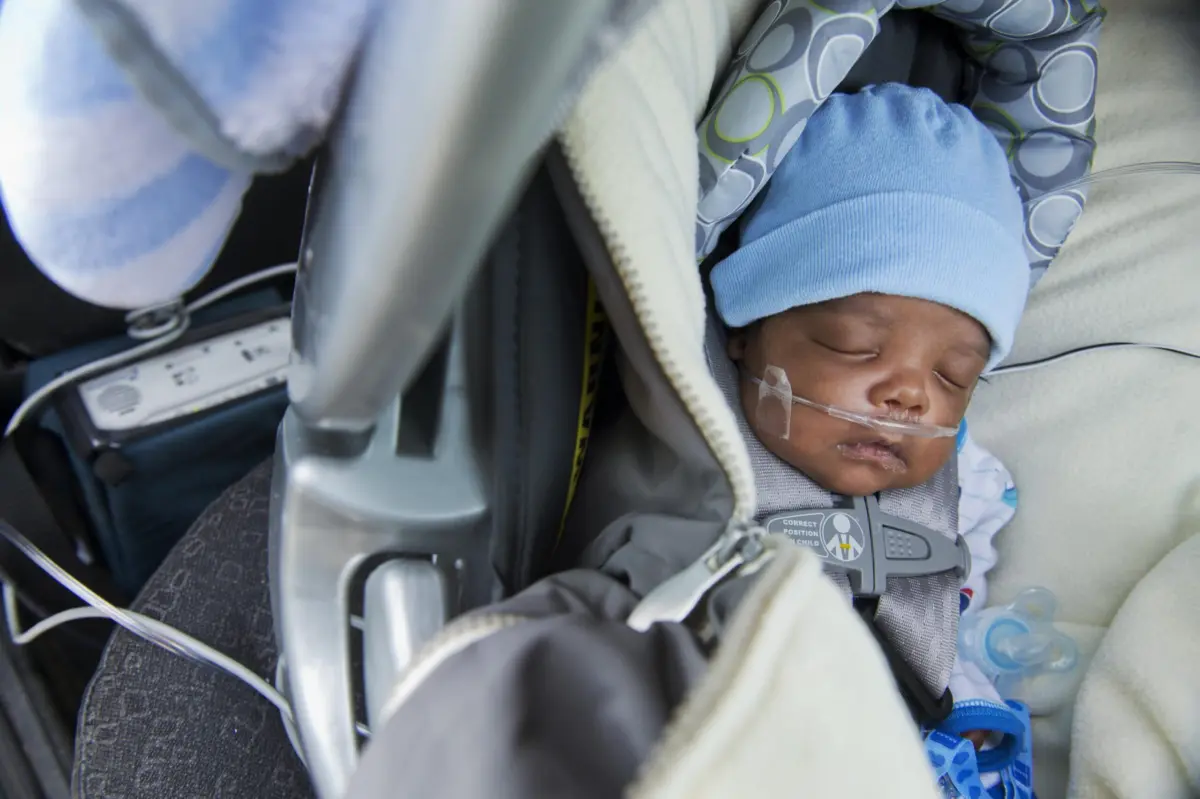
However, groundbreaking data released this week from a novel guaranteed-income initiative known as Rx Kids suggests a powerful, scalable antidote to this crisis. By providing expectant mothers with unconditional cash transfers—$1,500 at the start of enrollment during early pregnancy, followed by $500 every month until a year after childbirth—the city witnessed an astonishing drop in its neonatal mortality rate. According to the peer-reviewed findings published in JAMA Pediatrics, deaths within the first month of life plummeted by nearly half, sliding from 9.4 per 1,000 live births down to 5.1 per 1,000 live births among program participants.
The implications of the Rx Kids study extend far beyond the borders of Genesee County. As policymakers, economists, and public health experts debate the merits of universal basic income (UBI) and targeted social safety nets, Flint serves as a living laboratory. The intervention challenges traditional, paternalistic welfare models by demonstrating that unrestricted financial liquidity, when deployed during the critical perinatal window, can fundamentally alter physiological and socioeconomic trajectories.
Read Also
Nevertheless, the findings arrive amid a complex backdrop of broader U.S. economic research, where cash-transfer trials have yielded mixed results. While international precedents—such as similar programs in Kenya that slashed infant mortality by 48 percent—mirror Flint’s success, domestic trials like the multi-year Baby’s First Years Study have complicated the narrative by showing negligible immediate impacts on broader child development metrics. Consequently, while public health advocates champion the expansion of Rx Kids to more than 60 communities across Michigan, methodologists urge cautious optimism, calling for a deeper investigation into the exact biological and behavioral mechanisms driving these unprecedented outcomes.
Detailed Chronology: The Evolution of Rx Kids and the Flint Intervention
To understand the magnitude of the Rx Kids intervention, one must examine the timeline of systemic vulnerability that preceded it. Flint’s socio-economic fabric has been frayed for decades. The steady deindustrialization of the American Rust Belt hollowed out the city’s tax base, leaving behind concentrated pockets of deep, intergenerational poverty. When the water crisis struck in 2014, it exacerbated existing structural inequalities, eroding public trust in institutions and placing chronic, toxic stress on pregnant women and young families.
By the early 2020s, Flint’s maternal and child health indicators were among the most alarming in the state. In 2024, the infant mortality rate sat at 9.4 deaths per 1,000 births—nearly double the national average of 5.54. The United States itself performs poorly on this metric compared to virtually all other high-income industrialized nations. Recognizing that standard clinical interventions were insufficient to counteract the social determinants of health, a coalition of public health leaders, philanthropists, and community organizers set out to design an aggressive structural countermeasure.
Phase One: Conception and Design (2022–2023)
Led by visionaries such as Dr. Mona Hanna, associate dean for public health at Michigan State University, and supported by implementation partners like the direct-giving nonprofit GiveDirectly, the Rx Kids initiative was formally conceptualized. The core premise was deceptively simple: bypass bureaucratic red tape, eliminate means-tested restrictions, and put cash directly into the hands of mothers when they need it most.
Unlike traditional assistance programs that dictate how funds can be spent—often restricting purchases to specific groceries or utilities—Rx Kids operated on a philosophy of radical trust. Mothers enrolled in the program received their initial $1,500 cash lump sum typically within the first 16 weeks of pregnancy. This critical injection of capital was designed to alleviate the immediate financial shock associated with preparing for a newborn. Following the initial disbursement, participants received a reliable monthly stipend of $500 continuing through the first year of the child’s life.
Phase Two: High-Uptake Rollout (2023–2024)
Flint proved to be an ideal ecosystem for a city-wide saturation model. Because the program was structured with remarkably low barriers to entry—requiring only residency within a designated Flint zip code—uptake was extraordinary. More than 90 percent of all pregnant mothers across the geographic region enrolled. This near-total population coverage created a unique epidemiological environment, effectively transforming the entire city into an intervention zone.
As the program matured, researchers began tracking cohorts to measure its immediate impacts. Earlier studies published in outlets like The Lancet revealed that the financial cushion directly influenced maternal behavior. Expectant mothers in the Rx Kids cohort demonstrated a significantly reduced propensity to engage in high-risk behaviors, such as smoking during pregnancy. Furthermore, early physiological markers showed a reduction in preterm births and low-birth-weight deliveries, which historically serve as primary drivers of neonatal distress and subsequent Neonatal Intensive Care Unit (NICU) admissions.
Phase Three: The Landmark JAMA Pediatrics Disclosure (2025)
The release of the JAMA Pediatrics data marked a watershed moment for the initiative. By tracking neonatal outcomes—focusing specifically on the first 28 days of life—researchers quantified the life-saving impact of the cash transfers. The drop from 9.4 to 5.1 deaths per 1,000 live births provided concrete empirical backing for what advocates had long asserted: poverty is not merely a social misfortune, but a physiological pathogen that directly threatens human survival at its earliest stages.
Supporting Context & Metrics: Analyzing the Data and Behavioral Shifts
The dramatic halving of Flint’s neonatal mortality rate invites a rigorous examination of how cash transfers translate into improved biological outcomes. Public health researchers point to a combination of material resource acquisition and psychological stress reduction as the primary engines of change.
How Families Deploy the Funds
Data collected on spending habits within the Flint cohort dispel common, stigmatized anxieties regarding unconditional cash assistance. Rather than being squandered on frivolous expenses, the funds were overwhelmingly utilized as a functional child allowance.
- Baby Supplies: The single largest expenditure category for participating mothers was dedicated to essential infant goods, including diapers, formula, clothing, and safe sleep environments (cribs and bassinets).
- Housing Stability: Rent and mortgage payments ranked second, directly mitigating the threat of housing instability and homelessness—major environmental stressors known to trigger cortisol spikes in pregnant women.
- Nutrition Security: Food purchases accounted for a substantial portion of the monthly budget, directly improving the nutritional profiles of expectant mothers and reducing food insecurity-related complications.
The Behavioral and Clinical Pathway
Dr. Hanna and her research team emphasize that the physiological health of a newborn is inextricably linked to the mother’s access to consistent, high-quality healthcare throughout the gestation period.
"For a baby to not be born prematurely, they have to have good prenatal care, and we saw that," Dr. Hanna explained.
In impoverished communities, the logistical and financial hurdles of attending routine prenatal appointments—such as paying for reliable transportation, securing childcare for older siblings, or taking unpaid time off from hourly wage jobs—frequently result in missed screenings. The Rx Kids cash transfers dissolved these friction points. With liquid capital on hand, mothers were able to secure reliable transit to clinics, pay for necessary co-pays, and access essential pharmaceutical and nutritional interventions.
By alleviating financial toxicity, the program also reduced chronic maternal stress. Prolonged activation of the body’s stress response system releases hormones like cortisol, which can restrict uterine blood flow and trigger premature labor. By stabilizing household budgets, Rx Kids helped lower systemic stress, directly contributing to longer, healthier gestations and a subsequent reduction in emergency NICU utilization.
Comparative National and International Metrics
Flint’s success does not exist in a vacuum; it aligns with a growing body of global literature on unconditional cash transfers. Most notably, a prominent study published last summer evaluated households in Kenya that received unconditional cash transfers. The findings mirrored Flint’s trajectory with uncanny precision: infant mortality dropped by 48 percent, institutional hospital deliveries increased, and maternal healthcare utilization surged.
However, the domestic landscape of guaranteed income research remains nuanced. The much-discussed Baby’s First Years Study, which spanned from 2018 to 2022, provided $4,000 annually to low-income families with young children in a rigorous randomized controlled trial. Interestingly, that study reported no statistically significant effects on broader child development metrics over its monitored timeline, prompting ongoing scholarly debates regarding the optimal dosage, timing, and structural design of cash-transfer programs. While Baby’s First Years targeted families after birth with modest annual disbursements, Rx Kids front-loaded capital precisely during the perinatal window with higher monthly frequencies—a structural distinction that public health experts believe may account for Flint’s dramatic physiological results.
Official Statements and Methodological Critiques
Despite the celebratory tone surrounding the JAMA Pediatrics publication, the scientific community maintains a rigorous commitment to methodological scrutiny. While the results are undeniably striking, epidemiologists emphasize the need to understand the structural limitations of community-level interventions.
Nigel Paneth, an emeritus professor of epidemiology and biostatistics at Michigan State University who has spent decades studying preterm births, offered a measured assessment of the findings. While praising the initiative as deeply promising, Professor Paneth pointed out a foundational design limitation common to many population-level public health studies: the lack of a traditional randomized control group within the same geographic footprint.
"If the program was to ever expand, you would have to see if this effect is generalizable and not just the product of some other factor," Paneth noted, emphasizing that concurrent community health initiatives or shifting economic variables must be ruled out as confounding elements.
Furthermore, Paneth highlighted the imperative of reverse-engineering the exact biological mechanisms at play. "I also think we’re really obligated to begin to try to see if we can figure out the mechanism," he stated. "What is going on? What might happen in pregnancy that a cash transfer would change? It’s not intuitively obvious what that might be."
Proponents of the program, including Dr. Hanna, counter that while isolating every microscopic variable in a complex human ecosystem is difficult, the overarching moral and public health imperative is clear. Dr. Hanna famously characterizes the intersection of poverty and health outcomes in stark terms:
"Poverty is a pathogen. It makes kids sick and communities sick. With more funding, we could go anywhere."
Supporters argue that waiting for absolute reductionist clarity while infants continue to die at preventable rates is an ethical failure. They maintain that the convergence of qualitative maternal testimonials, behavioral modifications (such as reduced smoking rates), and quantitative drop-offs in neonatal mortality provide an overwhelming preponderance of evidence supporting immediate policy action.
Future Outlook: Scaling the Model and Policy Implications
As the initial euphoria over the Flint data settles into hard-nosed policy strategy, the question of scale looms large. Providing a total financial package of $7,500 per family across a relatively small, concentrated urban center is a manageable fiscal challenge for philanthropic foundations and localized public-private partnerships. However, translating this model to a nationwide scale presents significant macroeconomic hurdles and fierce political debates over public spending and welfare reform.
Expanding Across Michigan and Beyond
Rather than retreating in the face of scalability challenges, the architects of Rx Kids are actively leaning into expansion. With crucial financial backing from the State of Michigan itself, Rx Kids is currently building out similar testing grounds in over 60 communities across the state. This multi-site expansion will serve as the ultimate proving ground, allowing researchers to test whether the miraculous outcomes observed in Flint can be replicated in diverse rural, suburban, and post-industrial urban environments.
This statewide scaling represents a significant evolution in American social policy. By moving guaranteed income out of isolated municipal pilot programs and integrating it into state-level public health infrastructure, Michigan is effectively testing a new model of preventative healthcare—one where the treasury department functions as an adjunct to the Department of Health and Human Services.
The Road Ahead for Perinatal Care
As the Rx Kids study continues to track its cohorts past the neonatal period and into early childhood, the medical community awaits longer-term data. Researchers are eager to determine whether the early physiological advantages conferred by financial stability translate into sustained cognitive, behavioral, and physical health benefits as children enter toddlerhood and formal schooling.
Ultimately, the Flint experiment forces a fundamental re-evaluation of how society addresses systemic health disparities. For decades, public health strategies have focused mylessly on downstream clinical interventions—treating the symptoms of poverty after they manifest in hospital emergency rooms and neonatal intensive care units.
Flint’s story suggests a more efficacious, humane alternative: treating poverty itself as a medical emergency, and providing mothers with the most fundamental tool for survival and dignity—financial agency. If the subsequent data from Michigan’s statewide expansion mirrors the triumphs seen along the Flint River, the quiet revolution born out of a city scarred by water contamination may well redraw the blueprint for maternal and child welfare across the United States.





Comments
Facebook App ID not configured. Please add it in the Customizer.