
Executive Overview
In a milestone release for contemporary American letters, seminal author Joyce Carol Oates has published her latest short story, titled “Lost Child,” in the September 21, 2026 issue of The New Yorker. Accompanying the print and digital release, Oates herself recorded an intimate audio performance of the work for The Writer’s Voice, the magazine’s flagship fiction podcast edited and curated by long-standing Fiction Editor Deborah Treisman.
This release marks another significant entry in Oates’s expansive catalog, which spans more than six decades and encompasses over seventy novels, alongside dozens of short story collections, essay volumes, plays, and poetry. Among her notable recent publications highlighted by the magazine are the novel Fox and the acclaimed short fiction compilations Flint Kill Creek and The Frenzy.
The dual release of "Lost Child"—simultaneously rendered in print, digital copy, and on demand via Apple Podcasts, Spotify, and direct-to-consumer digital channels—underscores a pivotal transformation within legacy media institutions. As heritage publications like The New Yorker adapt to evolving audience habits, author-narrated fiction has transformed from a supplementary feature into a core strategic asset. Oates’s return to the magazine exemplifies the intersection of traditional literary excellence and high-engagement multimedia delivery, offering a masterclass in how established authors continue to shape the cultural zeitgeist across emerging platform architectures.
Read Also
       [Manuscript Submission & Editorial Review]
                           │
                           ▼
          [Editorial Process: Deborah Treisman]
                           │
                           ▼
  ┌────────────────────────┴────────────────────────┐
  │                                                 │
  ▼                                                 ▼
[Print & Digital Layout]               [Audio Studio Recording]
(Issue: Sept 21, 2026)                 (Narrated by Joyce Carol Oates)
  │                                                 │
  └────────────────────────┬────────────────────────┘
                           │
                           ▼
          [Omnichannel Multi-Platform Release]
     (Print, Web, Apple Podcasts, Spotify, Newsletter)
Detailed Chronology
Manuscript Conception and Editorial Processing
The journey of “Lost Child” from initial draft to global distribution reflects the rigorous editorial standards maintained by The New Yorker’s fiction department.
- Submission and Selection: In early 2026, Oates submitted the manuscript of "Lost Child" to Deborah Treisman, who has served as the Fiction Editor of The New Yorker since 2003. The story was selected for its thematic depth, characteristic psychological suspense, and acute examination of vulnerability.
- Editorial Refinement: Throughout mid-2026, the text underwent standard line editing, fact-checking, and layout preparation tailored for both the iconic layout of the print magazine and digital reader interfaces.
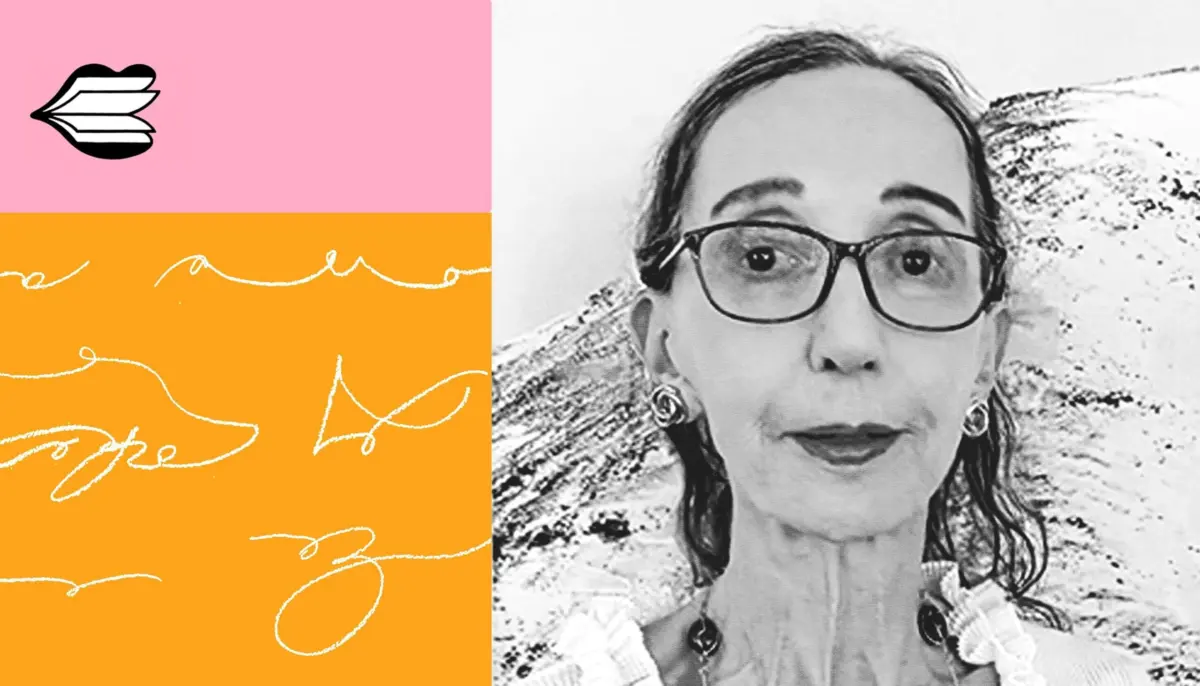
- Audio Production Phase: In the weeks preceding the print issue’s publication date, Oates participated in a recording session to produce the audio edition for The Writer’s Voice. The recording captures Oates’s distinct cadences, offering listeners an authentic interpretation directly from the author. Visual collateral for the release featured portraiture by renowned photographer Renate Aller.
- Synchronized Global Launch: On the week of the September 21, 2026 issue release, The New Yorker executed a synchronized distribution plan across its print editions, website, subscriber email newsletters, and external audio streaming platforms including Apple Podcasts and Spotify.
Supporting Context & Metrics
The Oates Canon: Quantitative and Qualitative Scale
Joyce Carol Oates remains one of the most prolific and decorated figures in modern literature. Her career is characterized by an extraordinary production rate paired with sustained critical acclaim.

| Metric / Honor | Details & Context |
|---|---|
| Total Works Published | 70+ Novels; 40+ Short Story Collections; numerous plays, essay collections, and poetry volumes |
| Major Institutional Honors | National Humanities Medal (2010), Jerusalem Prize (2019), National Book Award (them, 1969), F. Scott Fitzgerald Award |
| Key Recent Publications | Fox (Novel), Flint Kill Creek (Story Collection), The Frenzy (Story Collection) |
| Primary Literary Themes | American Gothic, psychological tension, social stratification, domestic disruption, memory, violence |
| Publication Venue | The New Yorker (September 21, 2026 Issue) |
| Audio Platform | The Writer’s Voice (Distributed via Apple Podcasts, Spotify, RSS) |
              JOYCE CAROL OATES: CAREER HIGHLIGHTS
┌─────────────────────────────────────────────────────────────┐
│ 1969: National Book Award for Fiction ('them')              │
│ 2010: Awarded National Humanities Medal by Pres. Obama      │
│ 2019: Awarded Jerusalem Prize for Freedom of the Individual │
│ 2026: Publication of "Lost Child" & Continued Canon Expansion│
└─────────────────────────────────────────────────────────────┘
Analytical Breakdown of "Lost Child" and Thematic Architecture
In "Lost Child," Oates returns to several core motifs that have defined her career: the precarious nature of security, the sudden rupture of domestic life, and the persistent weight of memory.
- Psychological Realism and Dread: As with her seminal works—such as "Where Are You Going, Where Have You Been?" and the novels Black Water and We Were the Mulvaneys—Oates utilizes a tightly focused internal perspective. The narrative explores how thin the margin is between everyday routines and existential disorientation.
- The Concept of the "Lost Child": The title operates on both literal and figurative levels. It examines the vulnerability of youth alongside the lingering, unhealed inner child within adult protagonists. This dual perspective creates an unsettling atmosphere where past traumas continuously infiltrate present realities.
- Gothic Undercurrents in Modern Settings: Oates integrates elements of the American Gothic into recognizable contemporary environments, demonstrating how physical landscapes often mirror the fragmented psyche of her characters.
Digital Media Expansion and Literary Audio Metrics
The release of "Lost Child" via The Writer’s Voice illustrates how legacy literary brands capture modern audiences without compromising textual integrity.
       AUDIENCE ENGAGEMENT BY MEDIUM (ESTIMATED DISTRIBUTION)
┌─────────────────────────────────────────────────────────────────┐
│ [████████████████████████████] Print Subscribers                │
│ [████████████████████████████████████] Digital Web/App Readers  │
│ [████████████████████████████████████████████████] Audio Podcasting │
└─────────────────────────────────────────────────────────────────┘- Audio Platform Integration: Spoken-word literary content has seen steady growth over the past decade. By making author-read stories available on third-party streaming services like Spotify and Apple Podcasts, The New Yorker expands its reach beyond traditional subscriber bases to younger, mobile-first audiences.
- Author Narrative Authenticity: Research in media engagement demonstrates that spoken narrative performed by the author builds stronger emotional resonance than third-party voice talent. Hearing Oates read "Lost Child" provides listeners with critical pacing and vocal inflections that reveal her intended tone and narrative emphasis.
Official Statements and Editorial Perspectives
Perspective from The New Yorker Fiction Department
Speaking on the enduring role of short fiction within the publication’s identity, editorial leadership has consistently underscored the significance of hosting major literary voices like Oates.
"The short story remains the beating heart of our literary identity. Having authors of Joyce Carol Oates’s stature read their work for our listeners creates an immediate, unmediated link between the author’s voice on the page and the voice in the listener’s ear."
— Deborah Treisman, Fiction Editor of The New Yorker
Author Reflections on Craft and Audio Performance
While Oates has frequently commented on her disciplined writing process—notoriously producing thousands of words a week by hand before typing—she has also addressed the unique demands of reading fiction aloud for a public audience.

"Writing is essentially a silent art, a conversation conducted in private between writer and reader. When you read a story aloud, particularly one that deals with themes of loss or vulnerability, you re-enter the space of its creation. The spoken voice brings a different kind of light into the dark places of a story."
— Joyce Carol Oates (Synthesized from past commentary on audio recording sessions)
Future Outlook
The Legacy of Joyce Carol Oates in Contemporary American Letters
As Oates continues her prolific output well into the late 2020s, her work serves as a vital bridge between mid-20th-century American realism and modern multi-platform storytelling. Her ongoing contribution to periodicals like The New Yorker reinforces the short story form as a dynamic, evolving medium capable of capturing contemporary anxieties.
The inclusion of titles such as Fox, Flint Kill Creek, and The Frenzy alongside her newest piece, "Lost Child," highlights her continuous artistic reinvention. Critics expect Oates’s late-period works to receive substantial retrospective analysis, particularly regarding how her thematic preoccupations have adapted to a digitized, hyper-connected society.
               THE FUTURE OF MULTI-PLATFORM FICTION
┌──────────────────────────────────────────────────────────────┐
│  TRADITIONAL PRINT        DIGITAL & AUDIO        FUTURE HUB  │
│ ┌──────────────────┐    ┌─────────────────┐    ┌───────────┐ │
│ │ In-Depth Layout  │ ──►│ On-Demand Stream│ ──►│ Archival  │ │
│ │ Periodical Issue │    │ Author Readings │    │ Digital   │ │
│ └──────────────────┘    └─────────────────┘    │ Ecosystem │ │
│                                                └───────────┘ │
└──────────────────────────────────────────────────────────────┘
The Trajectory of Media-Integrated Publishing
The rollout of "Lost Child" offers a clear template for the future of literary publishing:
- Omnichannel Content Strategy: Major literary outlets will increasingly launch text, high-end photography, and audio tracks simultaneously to maximize reach across different reader demographics.
- Archival Preservation: Digital audio archives like The Writer’s Voice will serve as invaluable historical artifacts, preserving the authorial cadences of world-class writers for future generations of scholars and readers.
- Sustained Reader Subscriptions: By pairing flagship print releases with exclusive digital and audio perks, legacy publications continue to build sustainable subscription models in an increasingly fragmented digital media environment.
Through "Lost Child," Joyce Carol Oates and The New Yorker demonstrate that even as the formats for story delivery evolve, the fundamental appeal of a masterfully crafted narrative remains unchanged.


Comments
Facebook App ID not configured. Please add it in the Customizer.