
Executive Overview
On Thursday, a violent, high-intensity cloudburst struck Florence, Italy, unleashing nearly two inches of rain within a harrowing sixty-minute window. The sudden deluge overwhelmed municipal drainage systems and tested the structural integrity of some of the world’s most revered cultural institutions. Among the hardest hit were the legendary Uffizi Gallery and the historic Palazzo Pitti—two crown jewels of Renaissance architecture and repositories of priceless Western art.
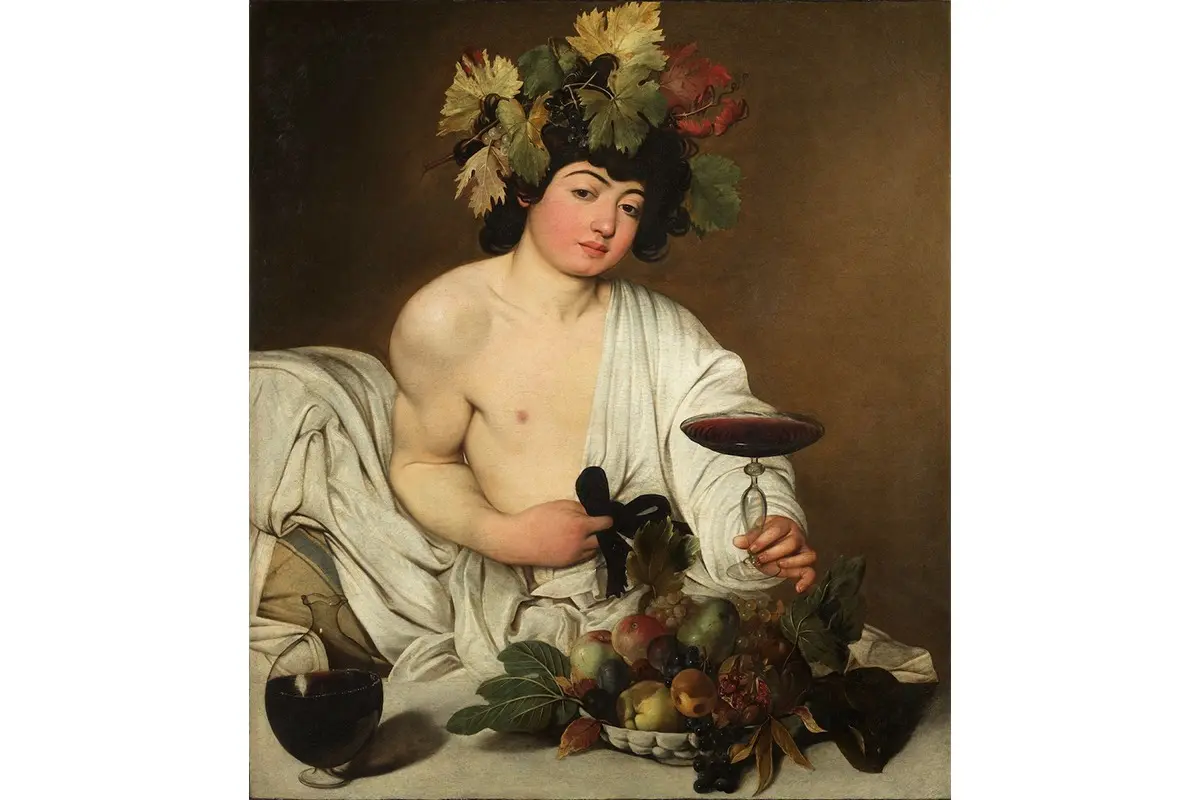
The severe weather event resulted in alarming water breaches inside both complexes, most notably triggering a skylight leak directly over a gallery housing irreplaceable 17th-century masterpieces. Water pooled perilously close to—and, according to some eyewitness accounts, directly upon—the specialized protective casing of Caravaggio’s iconic 1598 oil-on-canvas, Bacchus. While museum officials have scrambled to reassure the public that swift emergency interventions prevented permanent harm, the incident has ignited an urgent, global conversation regarding the vulnerability of historic European museums to extreme weather events supercharged by shifting climatic patterns.
This report provides a comprehensive examination of the flooding incident, evaluating the chronology of the storm, the architectural vulnerabilities exposed by the flash downpour, the conflicting accounts of the damage, the broader historical context of the affected venues, and the future outlook for heritage preservation in an era of intensifying climate volatility.
Read Also
Detailed Chronology of the Storm and Museum Breaches
The Gathering Tempest: A Sixty-Minute Deluge
The meteorological event began abruptly on Thursday, catching pedestrians, local authorities, and museum staff off guard. According to local meteorological reports, a localized storm cell stalled directly over the historic center of Florence, dumping nearly two inches (approx. 50 millimeters) of rain in a single hour. This rate of precipitation far exceeds the design capacity of many historical urban drainage networks and ancient building stormwater management systems.
As streets quickly transformed into rushing channels of water, the sheer volume of moisture began to test the aging roofs, stone joints, and drainage gutters of Florence’s monumental buildings.
The Uffizi Gallery Breach
Inside the Uffizi Gallery—one of the world’s oldest and most heavily visited art museums—the crisis manifested overhead. A major skylight sealing failed under the weight and velocity of the water, allowing cascading streams to enter a specialized gallery room dedicated to pivotal 17th-century paintings.
The room in question houses seven masterworks from the Baroque era, the most famous of which is Caravaggio’s Bacchus. As the water poured through the compromised aperture, it targeted the immediate vicinity of the protective microclimate display case housing the priceless painting.
Emergency protocols were enacted almost instantaneously by the Uffizi’s internal security and conservation staff. Staff members deployed temporary barriers, absorbent materials, and protective sheeting to divert the flow of water away from exposed canvas surfaces and sensitive electrical fixtures, preventing a catastrophic structural failure of the gallery’s interior infrastructure.
The Palazzo Pitti Inundation
Simultaneously, across the Arno River, the sprawling Palazzo Pitti complex faced its own battle against the elements. The historic Renaissance palace, which serves as a massive cultural hub containing multiple distinct museums, reported severe flooding within its renowned Palatine Gallery and the Gallery of Modern Art.
Unlike the localized overhead roof leak at the Uffizi, the water ingress at Palazzo Pitti appeared more pervasive, affecting floor levels and forcing administrators to temporarily close several key exhibition areas to the public. Conservators rushed to evaluate whether rising moisture or ground-level pooling threatened the safety of wooden frames, gilded furnishings, and textile installations displayed throughout the grand ducal apartments.
Conflicting Accounts: Official Reassurance vs. Eyewitness Alarm
In the immediate aftermath of any high-stakes cultural emergency, narrative friction often develops between institutional public relations units and on-the-ground journalistic observations. The Uffizi flood incident was no exception, generating a sharp divergence in how the condition of Caravaggio’s Bacchus was described.
The Institutional Narrative
In an official statement released shortly after the crisis abated, museum administration sought to quell public panic. Representatives maintained that preventative engineering had successfully shielded the artwork:
"The leak splashed the outer glass of the protective case containing Caravaggio’s Bacchus," the museum stated. "No damage whatsoever has been found to any of the works. The room will be open to visitors as normal from opening time tomorrow morning."
From the perspective of the Uffizi directorate, the multi-layered security measures—specifically the sealed, climate-controlled glass vitrine housing the painting—acted as an absolute physical barrier. According to this narrative, the moisture remained entirely external to the microclimate enclosure, neutralizing any direct chemical or physical interaction between the rainwater and the 16th-century paint layers.
The journalistic and Eyewitness Perspective
Conversely, independent reporting from prominent Italian media outlets painted a far more precarious picture of the scene inside the gallery. The prominent Italian daily Corriere della Sera published accounts directly challenging the absolute safety narrative:
"[T]he image of the 1598 oil on canvas appeared blurred and marked by long rivulets of water," reporters noted from the scene, highlighting the psychological shock of seeing water streaming down the exterior—and potentially compromising the visibility and immediate perimeter—of such a treasured cultural artifact.
Art historians and conservation experts note that while a sealed display case protects against direct droplet contact, the psychological and physical proximity of a heavy water leak so close to a priceless canvas underscores a terrifying margin of error. Even if the primary paint layer escaped saturation, the humidity spikes caused by sudden indoor flooding can induce microscopic expansion and contraction in canvas substrates, threatening delicate varnish and craquelure patterns over time.
Supporting Context & Architectural Metrics
To fully understand the gravity of Thursday’s events, one must examine the architectural lineage and structural realities of the Uffizi Gallery and the Palazzo Pitti. These are not modern, climate-controlled, concrete-and-steel museums built to contemporary engineering standards; they are sprawling historical monuments adapted over centuries to house humanity’s greatest aesthetic achievements.
The Uffizi Gallery: Architecture of the Renaissance
- Commission and Design: The Uffizi complex was commissioned in the mid-16th century by Cosimo I de’ Medici, the first Grand Duke of Tuscany. The monumental task of designing the Uffizi (meaning "offices") was entrusted to the renowned artist, architect, and art historian Giorgio Vasari.
- Original Function: Originally conceived to house the administrative offices, magistracies, and legal archives of the Florentine state, the building’s top floor was systematically converted into a display space for the Medici family’s unrivaled collection of art and antiquities.
- Chronological Scope: Today, the Uffizi Gallery’s permanent collection spans from ancient Greek and Roman antiquity through the Gothic, Renaissance, and Baroque periods, concluding primarily in the 18th century. It features foundational masterpieces by Giotto, Botticelli, Leonardo da Vinci, Michelangelo, Raphael, Titian, and, of course, Caravaggio.
- Vulnerabilities: Vasari’s grand corridors, high ceilings, and expansive skylights—while magnificent for natural lighting—represent inherent structural challenges in an era of extreme weather volatility. Historic glass roofs and lead-sealed joints require continuous, meticulous maintenance, and even minor degradation can prove catastrophic during sudden cloudbursts.
The Palazzo Pitti: The Grand Ducal Fortress
- Origins: Situated on the south bank of the Arno River, the Palazzo Pitti was originally bought in 1549 by the Medici family and became the chief residence of the Grand Dukes of Tuscany.
- Collections: The palace encompasses several major museums, including the Palatine Gallery (boasting a vast collection of Renaissance paintings displayed in lavish, baroque-style rooms), the Royal Apartments, the Modern Art Gallery, and the Museum of Costume and Fashion.
- Flood Vulnerability: The palace’s massive stone masonry, vast subterranean levels, and complex internal drainage systems make it exceptionally difficult to secure against sudden ground-level water pooling and roof-level ingress during severe storms.
Official Statements and Institutional Response
In the wake of the crisis, the Italian Ministry of Culture, alongside local municipal authorities in Florence, faced intense scrutiny regarding the preparedness of national museums against climate-induced hazards.
Emergency Protocols Activated
Cultural heritage officials were quick to praise the rapid response time of on-site technicians and security personnel. The ability to isolate the affected gallery rooms within minutes prevented the water from pooling across larger sections of the museum floor or migrating to adjacent structural timbers.
Furthermore, the Uffizi’s technical staff initiated comprehensive diagnostic checks on the microclimate vitrines housing the 17th-century works. Engineers verified that the internal humidity and temperature controls within Caravaggio’s display case maintained stability throughout the storm, mitigating fears of immediate internal condensation or warping.
The Broader Debate on Heritage Maintenance
Beyond the immediate operational recovery, the incident has catalyzed a wider policy debate among Italian cultural authorities. Critics and preservation advocates argue that reactive measures are no longer sufficient. With extreme weather events becoming more frequent across the Mediterranean basin, heritage sites require proactive, heavily funded capital improvement campaigns to overhaul ancient roofing systems, modernize stormwater drainage channels, and upgrade climate-shielding technologies around high-risk masterworks.
Ministerial spokespersons confirmed that comprehensive engineering audits will be conducted across both the Uffizi and Palazzo Pitti complexes to identify hidden vulnerabilities in skylight seals, masonry flashings, and internal gutter networks before the arrival of the autumn and winter storm seasons.
Future Outlook: Safeguarding History in an Era of Climate Volatility
The emergency at the Uffizi Gallery and Palazzo Pitti serves as a stark, unmistakable warning shot for the global heritage preservation community. Historic museums housed within architectural monuments of the past face an existential challenge as anthropogenic climate change intensifies meteorological phenomena.
The Escalating Threat of Extreme Weather
The Mediterranean region is increasingly recognized by climatologists as a climate change "hotspot," characterized by longer periods of severe drought punctuated by short, violent cloudbursts and torrential downpours. When millions of gallons of water drop onto ancient urban centers in a matter of minutes, historic infrastructure—designed centuries ago under entirely different climatic baselines—is inevitably pushed to the breaking point.
Technological and Architectural Adaptations Required
Moving forward, museum directors and heritage conservators must balance historical authenticity with modern resilience. Key areas of focus for institutions like the Uffizi must include:
- Advanced Early-Warning Systems: Integrating smart IoT moisture sensors directly into historic window frames, skylights, and display perimeters to alert staff to water ingress before pooling occurs.
- Enhanced Vitrine Engineering: Upgrading protective display cases to achieve higher water-resistance and independent climate stabilization ratings, ensuring that even if water breaches a gallery room, the artwork remains hermetically isolated from secondary hazards.
- Roof and Drainage Modernization: Investing in unobtrusive, high-capacity drainage retrofits that respect architectural aesthetics while vastly increasing the speed at which storm runoff can be channeled away from delicate masonry.
- Comprehensive Disaster Drills: Conducting regular, high-frequency simulation exercises for museum security and conservation teams to ensure flawless execution during sudden structural emergencies.
Conclusion
That Caravaggio’s Bacchus and its companion masterpieces escaped Thursday’s flood without permanent structural or chemical damage is a testament to both the resilience of modern protective casing and the swift intervention of Florence’s museum staff. However, relying on narrow escapes is not a viable long-term preservation strategy. As extreme weather events increase in frequency and severity, protecting the fragile physical heritage of human civilization will require unprecedented financial investment, engineering innovation, and international cooperation to shield the masterpieces of the past from the volatile climate realities of the future.





Comments
Facebook App ID not configured. Please add it in the Customizer.