
Executive Overview
For centuries, the foundational texts of German Idealism have been locked behind restrictive copyright barriers, scattered across aging print volumes, or relegated to poorly proofread, unverified digital scans. Today, that landscape is shifting dramatically. Dr. Giuliano Infantino, a postdoctoral fellow at the University of Toronto, has engineered and released pioneering, freely accessible digital editions of the works of two intellectual titans: Georg Wilhelm Friedrich Hegel and Friedrich Wilhelm Joseph Schelling.
This monumental achievement goes far beyond standard e-book conversions or basic digitization projects. Infantino has meticulously constructed pristine, highly accurate, and deeply searchable digital resources that mirror the exact typographical nuances, historical-critical rigor, and scholarly layouts of their authoritative print predecessors. The Hegel collection aligns directly with the definitive Gesammelte Werke (GW), while the Schelling collection meticulously reproduces the Sämmtliche Werke.
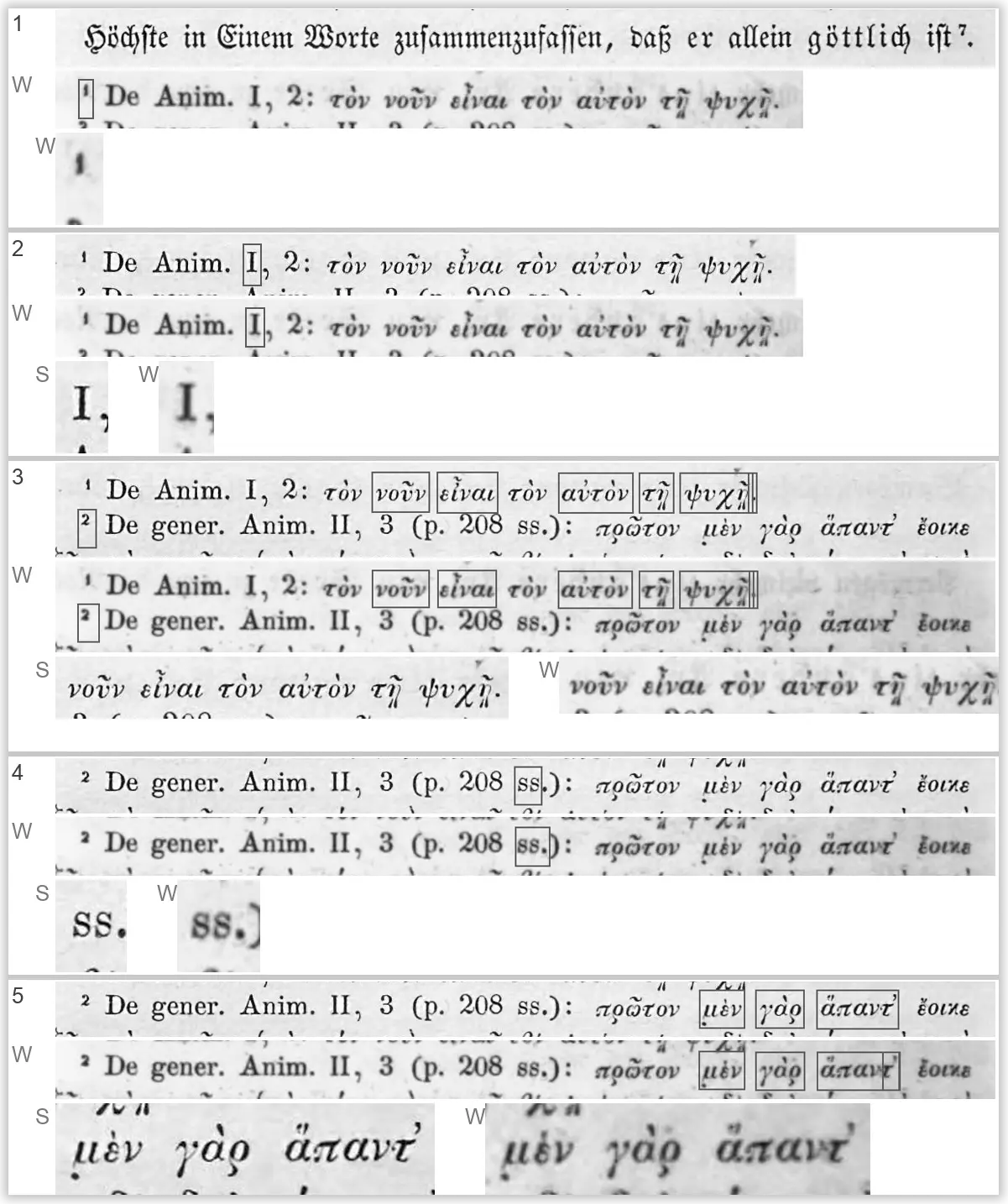
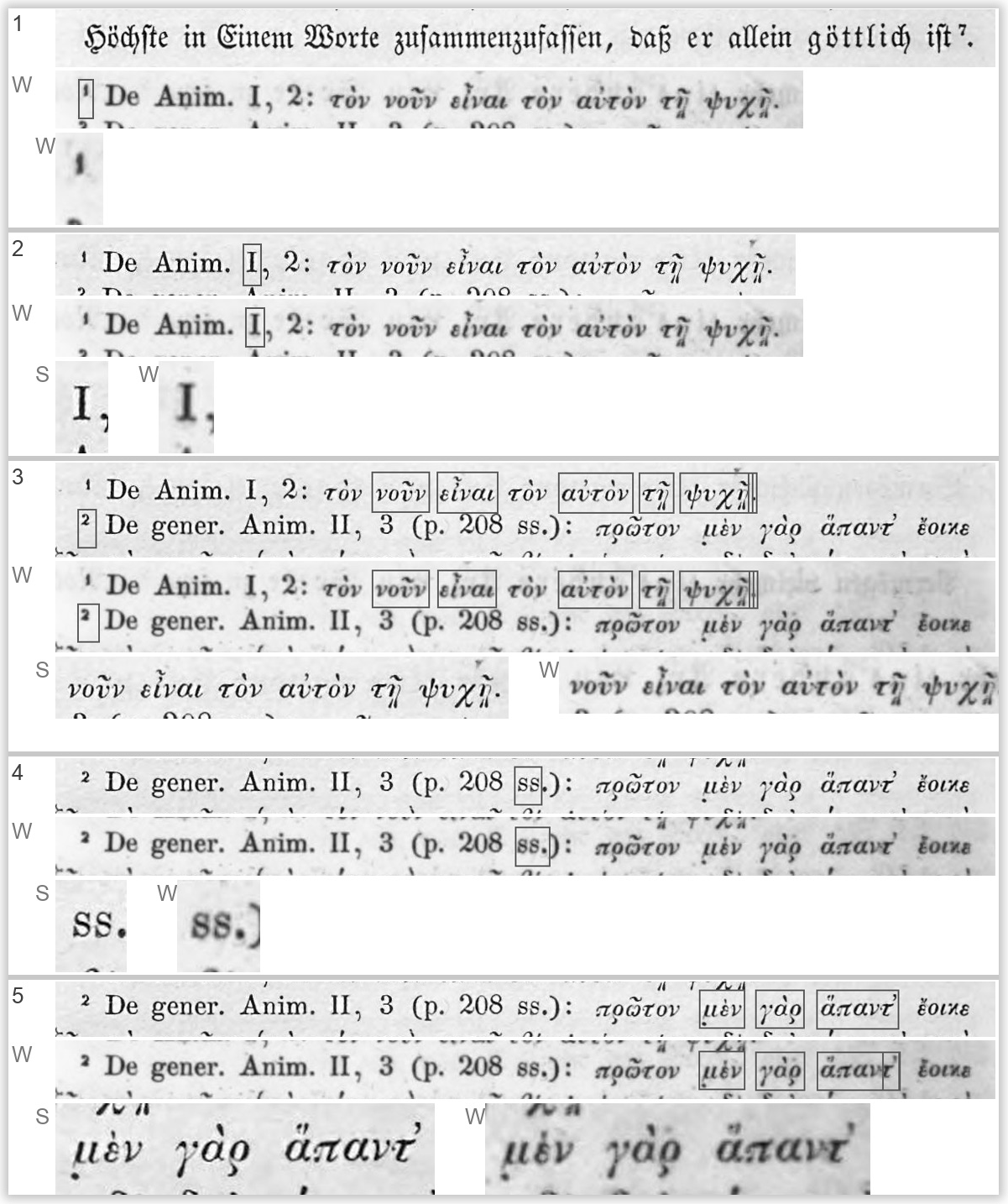
By deploying an innovative, multi-tiered machine-assisted transcription methodology—cross-referencing legacy electronic files with multiple high-resolution optical character recognition (OCR) scans verified against physical library holdings—Infantino has successfully eliminated the pervasive transcription errors that have plagued digital philosophy for decades. Crucially, both platforms feature robust full-text search capabilities and precise citation metrics linked directly to standard scholarly apparatuses.
Read Also
As copyright limitations gradually expire, these open-access portals promise to democratize access to elite European philosophy, empowering a new generation of global scholars, researchers, and students to engage with nineteenth-century metaphysics without institutional paywalls or financial barriers.
Detailed Chronology
The journey toward these definitive open-access digital editions is rooted in years of technological experimentation, frustration with existing digital archives, and a deep dedication to philological accuracy.
Phase I: The Digital Deficit in Idealist Scholarship (Pre-2023)
For decades, digital availability of primary philosophical texts has been a patchwork of convenience and compromise. While organizations and independent coders have uploaded texts by Hegel and Schelling to the public domain, these files have historically suffered from critical flaws:
- Modernized spellings that strip away the historical context of nineteenth-century German typography.
- The total omission of crucial typographical markers, such as letter-spaced type (Sperrdruck), which authors used deliberately to emphasize foundational concepts.
- Unchecked OCR transcriptions loaded with syntax errors, missing Greek characters, and misplaced footnotes.
Scholars requiring textual integrity were forced to rely on expensive print volumes or restricted institutional access. Even when scans were provided by major libraries, they lacked searchability, copy-paste functionality, and line-by-line citability.
Phase II: Conceptualization and Methodology Development (2023–2024)
Recognizing the desperate need for authoritative, uncorrupted digital primary sources, Giuliano Infantino began conceptualizing a pipeline that could merge computational text processing with old-world philological exactitude. Rather than relying on simple, error-prone scanning software, Infantino engineered a sophisticated, multi-stage production framework.
For the Schelling collection, this methodology relied on a rigorous three-reading validation process:
- An older electronic transcription served as the baseline for wording, letter-spacing, notes, and classical Greek passages.
- Independent optical character recognition (OCR) scans were generated from two separate physical copies of the print editions, digitized courtesy of the Bavarian State Library (Bayerische Staatsbibliothek).
- A computerized reconciliation protocol compared these three distinct data streams. Wherever discrepancies arose, the system adjudicated them directly against the physical page images to guarantee absolute fidelity.
Phase III: The Rollout of the Digital Collections (Late 2024–Present)
Infantino launched the dedicated portals—the Hegel Digital Edition and the Schelling Digital Edition—to global acclaim within specialist academic circles.
- The Hegel Rollout: Designed as an ongoing, living project, the Hegel platform presents public-domain texts structured strictly around the authoritative historical-critical Gesammelte Werke (GW). As intellectual property protections expire on subsequent volumes, Infantino systematically integrates them into the open-access ecosystem.
- The Schelling Rollout: Providing a vital lifeline for scholars of nineteenth-century thought, this collection delivers the Sämmtliche Werke page by page from the print originals. Notably, for Schelling’s late philosophy, these volumes remain the sole complete edition available to this day, making Infantino’s digital realization a milestone for modern research.
Supporting Context & Metrics
To fully grasp the magnitude of Infantino’s contribution, one must understand the unique technical and legal challenges involved in digitizing historical philosophical German texts.
Typographical Precision and Critical Citability
In German Idealism, typography is never merely aesthetic; it is philosophical. Hegel and Schelling frequently utilized letter-spaced type (Sperrdruck) to signal shifts in ontological weight or to highlight core systematic categories. Previous digital versions routinely flattened these nuances into standard text. Infantino’s editions preserve these letter-spaced markers meticulously.
Furthermore, academic citation relies on unyielding stability. The new digital editions incorporate strict, standardized referencing systems:
- Hegel Collection: Citable line-by-line, mapped directly to the pagination of the Gesammelte Werke (GW).
- Schelling Collection: Citable by division (Abtheilung), volume, and exact page number, reflecting the structure of the Sämmtliche Werke.
Technical Architecture: The Multi-Stage Verification Pipeline
The following breakdown illustrates the rigorous verification framework developed for the project:
| Stage | Data Source | Function in Verification Pipeline |
|---|---|---|
| Stream A | Legacy Electronic Transcription | Supplies foundational wording, historical formatting, letter-spacing, and embedded Greek text. |
| Stream B | Bavarian State Library OCR (Copy 1) | Provides independent optical character recognition of the first digitized physical print. |
| Stream C | Bavarian State Library OCR (Copy 2) | Provides secondary optical character recognition of an alternate digitized physical print. |
| Adjudication | Automated Cross-Reference Engine | Compares Streams A, B, and C; resolves discrepancies strictly against verified master page scans. |
Navigating the Legal Labyrinth of Copyright
Scholarly publishing is heavily encumbered by intellectual property protections. While the original nineteenth-century words of Hegel and Schelling belong safely in the public domain, modern critical apparatuses, editorial notes, and specific proprietary layouts compiled by contemporary publishing houses are heavily restricted by copyright law.
Infantino navigated this legal minefield with surgical precision. The new digital collections feature only the public-domain texts of the philosophers themselves, entirely stripping away protected modern editorial apparatuses. This clever legal demarcation ensures that the sites remain fully compliant with international copyright frameworks while delivering maximum utility to researchers. Infantino has documented these intricate copyright considerations transparently on the Hegel edition’s legal portal, providing a blueprint for future digital humanists.
Official Statements & Scholarly Philosophy
The design philosophy behind the portals is anchored in a deep commitment to open science, digital equity, and textual transparency.
Reflecting on the limitations of historical digital texts, Infantino explains the rationale behind the Hegel collection:
"Digital Hegel texts have existed for a long time; they mostly follow older editions of the works, often in modernized spelling and without Hegel’s letter-spacing. This digital edition presents Hegel’s text according to the Gesammelte Werke (GW), the authoritative historical-critical edition: in the spelling of the GW, with letter-spaced type marked, citable line by line according to the GW pages. It contains only Hegel’s public-domain text, without the editors’ protected apparatus."
Addressing the unique vacuum surrounding Schelling’s corpus, Infantino highlights the necessity of absolute textual verification:
"Schelling’s Sämmtliche Werke are widely cited, and for the late philosophy they remain the only complete edition to this day. Until now they could be read freely only as scans or in electronic versions that have not been checked against the print. This edition reads the text page by page from the print: original spelling, letter-spaced type, real Greek, the notes in their place, citable by division (Abtheilung), volume, and page."
Describing the operational mechanics behind the high-precision transcriptions, Infantino notes that the platforms were forged using:
“…a multistage, machine-based procedure: the text is obtained directly from the scan of each printed page, guided by fixed rules for spelling, emphasis, and structure.”
Future Outlook
The release of the Hegel and Schelling digital editions marks not an endpoint, but the beginning of a new era for open-access humanities research.
As a living project, the Hegel collection will continue to expand in real time. Infantino is actively monitoring the expiration dates of intellectual property protections on subsequent volumes of the Gesammelte Werke. As each volume enters the public domain, it will be run through the multi-stage verification pipeline and integrated into the searchable digital archive.
Beyond incremental updates, Infantino’s achievement sets a new methodological standard for digital philosophy. By proving that high-precision, computationally assisted philology can be successfully executed outside the multi-million-dollar budgets of major university presses, this initiative paves the way for the open-access digitization of other major nineteenth- and twentieth-century thinkers—such as Kant, Fichte, and Hölderlin.
For scholars, graduate students, and independent researchers worldwide, the message is clear: the barriers separating profound philosophical texts from the curious minds that seek to study them are steadily crumbling. The academic community now awaits the broader ripple effects of these vital new resources as scholars begin integrating them into syllabi, research papers, and critical commentaries across the globe.


Comments
Facebook App ID not configured. Please add it in the Customizer.