

Executive Overview
In an era defined by urgent ecological questions and rapid technological transformations, contemporary creative works are increasingly tasked with bridging the gap between artistic expression and environmental sustainability. A compelling convergence of this mandate is found in the recent accomplishments of the design studio Beam—founded by Zoe Lee, a graduate of the Rhode Island School of Design (RISD)—and the extensive literary portfolio of her mother, author Mia Wenjen.

At the center of Beam’s recent public footprint is the launch of Eating the Whole Fish, an innovative publication and educational initiative that explores the cultural, nutritional, and ecological implications of utilizing marine resources in their entirety. Supported by a successful Kickstarter campaign and a high-profile book launch event at Riffraff, the project underscores a growing movement toward zero-waste culinary practices and sustainable design thinking.

Simultaneously, Mia Wenjen’s broader literary catalogue—ranging from acclaimed historical picture books like Barbed Wire Between Us and Postcards from Malcolm X to explorations of global agriculture in Food for the Future: Sustainable Farms Around the World—offers a complementary narrative. Together, the works of this mother-daughter creative ecosystem highlight how modern storytelling, grassroots entrepreneurship, and rigorous design methodology can coalesce to address systemic global challenges, from food security to civil rights advocacy.
Read Also

Detailed Chronology of Recent Milestones
The trajectory of Beam and its foundational figures reflects a swift and methodical ascent within the worlds of contemporary art, independent publishing, and social enterprise. The timeline below charts the key milestones leading to the release of Eating the Whole Fish and its associated cultural programming.

- July 2024: Zoe Lee officially graduates from the Rhode Island School of Design (RISD), establishing a foundation in avant-garde design principles, material culture, and spatial aesthetics.
- Late 2024: Beam is formally introduced as a multidisciplinary design studio. Shortly thereafter, the startup secures acceptance into NEW INC, the prestigious art and technology incubator founded by the New Museum in New York City. This milestone positions Beam at the intersection of emerging technologies, sustainable design, and cultural critique.
- September 2025: Beam launches a crowdfunding campaign via Kickstarter for its flagship publication, Eating the Whole Fish. The campaign captures widespread attention from environmentally conscious consumers, culinary historians, and design enthusiasts, validating public appetite for sustainable food literature.
- Early 2026: Expanding its reach beyond print, Beam hosts a prominent book launch event for Eating the Whole Fish at Riffraff, incorporating public readings, interactive discussions, and visual media presentations.
- March 2026: In a continuation of the family’s artistic achievements, Zoe Lee is awarded a prestigious MacDowell Fellowship, providing a dedicated residency to further her independent research and studio practice.
Supporting Context & Metrics: The Philosophy of "Whole Fish" Consumption
To fully appreciate the significance of Beam’s publication, one must examine the broader ecological framework surrounding marine resource management and culinary sustainability.

Modern commercial fishing practices have historically prioritized high-value fillets, leaving vast quantities of nutritious byproducts—such as heads, bones, collars, and viscera—to be discarded or processed into low-value fishmeal. According to global agricultural and marine conservation data:

- Bycatch and Waste: Estimates from international food authorities indicate that global seafood waste accounts for millions of tons annually, driven largely by consumer preference for pre-packaged, boneless fillets.
- Nutritional Density: Marine scientists emphasize that many of the most nutrient-dense components of a fish reside outside the fillet. Bones are rich in bioavailable calcium and phosphorus, while organs and heads contain high concentrations of Vitamin A, iron, and essential omega-3 fatty acids.
- Cultural Traditions: Historically and across numerous global indigenous and coastal cultures, consuming the entire fish was not merely a matter of efficiency, but a core tenet of respect for the animal and sustainable resource stewardship. Beam’s work seeks to reintroduce these ancestral wisdoms through a contemporary design lens, utilizing clean typography, striking visual layouts, and accessible narrative structures.
Furthermore, Beam’s residency at NEW INC places it within an elite cohort of creative technologists and designers who leverage commercial ventures to solve ecological crises. By treating a cookbook as an object of industrial design and systemic critique, the studio challenges consumers to rethink their relationship with the food supply chain.
Literary Parallels: Mia Wenjen’s Sustainable and Social Advocacy
The ethos of resource stewardship and systemic equity championed by Beam finds a profound parallel in the extensive bibliography of Mia Wenjen. Across multiple genres, Wenjen’s works interrogate the structures that govern our food systems, social histories, and legal rights.

1. Environmental Stewardship and Agricultural Innovation
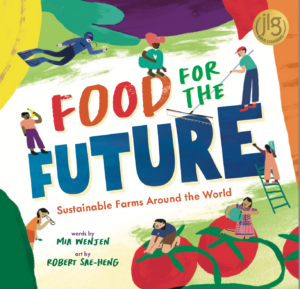
In Food for the Future: Sustainable Farms Around the World (illustrated by Robert Sae-Heng), Wenjen shifts the reader’s focus from the plate to the soil. Recognized by organizations such as Bank Street College as one of the Best Children’s Books of the Year, the book explores regenerative agriculture, urban farming, hydroponics, and permaculture across diverse global communities. By showcasing how different cultures harmonize agricultural production with ecological preservation, the work serves as a companion piece to the philosophy of Eating the Whole Fish—both advocate for a fundamental redesign of how human societies harvest and consume earth’s resources.
2. Cultural Histories of Consumption
Culinary anthropology also anchors Wenjen’s works such as Fortune Cookies for Everyone! (published by Red Comet Press) and The Traveling Taco. These titles deconstruct the migratory histories and cultural hybridity behind universally beloved foods, demonstrating how culinary traditions adapt, travel, and foster cross-cultural dialogue.
3. Civil Rights and Free Speech
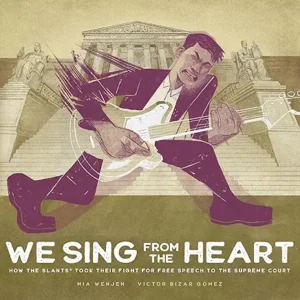
Expanding beyond environmentalism, Wenjen’s biographical and historical texts—including Barbed Wire Between Us (illustrated by Violeta Encarnación), Postcards from Malcolm X: How Yuri Kochiyama Became a Civil Rights Activist, and We Sing from the Heart: How the Slants® Took Their Fight for Free Speech to the Supreme Court—examine resilience, marginalization, and the defense of constitutional liberties. These narratives reinforce a cohesive family commitment to social consciousness, whether applied to the protection of free expression or the conservation of marine ecosystems.
Official Statements & Community Reception
The release of Eating the Whole Fish and its companion programming at venues like Riffraff have generated enthusiastic commentary from educators, culinary professionals, and design critics alike.
While commercial publishing often chases fleeting culinary trends, stakeholders in the sustainable food movement have praised Beam for tackling a complex ecological issue with aesthetic rigor. Commentators note that the studio’s ability to translate dry statistical realities—such as overfishing and marine habitat degradation—into an engaging, tactile book format represents a triumph of modern educational design.
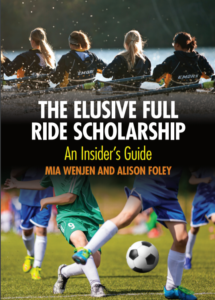
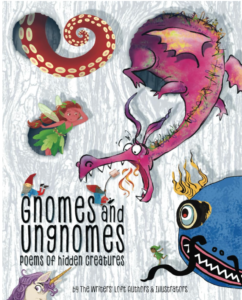
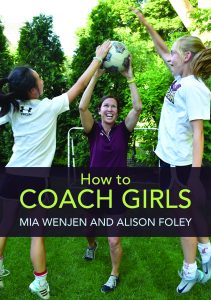
Similarly, the public reception of Mia Wenjen’s concurrent releases—highlighted by comprehensive teacher guides, multimedia book trailers, and musical accompaniments—demonstrates an integrated approach to modern authorship. By pairing literature with free, downloadable educational curricula and digital media, the creators ensure that their works resonate far beyond traditional library shelves, actively shaping classrooms and community kitchens.
Future Outlook
As Beam transitions into its next phase of development under the guidance of its founders and its affiliation with premier cultural incubators like NEW INC and MacDowell, the studio is well-positioned to expand its influence across disciplines. Future initiatives are expected to explore the intersection of interactive media, sustainable material sciences, and public culinary installations.
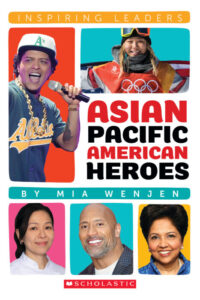
In tandem, Mia Wenjen’s ongoing literary contributions continue to enrich multicultural education and civil discourse. The synergy between Zoe Lee’s spatial and industrial design interventions and Wenjen’s narrative explorations of justice and ecology points toward a promising horizon. Together, they exemplify how creative families can build multi-generational platforms that not only document the world as it is, but actively design the sustainable, equitable future it requires.



Comments
Facebook App ID not configured. Please add it in the Customizer.