Published: November 23, 2026 Category: Literary Spotlight / Poem of the Week
Executive Overview
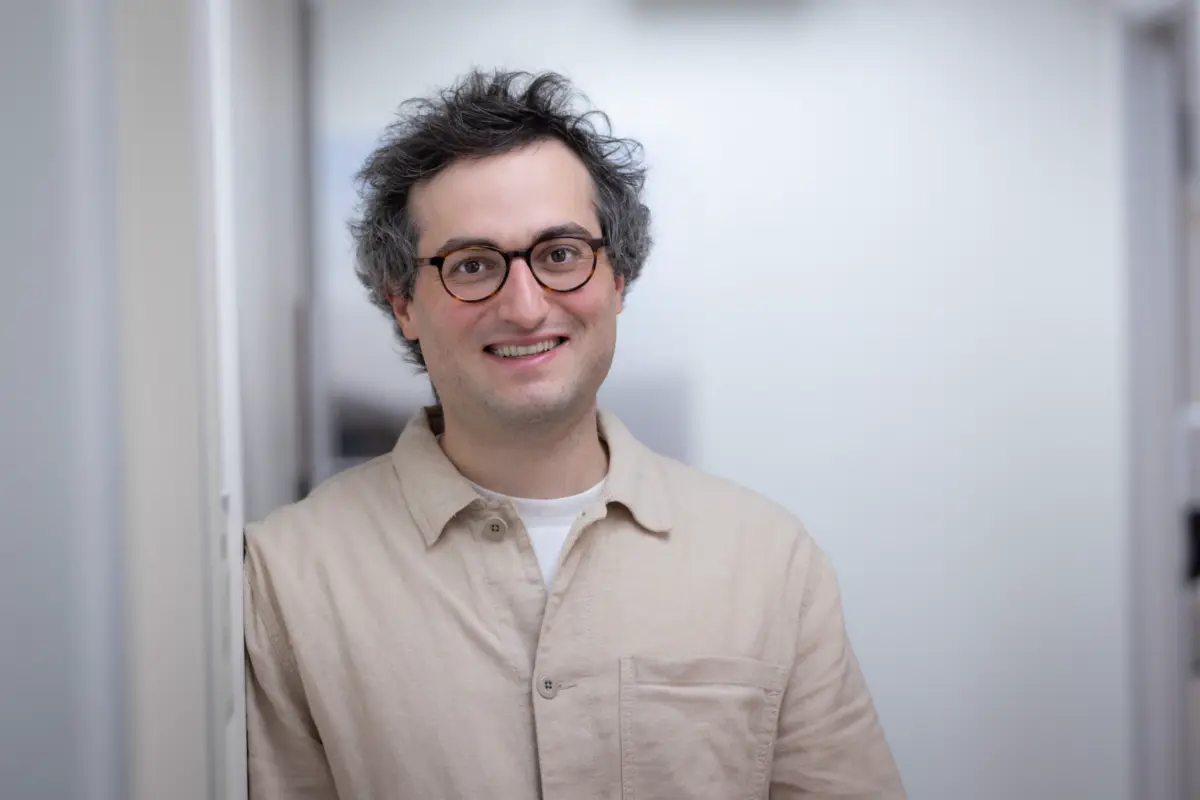
In an era defined by the rapid convergence of automated systems, digital content generation, and profound human vulnerability, contemporary poetry is increasingly tasked with parsing what it means to be human in a hyper-optimized world. Enter Michael Juliani, a celebrated Pasadena-based poet, editor, and Columbia University MFA graduate whose work has consistently graced the pages of prestigious publications such as The Southern Review, The Georgia Review, Third Coast, and The Bennington Review.
Selected as the Poem of the Week for late November 2026, Juliani’s latest piece, “Memento Mori,” serves as a striking cultural and literary artifact. The poem juxtaposes the visceral reality of modern medical miracles—specifically, the clinical detachment of organ harvesting and perfusion—with the eerie, dispassionate intrusion of algorithmic oversight, such as plagiarism-detection software flagging human experiences.
Through “Memento Mori,” Juliani constructs a multi-layered meditation on mortality, bodily resilience, and the quiet grief born from technological obsolescence. Accompanied by historical medical illustrations and a profound authorial note reflecting on healthcare, AI tools, and systemic uncertainty, this piece invites readers to examine how we process suffering when our most intimate vulnerabilities are mediated by cold analytics and digital red tape.
Detailed Chronology
: The Genesis of a Digital and Biological Encounter
To understand the architecture of “Memento Mori,” one must examine the sequence of events and cognitive shifts that inspired its creation. The poem opens with a startlingly mundane yet jarring modern incident:
“Last month, plagiarism detection software flagged an article I wrote about surgeons in Reno perfusing a liver, extracting it from its brain-dead body, and rushing it on ice to a hospital bequeathed by an oil baron.”
This chronological anchor establishes an immediate friction between human storytelling and machine evaluation. Juliani, functioning as both writer and observer, was documenting an extraordinary feat of modern bio-engineering—the mechanical perfusion and transport of a human organ—only to have his narrative reduced, parsed, and questioned by software designed to hunt for replicated text.
The timeline shifts inward from this external administrative friction to a deeper contemplation of biological endurance. The liver, an organ famously capable of regeneration, becomes a metaphor for human survival and toil:
“I always forget that the liver grows back: refitted, well-nourished, sheltered from abuse — like a firstborn farmer, shouldering the weight of survival, it soaks up its duties.”
In this progression, the narrative moves from the clinical theater of the operating room to the vast, anonymous expanse of the Internet. The poem observes how contemporary individuals utilize search engine algorithms to seek reassurance in the face of terminal decline. The final movement of the poem confronts the irony of automated policing tools trying to interpret human suffering:
“Software, with its gift for regurgitation, will never know the struggle to forget the anxiety produced by its own work, like five reasons an organ may eat itself in defiance of the body.”
Supporting Context & Metrics: The Intersection of Poetry, Medicine, and AI
The thematic weight of “Memento Mori” resonates across several distinct cultural and technological trends of the mid-2020s.
1. The Medical Humanities and Bioethics
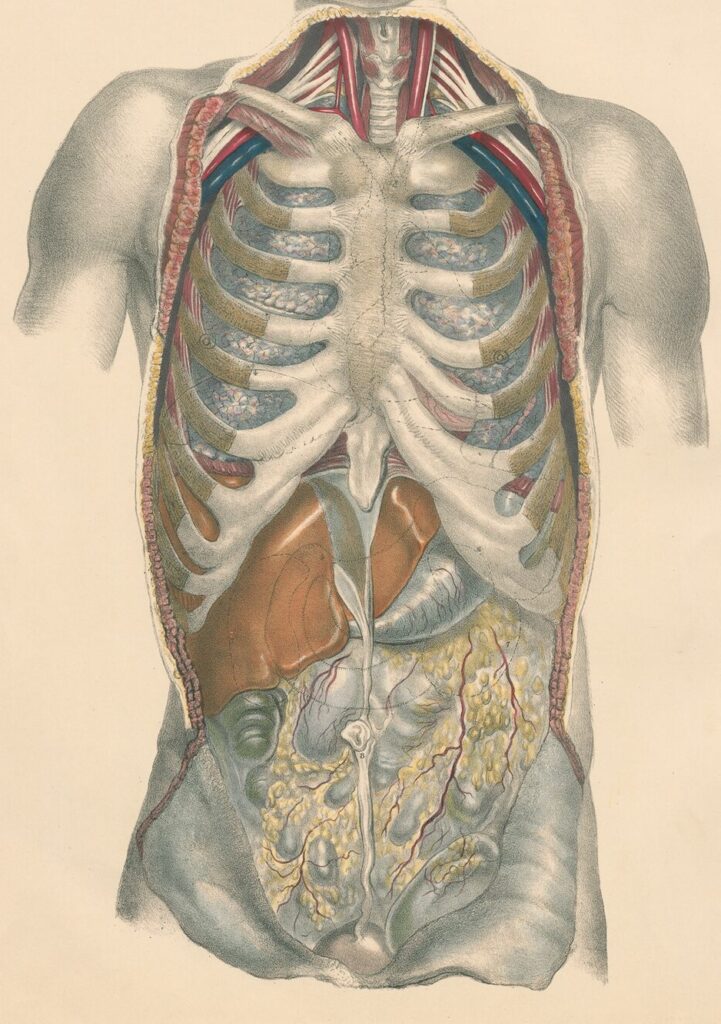
Juliani’s imagery draws heavily from the theater of modern transplantation. The inclusion of Francis Sibson’s 1869 medical anatomy plate as the title image frames the poem within a long historical continuum of human curiosity regarding the internal architecture of the body. Medical translation, organ perfusion, and brain death are topics that straddle the line between hard science and profound existential dread. By grounding his poem in these realities, Juliani participates in a rich tradition of medical humanities—a field dedicated to integrating the humanities into medical education and practice.
2. The Rise of Algorithmic Anxiety
The poem’s opening conflict—an author being flagged by automated plagiarism software while writing about human mortality—highlights a growing friction in the modern creative and journalistic landscape. As content ecosystems become saturated with AI-generated text, automated verification tools have cast an increasingly broad, suspicious net over human expression. Juliani identifies a profound psychological paradox here: the tools built to monitor language are utterly blind to the visceral, lived experiences that generated the text in the first place.
3. Literary Lineage
Michael Juliani’s poetic voice has matured across various esteemed literary journals. With an MFA from Columbia University, his editorial and creative output frequently bridges classical poetic forms with contemporary anxieties. “Memento Mori” aligns with a broader post-pandemic literary movement that seeks to reconcile technological acceleration with the enduring, fragile materiality of human flesh.
Official Statements & Authorial Reflection
In an accompanying authorial note, Michael Juliani shed light on the psychological landscape that inspired “Memento Mori,” offering vital context for interpreters of his work:
"Anyone who works in the healthcare field encounters constant reminders of illness and death," Juliani notes. "These reminders come textured with whatever other health-related experiences they’re having in their own lives. It’s not all bad—the stories can open you up as much as scare you."
Juliani expands on the broader socio-technological implications woven into the fabric of the poem, directly addressing the emotional toll of modern innovation:
"I think a lot about how innovation, including the growing use of AI tools and analytics, also carries an attendant grief—a taste of obsolescence. I wanted to write a poem that searched for meaning in this petri dish of uncertainty."
This commentary elevates the poem from a personal anecdote about software glitches into a universal commentary on labor, human worth, and the emotional exhaustion of navigating systems that prioritize metric efficiency over holistic empathy.
Future Outlook: The Relevance of Human-Centric Art in an Automated Age
As society moves deeper into the late 2020s, the questions raised by Michael Juliani in “Memento Mori” will only grow more urgent. The rapid deployment of artificial intelligence across administrative, medical, and creative sectors promises unprecedented efficiency, but it simultaneously risks flattening the nuanced spectrum of human grief and resilience.
Juliani’s work suggests that poetry will play a crucial role as a counterweight to this systemic flattening. By documenting the friction between automated compliance engines and the messy, self-sacrificing reality of the human body—which heals, regenerates, and ultimately breaks down—writers provide an essential registry for modern anxiety.
The literary community, championed by platforms like The Missouri Review through its ongoing Poem of the Week series, continues to champion works that challenge the status quo. Alongside contemporary pieces such as Diane Fremont’s “Tiny Anchors” and Steve Lambert’s “Secretaries of Grief,” Juliani’s “Memento Mori” anchors a vital conversation about grief, art, and survival.
Ultimately, “Memento Mori” reminds us that no matter how sophisticated our software becomes, or how efficiently we can harvest and transport the mechanical components of life, algorithms will never understand the profound, beautiful burden of living in a body that remembers, struggles, and inevitably defies its own dissolution.



Comments
Facebook App ID not configured. Please add it in the Customizer.