
Executive Overview
In the high-stakes world of Manhattan luxury real estate, the conventional wisdom dictates that you should always start a room with the rug. However, for author and artist Matthew Aquilone, a more compelling entry point is a story. This narrative philosophy anchors his debut novel, The Stager, which explores the fascinating, surreal intersection of interior design, modern real estate speculation, and human isolation.
Home staging—the practice of outfitting empty apartments or reconfiguring spaces filled with a seller’s personal belongings to prepare them for the market—has evolved from a clever marketing tactic into an essential component of high-end property transactions. While frequently beautiful, professional staging can often feel bloodless, operating much like a well-manicured topiary: pitch-perfect, impeccably groomed, and entirely innocuous.
At its core, staging is an exercise in make-believe, an orchestrated imitation of life. Its ultimate objective is to compel prospective buyers to project themselves into a narrative that whispers, “You are here,” or at least, “You could be.” This dynamic bears a striking resemblance to the mechanics of a novel, inviting readers to temporarily inhabit another life and walk in someone else’s shoes. Yet, as the lines between physical real estate and financial speculation blur in contemporary cities, the stories told by luxury stagers increasingly reflect a profound paradox: the more expensive the property, the less likely it is to ever be called home.
Read Also
Detailed Chronology: From the Classic Park Avenue Gem to the Cloud-Piercing Supertall
To understand the evolution of real estate staging and its cultural footprint, one must examine how the architectural landscape of New York City has transformed over the decades, altering the very nature of domestic storytelling.
The Era of Historic Character
Historically, Manhattan real estate marketing relied on the rich, textured history of the city’s residential stock. In classic pre-war co-ops along Park and Fifth Avenue—once the undisputed pinnacle of luxury living—space was defined by architectural idiosyncrasies: threadbare chintz, radiator-stained parquet floors, and heavy timber moldings.
Staging these spaces decades ago often meant working around the lingering aura of previous occupants, sometimes legendary figures from Hollywood’s golden age. Accessing these apartments required navigating the quintessential New York service elevators—cramped, cage-like shafts reminiscent of a hybrid between a phone booth and a birdcage, incapable of accommodating oversized modern furniture without considerable logistical maneuvering. The stories embedded in these walls were organic, messy, and deeply human.
The Rise of the Supertall
In stark contrast, the twenty-first century ushered in the era of the "supertall"—slender towers of chrome and glass sprouting across the Manhattan skyline like vertical skin tags. These mega-luxury structures fundamentally shifted the philosophy of property development. Featuring gated porte-cocheres, private dining rooms, and airport-grade security, these buildings turned inward, existing physically within the metropolis while remaining entirely detached from its cultural fabric.
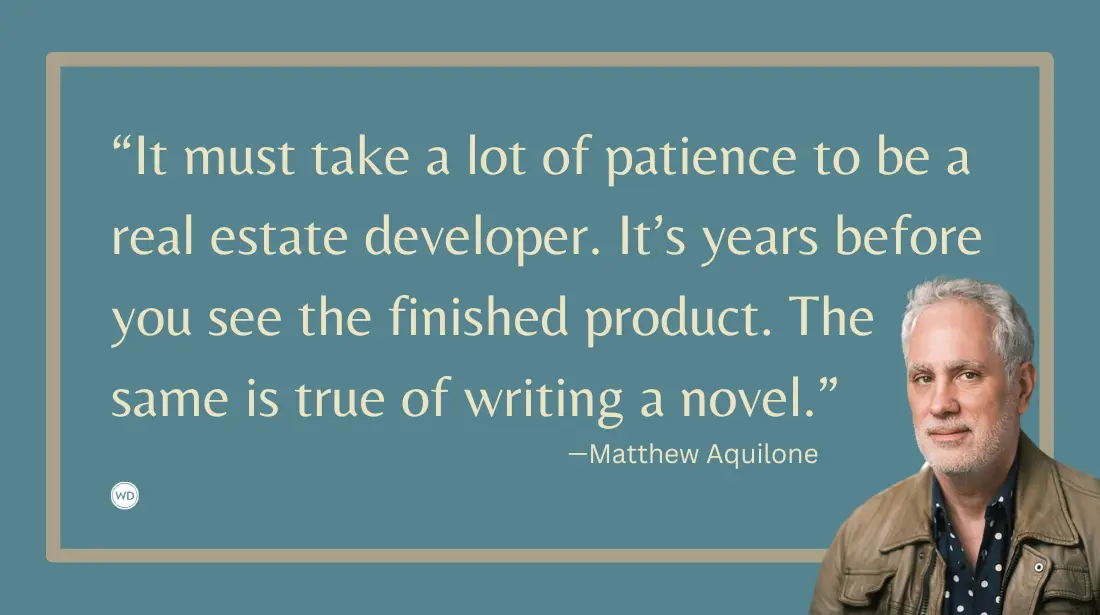
Within these cloud-piercing towers, apartments frequently serve as passive financial instruments rather than residences. Dozens of floors sit vacant, humming with empty Sub-Zero refrigerators while their values appreciate in the global market. Despite this emptiness, these sky-high vaults must still be marketed, which means they must be staged. Developers invest years of patience and vast resources into realizing these architectural dreams, mirroring the meticulous, long-form process of writing a novel. The resulting interiors are curated with a familiar, globalized aesthetic: vague, noncommittal abstract art, ubiquitous bouclé upholstery, and the mandatory, monolithic Tom Ford coffee table book lurking like a silent sentinel in every promotional photograph.
Supporting Context & Metrics: The Mechanics of Manufactured Neutrality
The economics of luxury real estate staging rely on a delicate psychological formula. Stagers must construct an environment that is simultaneously "neutral"—meaning nobody actually lives there—and universally recognizable.
Market data from high-end real estate brokerages consistently demonstrates that staged properties sell faster and command higher price points than their unstaged counterparts. According to industry surveys by the Real Estate Staging Association (RESA), professional staging can reduce a property’s market time by upwards of 70% and yield a return on investment that significantly outperforms standard cosmetic renovations.
However, this commercial success masks a deeper aesthetic uniformity. Just as literary genres rely on established tropes—the struggling artist navigating the "big bad city," a narrative immortalized in works from Truman Capote’s Breakfast at Tiffany’s to Patti Smith’s memoir M Train—real estate staging leans on predictable visual shorthand.
| Element of Staging | Literary Analogue | Underlying Psychological Intent |
|---|---|---|
| Neutral Color Palettes (Beige, Gray, Bouclé) | Archetypal Character Tropes | To provide a blank canvas onto which the buyer can project their own identity. |
| Curated Coffee Table Books (Tom Ford, Fashion to Art) | Familiar Plot Devices | To signal sophistication and cultural literacy without demanding intellectual friction. |
| Strategically Placed Props (Cashmere Throws, Espresso Cups) | Sensory Details in Prose | To evoke tactile comfort and an immediate sense of domestic belonging. |
This reliance on formulaic design highlights a central paradox observed by creators like Aquilone: while staging attempts to introduce a human presence, that presence is frequently rendered irrelevant by the sheer scale of the wealth involved. The ultimate objective of these depersonalized ownership structures is to transcend traditional domesticity entirely, metamorphosing real estate into pure capital.
Official Statements and Industry Perspectives
Insiders within both the literary and real estate design communities acknowledge the strange symbiosis between selling spaces and telling stories. Real estate developers, architects, and staging professionals often view their work through the lens of world-building.
Matthew Aquilone, reflecting on his experiences staging luxury interiors in Manhattan’s most exclusive towers, noted the inherent absurdity and satirical potential of contemporary hyper-wealth:
"The first time I staged in a supertall, I thought, ‘This would make a great book.’ It would be a satire, naturally, because that kind of wealth, that kind of reality-deprived luxury, is ripe for a little lampoon."
This observation birthed the creation of fictional characters like Maya, a freelance luxury stager and aspiring puppet maker who navigates the alienation of New York real estate by occasionally embedding herself in unoccupied billionaire penthouses during periods of crisis. Through Maya’s meticulous labor—agonizing over the exact shade of a cashmere throw, selecting whether a bathtub should be accented with Eat, Pray, Love or Marcel Proust’s In Search of Lost Time—the parallel between the novelist and the stager becomes clear. Both professions are engaged in the meticulous curation of illusion to evoke genuine emotional resonance.
Service workers and building staff often provide a grounding, unvarnished perspective on these manufactured environments. As one Upper East Side elevator operator remarked while inspecting a meticulously staged historic apartment, marvelling at the pristine silk flowers and expert pillowscaping: "Ah, good paint job." Beneath the layers of commercial styling, the underlying human reality remains—a recognition that whether one is building a fictional world or prepping a multi-million-dollar duplex, creative labor is invariably fraught with insecurity and fueled by faith.
Future Outlook
As urban centers continue to grapple with the economic pressures of housing affordability, foreign investment, and shifting architectural paradigms, the role of real estate staging is poised for transformation.
- The Rise of Virtual Staging: With physical supertalls increasingly functioning as unoccupied financial assets, the industry is seeing a massive surge in digital and virtual staging. This technology allows developers to project infinite iterations of interior design into empty volumetric spaces without the logistical hurdles of moving physical furniture hundreds of feet in the air.
- Authenticity vs. Algorithm: As algorithmic interior design and standardized luxury aesthetics homogenize global properties—making high-end apartments in New York look identical to those in London, Dubai, or Tokyo—a counter-movement emphasizing local history, bespoke craftsmanship, and organic imperfection is gaining traction among discerning buyers.
- The Intersection of Art and Real Estate: Narratives that critique or subvert the sterile nature of modern luxury, much like Aquilone’s The Stager, are likely to influence how consumers perceive luxury marketing. Buyers are increasingly seeking properties that offer not just an imitation of life, but a genuine connection to community and human history.
Ultimately, whether through the stroke of a novelist’s pen or the strategic placement of a cashmere throw and a designer rug, the fundamental human impulse remains unchanged: we are all simply looking for a space that reminds us what it feels like to be ourselves, anchored by a story that tells us we finally belong.





Comments
Facebook App ID not configured. Please add it in the Customizer.