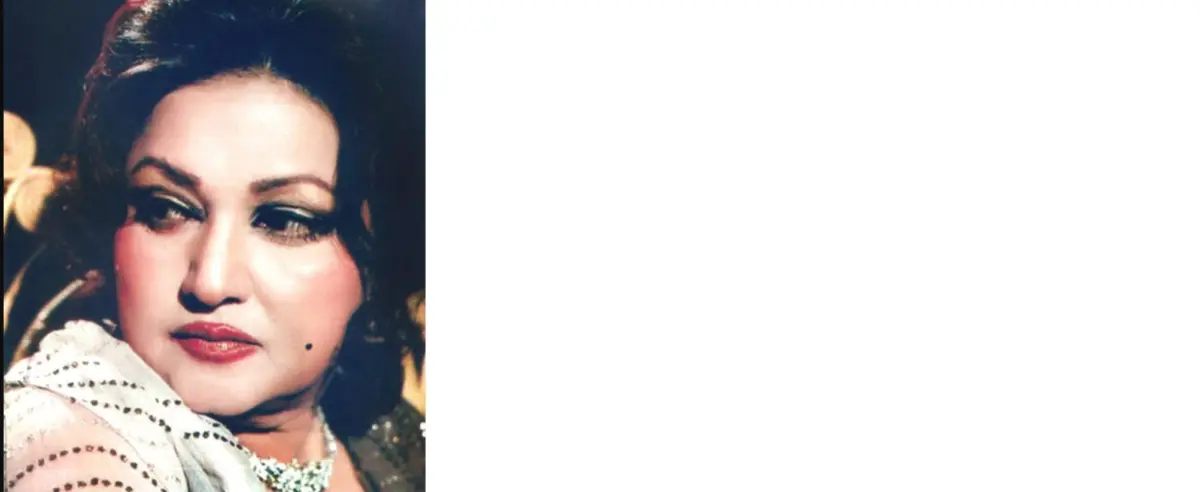
In an era where contemporary pop-culture consumption is increasingly mediated through the ephemeral lens of Halloween costumes, ironic parody, and superficial aesthetics, the line separating profound homage from accidental caricature has grown razor-thin. This cultural phenomenon was brought into sharp relief when a modern observer watched a contemporary acquaintance meticulously construct an impersonation of Malika-e-Tarannum—the legendary South Asian songstress Madam Noor Jahan—complete with a backcombed coiffure, a regal choker, and a prop microphone. Yet, this lighthearted modern masquerade belied a deeply unsettling reality: a profound collective amnesia plagues the subcontinent regarding one of its most transformative artistic titans.
September 21, 2026, marked the centenary—the 100th birth anniversary—of Allah Rakhi Wasai, globally revered as Madam Noor Jahan. Yet, this monumental milestone passed with virtually no official recognition from state functionaries, institutional bodies, or mainstream broadcast networks. The silence surrounding her centennial laid bare a systemic national failure to properly archive, protect, and celebrate cultural patrimony. In a searing critique posted to social media, her grandson, actor Ahmed Ali Butt, exposed the stark institutional apathy: "No tribute, no PTV special transmission, no special show on any network, not even a poster at Liberty to wish you a 100th birthday. If it weren’t for your songs that people still listen to, the state would have forgotten you yesterday."
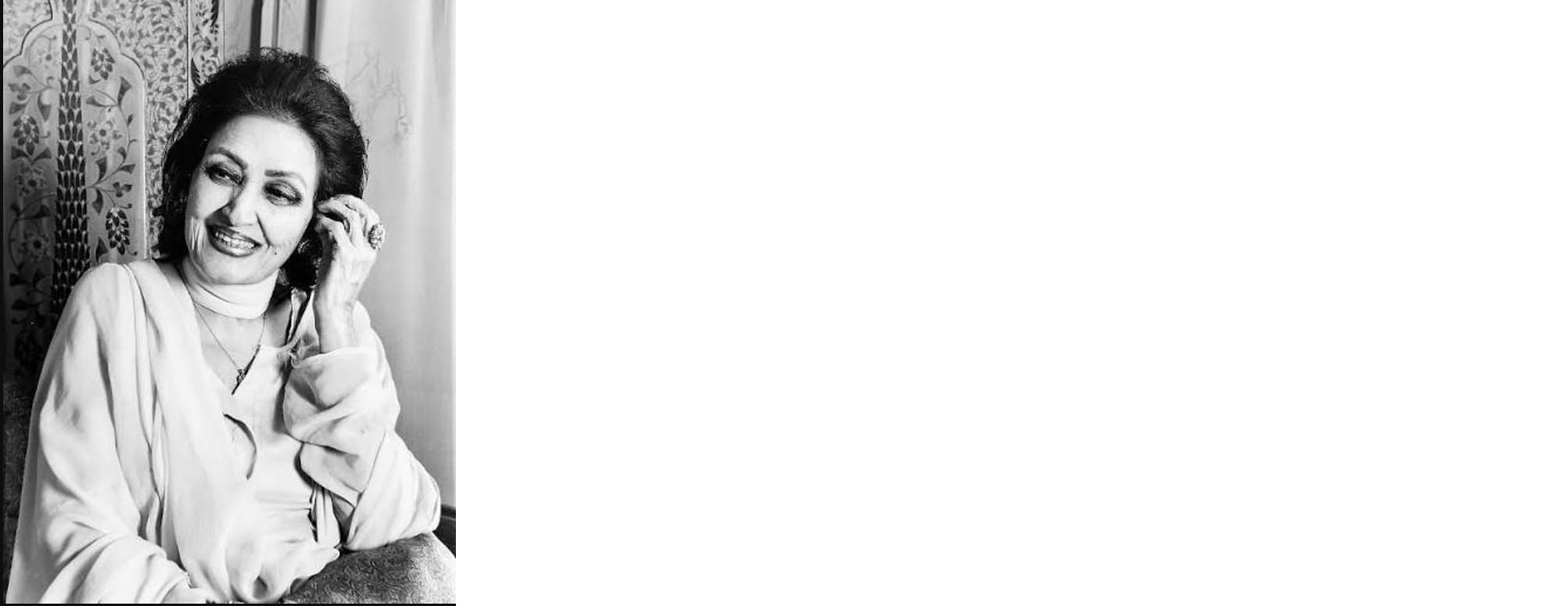
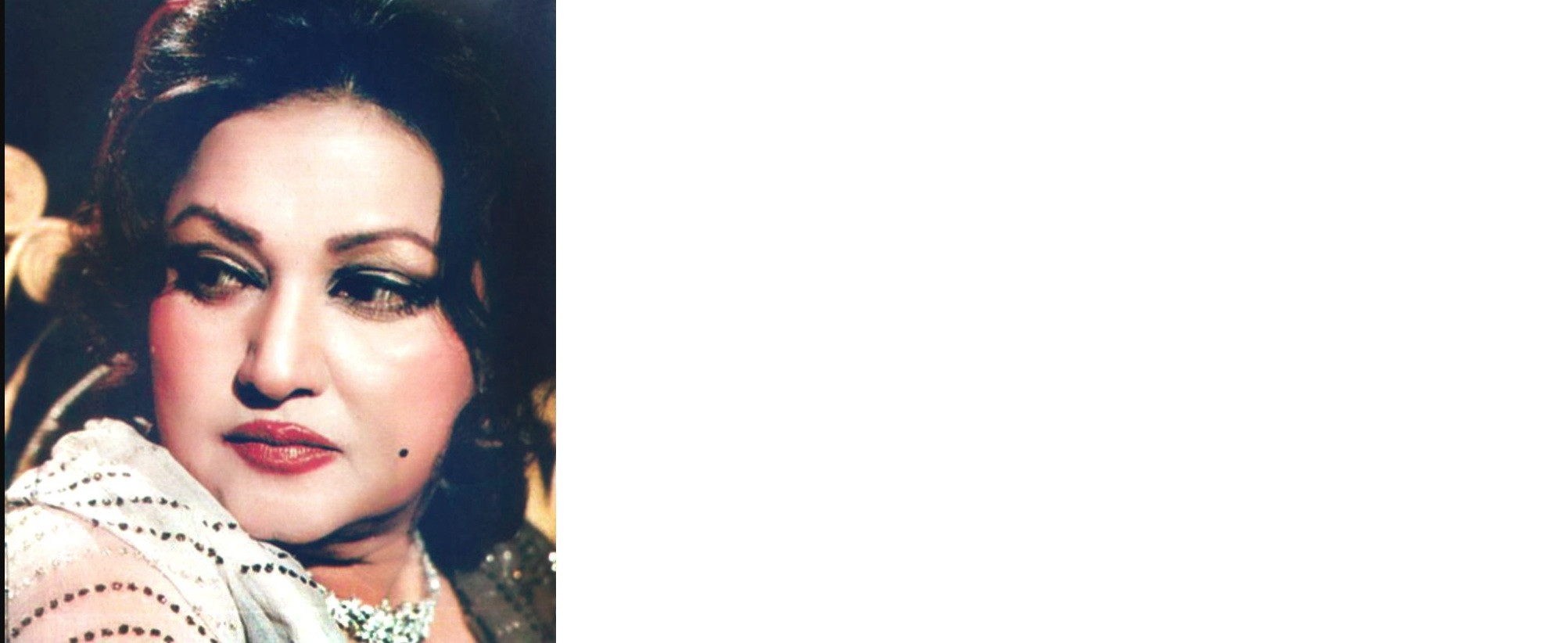
This investigative and retrospective analysis examines the multifaceted life, formidable career, and enduring cultural impact of Madam Noor Jahan. It traces her trajectory from a prodigious child artist in colonial India to a cinematic pioneer in Bombay, and finally to the indomitable Queen of Melody who sustained a fractured Pakistani nation through her wartime anthems. Furthermore, this report explores the critical socio-political dynamics of artistic preservation in the digital age, confronting how systemic neglect, copyright degradation, and historical reductionism threaten to relegate a towering musical legacy to a forgotten historical footnote.
Detailed Chronology: From Kasur to the Pantheon of Global Music
The life of Madam Noor Jahan was a sweeping epic defined by an unflagging, uncompromising commitment to her craft across more than six decades. Her biography is a testament to natural genius refined by rigorous, disciplined instruction.
Early Beginnings and Classical Foundations (1925–1935)
Born Allah Rakhi Wasai on September 21, 1925, into a modest Muslim family in Kasur with deep ancestral roots in music, her artistic destiny was practically preordained. Her grandmother, Amma Hasso, was a celebrated local singer renowned for her charitable pursuits, while her father, Imdad Ali, was an accomplished musician. Recognizing the raw, untamed vocal power of young Allah Rakhi, her family enrolled her in classical vocal training at the tender age of five.
Under the tutelage of eminent masters including Ustad Ghulam Muhammad, Kajjanbai, and luminaries of the Patiala Gharana, she honed her vocal range and mastered the intricate, mathematical structures of Hindustani ragas. This foundational classical training provided her with the technical versatility that would later allow her to effortlessly traverse ghazals, folk tunes, light classical numbers, and high-octane cinematic playback tracks.
The Calcutta Years and Cinematic Breakthrough (1935–1942)
As a child, Allah Rakhi performed with rural theatre troupes, eventually catching the eye of musician Ghulam Ahmed Chishti, who introduced her to the stage in Lahore. In the mid-1930s, her family relocated to Calcutta—then the vibrant epicentre of the Indian film industry—to launch the careers of her and her sisters. Mentored by Mukhtar Begum, she adopted the stage name "Baby Noor Jahan" and made notable appearances as a child artist in regional Punjabi and Urdu cinema, including Pind di Kuri (1935), Missar Ka Sitara (1936), Heer Sayyal (1937), and Gul-e-Bakawali.
Returning to Lahore in 1938 to expand her artistic horizons, her career reached a watershed moment in 1942. She successfully transitioned into her first major adult starring role opposite veteran actor Pran in Khandaan (1942), directed by Shaukat Hussain Rizvi. The film was an unprecedented commercial triumph, instantly catapulting Noor Jahan to pan-Indian stardom.
The Golden Age of Bombay Cinema (1942–1947)
Following the success of Khandaan, Noor Jahan married Shaukat Hussain Rizvi in 1943 and relocated to Bombay. Between 1945 and 1947, she reigned supreme as one of the definitive leading ladies of the Indian film industry. She delivered a succession of consecutive box-office blockbusters that cemented her legendary status, most notably:
Badi Ma (1945)
Zeenat (1945)
Jugnu (1947)
Her on-screen presence combined effortless glamour with powerhouse vocal performances, making her an icon of pre-Partition Indian cinema.
Partition, Statehood, and Directorial Prowess (1947–1959)
In the wake of the 1947 Partition, Noor Jahan and her husband migrated to Karachi, Pakistan, bringing their immense industry experience to a newly minted nation desperately searching for a cultural identity. In 1951, she achieved a historic milestone by starring in and co-directing Chanwey, thereby becoming Pakistan’s first female film director.
Following up with commercial hits like Dupatta (1952), she established total dominance over the nascent Pakistani film landscape. Having appeared in over 40 feature films, she made the bold strategic pivot in the late 1950s to step away from acting entirely, dedicating herself exclusively to playback singing—returning, fundamentally, to her first and truest love: music. In recognition of her monumental artistic contributions, she was conferred the prestigious President’s Award for Pride of Performance in 1957.
Supporting Context & Metrics: The Voice That Sustained a Nation
Madam Noor Jahan’s career as a playback singer and cultural icon can be quantified by staggering professional metrics and profound historical moments that transformed her from a celebrity into a national institution.
+-----------------------------------------------------------------+
|                  NOOR JAHAN: KEY METRICS & MILESTONES           |
+-----------------------------------------------------------------+
|  Active Career Span       | Over 6 Decades (1930s – Late 1990s) |
|  Total Recorded Songs     | Estimated 10,000+ Tracks            |
|  Feature Films Starred In | 40+ Films                           |
|  Languages Performed In   | Urdu, Punjabi, Sindhi, Hindi, etc.  |
|  Highest State Honors     | Pride of Performance (1957)         |
|                           | Tamgha-e-Imtiaz (1966)              |
+-----------------------------------------------------------------+
The 1965 War and the Birth of Malika-e-Tarannum
Perhaps the defining historical chapter of Madam Jahan’s public life occurred during the 17-day Indo-Pakistani War of 1965. As conflict engulfed the region, Noor Jahan exhibited extraordinary civic leadership and patriotism. According to accounts by authors such as Aamer Hussein, she arrived at Radio Pakistan on the very first day of the war carrying a sheaf of freshly penned lyrical compositions in praise of soldiers, pilots, and sailors.
Refusing to wait for formal bureaucratic clearance, she set the lyrics to music on the spot and demanded immediate recording. Anthems like "Ai watan ke sajile javano" and "Merya dhol sipaiya" filled the airwaves daily, broadcasting live and serving as an emotional anchor for a nation gripped by anxiety. These anthems galvanized civilian morale and invigorated military personnel on the frontlines.
In recognition of her tireless efforts during the nation’s darkest hour, she was officially bestowed the title of Malika-e-Tarannum (The Queen of Melody), followed by the Tamgha-e-Imtiaz in 1966.
Prolific Output and Stylistic Versatility
Operating as a dedicated, clockwork professional, Madam Noor Jahan recorded songs almost daily at Radio Pakistan studios. Unlike many contemporaries who relied on standard studio playback gimmicks, she insisted on raw, uncompromised vocal delivery. Over her lifetime, she recorded upwards of 10,000 songs, encompassing romantic ghazals, folk melodies, and spiritual tracks across multiple languages—including Urdu, Punjabi, Sindhi, and Hindi. Her voice became, in the words of cultural critics, an acoustic elixir capable of healing a nation’s collective psyche.
Official Statements and Institutional Critique
The absence of institutional acknowledgment during Madam Noor Jahan’s centennial month in September 2026 prompted sharp rebukes from cultural commentators, artists, and family members alike. The disconnect between public adoration for her recorded works and governmental indifference toward her historical preservation highlights a deeper systemic rot within cultural governance.
Renowned actor Ahmed Ali Butt, speaking candidly as both an industry insider and her direct descendant, articulated the widespread frustration felt by cultural custodians:
"No tribute, no PTV special transmission, no special show on any network, not even a poster at Liberty to wish you a 100th birthday. If it weren’t for your songs that people still listen to, the state would have forgotten you yesterday."
Expanding upon the broader structural failures of the state regarding artistic preservation, Butt added:
"We as a nation have always failed to give our legends their due. We don’t document their work, we hijack their copyrights and we make sure the artist and their legacy are never protected. It’s a shame how we as a country have lost touch with our own identity, culture and the people who made it."
This critique strikes at the heart of Pakistan’s historical amnesia. While informal celebrations—such as everyday citizens posting clips on social media or occasional Halloween homages—demonstrate that her art retains organic grassroots appeal, they remain purely cosmetic. Without deliberate, well-funded state and institutional archival strategies, the golden age of South Asian cinematic and musical history risks complete dissolution beneath a tide of commercialism and administrative apathy.
Future Outlook: Preserving a Titan’s Legacy in the Digital Age
As Pakistan approaches further historical milestones—including the approaching anniversary of her passing on December 23—urgent, proactive measures must be implemented to rescue Madam Noor Jahan’s monumental oeuvre from collective amnesia. Preserving a cultural legacy of this magnitude requires moving beyond passive remembrance to active, technologically integrated archiving.
1. Digital Migration and Streaming Optimization
For a younger generation raised entirely on digital ecosystems, physical archives and linear television broadcasts are obsolete. To ensure perennial relevance:
Classic films (Chanwey, Dupatta, Khandaan) must be digitally remastered in high definition and hosted on accessible global streaming platforms.
Her extensive catalog of 10,000+ songs must be meticulously curated, properly tagged with metadata, and promoted on algorithmic streaming services (Spotify, Apple Music, YouTube Music).
Short-form video platforms (TikTok, Instagram Reels) should be leveraged by cultural bodies to share iconic vocal runs, film snippets, and historical trivia, embedding her artistry natively into modern digital discourse.
2. Curricular Integration in Educational Institutions
A cursory mention in a high school history textbook is wholly insufficient for a cultural titan of her stature.
Schools and universities must incorporate her music, social impact during wartime, and classical training into arts and humanities curricula.
Educational institutions should revive experiential learning models—such as student-led musical revues, academic seminars, and symposiums dedicated to analyzing her vocal techniques and cultural positioning.
3. Literary Documentation and Media Commissions
Public memory requires sustained intellectual engagement.
Publishing houses and academic institutions must commission rigorous, peer-reviewed biographies, analytical essays, and coffee-table photo archives that separate fact from sensationalist rumor.
Mainstream media networks must fulfill their public-service mandates by producing high-budget investigative documentaries and biographical dramas that explore the triumphs and complexities of her life.
Conclusion
Madam Noor Jahan was far more than a playback singer or a silver-screen siren; she was the acoustic architect of a nation’s emotional identity. The casual irony of dressing up as her for a Halloween party, while symptomatic of a disconnected pop-culture landscape, underscores a deeper tragedy: society is increasingly prone to celebrating the aesthetic surface of its icons while forgetting the substance of their genius.
As her centennial year closes and future remembrance dates approach, the onus falls collectively upon state institutions, educational bodies, cultural guardians, and citizens alike. If proactive steps are not taken immediately to digitize, archive, and teach her monumental legacy, Pakistan risks losing touch with the very voice that once held its soul together.






Comments
Facebook App ID not configured. Please add it in the Customizer.