
Executive Overview
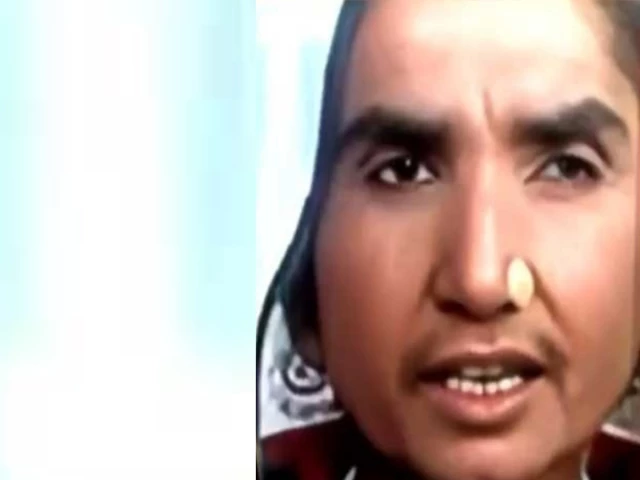
In a devastating blow to Pakistan’s indigenous cultural heritage and the ongoing struggle for women’s rights, Mai Sobhayi—celebrated as the first female folk singer from Balochistan’s prominent Bugti tribe—was gunned down by unidentified assailants in the Dera Bugti district. The targeted assassination of the trailblazing artist has sent shockwaves through the country’s artistic communities, human rights organizations, and civil society networks.
Sobhayi transcended deep-seated cultural taboos in a deeply patriarchal and conservative tribal belt, stepping out of domestic obscurity to share the rich oral traditions and folk melodies of the Bugti people with a broader public. Her public performances were not merely acts of artistic expression; they were revolutionary statements of autonomy in a region where female visibility is heavily restricted by rigid customary codes.
As law enforcement agencies grapple with the complexities of the case, the core motive behind the brutal attack remains shrouded in uncertainty. While police have launched a multi-angled investigation to track down the fleeing perpetrators, the incident has reignited urgent conversations regarding the physical safety of female artists, the lethal intersection of tribal misogyny and extremism, and the systemic failures of the state to protect cultural pioneers operating in high-risk environments. This comprehensive report explores the chronology of the tragedy, the profound cultural impact of Mai Sobhayi, the socio-political climate of Balochistan, and the systemic challenges facing women in Pakistan’s traditional performing arts sector.
Read Also
Detailed Chronology of the Incident
The Attack in Dera Bugti
The fatal sequence of events unfolded in the volatile and rugged terrain of Dera Bugti, a district characterized by its tribal hierarchies and complex security dynamics. According to preliminary police reports and local media accounts, Mai Sobhayi was targeted in broad daylight by armed assailants who had tracked her movements.
Eyewitness accounts and initial police logs indicate that a group of armed individuals—though conflicting reports initially suggested a lone gunman—intercepted the singer. Without warning or a documented verbal altercation, the assailants opened direct fire on Sobhayi. The severity and precision of the attack left the singer with fatal injuries, resulting in her death on the spot before medical assistance could be administered or she could be transported to a local healthcare facility.
Following the barrage of gunfire, the attackers exploited the surrounding terrain and local escape routes to flee the scene undetected. Local residents, alerted by the gunfire, rushed to the site and notified local law enforcement, initiating an immediate emergency response that ultimately secured the crime scene too late to prevent the tragedy.
Immediate Law Enforcement Response
Within hours of the shooting, heavy contingents of local police, Levies forces, and intelligence personnel cordoned off the area to collect forensic evidence, interview potential witnesses, and establish a perimeter. A case was formally registered against unknown perpetrators, and investigators began scouring the vicinity for circumstantial evidence, including footpaths used by the escaping assailants and potential eyewitness testimonies from neighbors and family members.
Senior police officials leading the investigation stated that the inquiry is being pursued from multiple angles. Investigators are examining whether the attack stemmed from a personal feud, a targeted tribal sanction against her public lifestyle, or broader militant intimidation tactics targeting cultural figures. Despite the mobilization of various law enforcement units, as of the latest updates, no arrests have been made, and the identity of the gunmen remains officially unverified.
Supporting Context & Metrics: The Perils of Cultural Expression in Balochistan
Breaking the Mold: Who Was Mai Sobhayi?
To fully comprehend the gravity of Mai Sobhayi’s murder, one must understand the socio-cultural landscape of the Bugti tribe and the broader province of Balochistan. In a society governed largely by Rivaj (tribal custom) and patriarchal interpretations of honor, women are traditionally expected to remain within the confines of domestic spheres, shielded from the public eye. Public performance, singing, and dancing by women are frequently viewed by conservative traditionalists as transgressions against tribal norms.
Mai Sobhayi shattered this glass ceiling by becoming the first female folk singer from the Bugti tribe to step onto public stages, record her voice, and share the indigenous musical heritage of her people with the world. Folk music in Balochistan is an ancient, vital archive of history, folklore, romantic tragedy, and tribal resilience. By lending her voice to these traditional compositions, Sobhayi served as a cultural ambassador for her community, preserving oral histories that risked being lost to time. Her courage opened doors for other aspiring women in the region, inspiring a quiet cultural awakening that challenged the status quo.
Balochistan’s Troubled Socio-Security Landscape
Balochistan, Pakistan’s largest province by area but its most sparsely populated, has long struggled with a complex cocktail of insurgencies, sectarian violence, tribal feuds, and heavy-handed counter-terrorism operations. In this high-tension environment, civil liberties are frequently compromised, and marginalized groups—particularly women and cultural workers—exist in a state of heightened vulnerability.
+-------------------------------------------------------------------------+
|                  VULNERABILITY METRICS: BALOCHISTAN ARTISTS             |
+-------------------------------------------------------------------------+
|  • Primary Risk Factor: Intersection of tribal patriarchy & extremism    |
|  • High-Risk Demographics: Female public performers, folk artists        |
|  • Geographic Concentration: Dera Bugti, Kohlu, and remote tribal belts   |
|  • State Protection Index: Critically low in rural and tribal districts   |
|  • Impunity Rate for Targeted Violence: Historically high                |
+-------------------------------------------------------------------------+
The province ranks poorly on various human rights and gender equality indices. According to reports from local human rights defenders, acts of violence against women—ranging from domestic abuse to so-called "honor" killings and targeted assassinations—frequently go underreported due to tribal pressure and a pervasive culture of impunity. When a woman steps outside the prescribed boundaries of tribal tradition to achieve public prominence, as Mai Sobhayi did, she often becomes a lightning rod for reactionary hostility.
The Systematic Erasure of Female Voices in Pakistan’s Peripheries
Sobhayi’s death is not an isolated incident; rather, it is part of a disturbing historical continuum of violence directed against female artists, singers, and dancers across conservative regions of Pakistan. Over the past two decades, numerous female performers in Khyber Pakhtunkhwa, the former Federally Administered Tribal Areas (FATA), and interior Balochistan have faced intense intimidation, acid attacks, forced exiles, and targeted killings.
These incidents highlight a brutal pushback against cultural modernity. Conservative elements and extremist factions often weaponize traditional morality codes to suppress artistic expression, viewing female autonomy and public visibility as direct threats to their ideological and social control. Consequently, artists operating in Pakistan’s peripheral regions must navigate an invisible minefield where every public performance carries a potential death sentence.
Official Statements and Public Outcry
Government and Police Reactions
In the wake of Mai Sobhayi’s assassination, regional authorities faced mounting pressure from civil society and media outlets to deliver swift justice. Balochistan Chief Minister and provincial home ministry officials issued strongly worded statements condemning the brutal attack, describing it as a "cowardly act" and an attack on the cultural identity of the province.
Local police administration officials reiterated their commitment to bringing the culprits to justice, noting that specialized investigative teams have been formed to pursue all available leads. "We are examining every possible motive behind this tragic incident," a senior police investigator noted on the condition of anonymity. "Whether this is linked to tribal disputes, personal enmity, or ideological intolerance toward her profession, we will leave no stone unturned to identify and apprehend those responsible."
Civil Society and Human Rights Condemnations
Human rights organizations, women’s rights advocates, and cultural bodies across Pakistan erupted in profound grief and outrage following the news of Sobhayi’s murder. Press releases issued by organizations such as the Human Rights Commission of Pakistan (HRCP) demanded an immediate, transparent, and high-level judicial inquiry into the assassination.
Civil society leaders emphasized that the state’s failure to provide adequate security to cultural workers and women breaking traditional barriers creates a permissive environment for such crimes. Cultural forums in Quetta, Karachi, and Lahore held commemorative vigils, singing Sobhayi’s folk anthems and calling for systemic reforms to protect endangered artists.
“Mai Sobhayi was not just a singer; she was a custodian of our shared heritage and a brave pioneer who dared to sing in the face of tyranny,” said a prominent Baloch rights activist during a memorial gathering. “Her murder is a dark stain on our collective conscience. If the state cannot protect women who sing, it fails in its fundamental duty to protect freedom of expression and human life.”
Future Outlook: Implications for Culture, Security, and Women’s Rights
Will Justice Be Served?
The immediate future of this case hinges on the political will and investigative competence of Balochistan’s law enforcement agencies. Historically, crimes committed against women in remote tribal districts like Dera Bugti often languish in bureaucratic delays, hampered by tribal loyalties, intimidation of witnesses, and a lack of forensic infrastructure.
For justice to be served, the state must insulate the investigation from tribal interference and ensure that the perpetrators—regardless of their tribal affiliations or social status—are brought before a court of law. A failure to secure convictions in this case will send a chilling message to other female artists, further silencing cultural expression in the region.
The Long-Term Battle for Artistic Freedom
Beyond the pursuit of Sobhayi’s killers, this tragedy demands a comprehensive structural reassessment of how cultural security is managed in Pakistan. Key stakeholders must address several critical imperatives moving forward:
- Enhanced State Protection for Cultural Workers: The government of Balochistan and federal cultural ministries must establish specialized protection protocols and safe houses for artists facing targeted threats due to their profession.
- Legal Reforms and Enforcement: Strengthening legal mechanisms against gender-based violence and tribal extrajudicial decrees is vital to dismantling the culture of impunity that protects perpetrators of honor-related and targeted violence.
- Countering Extremist and Patriarchal Narratives: Civil society, educational institutions, and media platforms must intensify efforts to promote pluralism, gender equality, and cultural appreciation, countering the regressive narratives that frame women’s art as a moral transgression.
- Economic and Social Support Systems: Many female folk artists in rural Pakistan live in extreme poverty, making them acutely vulnerable. Establishing welfare funds, state-backed security stipends, and institutional backing can provide these artists with the leverage they need to survive and thrive.
Conclusion
The assassination of Mai Sobhayi is a profound tragedy that extends far beyond the borders of Dera Bugti. It represents an assault on the soul of Balochistan’s cultural heritage and a grim reminder of the perilous conditions under which women attempt to claim space in patriarchal societies. As her grieving family, fans, and human rights defenders await justice, Sobhayi’s voice remains suspended in time—a haunting melody of courage, defiance, and a tragic reminder of the heavy price paid by those who dare to sing against the dark.




Comments
Facebook App ID not configured. Please add it in the Customizer.