
Executive Overview
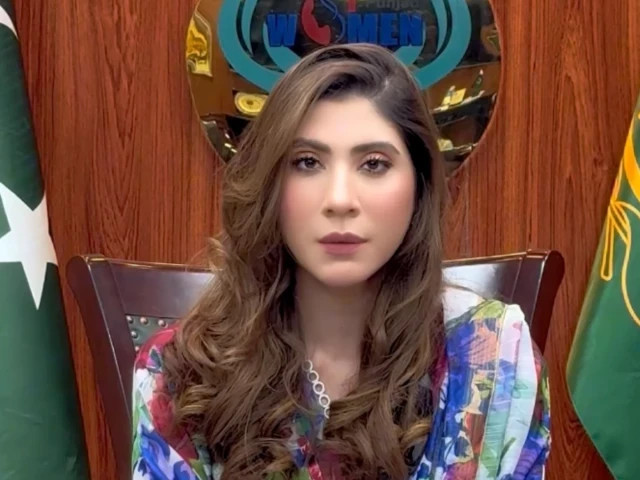
In an era where modern relationships increasingly intersect with the digital permanence of personal histories, public figures frequently utilize popular media to address complex socio-cultural phenomena. Recently, Pakistan Muslim League-Nawaz (PML-N) Member of the Provincial Assembly (MPA) Hina Parvez Butt turned to popular television drama Dar-e-Nijaat to spark a broader, much-needed societal conversation regarding the fragility of modern marriages. Focusing on how unresolved baggage, hidden pasts, and historical mistakes can destabilize a contemporary union, Butt’s commentary goes beyond mere entertainment critique, touching on the foundational pillars of psychological well-being, interpersonal conflict resolution, and marital longevity.
Drawing inspiration from the narrative arcs within Dar-e-Nijaat, Butt utilized her official Instagram platform to deliver a masterclass on emotional maturity. She highlighted the destructive nature of impulsive, anger-driven decision-making and advocated for a systematic approach to marital distress rooted in open dialogue, radical honesty, mutual respect, and unwavering trust.
This analytical report examines the societal implications of Butt’s remarks, contextualizes the growing intersection between popular entertainment and domestic counseling in South Asia, and explores the vital psychological frameworks required for couples to safeguard their present against the ghosts of their past.
Read Also
Detailed Chronology: The Evolution of the Discourse
The public discourse initiated by MPA Hina Parvez Butt unfolded through a deliberate sequence of media engagement, leveraging the reach of social media to amplify a critical cultural message.
Phase 1: The Cultural Catalyst
The conversation was initially sparked by the thematic exploration of Dar-e-Nijaat, a television drama that tackles the messy realities of pre-existing relationships, personal secrets, and the jarring collision between historical choices and contemporary commitments. As the drama unfolded key plot points regarding hidden pasts coming to light, viewers across Pakistan began discussing the broader ethical and emotional dilemmas surrounding marital transparency.
Phase 2: Digital Amplification by MPA Hina Parvez Butt
Recognizing the cultural resonance of the show’s themes, Hina Parvez Butt took to her official Instagram account to publish a video commentary. Moving away from standard political discourse, the PML-N lawmaker adopted the role of a cultural commentator and social counselor. In her video address, she dissected the emotional mechanisms through which past relationships infiltrate current marriages, noting that the exposure of private histories often acts as a catalyst for severe domestic friction.
Phase 3: Articulating the Core Tenets of Resolution
Following her video release, Butt accompanied the post with an extensive written caption that detailed actionable advice for couples navigating similar crises. She explicitly warned against the perils of reactive decision-making during moments of shock or betrayal, cautioning that anger invariably clouds judgment and exacerbates misunderstandings.
Phase 4: Public and Digital Reception
The intervention quickly captured the attention of digital media outlets, lifestyle publications, and everyday social media users. By framing personal vulnerability as an issue of civic and domestic importance, Butt’s message transformed a standard television review into a widespread public dialogue on mental health, marital ethics, and the socio-cultural expectations placed on couples in contemporary Pakistani society.
Supporting Context & Metrics: The Anatomy of Modern Marital Stress
To fully comprehend the weight of Hina Parvez Butt’s remarks, it is essential to examine the socio-cultural and psychological framework underpinning modern relationships, particularly within urbanizing South Asian contexts.
The Digital Age and the Inescapable Past
Historically, pre-marital histories were shielded by geographic distance, lack of documentation, and traditional social boundaries. However, the advent of digital communication, social media, and shifting societal norms means that individuals entering into a marriage often carry digital and emotional footprints from their past. When these remnants—ranging from former romantic attachments to private personal mistakes—surface unexpectedly, they can induce profound feelings of betrayal, inadequacy, and insecurity in a spouse.
Psychological Metrics of Conflict in Marriage
Relationship counselors and psychological studies consistently identify four primary vectors of marital breakdown:
- Defensiveness and Dishonesty: Concealing past truths out of fear often creates a toxic foundation of paranoia. When secrets are inevitably uncovered, the breach of trust is frequently magnified by the initial deception.
- Reactive Emotionality: Making definitive life choices (such as separation or emotional withdrawal) in the immediate aftermath of a distressing revelation leads to impulsive decisions that parties often regret later.
- The "Shadow Effect": Allowing historical mistakes to define a person’s current character prevents growth, turning the marital home into a courtroom rather than a sanctuary of mutual rehabilitation.
- Communication Breakdown: Substituting direct, compassionate dialogue with silent treatments, passive-aggression, or societal judgment.
Cultural Landscapes and the Role of Public Figures
In Pakistan, where the institution of marriage remains a cornerstone of social stability—while simultaneously facing unprecedented modern pressures—the intervention of political figures into domestic sociology carries significant weight. When an elected representative like Hina Parvez Butt addresses issues of emotional intelligence, mental resilience, and conflict de-escalation, it helps normalize conversations around marital counseling and psychological health in a society that has traditionally viewed such matters as strictly private, taboo subjects.
Official Statements and Core Teachings
The core philosophy articulated by MPA Hina Parvez Butt rests on four foundational pillars: Communication, Honesty, Respect, and Trust. Below is an analytical breakdown of her primary tenets as derived from her public statements:
1. Rejecting Reactive Anger
"When you are in a difficult situation like this, it is better to not act out of anger."
Butt places primary emphasis on emotional regulation during crises. When a shocking revelation from a partner’s past emerges, the human brain typically activates a "fight or flight" response, manifesting as intense anger or emotional withdrawal. Butt cautions that decisions made under the influence of acute emotional distress rarely serve the long-term interests of either partner. Instead, she advocates for a cooling-off period where individuals can process their emotions before engaging in constructive dialogue.
2. Radical Honesty vs. Deception
"Instead of hiding things or lying, try to address the matter together. If there is a misunderstanding, resolve it through honest communication."
A recurring theme in Butt’s commentary is the distinction between keeping private aspects of one’s past private versus active deception. While individuals retain a reasonable right to personal privacy regarding bygone eras, lying once a matter comes to light actively destroys trust. Butt stresses that owning one’s history—difficult as it may be—presents a far stronger platform for healing than attempting to cover up uncomfortable truths with fabrications.
3. Living in the Present
"The past cannot define you. You can make your present better. Live in the present. A good marriage is built on respect and trust."
Psychological rehabilitation in relationships requires what mindfulness experts term "present-moment awareness." Butt’s message serves as a reminder that a spouse’s past is a chronicle of who they were, not necessarily who they are today. By demanding that couples anchor their interactions in the present moment, she challenges the punitive mindset that weaponizes historical mistakes against a partner indefinitely.
4. Constructive Dialogue Over Assumptions
"A husband and wife should properly communicate their misunderstandings and fix the problem."
Misunderstandings thrive in the absence of clarity. Butt underscores that silent suffering, internal rumination, and seeking validation from external, third-party sources often worsen domestic disputes. Direct, empathetic, and courageous conversation between the spouses is prescribed as the ultimate antidote to relational friction.
Future Outlook: Toward Healthier Societal Frameworks
As society continues to evolve through technological advancements and shifting interpersonal dynamics, the dialogue initiated by leaders like Hina Parvez Butt points toward a necessary paradigm shift in how marriages are sustained and protected.
1. Destigmatizing Relationship Counseling
For generations, addressing marital friction required keeping up appearances, with families often intervening to sweep deep-seated issues under the rug. By encouraging open, honest communication and emotional maturity, public commentary helps normalize the pursuit of conflict resolution strategies, paving the way for wider acceptance of professional pre-marital and post-marital counseling services across Pakistan.
2. Educating the Younger Generation on Emotional Intelligence
The intersection of popular media (such as Dar-e-Nijaat) and real-world social commentary demonstrates the educational potential of popular culture. Future media productions can intentionally model healthy conflict resolution, moving away from toxic melodrama toward constructive depictions of empathy, forgiveness, and trust-building. This cultural shift can profoundly influence younger generations as they approach commitment and marriage.
3. Policy and Social Support Systems
While individual communication remains the bedrock of marital harmony, systemic support is equally vital. Expanding community mental health initiatives, establishing accessible family guidance centers, and promoting emotional literacy within educational curricula will ensure that future citizens possess the psychological toolkits required to navigate complex interpersonal relationships.
Conclusion
Hina Parvez Butt’s engagement with the themes of Dar-e-Nijaat transcends standard social media commentary, offering a timely and insightful meditation on the mechanics of modern love and endurance. By championing open communication, unyielding honesty, mutual respect, and profound trust, she provides a roadmap for couples attempting to navigate the treacherous waters where past histories meet present commitments.
In a world that is increasingly unforgiving of human error and personal vulnerability, Butt’s message serves as a vital reminder: a successful marriage is not defined by the absence of past mistakes, but by the courage, grace, and honesty with which a couple chooses to face them together in the present.





Comments
Facebook App ID not configured. Please add it in the Customizer.