
Executive Overview
For veteran horror author Abe Moss, the macabre is not merely a genre; it is a lifelong residency. Having penned over twenty indie and self-published novels, Moss has established a formidable reputation for pushing the boundaries of speculative fiction. His writing embraces the unsettling, the uncanny, and the psychologically fraught, continuously challenging readers to confront the darkness lurking at the edges of everyday life. On October 6, 2026, Moss will expand his terrifying bibliography with the release of Morsels, published by Evil Twin.
Described succinctly by its author as You’re Next meets Invasion of the Body Snatchers, Morsels is a supernatural "meet-the-family" horror romp that delves deep into the squalor of family dysfunction, the lingering ghosts of childhood trauma, and the malevolent entities that fester within the basements of our shared pasts. In this exclusive, comprehensive interview, Moss pulls back the curtain on his creative process. He discusses his fascination with classic horror tropes, the unexpected cinematic influences that shaped his narrative—ranging from body-snatching paranoias to the whimsical witchiness of Hocus Pocus—and the unique hurdles of marketing a book that defies neat categorical boundaries. Furthermore, Moss shares invaluable industry wisdom for fellow creators, emphasizing the necessity of artistic authenticity over fleeting market trends.
Detailed Chronology: From Concept to Evil Twin Publication
The journey of Morsels from a localized seed of an idea to a polished, professionally published horror title is a testament to the unpredictable nature of the creative process. Like many prolific writers, Moss maintains a meticulously curated repository of concepts, waiting for the precise moment when inspiration and execution align.
Read Also
The Incubation and Outlining Phase
Long before Morsels found its home with Evil Twin, the foundational concepts existed as mere notes in Moss’s digital backlog. When the time finally arrived to bring the project to life, Moss initiated his rigorous outlining phase. Unlike "discovery writers" who let the narrative unfold organically on the page, Moss relies heavily on structural planning. For him, the vast majority of narrative problem-solving and organic discoveries occur during this foundational blueprinting stage.
However, even the most rigidly constructed outlines are susceptible to the organic evolution of characters. During the development of Morsels, a minor character who was initially intended to occupy the periphery of the narrative began to demand greater narrative real estate. As Moss fleshed out this character’s backstory and motivations, her presence expanded exponentially. This growth required a sweeping retroactive overhaul of the book’s earlier acts to accommodate her rising prominence. Ultimately, this structural pivot not only saved the pacing of the narrative but also anchored its emotional core, transforming a background figure into the thematic heartbeat of the entire novel.
Evolution Through Unconventional Influences
As the plot points began to lock into place during the outlining process, Moss realized he wanted to steer the narrative into increasingly bizarre, uncharted territories. While the elevator pitch points to the high-octane home invasion tension of You’re Next and the paranoia of Invasion of the Body Snatchers, the stylistic DNA of Morsels harbors a surprisingly eclectic influence: the beloved 1993 cinematic classic, Hocus Pocus.
To the uninitiated reader, combining the relentless dread of sci-fi-adjacent body horror with the whimsical, campy witchiness of Disney’s Halloween staple might sound discordant, if not outright chaotic. Yet, it is precisely this friction that defines the distinct flavor of Morsels. Moss weaves a pervasive thread of "pseudo-witchiness" throughout the book, establishing a mythological framework reminiscent of a folkloric entity in the woods that processes its victims into "meals." This culinary, predatory motif directly informs the novel’s title, framing humanity as bite-sized offerings for ancient, ravenous appetites.
The Transition to Traditional/Indie Hybrid Press
Originally conceived and brought to life within the self-publishing sphere—a domain Moss knows intimately after releasing over two dozen titles independently—Morsels eventually crossed over to Evil Twin. This transition represents a fascinating evolution for an author well-versed in wearing every conceivable hat in the publishing ecosystem. Moving from the total autonomy of indie publishing to partnering with a publisher like Evil Twin introduced fresh collaborative dimensions to Moss’s career, culminating in the upcoming wide release slated for October 6, 2026.
Supporting Context & Metrics: Tropes, Demographics, and the Art of the Uncanny
To truly appreciate the architectural genius of Morsels, one must analyze the literary and cinematic DNA that Moss manipulates. Horror is a genre deeply reliant on structural shorthand—tropes that immediately signal to the audience the emotional register of the story. Moss deliberately subverts and combines two distinct narrative vehicles: the "meet-the-family" dynamic and the "doppelganger" uncanny valley.
Deconstructing the "Meet-the-Family" Vulnerability
The anxiety of meeting a romantic partner’s parents for the first time is a universal, highly relatable crucible. It is an inherently vulnerable, nerve-racking social experiment fraught with unspoken expectations, cultural divides, and the fear of social rejection. Moss recognizes that this premise possesses an inherent narrative engine: the tension of the unknown.
When a protagonist steps across the threshold of a partner’s childhood home, they are seeking formative answers about the person they love. However, those revelations frequently open Pandora’s boxes of generational trauma, long-buried secrets, and systemic familial dysfunction. By introducing a supernatural horror twist into this already volatile social scenario, Moss amplifies the natural discomfort of familial introductions into a literal life-or-death struggle.
The Doppelganger and the Uncanny Valley
Complementing the family-dinner dread is Moss’s deployment of the doppelganger trope. The psychological horror of the doppelganger lies in the uncanny recognition that "something isn’t right behind this façade." Loved ones—parents, siblings, romantic partners—look, sound, and occasionally act like themselves, yet an insidious duplication or alteration has taken place beneath the surface. This theme of substitution serves as a brilliant metaphor for the estrangement that often occurs within dysfunctional families, where relatives can feel entirely alien to one another, driven by hidden, monstrous motives.
The Modern Horror Marketplace and Marketing Challenges
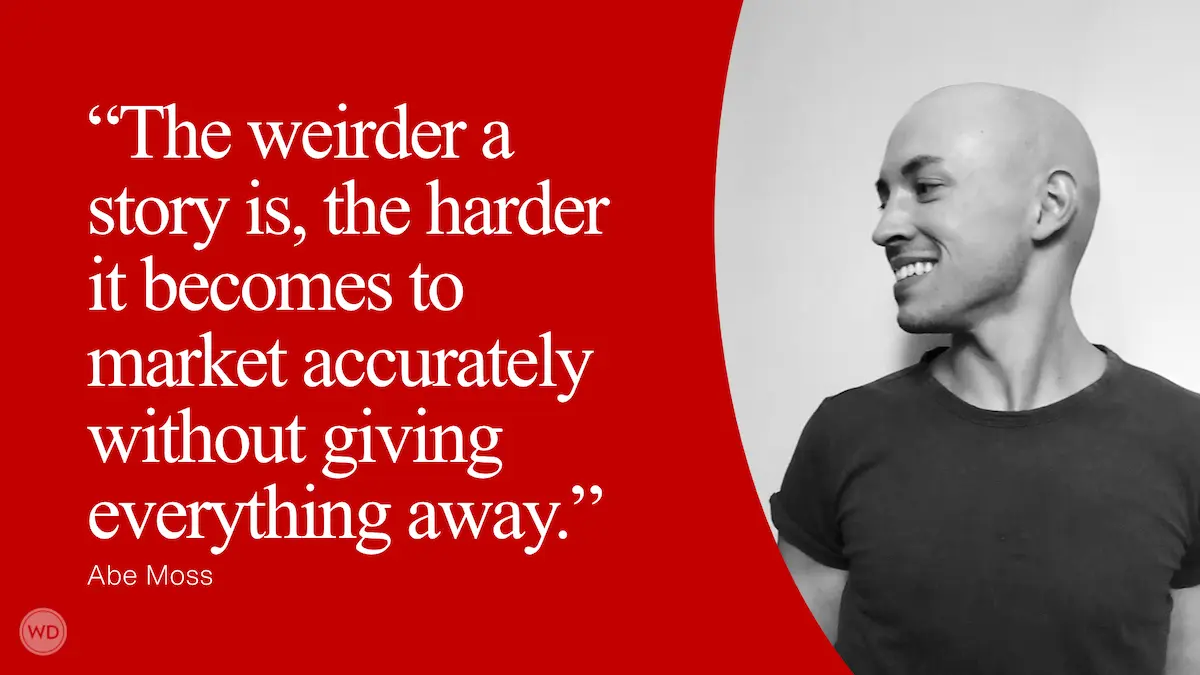
As an author with extensive experience navigating the indie publishing landscape, Moss possesses a pragmatic, clear-eyed view of contemporary book marketing. One of the most significant insights gleaned during the publication journey of Morsels centers on the paradox of originality in modern horror: the weirder a story is, the harder it is to market accurately without resorting to spoilers.
In an algorithmic literary marketplace dominated by concise tropes and easily digestible TikTok aesthetics, books that deliberately subvert expectations present a distinct promotional hurdle. Publishers and authors must walk a razor-thin tightrope. They need to manage reader expectations—delivering accurate genre signposts so that fans of supernatural horror and home-invasion thrillers find the book—while fiercely guarding the key narrative twists and turns that define the reading experience. For Moss, Morsels proved to be a masterclass in this delicate balancing act, requiring strategic promotional phrasing that hints at the existential dread within without spoiling the descent into the basement of the past.
Official Statements & Author Insights
In discussing the overarching goals of Morsels and his broader philosophy on the craft of writing, Abe Moss offers profound advice that resonates far beyond the horror community.
On the Intended Reader Experience
When asked what he hopes audiences will extract from the harrowing pages of his latest novel, Moss places visceral impact above all else:
"First and foremost, I hope it creeps them out! I hope they feel the same unease and uncertainty the characters do, and the dreadful inevitability of a roller coaster with busted brakes hurtling into the dark. It’s fun and spooky and bingeable at face value, with some heavier themes and undertones for those who enjoy reading into their reading."
This dual-layered approach—delivering high-octane, entertaining genre thrills on the surface while embedding profound meditations on trauma and dysfunction underneath—has become the hallmark of Moss’s literary career.
On Writing Authenticity and Avoiding Trend-Chasing
Having successfully navigated the grueling demands of self-publishing and indie author entrepreneurship—where creators must act as writers, editors, marketers, formatters, and publicists simultaneously—Moss offers definitive guidance for emerging voices:
"Only write the story you’re passionate about telling and nothing less. I’ve self-published a couple dozen books now, and indie authors are required to wear many different hats (all the hats, actually), and I can say with confidence the best and most fulfilling stories are the ones that excite you. Not only does chasing trends burn you out, but you’ll find the wrong readers by doing so. The right readers will love what you love."
This manifesto underscores a vital truth for the modern creative economy: artistic stamina is directly fueled by personal enthusiasm. In an industry prone to rapid micro-trends, authentic passion remains the only sustainable anchor against creative burnout.
Future Outlook: What Lies Ahead for Abe Moss and Evil Twin
As the literary world counts down the days to the October 6, 2026 release of Morsels, anticipation within the horror community continues to build. Evil Twin’s acquisition of the novel signals a growing appetite for boundary-pushing speculative fiction that refuses to be neatly pigeonholed into traditional sub-genre boxes.
For Abe Moss, Morsels represents both a continuation of his prolific output and a bold evolution in his craft. By seamlessly merging the claustrophobic dread of familial domesticity with folkloric, witch-adjacent body horror, Moss is setting a new standard for what indie-to-hybrid horror can achieve.
As he continues to write horror stories with no intention of stopping, Moss’s trajectory points toward an increasingly influential role in contemporary dark fiction. Whether readers approach Morsels as a fast-paced, white-knuckle supernatural thriller or as a deeply psychological exploration of childhood trauma and generational curses, one thing is certain: Abe Moss has engineered yet another literary roller coaster with busted brakes, hurtling headfirst into the terrifying dark—and his readership wouldn’t want it any other way.
To stay updated on Abe Moss’s upcoming releases, book tour dates, and literary musings, you can follow him on Facebook and Instagram. Make sure to grab your copy of Morsels when it hits shelves on October 6, 2026, via Evil Twin.

Comments
Facebook App ID not configured. Please add it in the Customizer.