
Executive Overview
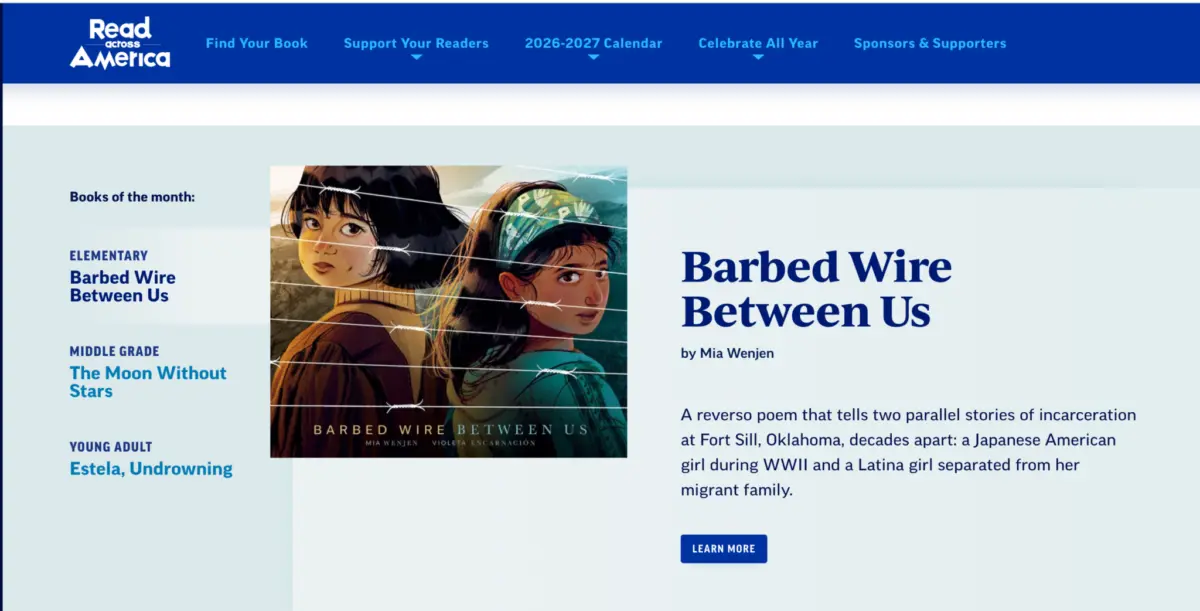
In a milestone announcement for contemporary children’s literature, Mia Wenjen’s poignant reverso picture book, Barbed Wire Between Us—illustrated by Violeta Encarnación and published by Red Comet Press—has been officially selected for the National Education Association’s (NEA) Read Across America calendar. Featured for April 2027 under the timely and resonant theme "Build Belonging," the book stands out as a powerful educational tool designed to foster empathy, historical awareness, and social consciousness in young readers.
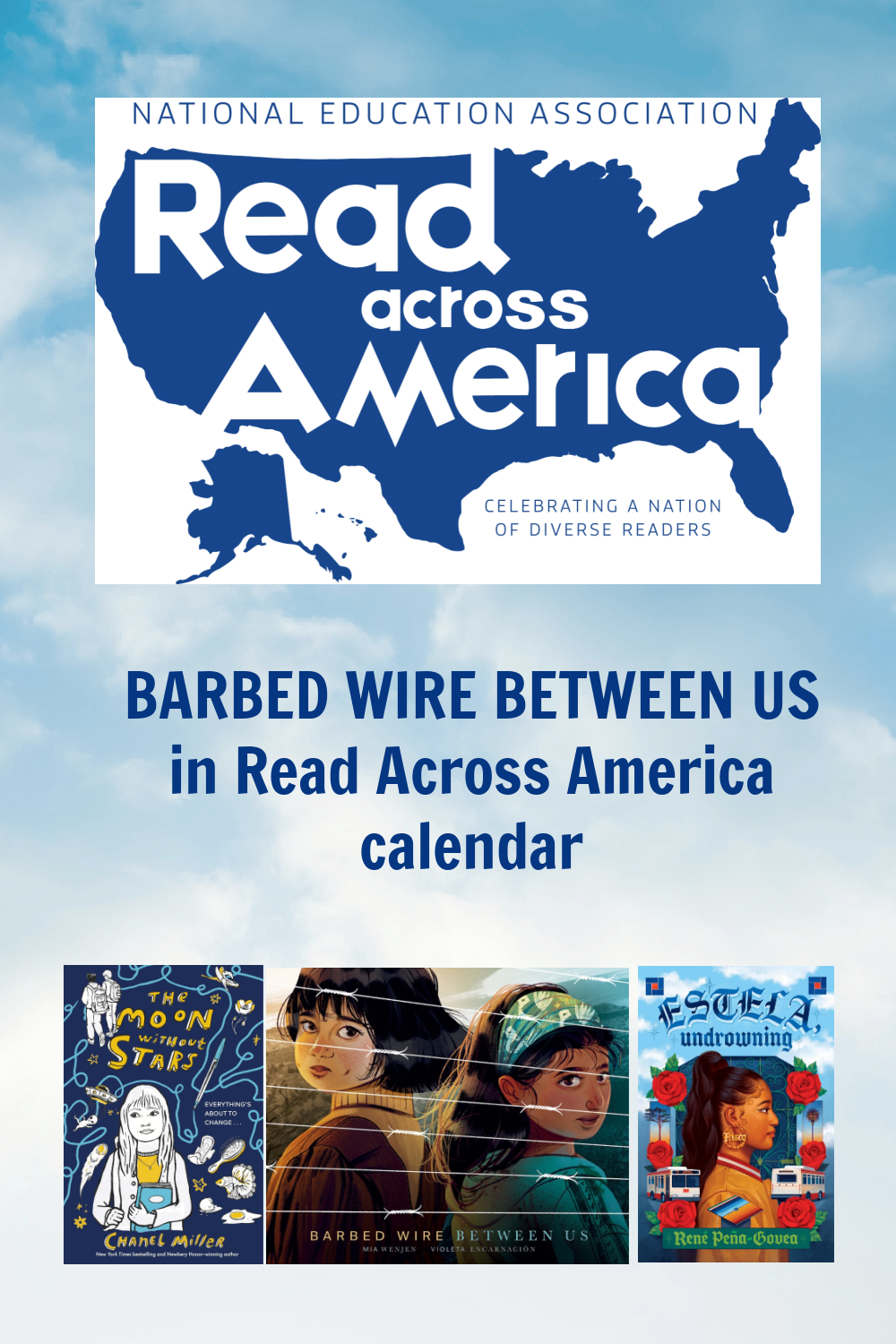
The NEA Read Across America initiative is the nation’s largest celebration of reading, motivating millions of children and teens to discover the joy of books while connecting them with diverse narratives that mirror their own lives and open windows into the experiences of others. By highlighting Barbed Wire Between Us as the elementary book of the month for April 2027, the NEA underscores the critical importance of addressing complex historical and contemporary themes—specifically state-sanctioned incarceration, familial separation, and systemic injustice—within elementary classrooms.
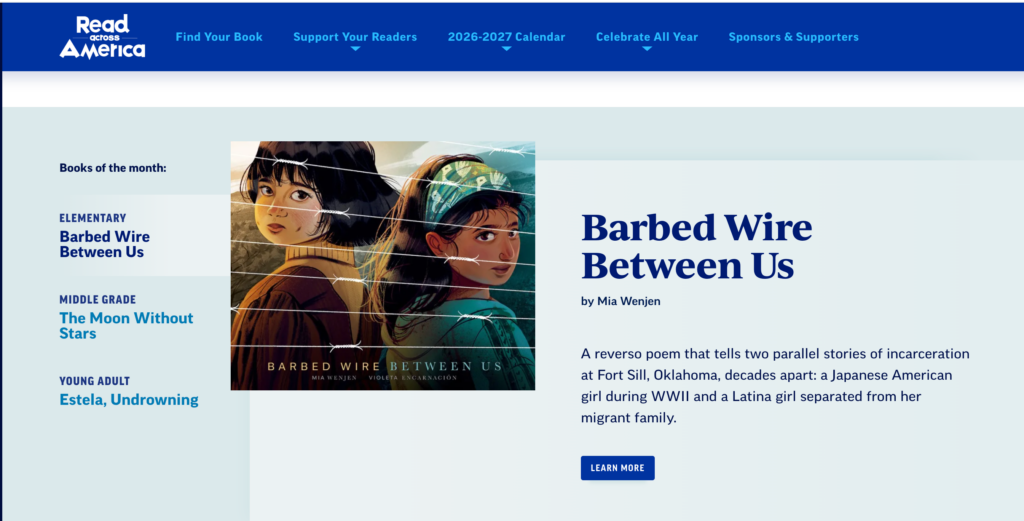
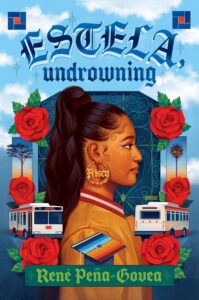
Alongside Wenjen’s work, the NEA has curated an exceptional slate of monthly selections for older demographics, including Chanel Miller’s middle school novel The Moon Without Stars (Philomel Books) and René Peña-Govea’s young adult title Estela, Undrowning (Quill Tree Books). Together, these selections form a cohesive literary framework addressing identity, social pressure, resilience, and systemic equity. This comprehensive report explores the significance of the NEA’s selection, examines the structural and thematic brilliance of Barbed Wire Between Us, profiles the companion literature, and highlights the extensive educational ecosystems built by authors and educators to support these vital texts.
Read Also

Detailed Chronology & Background
The journey of Barbed Wire Between Us to the NEA Read Across America calendar is the result of years of careful artistic collaboration, meticulous historical research, and a growing national conversation regarding how schools teach difficult chapters of American history.
From Concept to Publication
- Conception and Research: Mia Wenjen embarked on the project to bridge historical memory with contemporary realities, focusing on Fort Sill, Oklahoma—a site loaded with layered American histories of confinement.
- Artistic Collaboration: Partnering with illustrator Violeta Encarnación, the project sought a visual language that honors the gravity of the subject matter while remaining accessible and emotionally resonant for elementary-aged readers.
- Publication Launch: Released by Red Comet Press, the book quickly garnered critical acclaim for its innovative use of the reverso poetry form—a poetic structure that can be read forward to tell one story and backward to reveal a parallel narrative, perfectly mirroring the structural echoes of history.
- NEA Selection Announcement: In late 2026, the National Education Association announced its 2027 Read Across America calendar, placing Barbed Wire Between Us at the forefront of its April lineup under the "Build Belonging" initiative.
Thematic Resonance: Fort Sill Across the Decades
At the heart of Barbed Wire Between Us is an exploration of Fort Sill, Oklahoma, viewed through a dual lens separated by decades but bound by institutionalized confinement:
- World War II Japanese American Incarceration: The narrative follows a young Japanese American girl whose family and community were unjustly stripped of their civil liberties and detained during WWII.
- Contemporary Migrant Family Separation: In counterpoint, the reverso structure connects this historical trauma to the modern reality of a Latina child separated from her family at the border.
By juxtaposing these two narratives, Wenjen challenges readers to recognize patterns of systemic injustice, institutional fear, and the enduring human spirit across different eras of American policy.

Supporting Context & Metrics
To fully understand the impact of the NEA’s April 2027 selection, it is essential to examine the broader literary landscape of Read Across America, the criteria used for selection, and the comprehensive supplemental materials available to educators.

The NEA Read Across America Framework
The NEA Read Across America program transitioned years ago from a single-day event into a year-round reading program that champions diversity, equity, and inclusion in literature. The calendar categorizes selections by grade bands:

- Elementary School: Focuses on foundational empathy, picture books, and early reader formats.
- Middle School: Explores peer dynamics, identity formation, and navigating social pressures.
- Young Adult (YA): Tackles systemic barriers, mental health, intersectionality, and complex societal structures.
The 2027 "Build Belonging" Curated Slate
| Grade Band | Book Title | Author | Illustrator / Publisher | Core Theme |
|---|---|---|---|---|
| Elementary | Barbed Wire Between Us | Mia Wenjen | Illus. by Violeta Encarnación Red Comet Press |
Historical incarceration, migration, and empathy |
| Middle School | The Moon Without Stars | Chanel Miller | Philomel Books | Identity, peer pressure, and authenticity |
| Young Adult | Estela, Undrowning | René Peña-Govea | Quill Tree Books | Anxiety, economic precarity, and racial tension |
Comprehensive Educational Ecosystems
Authors and creators today rarely release a book in a vacuum; instead, they build robust digital ecosystems that empower teachers, librarians, and parents. For Barbed Wire Between Us, Mia Wenjen has curated an extensive array of complementary resources:

- Teacher’s Guides: Free, downloadable curriculum guides designed to help educators navigate the historical context of Fort Sill, Japanese American incarceration, and contemporary immigration policies safely and constructively in elementary settings.
- Creative and Cultural Activities: Step-by-step guides on folding origami cranes—connecting the traditional Japanese art form to themes of hope, healing, and peace (bolstered by curated lists of children’s books featuring origami).
- Multimedia Integration: Official book trailers, music videos, and extensive author interviews (such as coverage in Publishers Weekly) that provide multi-sensory entry points for students.
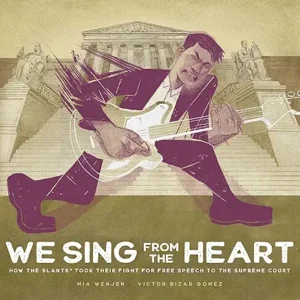
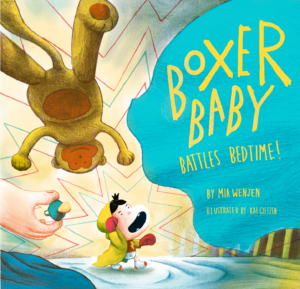
- Broader Bibliographies: Wenjen’s ongoing advocacy work highlights other acclaimed works in her repertoire, including Postcards from Malcolm X: How Yuri Kochiyama Became a Civil Rights Activist, Fortune Cookies for Everyone! (Smithsonian), The Traveling Taco, We Sing from the Heart, and Food for the Future: Sustainable Farms Around the World, reinforcing a career dedicated to multicultural education, civil rights history, and social justice.
Official Statements and Stakeholder Perspectives
The inclusion of diverse, challenging texts in national reading programs often sparks dialogue among educators, literary critics, and creators regarding the purpose of education in a pluralistic society.
- On the Power of Dual Narratives: Literary advocates note that the reverso poem structure in Barbed Wire Between Us does more than tell two stories; it teaches critical thinking. By showing how structural systems of detention repeat themselves, young readers learn to analyze history not as isolated events, but as continuous threads that demand civic awareness and moral courage.
- On Building Belonging: Representatives from literacy and educational advocacy groups emphasize that true belonging in classrooms cannot be achieved by shielding students from uncomfortable truths. Instead, belonging is forged when every student sees their history validated, and when all students are equipped with the empathetic tools necessary to dismantle exclusionary structures.
- On Authorial Dedication: Creators like Mia Wenjen continue to champion books that bridge historical archives with accessible storytelling. Through initiatives ranging from signed school visits and book giveaways to geography games focused on WWII internment sites, the creative community behind these selections demonstrates an unwavering commitment to pedagogical depth.
Future Outlook
As schools and libraries look ahead to April 2027, the anticipation surrounding the NEA’s "Build Belonging" calendar highlights a transformative shift in K-12 education. The selection of Barbed Wire Between Us, alongside The Moon Without Stars and Estela, Undrowning, signals a collective resolve to provide young people with literature that respects their intellectual and emotional capacities.
Key Milestones and Next Steps for Educators:
- Curriculum Integration: Schools nationwide are beginning to incorporate the newly released teacher’s guides for Barbed Wire Between Us into their social studies and language arts planning for the 2026–2027 and 2027–2028 academic years.
- Professional Development: Educational workshops are being planned to train elementary educators on how to lead sensitive discussions regarding incarceration, civil rights, and migration using picture books as a foundational medium.
- Community Engagement: Parent-teacher associations (PTAs) and local libraries are organizing community read-alouds, origami-folding workshops, and author panels to deepen civic engagement around the themes of the April 2027 calendar.
Ultimately, the recognition of Barbed Wire Between Us by the National Education Association is a testament to the enduring power of art to cross barbed wire boundaries, dismantle walls of indifference, and construct true spaces of belonging for every child in America.

Comments
Facebook App ID not configured. Please add it in the Customizer.