
Executive Overview
In the public eye, veteran actors and artists are frequently defined by their professional bodies of work—the stage plays they anchor, the cinematic projects they elevate, and the critical acclaim they gather over decades in the spotlight. Yet, away from the applause and the glare of studio lights, the personal trajectories of these public figures often mirror the universal human struggle for connection, resilience, and personal growth.
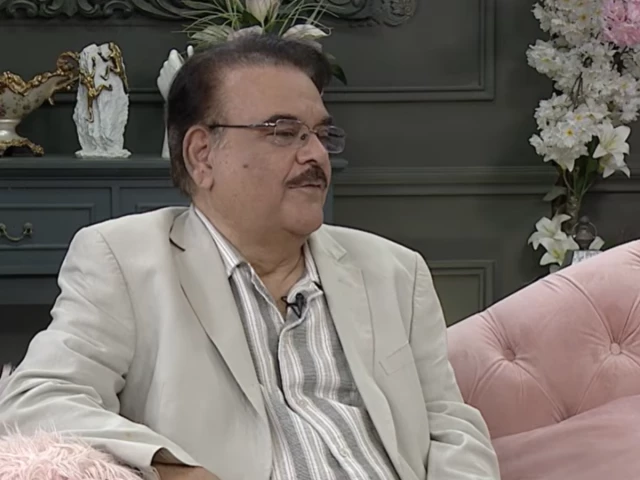
Renowned Pakistani actor and artist Shahnawaz Zaidi recently offered a rare and deeply introspective look into his private life, spanning nearly five decades of matrimony across two distinct relationships. In a candid and wide-ranging conversation, Zaidi dissected the structural failures of his first marriage—a 37-year union marked by youthful impulsivity, profound health struggles, and eventual emotional withdrawal—while illuminating the deliberate behavioral shifts that enabled him to build a harmonious, joyful second marriage with his Iranian-born wife, Shariya.
Zaidi’s narrative transcends the typical celebrity interview, evolving instead into a masterclass on emotional intelligence, the corrosive nature of ego, the realities of caregiving, and the courage required for personal transformation later in life. By examining his early mistakes—ranging from a lack of domestic participation to an overbearing need to control his partner’s individuality—Zaidi provides a blueprint for relational introspection. This report explores the chronological evolution of Zaidi’s personal life, the psychological mechanisms he used to survive decades of intense emotional strain, the philosophical lessons he imparts regarding ego and in-law dynamics, and the broader cultural implications of his journey as a celebrated figure in South Asian entertainment.
Read Also
Detailed Chronology: A Lifelong Journey Through Two Unions
To fully understand Shahnawaz Zaidi’s perspective on partnership, one must trace the timeline of his romantic life, which began in an era vastly different from today’s social landscape and has weathered profound personal trials.
The Impulsive Beginnings: First Marriage at Age 24
Zaidi’s journey into matrimony commenced when he was just 24 years old. Looking back across the expanse of decades, the actor characterizes that foundational decision not as the product of calculated foresight, but rather as an emotional impulse. Driven by what he playfully describes as a "poetic temperament," a youthful Zaidi rushed into a lifetime commitment without fully grasping the long-term psychological and practical implications of sharing a life with another person.
The early years of the union faced immediate external friction. Zaidi and his first wife originated from contrasting backgrounds, creating a cultural and familial divide that resulted in resistance from her side of the family. Interestingly, Zaidi’s own family demonstrated unwavering support, standing by the young couple as they attempted to bridge their differences and establish a shared household. However, the initial hurdles of social and familial integration were merely precursors to a far more demanding trial that would define the vast majority of their decades-long journey.
Decades of Illness and Emotional Strain
The marriage ultimately endured for 37 years, a length that outsiders might mistake for uninterrupted marital bliss. In reality, the vast majority of those nearly four decades were consumed by a relentless health crisis. Zaidi’s first wife suffered from severe diabetes, a chronic and unpredictable condition that required constant medical vigilance.
In his retrospective account, Zaidi paints a stark picture of domestic life overshadowed by clinical environments. He recalls that almost all of their shared time was spent in hospitals, fighting to stabilize her blood sugar levels and manage the cascading complications of the disease. The emotional toll of chronic caregiving is well-documented in psychological literature, frequently leading to caregiver burnout, emotional numbing, and a gradual erosion of the romantic dynamic between partners.
Deprived of a traditional marital companionship and weighed down by the constant anxiety of a failing medical prognosis, Zaidi sought an outlet to preserve his own mental health. He turned to the performing arts, finding solace on the stage. Participating in theatrical stage plays became his primary coping mechanism—a safe harbor where he could temporarily step outside the heavy burdens of hospital corridors and channel his internal distress into character work.
Bereavement and Emotional Withdrawal
Following his first wife’s passing after a 37-year battle with illness, Zaidi experienced a profound period of isolation. The transition from active caregiver to a solitary widower left him emotionally withdrawn. Grief, compounded by decades of accumulated stress and burnout, created a protective shell around him, discouraging any thoughts of future companionship.
During this vulnerable post-bereavement phase, a pivotal intervention occurred. A colleague observed Zaidi’s isolated state and offered advice that would ultimately alter the trajectory of his later years. The colleague imparted a timeless piece of wisdom: regardless of how loving or obedient children might be, they cannot fill the unique void left by a romantic partner or lifelong companion. This perspective struck a chord with Zaidi, gradually dissolving the emotional barriers he had erected and opening his mind to the possibility of sharing his life once again.
The Second Chapter: Finding Harmony with Shariya
Approximately a decade ago, Zaidi took a courageous step forward, marrying Shariya, a woman of Iranian origin. Unlike his first union, which was forged in the fires of youthful haste and subsequently defined by medical crisis, his second marriage has been characterized by mutual respect, ease, and genuine happiness.
However, Zaidi is quick to point out that this harmonious outcome was not merely a matter of good fortune or finding a more compatible partner. Instead, he attributes the success of his second marriage to a rigorous process of self-assessment. By identifying the behavioral flaws that undermined his first marriage, Zaidi engineered a conscious, deliberate pivot in how he showed up as a husband. This transformation—moving from control to collaboration—became the cornerstone of his current domestic peace.
Supporting Context & Metrics: The Anatomy of Modern Relationships and Caregiver Burnout
Shahnawaz Zaidi’s personal revelations offer valuable entry points for examining broader sociological and psychological trends regarding marriage, aging, and caregiving.
The Psychology of Caregiver Burnout in Long-Term Marriage
Zaidi’s description of spending decades in hospitals stabilizing his first wife’s diabetes speaks volumes about the silent burden of chronic illness within marriages. Sociological studies consistently demonstrate that long-term caregiving transforms the marital dynamic. Spouses often transition from romantic partners to primary healthcare providers. This role shift can diminish emotional intimacy, increase depressive symptoms in both partners, and leave the healthy spouse with a sense of anticipatory grief and profound exhaustion.
Zaidi’s reliance on theater as a coping mechanism aligns with modern psychological recommendations for caregivers. Engaging in creative outlets, maintaining professional identities outside the home, and finding community spaces where one’s primary identity is not solely "caregiver" are essential strategies for mitigating burnout. The actor’s ability to sustain his career in stage and screen during such a turbulent personal chapter highlights an extraordinary level of psychological resilience.
The Evolution of South Asian Domestic Roles
Zaidi’s candid admission regarding his domestic shortcomings during his first marriage provides a rare, self-reflective glimpse into traditional South Asian patriarchal structures. In many households of that era, domestic labor and emotional management were strictly compartmentalized, with men rarely participating in household chores or relinquishing authoritative control over family decisions.
By openly acknowledging that he rarely assisted with daily chores and actively attempted to control his first wife’s individuality, Zaidi challenges the idealized narratives often associated with senior generations. His decision to consciously correct these patterns in his second marriage—embracing shared domestic responsibility and honoring his new wife’s autonomy—illustrates that personal growth is not age-restricted. Men can, and do, unlearn ingrained cultural conditioning when motivated by introspection and humility.
Official Statements & Reflections: Wisdom on Ego, Control, and In-Law Dynamics
During his reflective interview, Zaidi distilled his decades of relational experience into several profound philosophical takeaways. These insights address some of the most universal pain points in human relationships.
The Perils of Excessive Ego
Chief among Zaidi’s relationship philosophies is his warning against the destructive power of human ego. He asserted unequivocally that when ego "becomes excessive," it begins generating systemic problems not merely within the confines of a marriage, but across every sphere of life—professional, familial, and social.
Zaidi noted that ego is a universal human failing, transcending gender lines. It is not exclusively a male or female flaw, but rather an equal-opportunity destroyer of harmony. In a marriage, ego manifests as an unwillingness to apologize, a refusal to compromise, and a persistent need to "win" arguments rather than preserve the relationship. Zaidi’s second marriage succeeded precisely because he learned to subordinate his ego to the health of the partnership.
Redefining Control versus Autonomy
Reflecting on his first marriage, Zaidi pinpointed his attempt to exert control over his wife’s individuality as a fundamental error. Autonomy is a core human need; when one partner attempts to suppress or reshape another’s identity, resentment inevitably builds.
In stark contrast, Zaidi’s approach to his marriage with Shariya is defined by space and autonomy. He noted:
"In my second marriage, I consciously tried to do the opposite, giving Shariya space and stepping back from that need for control."
This shift underscores a mature understanding of love: true partnership does not seek to absorb or dictate the other person, but rather to celebrate their distinct identity while walking alongside them.
Winning Over In-Laws Through Patience and Affection
To further illustrate his philosophy on relational diplomacy, Zaidi shared an insightful anecdote concerning a couple he once knew in Nairobi, Kenya. The story addressed a classic interpersonal battlefield: tensions and friction with in-laws.
Rather than viewing in-law relationships through an adversarial lens—a dynamic characterized by territorial debates, arguments, and power struggles—Zaidi advocated for a strategy rooted in patience, kindness, and affection. He emphasized that confrontation achieves nothing of lasting value:
"With love, everyone can be won over. Arguing or debating does not solve these things."
This pragmatic wisdom highlights a gentle, empathetic approach to conflict resolution. By prioritizing emotional warmth over the urge to prove a point, individuals can disarm hostility and build bridges across disparate family backgrounds—a lesson Zaidi learned firsthand from the early resistance he faced in his first marriage.
Artistic Legacy: Balancing Private Turmoil with Public Acclaimed Work
While Shahnawaz Zaidi’s recent reflections have cast a bright light on his private life, it is essential to contextualize these personal revelations within the framework of his professional career as a respected artist and actor.
For decades, Zaidi has maintained a steady and dignified presence in the Pakistani entertainment industry. While he initially turned to stage plays as a therapeutic refuge during the darkest days of his first wife’s illness, his theatrical work ultimately blossomed into a celebrated career across both live performance and television screens.
Over the years, audiences have come to recognize Zaidi for his nuanced portrayals and grounded screen presence. His film and television credits include notable projects such as:
- Verna – Director Shoaib Mansoor’s hard-hitting cinematic exploration of power, consent, and justice.
- Shandur – A classic television project highlighting regional narratives and cultural depth.
- Case No 9 – A gripping dramatic presentation testing theatrical and screen disciplines.
- 22 Qadam – A critically praised contemporary drama celebrating sports, empowerment, and changing social dynamics.
The duality of Zaidi’s life—balancing the intense, private sorrow of prolonged caregiving and emotional isolation with the public demands of artistic creation—adds profound depth to his performances. The empathy, patience, and emotional resonance he now champions in his personal relationships are the very qualities that have long imbued his acting with authenticity and emotional weight.
Future Outlook: A Legacy of Grace and Continuous Evolution
As Shahnawaz Zaidi looks back on a life spanning nearly five decades of marriage, his story offers a compelling narrative of hope, redemption, and lifelong self-improvement. Society frequently frames youth as the sole period for romance and discovery, casting later life as a quiet, static conclusion. Zaidi shatters this misconception by demonstrating that human beings retain the capacity for profound psychological evolution well into their later years.
By confronting his past mistakes with unflinching honesty—acknowledging the folly of youthful impulsivity, the blind spots of patriarchal domestic habits, and the corrosive nature of unchecked ego—Zaidi has transformed his personal history into a valuable public lesson. His journey from a strained, hospital-bound existence to a peaceful, respectful, and joyful partnership with Shariya stands as proof that it is never too late to rewrite one’s relational script.
For the entertainment industry, his peers, and his admiring audiences, Zaidi’s openness leaves an indelible mark. He is remembered not merely as a talented artist who brought memorable characters to life on stage and screen, but as a man brave enough to examine his own soul, strip away his ego, and master the art of loving well.





Comments
Facebook App ID not configured. Please add it in the Customizer.