
Executive Overview
The consumer technology landscape is experiencing a profound structural realignment, driven by converging pressures in global manufacturing, supply chain constraints, and evolving consumer reading habits. In a move that has sent ripples through the digital publishing and e-reader communities, tech behemoth Amazon has announced sweeping price increases of up to 60% across its core hardware ecosystem—including Kindle e-readers, Echo smart speakers, and Fire TV devices.
Attributed directly to an acute, global shortage of memory and storage silicon chips, these hikes mark an end to years of aggressive hardware subsidization and consumer-friendly entry-level pricing. For the Kindle lineup specifically, retail costs have jumped by $30 to $60, fundamentally altering the economics of digital reading and calling into question the long-term viability of ad-supported device tiers.
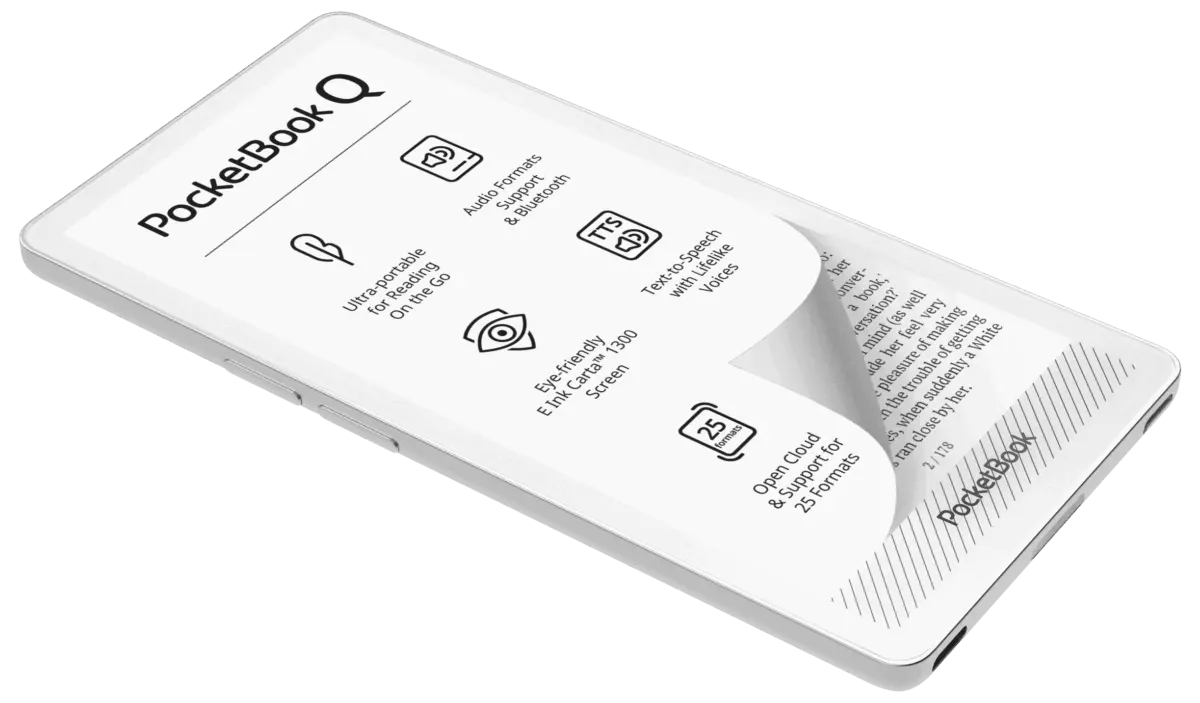
Simultaneously, the broader e-reader market is pivoting toward specialized, ultra-portable form factors designed to combat modern digital fatigue. Major hardware manufacturers are aggressively targeting the smartphone-addicted consumer base. PocketBook’s newly unveiled PocketBook Q and Onyx’s teased BOOX Picco (inaugurating the brand-new BOOX Tile product line) represent a radical departure from traditional, wide-format tablets. These pocket-sized devices prioritize distraction-free, one-handed reading on eye-friendly E Ink displays.
Read Also
This comprehensive report examines the macroeconomic forces behind Amazon’s sudden pricing strategy, dissects the hardware innovations spearheading the ultra-portable e-reader movement, and evaluates what this dual shift means for the future of reading in an increasingly hyper-connected world.
Detailed Chronology of Market Disruptions
The turbulence currently shaking up the e-reader and smart device industries did not happen overnight. It is the culmination of long-simmering semiconductor shortages, shifting component costs, and a strategic race among hardware makers to capture niche markets.
The Silicon Crunch and Amazon’s Strategic Retrenchment
For over a decade, Amazon maintained a dominant stronghold in the dedicated e-reader market largely by keeping Kindle devices exceptionally affordable—often selling them at or near manufacturing cost to lock users into its sprawling Kindle Store ecosystem. However, severe macroeconomic headwinds in the semiconductor industry began squeezing hardware margins globally.
Throughout late 2025 and early 2026, global foundry capacities for flash memory and storage chips faced tightening yields and skyrocketing raw material costs. While consumer electronics brands absorbed these pressures incrementally, the bottleneck eventually reached a tipping point. According to corporate disclosures, Amazon delayed passing these elevated component costs onto consumers for as long as structurally possible.

By mid-2026, however, the financial reality of the global memory shortage forced Amazon’s hand. The company implemented massive price adjustments across its hardware portfolio, raising prices by as much as 60%. For Kindle enthusiasts, this meant immediate, painful retail spikes ranging from $30 to $60 per device, instantly narrowing the accessibility gap that once defined the Kindle brand.
The Counter-Movement: Ultra-Portable Innovation (Mid-2026)
As Amazon retrenched to protect hardware margins, rival manufacturers seized the opportunity to innovate in form factor and user experience.
- July 2026 — Onyx Teases the BOOX Picco: Seeking to capture consumers looking for hyper-mobile reading solutions, Onyx dropped early previews of the BOOX Picco. Billed as a micro-sized, pocket e-reader, the Picco serves as the founding device for an entirely new product tier dubbed the BOOX Tile line. Designed to fit effortlessly into a shirt pocket or small purse, the Picco signaled a major industry bet on miniaturization.
- August 2026 — The Official Debut of the PocketBook Q: Building on the momentum for micro-form-factor devices, PocketBook officially introduced the PocketBook Q. Engineered specifically to combat smartphone distraction, this smartphone-sized e-reader discarded the traditional wide-format tablet blueprint in favor of an ergonomic, vertical layout optimized for thumb navigation and seamless one-handed reading.
Supporting Context & Metrics: The Anatomy of the Crisis
To fully grasp the magnitude of the current e-reader market transformation, one must examine the quantitative and qualitative factors driving consumer choices and corporate strategies.
The Math Behind Amazon’s Kindle Price Hikes
To understand how a 60% price increase impacts the market, consider the historical pricing architecture of entry-level e-readers:
- Pre-Adjustment Baseline: Entry-level devices typically hovered around the $99.99 mark (and significantly lower during promotional events like Prime Day), with ad-supported versions offering an even cheaper entry point.
- The $30 to $60 Jump: With increases ranging from $30 to $60, baseline devices have effectively been pushed into mid-tier pricing brackets ($130 to $160+).
- The Fate of Ad-Supported Models: For years, Amazon subsidized hardware costs by displaying lock-screen advertisements. With hardware costs now vastly inflated by memory shortages, the economic rationale for ad-subsidized devices is collapsing. Industry analysts note that selling a cheaper, ad-supported device no longer offsets the high baseline cost of constrained flash memory chips, putting the future of the ad-supported Kindle model in serious jeopardy.
The Ergonomics of Distraction-Free Reading
The rise of devices like the PocketBook Q and BOOX Picco is backed by shifting consumer psychology. Modern readers are increasingly overwhelmed by constant notifications, social media pings, and eye strain caused by backlit OLED smartphone screens.
Key metrics highlighting the appeal of these new pocket e-readers include:
- Form Factor Alignment: By matching the dimensions of standard smartphones (roughly 5 to 6 inches diagonally), these devices fit seamlessly into existing daily carry habits without adding bulk.
- E Ink Eye Safety: Unlike smartphone screens that emit high levels of blue light and cause digital eye strain during extended reading sessions, E Ink technology reflects ambient light, mimicking physical paper.
- Zero-Distraction Architecture: Lacking app stores, web browsers, and push notifications, ultra-portable e-readers recapture the pure reading experience of a traditional paperback while maintaining digital convenience.
Official Statements and Industry Perspectives
Industry leaders and market analysts have been vocal about the dual shocks hitting the digital reading sector.

In statements regarding the sweeping hardware adjustments, Amazon representatives emphasized the unprecedented nature of the current electronic component marketplace: "We have worked tirelessly behind the scenes to absorb rising manufacturing and component costs, delaying price adjustments for as long as possible. However, ongoing supply chain constraints regarding memory and storage architecture have necessitated a recalibration of our product pricing to ensure the continued delivery of high-quality hardware and services."
Meanwhile, hardware competitors are framing their latest product launches as a direct response to consumer demands for minimalism and portability. Commenting on the philosophy driving the PocketBook Q, product development leads noted that modern readers do not want a heavy tablet when they are on the move; they want an unobtrusive companion that fits comfortably in one hand and provides an escape from the hyper-connected noise of smartphone usage.
Tech analysts covering the space have pointed out the ironic synergy between these two seemingly unrelated news items. As Amazon’s price hikes make traditional dedicated e-readers a more significant financial investment, consumers are beginning to re-evaluate what they want out of a secondary device. If a Kindle is no longer a cheap, impulse-buy gadget, buyers may increasingly look toward versatile, highly portable alternatives like the PocketBook Q or BOOX Picco that offer specialized, distraction-free reading experiences.
Future Outlook: Where is the E-Reader Market Headed?
As the industry navigates the remainder of 2026 and looks toward the horizon, several clear trends are emerging:
- Permanent Shift in Hardware Pricing: The era of sub-$100 e-readers may be drawing to a close, or at least entering a prolonged hiatus. As long as global memory and storage chip shortages persist, manufacturing margins will remain tight, forcing brands to compete on software ecosystems, build quality, and unique form factors rather than pure rock-bottom pricing.
- The Rise of the "Micro-Reader" Category: The successful introductions of the PocketBook Q and Onyx’s BOOX Tile line signal that ultra-portable e-readers are no longer a passing novelty. Expect other major players—such as Kobo and Rakuten—to explore smartphone-sized, pocket-friendly form factors to capture commuters, travelers, and digital minimalists.
- Redefining the Value Proposition: With hardware costing more, consumers will demand greater versatility. Features such as high-quality Bluetooth text-to-speech (TTS) voices, robust audiobook playback, waterproof builds, and customizable warm-light reading lamps will become non-negotiable expectations for buyers investing in mid-to-high-tier e-readers.
Ultimately, the confluence of component shortages and innovative design has created a turbulent yet exciting era for digital readers. While higher price tags present an initial hurdle, the emergence of targeted, distraction-free pocket devices proves that the demand for better, more mindful reading tools has never been stronger.





Comments
Facebook App ID not configured. Please add it in the Customizer.