
Executive Overview
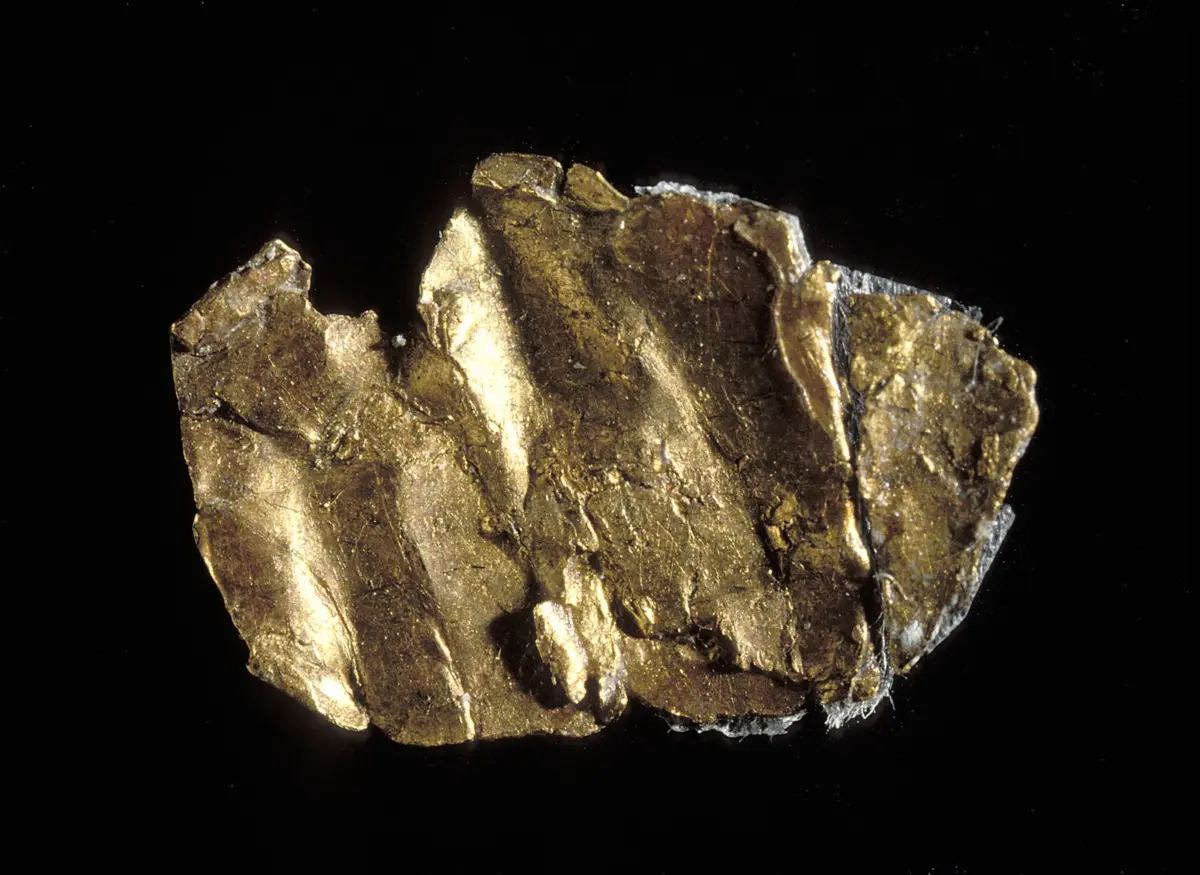
On January 24, 1848, a unassuming carpenter named James Marshall peered into the tailrace of a sawmill he was constructing for pioneer John Sutter in the verdant foothills of the Sierra Nevada. There, glinting in the shallow, rushing waters of the American River, lay a handful of metallic flakes. That single, serendipitous discovery shattered the quiet isolation of the Mexican-ceded territory and detonated a global catalyst: the California Gold Rush.
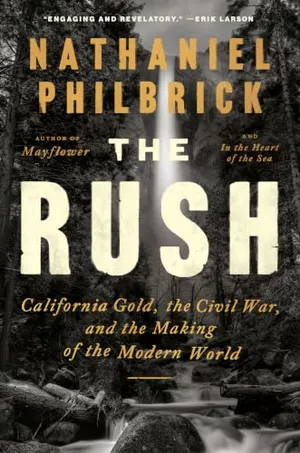
In his sweeping and deeply analytical new book, The Rush: California Gold, the Civil War and the Making of the Modern World, acclaimed historian Nathaniel Philbrick argues that Marshall’s find was far more than a localized treasure hunt. Instead, Philbrick posits that the gold rush served as the tectonic epicenter of American history, hurtling a fragile, geographically insecure republic into a violent reckoning with its own expansive borders and the moral malignancy of chattel slavery.
Synthesizing an immense body of historical scholarship into an accessible, fast-paced narrative, Philbrick examines how the frenzied extraction of wealth accelerated technological, cultural, and political developments at an unprecedented velocity. By tracing the lines of causation from the blood-soaked mining camps of the 1850s to the smoke-choked battlefields of the Civil War, and ultimately to the high-tech corridors of modern Silicon Valley, The Rush forces modern readers to confront an enduring, unsettled question: Just who are we as Americans?
Read Also
Detailed Chronology: The Spark That Ignited a Continental Transformation
To understand how a flake of gold in remote Northern California managed to reshape the geopolitical landscape of the United States, historian Nathaniel Philbrick structures The Rush around a dynamic timeline of human ambition, exploitation, and systemic acceleration.
1848: The Discovery and the Immediate Deluge
When James Marshall pocketed those initial gold flakes in January 1848, the geopolitical status of California was in a state of chaotic flux. The Treaty of Guadalupe Hidalgo, signed in February 1848, formally ended the Mexican-American War and transferred Alta California to the United States. Within months, word of Marshall’s discovery leaked out, transforming a sleepy pastoral expanse into a chaotic crucible.
By 1849, tens of thousands of fortune-seekers—dubbed the "Forty-Niners"—were converging on the region by land and sea. This sudden demographic explosion upended the delicate sectional balance of the United States. At the time, the Union maintained a fragile equilibrium consisting of 15 slave states and 15 free states. California’s rapid, organic petition for statehood as a free state threatened to detonate this legislative stalemate in Washington, D.C., setting the stage for the Compromise of 1850 and locking the nation onto an inexorable collision course with civil war.
/https://tf-cmsv2-smithsonianmag-media.s3.amazonaws.com/filer_public/9d/c7/9dc74015-d150-42ac-81a6-6af173b2c2fe/sia-98-4800.jpg)
The 1850s to 1860s: Industrialized Extraction and Infrastructure
As Philbrick meticulously documents, the romanticized image of the lone prospector panning for gold with a tin pan quickly gave way to industrial-scale extraction. Hydraulic mining blasted mountainsides into slurry, poisoning river ecosystems while generating vast, unprecedented fortunes.
Simultaneously, the demand to tie the Pacific coast to the industrial centers of the East drove monumental feats of engineering. Philbrick introduces readers to the future railroad barons who mapped out the Central Pacific line, while shining a harsh, necessary light on the brutal realities faced by the thousands of Chinese laborers who laid tracks through the treacherous Sierra Nevada under intolerable, lethal conditions.
The Civil War Connection
While Eastern newspapers breathlessly covered the exploits of Western entrepreneurs, the wealth extracted from California’s rivers played a quiet yet vital financial role in preserving the Union. The millions in gold bullion flowing out of San Francisco stabilized the federal greenback and funded the Union war machine, linking the physical conquest of the West directly to the preservation of the nation in the East.
Supporting Context & Metrics: Wealth, Contradiction, and Marginalized Voices
The Rush deliberately steps outside the traditional pantheon of white male founders and industrialists to examine the complex mosaic of individuals who shaped the era. Philbrick paints a vivid portrait of a society defined by stark contradictions: a place where life could be breathtakingly cruel and unforgiving, yet offered boundless promise and freedom—provided one belonged to the right demographic.
Outliers and Change-Makers
Alongside the architects of empire, Philbrick highlights resilient outsiders who steered historical events from the margins. Among the most compelling figures in the book is Mary Ellen Pleasant, a pioneering Black entrepreneur who amassed a substantial fortune operating a laundry and boarding empire in San Francisco. Pleasant used her immense wealth to quietly fund abolitionist initiatives, reportedly even disguising herself to travel through Southern plantations to spread word of John Brown’s impending raid on Harpers Ferry.
The Dark Underbelly of the Rush
Philbrick does not shy away from the darker elements of California’s formative years. The influx of fortune-seekers triggered catastrophic violence against the Indigenous populations of California, who faced state-sanctioned extermination campaigns, displacement, and cultural erasure. Furthermore, virulent anti-immigrant sentiment—particularly targeting Chinese, Mexican, and Latin American miners—established systemic patterns of racial discrimination and labor exploitation that would reverberate through American history for generations.
/https://tf-cmsv2-smithsonianmag-media.s3.amazonaws.com/filer_public/9d/c7/9dc74015-d150-42ac-81a6-6af173b2c2fe/sia-98-4800.jpg)
Statistical Transformation of the West
- Demographic Explosion: California’s non-Native population surged from a few thousand in 1848 to over 250,000 by 1852.
- Economic Impact: During the peak years of the gold rush, California mines yielded hundreds of millions of dollars in precious metals, instantly injecting liquidity into a young American banking system and turning San Francisco into the undisputed financial capital of the American West.
- Global Migration: The pull of gold transformed the Pacific Rim, drawing hundreds of thousands of immigrants not only from the eastern United States, but from China, Australia, South America, and Europe, establishing California as a multicultural, albeit deeply fractured, frontier.
Official Statements and Critical Reception
Early critical responses to The Rush emphasize Nathaniel Philbrick’s unmatched ability to translate dense, academic historical research into a captivating narrative arc. Known for previous masterworks such as In the Heart of the Sea and Mayflower, Philbrick applies his trademark cinematic pacing to the rugged landscapes of early California.
Literary and historical critics have praised the book’s thematic ambition. Rather than treating the Gold Rush as an isolated regional anecdote or a quaint chapter of Western folklore, Philbrick’s framing elevates it to a national turning point.
"In Nathaniel Philbrick’s hands, the 1848 discovery at Sutter’s Mill is revealed as the true crucible of modern America," notes a leading historical review. "By tracing the unbroken line from the pickaxes of the Sierra Nevada to the server racks of Silicon Valley, The Rush provides an authoritative blueprint for how raw ambition and technological acceleration forged our national identity—warts and all."
Scholars of the American Civil War have similarly lauded the text for integrating the economic realities of the Pacific West into the broader narrative of the antebellum crisis, demonstrating how western expansion and the slavery debate were inextricably linked.
Future Outlook: The Echoes of the Rush in Silicon Valley
In the final, haunting chapter of the book, aptly titled "Palo Alto," Philbrick draws a direct, unbroken line from the untamed capitalism of the 19th-century gold fields to the hyper-accelerated tech culture of contemporary Silicon Valley.
The parallels are striking. Just as the Forty-Niners rushed westward in search of instant, transformative wealth, modern entrepreneurs flock to Northern California chasing venture capital, disruption, and technological hegemony. Both eras are characterized by a relentless drive for innovation, a willingness to disrupt established norms regardless of human cost, and an underlying obsession with reinventing the future.
Yet, Philbrick warns that the moral ambiguities of the Gold Rush—its institutionalized racism, ruthless exploitation of labor, and environmental devastation—cast a long shadow over our current technological golden age. As modern Americans grapple with the societal disruptions wrought by artificial intelligence, data surveillance, and hyper-capitalism, Philbrick suggests we are still wrestling with the exact same foundational questions posed by the pioneers of 1848.
The Rush leaves its readers with a sobering parting observation that serves as both a warning and an invitation to self-reflection:
"Like it or not, we are all passengers on a hurtling train."
As Nathaniel Philbrick brilliantly demonstrates, understanding the destination of that train requires us to look squarely back at the tracks laid down in the dust and riverbeds of California more than 175 years ago.





Comments
Facebook App ID not configured. Please add it in the Customizer.