
Executive Overview
The municipal administration of Rotterdam, the Netherlands’ second-largest city and home to Europe’s busiest port, has been shaken to its core by a high-profile corruption and bribery scandal. Two long-serving municipal employees have been formally dismissed following a comprehensive internal investigation that uncovered systemic procurement fraud, inflated contract approvals, and conflicts of interest tied to lucrative public construction projects. Among the public works compromised by the illicit activities is the multi-million-euro asbestos abatement and comprehensive renovation of the renowned Museum Boijmans Van Beuningen—one of the Netherlands’ most prestigious cultural institutions.
The dismissals mark a severe escalation in a municipal integrity crisis that first came to light through investigative journalism in 2023. According to statements released by Rotterdam Mayor Carola Schouten and city executive officials, the terminated employees violated internal codes of conduct by accepting valuable gifts and hospitality from private contractors in exchange for preferential treatment during bidding and execution phases. Beyond administrative violations, both individuals face grave criminal suspicions, including passive bribery, forgery, and systematic abuse of public office.
The fallout from this scandal reaches far beyond routine bureaucratic misconduct. By compromising municipal procurement integrity on high-risk, specialized infrastructure projects—most notably the complex hazardous-material remediation required at a historic art museum—the integrity of public spending has been deeply undermined. As Dutch law enforcement agencies and public prosecutors press forward with an ongoing criminal inquiry, the city of Rotterdam finds itself grappling with institutional reputational damage, questions of oversight vulnerability, and significant delays to a cornerstone cultural revitalization project scheduled to culminate in 2029.
Read Also
Detailed Chronology of the Scandal
The unfolding scandal is the culmination of years of undetected procurement vulnerabilities, investigative reporting, and escalating law enforcement interventions. Tracing this timeline reveals how administrative warnings transformed into a full-scale criminal investigation that ultimately forced the municipal executive board’s hand.
1. Pre-2023: The Seeds of Procurement Vulnerability
During the early phases of planning and executing structural renovations across Rotterdam’s civic and cultural portfolio, internal oversight mechanisms failed to flag irregularities in contract pricing. During this period, the Museum Boijmans Van Beuningen closed its doors in 2019 to begin an extensive, highly complex overhaul. Because the historic premises contained substantial amounts of hazardous materials, specialized asbestos removal contracts were fast-tracked through municipal procurement channels. It was within these high-value, specialized sub-sectors that the accused officials allegedly established compromising relationships with private contractors.
2. Late 2023: Investigative Journalism Exposes Irregularities
The first major public crack in the municipal facade appeared when the prominent Dutch daily newspaper NRC Handelsblad published an investigative exposé. The report detailed mounting concerns regarding possible corruption, collusion, and financial inflation surrounding municipal construction projects earmarked for Rotterdam cultural institutions. Specifically, the journalists highlighted irregularities tied to the asbestos treatment and structural overhaul at Museum Boijmans Van Beuningen. The public revelations forced the municipal government to acknowledge the reports, prompting city leadership to initiate a preliminary internal review and refer the matter to local law enforcement.
3. Early to Mid-2024: The Internal Investigation Widens
Prompted by the NRC Handelsblad revelations, Rotterdam’s municipal administration launched a formal internal probe focusing on three specific public officials suspected of approving municipal contracts at systematically inflated prices. As the administrative net tightened:
- One of the three primary targets chose to retire, stepping away from the municipality before direct disciplinary measures could be finalized.
- The remaining two officials were immediately suspended from active duty while forensic accountants and compliance officers scrutinized their asset declarations, email communications, and contract awards.
4. July 2025: Prosecutors Deliver Alarming New Evidence
While the internal administrative inquiry initially pointed toward standard breaches of professional ethics and administrative oversight, the criminal landscape shifted dramatically in July. Public prosecutors shared critical investigative intelligence with Rotterdam’s executive board. According to municipal leadership, the data provided by law enforcement revealed that the conduct of the two suspended employees was "substantially worse" than what the city’s internal compliance team had originally uncovered, pointing to active criminal conspiracy rather than isolated administrative lapses.
5. Late August 2026: Formal Dismissals and Public Disclosures
Acting upon the gravity of the prosecutorial findings, the city executive board officially terminated the employment of the two civil servants. Diederik van Dommelen, Rotterdam’s head of financial affairs, addressed the international media—including The Art Newspaper—confirming the dismissals. However, Van Dommelen emphasized that because the criminal investigation led by the public prosecutor’s office remains strictly active and confidential, municipal authorities are legally constrained in the volume and detail of information they can publicly release. The dismissed employees retain the legal right to challenge their termination through an independent Dutch employment tribunal, setting the stage for potential protracted labor litigation.
Supporting Context & Metrics
To fully comprehend the gravity of the Rotterdam bribery scandal, it is essential to examine the institutional, financial, and cultural scale of the assets involved. The intersection of municipal bureaucracy, public procurement budgets, and high-profile architectural heritage creates a uniquely high-risk environment for financial malfeasance.
The Scale of Museum Boijmans Van Beuningen
Museum Boijmans Van Beuningen is not merely a local gallery; it is an internationally acclaimed institution holding a priceless collection of fine and applied arts spanning centuries. Founded in 1849, the museum houses masterworks by iconic Dutch and European artists, including Rembrandt van Rijn, Vincent van Gogh, Claude Monet, Salvador Dalí, and René Magritte.
Key metrics defining the institution’s current operational state include:
- Closure Date: 2019 (shuttered for a sweeping modernization, asbestos remediation, and climate-control upgrade).
- Collection Size: Approximately 154,000 works of art.
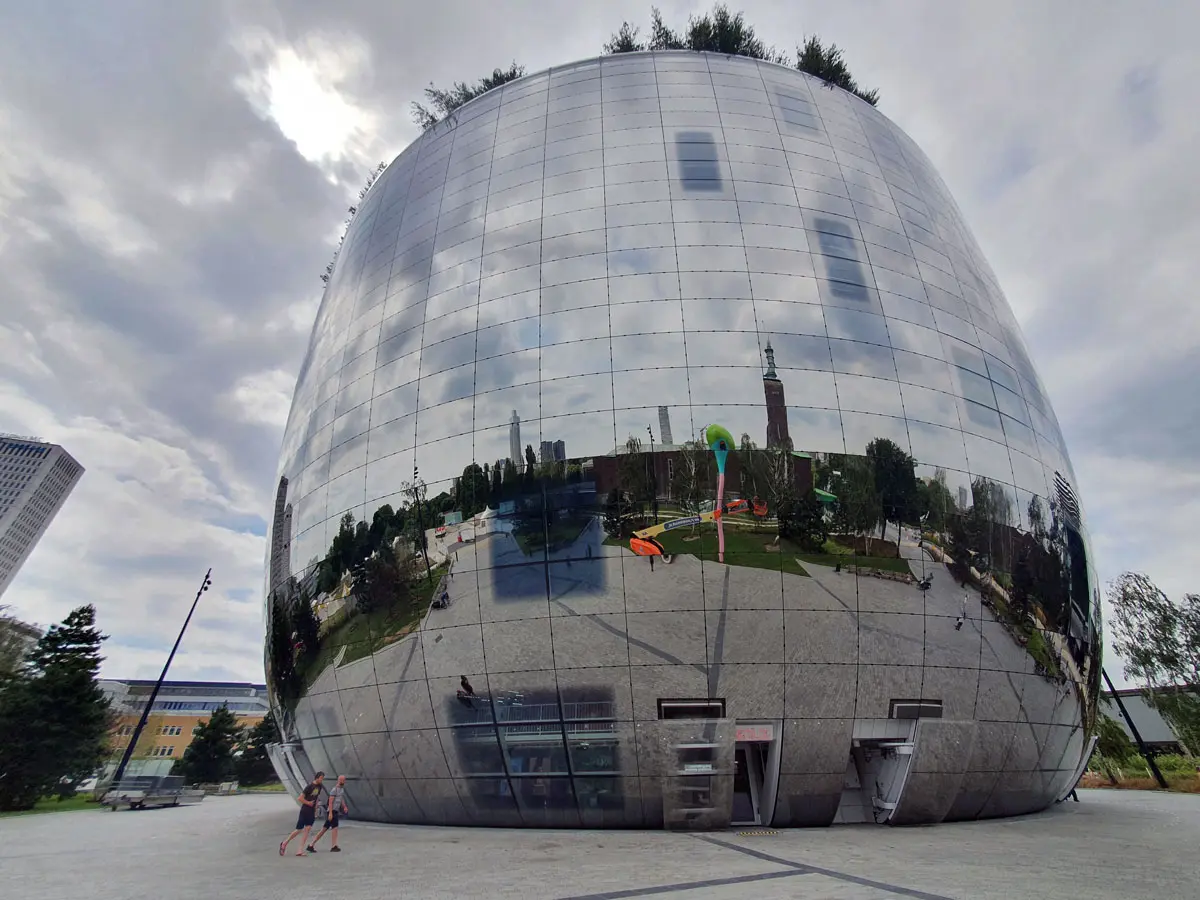
- The Depot Solution: To maintain public access during the prolonged closure, the city constructed and opened the Depot Boijmans Van Beuningen in 2021. As the world’s first publicly accessible art storage facility, the mirrored, bowl-shaped architectural marvel houses the museum’s entire unexhibited collection.
- Targeted Reopening: Following extensive delays compounded by engineering challenges and now corruption-related inquiries, the main museum building is slated to reopen its doors in 2029.
The Mechanics of Municipal Corruption
Public procurement fraud in municipal infrastructure typically exploits asymmetries in specialized contracting. Asbestos removal, lead abatement, and structural seismic retrofitting require specialized technical expertise that few municipal bureaucrats fully understand on an engineering level. This complexity creates a vulnerability where officials can artificially validate inflated project bids submitted by preferred contractors.
According to Mayor Carola Schouten’s briefings, the mechanics of this specific corruption scheme relied on classic quid-pro-quo mechanisms:
- Gifts and Hospitality: Contractors systematically showered municipal procurement officers with high-end gifts, luxury hospitality, and financial perks.
- Preferential Treatment: In return, the corrupt civil servants manipulated tender processes, overlooked substandard contractor performance, approved inflated invoices, and fast-tracked milestone payments.
- Document Forgery: To bypass internal audits and financial control thresholds, the officials allegedly engaged in forgery, falsifying compliance documents and project completion reports to justify payouts of public funds well above market value.
Official Statements and Institutional Responses
The reaction from Rotterdam’s civic leadership has been characterized by a mixture of institutional outrage, calls for transparency, and strict adherence to legal boundaries dictated by the ongoing criminal inquiry.
Mayor Carola Schouten on Municipal Integrity
Rotterdam Mayor Carola Schouten condemned the actions of the former employees, emphasizing that public trust is the absolute bedrock of municipal governance. In statements addressing the city council and the press, Schouten underscored that the municipality maintains a zero-tolerance policy regarding bribery and conflicts of interest. She stressed that the betrayal of public office by civil servants damages the reputation of the thousands of honest municipal workers who serve the citizens of Rotterdam with dedication every day.
Financial Leadership and Legal Constraints
Diederik van Dommelen, Rotterdam’s head of financial affairs, provided vital clarity to international press outlets regarding the limitations facing the city administration. Acknowledging the public’s right to know how tax euros were mismanaged, Van Dommelen noted:
"The ongoing criminal investigation strictly limits what the city can publicly disclose at this juncture. We must respect the boundaries set by the public prosecutor to ensure that neither the administrative review nor the criminal case is compromised."
Van Dommelen also confirmed that while the city has exercised its administrative right to terminate the civil servants based on breach of employment contract and professional misconduct, the dismissed individuals have legal avenues available. They are fully entitled to challenge their dismissal through a Dutch employment tribunal—a legal forum where the municipality will be forced to present its administrative evidence independently of the criminal trial.
Museum Management Stance
In the wake of the scandal, the leadership of Museum Boijmans Van Beuningen has adopted a defensive, arms-length posture. The museum management formally declined to comment on the bribery allegations, issuing a concise institutional statement clarifying that responsibility for the physical building, capital infrastructure, and contracting of renovations rests entirely with the municipality of Rotterdam, rather than the museum’s curatorial board. This distinction insulates the museum’s cultural leadership and curatorial staff from direct operational fallout, though the institution inevitably suffers from the indirect delays inflicted upon its capital project.
Future Outlook
As the dust begins to settle on the immediate administrative purge, the city of Rotterdam and Museum Boijmans Van Beuningen face a complex, high-stakes trajectory over the coming years. The fallout from this scandal will necessitate sweeping reforms and rigorous institutional soul-searching.
1. The Criminal Proceedings and Tribunal Battles
In the near term, public attention will pivot toward the Dutch public prosecutor’s office as the criminal inquiry matures. If indictments are formally brought against the dismissed employees and their corporate co-conspirators from the private construction sector, public court hearings will expose the full, granular mechanics of how public funds were siphoned. Concurrently, the municipal legal team must prepare for potential employment tribunal battles, where former employees will likely contest the validity and proportionality of their summary dismissals.
2. Procurement Reform and Compliance Overhauls
The scandal has exposed stark vulnerabilities in Rotterdam’s internal auditing and procurement oversight—particularly regarding specialized, high-cost technical projects like hazardous material abatement. City leadership is already under intense pressure from the Rotterdam City Council to implement a comprehensive overhaul of its compliance architecture. This will likely involve:
- Mandatory rotation policies for civil servants overseeing high-value municipal contracts.
- Enhanced digital auditing tools to detect price inflation anomalies across public infrastructure bids.
- Stricter gift-reporting registries and independent oversight panels for municipal projects exceeding specific financial thresholds.
3. Impact on the 2029 Museum Reopening
Perhaps the most visible casualty of the ongoing saga is the timeline for the cultural revitalization of Rotterdam. With asbestos remediation and structural overhauls entangled in financial investigations, legal reviews, and contractor turnover, skepticism remains high regarding whether Museum Boijmans Van Beuningen can meet its targeted 2029 reopening date.
While the Depot Boijmans Van Beuningen continues to successfully engage the public and safeguard the collection, the absence of the primary museum building leaves a noticeable void in the city’s historic cultural district. For Rotterdam, repairing the integrity of its municipal administration is now inextricably linked to restoring its crown jewel of art and architecture—ensuring that when the museum finally flings open its doors in 2029, it does so free of administrative corruption, hazardous materials, and lingering public doubt.

Comments
Facebook App ID not configured. Please add it in the Customizer.