
Executive Overview
The Metropolitan Museum of Art in New York City is facing an escalating institutional crisis surrounding its heavily anticipated upcoming Costume Institute exhibition dedicated to British fashion designer John Galliano. While museum leadership initially greenlit the retrospective to celebrate one of the late 20th and early 21st centuries’ most imaginative and avant-garde couturiers, the project has instead ignited a firestorm of controversy. Prominent politicians, public intellectuals, community advocates, and major art world donors have sharply criticized the institution, raising urgent ethical questions about the intersection of art, redemption, institutional responsibility, and historical accountability.
At the center of the storm is Galliano’s 2011 conviction in a French court for making antisemitic and racist remarks at a Paris café. Although the designer subsequently underwent public contrition, entered substance abuse rehabilitation, and successfully rehabilitated his career—serving as the creative director of Maison Margiela from 2014 to 2024—critics argue that bestowing the Met’s prestigious primary spring exhibition slot upon him remains deeply insensitive.
Compounding the ethical concerns is a major scheduling conflict: the high-profile Met Gala, which traditionally marks the opening of the Costume Institute’s spring blockbuster exhibition on the first Monday in May, is scheduled to take place next year on Yom HaShoah, Holocaust Remembrance Day.
Read Also
The convergence of Galliano’s troubled past with this deeply solemn Jewish holiday has triggered private warnings, public rebukes, and explicit threats from elite donors to rescind promised works and financial support. As pressure mounts on the museum’s executive leadership, the board of trustees, and external partners like Vogue editorial director Anna Wintour, the controversy has transformed into a high-stakes cultural flashpoint testing the Met’s governance, philanthropic resilience, and stance against hate speech.
Detailed Chronology of the Controversy
July: The Announcement and Initial Quiet Tensions
The controversy began quietly following the initial announcement of the Costume Institute’s major spring exhibition in July. While museum insiders anticipated a blockbuster display showcasing Galliano’s theatrical designs for houses like Givenchy, Christian Dior, and his eponymous label, the news immediately sent ripples of concern through philanthropic and cultural circles.
Unlike standard exhibition planning, which typically generates straightforward excitement, the choice of Galliano forced curators and administrators to confront the designer’s dark history. In 2011, Galliano was arrested and subsequently convicted in France under strict hate-speech laws after hurling antisemitic and racist insults at patrons in a Paris establishment. The incident led to his immediate dismissal from Dior, precipitating a multi-year professional exile from which he only recently emerged.
Late August: The New York Times Investigation
The private frictions burst into the public sphere on a Friday in late August, when The New York Times published an investigative report detailing the profound backlash facing the Met behind closed doors. Reporters Vanessa Friedman and Jacob Bernstein revealed that multiple major donors had privately—and in some cases explicitly—threatened to sever financial ties, withhold promised funds, or revoke bequest intentions.
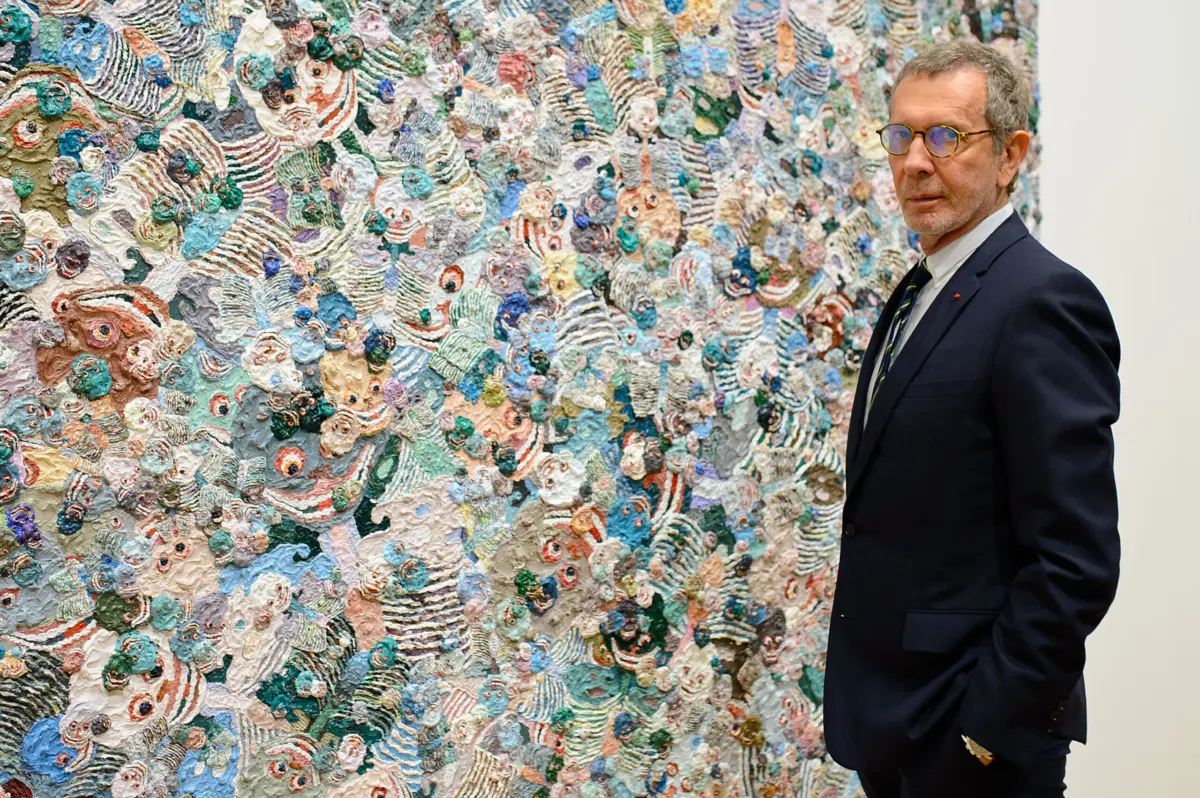
Among the most prominent names revealed in the report was Arne Glimcher, the legendary founder of Pace Gallery and one of the most influential art dealers in the world. According to the Times, Glimcher dispatched a direct and sternly worded email to David Breslin, the Met curator in charge of the modern and contemporary art department, registering his profound dissatisfaction with the museum’s direction.
"I don’t think you have considered the cost of this action and its reverberations to come," Glimcher wrote, according to the report. Crucially, Glimcher indicated that he and his wife, Milly, were "seriously reconsidering other works that have been earmarked from our collection to the Met in our wills."
The Yom HaShoah Calendar Collision
As investigators and cultural commentators analyzed the museum’s timeline, a compounding logistical and symbolic error came to light. The Met Gala—the glittering, star-studded fundraising gala that serves as the primary financial engine for the Costume Institute—is immovably scheduled for the first Monday in May.
For the upcoming exhibition cycle, the first Monday in May 2027 (or the relevant operational calendar year under scrutiny) coincides directly with Yom HaShoah, the internationally recognized day of Holocaust remembrance dedicated to the memory of the six million Jews murdered by Nazi Germany and its collaborators.
For many critics, holding one of the fashion and entertainment industry’s most extravagant, champagne-soaked galas on a day of profound mourning and solemn commemoration for Jewish communities worldwide represents an intolerable oversight.
Supporting Context & Metrics
The Philanthropic Footprint at Risk
The threat from Arne and Milly Glimcher represents a formidable challenge to the Met’s acquisition strategy. Over the decades, Glimcher and Pace Gallery have cultivated a deeply symbiotic relationship with the museum, donating blue-chip works by iconic artists including Agnes Martin, Lucas Samara, Robert Mangold, and Mark Rothko.
Furthermore, to mark the Met’s 150th anniversary, Arne Glimcher, alongside his son Marc Glimcher and former daughter-in-law Fairfax Dorn, donated a significant 1981 painting by Julian Schnabel. The prospect of losing future promised gifts from the Glimcher estate highlights how high-stakes contemporary philanthropy can pivot rapidly on matters of institutional values and reputational alignment.
Political and Cultural Rebukes
The backlash has extended far beyond the traditional fine art market, drawing strong rebukes from civic leaders and public figures with deep cultural footprints:
- Elisha Wiesel: Daughter of the late Holocaust survivor, author, and Nobel Peace Prize laureate Elie Wiesel, she did not mince words, describing the Galliano retrospective to the Times as a "pretty bad idea."
- Julie Menin: The Speaker of the New York City Council intervened directly, penning a formal letter of protest addressed to Met Director Max Hollein, Costume Institute Head Andrew Bolton, and Vogue Editorial Director Anna Wintour. Menin explicitly characterized the exhibition as "a serious mistake."
The "Cancel Culture" Debate Within the Board
Internal dissent has not been entirely one-sided. Members of the Met’s elite board of trustees have found themselves internally divided over how to respond to the mounting pressure.
Andrew Solomon, a prominent author and Met board member, defended the institution’s trajectory in statements to the press, arguing that "confronting cancel culture is a healthier way to go forward than bowing to it." This perspective underscores a central philosophical split within modern museum governance: the tension between upholding artistic freedom and creative rehabilitation versus maintaining zero tolerance for historical bigotry and community sensitivities.
Official Statements and Institutional Response
As the controversy intensified through late August, leadership at the Metropolitan Museum of Art scrambled to contain the public relations fallout while attempting to reassure stakeholders of the museum’s core ethical commitments.
In an official statement provided to The New York Times, Met Director Max Hollein forcefully asserted the institution’s foundational values:
"The Met has no tolerance for antisemitism, racism or prejudice of any kind. We are in close consultation with Jewish leaders and other stakeholders, and we take the concerns we’ve heard very seriously."
Prior to the public eruption of the scandal, reports indicated that museum executives had proactively consulted with representatives of various Jewish community organizations to discuss the exhibition’s framing and potential sensitivities. However, these preparatory measures appear to have fallen short of neutralizing the deep-seated anger triggered by the calendar collision with Yom HaShoah and the resurfacing of Galliano’s legal record.
Despite requests for further elaboration from outlets like ARTnews, a formal spokesperson for the Metropolitan Museum of Art declined immediate comment on whether the exhibition dates or structural framing would be altered in response to the donor threats and civic protests.
Future Outlook: Navigating the Crisis
As the museum looks toward the upcoming exhibition season, the John Galliano retrospective stands as a watershed moment for institutional decision-making in the cultural sector.
Several critical questions remain unresolved:
- Schedule Adjustment: Will the Met and its partners, including Vogue and Anna Wintour, alter the date of the Met Gala to avoid a direct operational conflict with Yom HaShoah? Moving or modifying the gala date would represent an unprecedented concession, yet failing to do so risks deepening the alienation of Jewish donors, community leaders, and civic officials.
- Curatorial Transparency: How will the Costume Institute frame Galliano’s career within the exhibition itself? Curators face the complex challenge of celebrating his undeniable technical mastery and historical impact on fashion design while transparently contextualizing the personal conduct that led to his fall from grace.
- Philanthropic Fallout: Will other major donors follow Arne Glimcher’s lead in formalizing withdrawals of promised bequests and financial support? The long-term health of the Met depends heavily on the goodwill of its patron network; repairing relationships with aggrieved benefactors will require delicate, high-level diplomatic outreach from Hollein and the board.
Ultimately, the controversy surrounding the John Galliano show forces elite cultural institutions to reckon with the profound social weight of their programming choices. In an era where audiences increasingly demand moral alignment between public art institutions and their civic communities, the Met’s handling of this crisis will set a powerful precedent for how major museums balance artistic autonomy with social accountability.



Comments
Facebook App ID not configured. Please add it in the Customizer.