
Executive Overview
In an era characterized by hyper-accelerated media cycles and algorithmic content delivery, independent literary institutions serve an essential gatekeeping and curatorial function. Electric Literature (EL), a prominent digital literary non-profit established to support writers and foster reading culture, recently expanded its long-standing social media series, "What We’re Reading," into a comprehensive editorial showcase. The initiative transforms routine staff and intern reading logs into an authoritative survey of contemporary fiction, non-fiction, translated works, and poetry.
This literary report provides an exhaustive, critical analysis of the fifteen books curated by the Electric Literature editorial team during the summer season. Ranging from high-stakes geopolitical investigations and psychological thrillers to experimental memoirs and translated poetics, these selections illustrate broader structural shifts within the contemporary publishing ecosystem. By examining the themes, formal innovations, and critical reception of these titles, this analysis highlights how editorial staff navigate the intersections of independent press releases, translated international literature, and commercial heavyweights.
+-----------------------------------------------------------------------------------+
|                        ELECTRIC LITERATURE EDITORIAL MATRIX                       |
+--------------------------+------------------------------+-------------------------+
| Category                 | Core Theoretical Focus       | Key Representative Text |
+--------------------------+------------------------------+-------------------------+
| Urban Realism & Crisis   | Environmental & Geopolitical | One Leg on Earth        |
| Experimental Non-Fiction | Post-Traumatic Form          | Dog Days                |
| Audio-To-Page Adaptation | Podcasting & Epistolary      | Names Have Been Changed |
| Queer Poetics            | Kinship & Societal Defense   | I Can Tell You...       |
| Psychological Suspense   | Power Dynamics & Mentorship  | Famous Men              |
+--------------------------+------------------------------+-------------------------+
Detailed Chronology: Curated Analysis of Literary Selections
The editorial choices made by Electric Literature staff demonstrate a deliberate engagement with contemporary cultural anxieties, structural formal experimentation, and deeply personal inquiries into memory, trauma, and identity. Below is a structured, thematic breakdown of the fifteen selected works evaluated during the review period.
Read Also
                LITERARY SELECTIONS BY GENRE DISTRIBUTION

  [Fiction / Thrillers]   ======================== (40%)
  [Memoir / Autofiction]  ================== (30%)
  [Poetry / Epistolary]   ============== (20%)
  [Investigative Docs]    ====== (10%)
1. Global Urban Realism and Geopolitical Currents
One Leg on Earth by ’Pemi Aguda
- Context & Critique: Set against the vibrant, chaotic backdrop of Lagos, Nigeria, Aguda’s novel functions as a study of urban density and human interdependence. Read by editorial staff in New York during a severe climate-induced wildfire smoke event, the text resonated as a powerful metaphor for ecological and urban precarity. Aguda frames the modern metropolis not as a point of escapist refuge, but as an unstable, living entity that forces its inhabitants into unavoidable social contracts.
London Falling by Patrick Radden Keefe
- Context & Critique: Keefe, a celebrated investigative reporter, examines the macro-economic forces reshaping modern London through the lens of family tragedy and high-level financial crime. The book documents how unvetted foreign capital—primarily associated with Russian oligarchic wealth—has systematically transformed municipal real estate, legal frameworks, and political institutions. The staff commentary highlights Keefe’s mastery of narrative pacing and structural reporting, treating the work as an essential masterclass in investigative non-fiction craft.
Every Time We Say Goodbye by Ivana Sajko
- Context & Critique: Sajko’s claustrophobic narrative follows a passenger aboard a train bound for Berlin, using sweeping, breathless sentences to mirror the inescapable weight of European geopolitical history. Reviewed during transit, the text challenges the conventional framework of "travel literature" by refusing to offer comfort or emotional relief. Sajko constructs a prose environment that forces the reader to confront personal paralysis in the face of systemic historic trauma.
2. Psychological Suspense, Mentorship, and Narrative Deception
      MENTORSHIP & POWER DYNAMICS IN CONTEMPORARY FICTION

   [Institutional Authority] ---> [Psychological Dependence]
               |                               |
               v                               v
    [Artistic Ambition]  <---------> [Erosion of Identity]
Famous Men by Julie Buntin
- Context & Critique: Buntin dissects the institutional and emotional intricacies of creative mentorship through her protagonist, Will. The novel investigates the psychological costs of attaching one’s artistic ambition to a mentor whose public status obscures internal fault lines. Buntin presents an unflinching examination of power dynamics, institutional authority, and the lingering, claustrophobic influence an artistic mentor exerts over a protégé’s voice.
It Could Have Been Her by Lisa Jewell
- Context & Critique: Jewell continues her exploration of psychological thrillers centered on spatial isolation and historical family secrets. Set within the ominous precinct of Thornwood, the novel examines how suspicion degrades familial trust over time. Building upon the structural success of None of This Is True, Jewell employs narrative subversion, leading readers through layers of calculated misinformation where clarity serves as a narrative trap.
Body Double by Hanna Johansson
- Context & Critique: Johansson’s Scandinavian psychological drama presents an intense, obsessive romance between two women, explicitly referencing Hitchcockian cinematic conventions. The novel blurs the boundaries between literary fiction and cinematic aesthetics, exploring themes of surveillance, uncanny double identities, and the totalizing nature of romantic obsession.
3. Formal Innovation: Epistolary Structures, Podcasts, and Digital Tropes
Names Have Been Changed by Yu-Mei Balasingamchow
- Context & Critique: Balasingamchow utilizes an audio-narrative structure, presenting a fast-paced story about a Singaporean fugitive in the format of a podcast transcript. This formal choice bridges the gap between digital audio consumption and literary prose. The work demonstrates how traditional storytelling can adopt modern broadcast voice conventions without sacrificing literary depth or narrative pacing.
The Correspondent by Virginia Evans
- Context & Critique: Operating within the epistolary tradition, Evans constructs a detailed portrait of her protagonist, Sybil Van Antwerp. Through meticulous domestic detail—such as the deliberate routine of morning tea—Evans builds emotional depth through written letters, proving the enduring power of intimate, written correspondence in contemporary fiction.
Transcription by Ben Lerner
- Context & Critique: Lerner approaches the subgenre of "pandemic fiction" by treating systemic crises not as sudden narrative disruptions, but as ambient operational software. The novel examines parenthood, digital media, mentorship, and memory, capturing how human routines, language patterns, and intimate relationships adapt to structural isolation and technological acceleration.
       FORMAL EXPERIMENTATION MATRIX IN MODERN NARRATIVES

  Format Type         Primary Device         Target Effect
  -----------------------------------------------------------------
  Audio Transcript    Podcast Episodics      Accelerated Pacing
  Epistolary          Physical Letters       Intimate Domesticity
  Software Analogy    Post-Digital Tropes    Structural Realism
4. Identity, Queerness, and Suburban Realism
I Can Tell You the Version That Will Make You Take My Side by J Brooke
- Context & Critique: Brooke’s debut poetry collection offers a rigorous exploration of modern queer identity across multiple social matrices, including biological family networks, chosen communities, and parental responsibilities. The collection addresses the vulnerabilities of navigating a hostile socio-political landscape in modern America, balancing sharp social commentary with humor and emotional generosity.
Girl’s Girl by Sonia Feldman
- Context & Critique: Feldman captures the visceral, emotionally volatile ecosystem of suburban teenage girlhood. Through literary prose, the narrative documents long summer days, digital escapism via video games, and intense, romantically charged adolescent friendships. The novel captures the unspoken negotiations of loyalty and emotional vulnerability that define teenage relationships.
In Other Words by Jhumpa Lahiri
- Context & Critique: Written originally in Italian and translated by Ann Goldstein, Lahiri’s linguistic memoir chronicles her deliberate abandonment of English in pursuit of a new creative language. The work reflects on identity, displacement, and the intellectual freedom that comes with embracing linguistic vulnerability as an adult learner.
5. Trauma, Memory, and the Limits of Memoir
Dog Days by Emily LaBarge
- Context & Critique: Resisting the conventional conventions of trauma memoirs, LaBarge addresses a pivotal family hostage crisis by deliberately avoiding a linear narrative. Instead, the author weaves through critical theory, art history, and film studies. By refusing to offer easy catharsis or structural resolution, LaBarge presents trauma as a complex web of cultural and personal references.
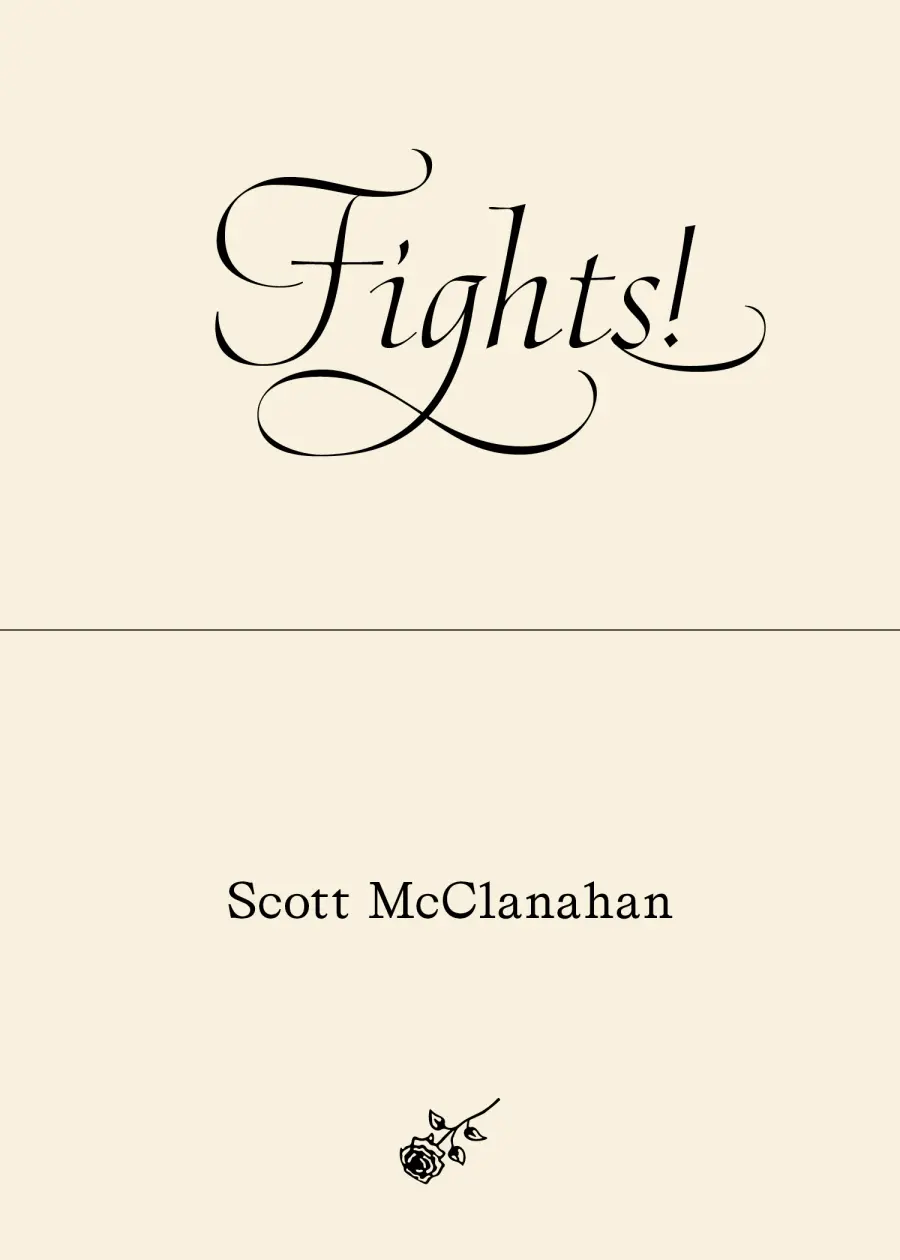
Fights! by Scott McClanahan
- Context & Critique: McClanahan’s work operates at the boundary between tragicomic autofiction and intimate memoir. The text traces a writer’s early life, publishing struggles, romantic fractures, and personal losses. Characterized by raw prose, the novel captures how deeply personal grief can resonate universally with readers.
The Things We Never Say by Elizabeth Strout
- Context & Critique: Strout returns to her signature thematic terrain: the quiet, destructive power of unexpressed secrets within small-town domestic life. The novel demonstrates Strout’s authoritative characterization, demonstrating how concealed truths can slowly erode family structures until their eventual revelation alters the community’s dynamic.
Supporting Context & Metrics
Publishing Industry Integration & Platform Strategy
The curation strategy employed by Electric Literature reflects broader shifts in literary commerce and independent media distribution. Rather than relying exclusively on major publishing houses (the "Big Five"), EL’s list demonstrates a balanced distribution across independent presses, academic titles, small-press distributors, and commercial imprints.
+-----------------------------------------------------------------------------------+
|                        PUBLISHING DISTRIBUTION BREAKDOWN                          |
+------------------------------------+-----------------------+----------------------+
| Segment                            | Percentage of Selection| Key Distributors     |
+------------------------------------+-----------------------+----------------------+
| Major Commercial Imprints          | 40%                   | Penguin Random House |
| Independent & University Presses   | 40%                   | Asterism Books       |
| Translated & International Presses | 20%                   | Europa / Other       |
+------------------------------------+-----------------------+----------------------+
Furthermore, EL’s integration of direct-to-consumer book-buying platforms—such as Bookshop.org (which supports independent bookstores) and Asterism Books (a specialized small-press distributor)—underlines a structural commitment to sustaining the independent literary economy.
Critical Trends in Reader Preferences
An analysis of the fifteen reviews reveals three clear shifts in reader preferences among literary professionals during the summer period:

- Rejection of Neat Trauma Narratives: As seen in Emily LaBarge’s Dog Days and Ivana Sajko’s Every Time We Say Goodbye, readers increasingly favor narratives that treat personal and historical trauma as ongoing structural realities rather than problems to be resolved.
- Hybrid & Digital Formats: The popularity of Yu-Mei Balasingamchow’s podcast-structured novel Names Have Been Changed and Ben Lerner’s technological analogies in Transcription point to a growing acceptance of digital structural influences within traditional print formats.
- Linguistic & Spatial Displacement: Works like ’Pemi Aguda’s One Leg on Earth and Jhumpa Lahiri’s In Other Words show a sustained interest in narratives dealing with physical relocation, linguistic adaptation, and urban density.
Official Statements
To better understand the institutional motivation behind this curatorial shift, Electric Literature editorial representatives and contributing readers offered the following statements regarding their selection process and editorial philosophy:
Editorial Statement on Curatorial Purpose:
"Our ‘What We’re Reading’ series began as a casual Instagram feature, but it quickly evolved into a core part of our editorial mission. We recognized that our audience was seeking honest, unvarnished recommendations directly from the editors, writers, and interns who spend their days working with text. By expanding this coverage, we aim to elevate independent press releases alongside major titles, giving readers a more complete view of contemporary literature."Staff Reviewer Statement on the Selection Criteria:
"When selecting books for the summer showcase, we don’t look for polished, marketable formulas. We gravitate toward books that linger—works like Scott McClanahan’s ‘Fights!’ or Emily LaBarge’s ‘Dog Days’ that disrupt narrative conventions and force us to reconsider our relationship to form, memory, and grief. The goal is to celebrate books that demand active, critical engagement."
Future Outlook
As the publishing industry moves into the fall and winter release cycles, the themes highlighted in Electric Literature’s summer collection provide valuable foresight into broader literary trends.
                       PROJECTED LITERARY TRENDS

  [Formal Hybridity]      =============================> High Growth
  [Translated Literature] =======================> Sustained Expansion
  [Conventional Thrillers]=================> Steady Demand
Key Projections for Upcoming Publishing Seasons
- Expanded Role for Small-Press Distributors: With platforms like Asterism Books gaining traction alongside Bookshop.org, independent authors and small presses will continue to capture market share from major commercial houses, particularly among highly engaged literary audiences.
- Evolution of Post-Digital Narrative Forms: Following the positive reception of audio- and digital-formatted fiction, publishers are likely to acquire more manuscripts that mess with traditional narrative delivery, blending epistolary, audio transcript, and digital archive formats.
- Growth in International Literature in Translation: The sustained popularity of translated works—such as those by Lahiri, Sajko, and Johansson—signals that American readers and critical institutions are increasingly eager for translated international perspectives that challenge Anglo-centric narrative structures.
Through its expanded editorial coverage, Electric Literature continues to refine the traditional reading list, offering a curated framework that highlights the formal innovations, socio-political insights, and artistic risks shaping the future of contemporary letters.




Comments
Facebook App ID not configured. Please add it in the Customizer.