The intersection of literature, historical memory, and civic education has long served as a battleground for how society defines its past and shapes its future. In the contemporary literary landscape, children’s and young adult literature increasingly transcends traditional pedagogical boundaries, engaging young readers with complex socio-political realities. A prime exemplar of this developmental shift is the critically acclaimed picture book Postcards From Malcolm X: How Yuri Kochiyama Became a Human Rights Activist, authored by Mia Wenjen, illustrated by Keith Henry Brown, and published by Red Comet Press.
Recently reviewed by YA and Kids Books Central—earning a pristine 5.0 overall rating across writing style, illustration quality, and learning value—this literary work offers a vital window into the intersections of the American Civil Rights Movement, Asian American activism, and transnational human rights solidarity. The book examines the profound intellectual and personal alliance forged between Yuri Kochiyama, a pioneering Japanese American activist, and Malcolm X, the prominent African American revolutionary and Muslim minister.
This comprehensive analysis unpacks the thematic, historical, and pedagogical significance of Wenjen’s work. By evaluating the socio-historical catalysts of Kochiyama’s radicalization—chiefly her confinement at the Jerome War Relocation Center in Arkansas during World War II—alongside the unique epistolary medium through which her relationship with Malcolm X blossomed, this article provides an authoritative evaluation of a text that redefines how young readers comprehend resistance, solidarity, and the enduring power of the written word.
Detailed Chronology: The Making of an Activist and a Historic Alliance
To fully appreciate the narrative arc constructed by Mia Wenjen, one must contextualize the chronological milestones that shaped the lives of Yuri Kochiyama and Malcolm X. Their convergence in the early 1960s was not merely a chance encounter, but the culmination of parallel trajectories through trauma, systemic oppression, and an unwavering commitment to human liberation.
The Crucible of World War II: The Internment of Japanese Americans
The foundational chapters of Yuri Kochiyama’s political consciousness were forged in the fires of state-sponsored xenophobia following the outbreak of World War II. Following the signing of Executive Order 9066 by President Franklin D. Roosevelt, over 120,000 individuals of Japanese descent—the majority of whom were American citizens—were forcibly uprooted from their homes on the West Coast and incarcerated in desolate concentration camps scattered across the American interior.
Kochiyama and her family were incarcerated at the Jerome War Relocation Center in Arkansas. This traumatic disruption exposed the young Kochiyama to the raw machinery of institutionalized racism, stripping her family of their property, autonomy, and civil liberties. Yet, as historical retrospectives like Wenjen’s book demonstrate, this crucible did not break Kochiyama; instead, it ignited a lifelong inquiry into the structural mechanics of white supremacy and systemic injustice. Her exposure to the plight of marginalized populations within the segregated American South during her time in Arkansas permanently altered her worldview, laying the groundwork for her eventual emergence as a bridge-builder across diverse ethnic and racial liberation movements.
The Radicalization and Rise of Malcolm X
Concurrently, Malcolm X was undergoing a transformative evolution that would position him as one of the most electrifying and uncompromising voices of the Black freedom struggle. Rising to prominence as a minister within the Nation of Islam, Malcolm X articulated a philosophy of Black self-determination, self-defense, and human rights that challenged the assimilationist paradigms of the mainstream civil rights establishment.
His critique of American democracy resonated deeply with oppressed populations worldwide. By reframing the African American struggle not merely as a quest for civil rights within the domestic jurisdiction of the United States, but as a fundamental human rights issue inextricably linked to anti-colonial movements across Africa, Asia, and Latin America, Malcolm X expanded the ideological horizons of the era.
The Convergence: Harlem, Activism, and Epistolary Solidarity
The paths of Kochiyama and Malcolm X intersected in Harlem during the turbulent socio-political landscape of the early 1960s. Having relocated to New York City, Kochiyama immersed herself in local civil rights campaigns, Harlem freedom schools, and anti-war demonstrations. Her home became a hub for activists, intellectuals, and revolutionaries.
Their relationship deepened through dialogue, shared political analysis, and, crucially, correspondence. As highlighted in Postcards From Malcolm X, the physical artifacts of their communication—postcards exchanged through the postal system—served as intimate conduits for intellectual exchange and strategic planning. These dispatches captured two distinct yet allied minds navigating the shifting tides of the Civil Rights Movement. Through snail mail, Kochiyama and Malcolm X reinforced each other’s resolve, dissected global liberation movements, and modeled a form of intersectional solidarity that was decades ahead of its time.
Supporting Context & Metrics: Critical Reception and Pedagogical Value
The critical acclaim received by Postcards From Malcolm X underscores its exceptional execution across multiple literary and artistic dimensions. According to evaluations by YA and Kids Books Central and the School Library Journal, the publication achieves top-tier metrics across all assessed categories:
Overall Rating: 5.0 / 5.0
Writing Style: 5.0 / 5.0
Illustration Quality: 5.0 / 5.0
Learning Value: 5.0 / 5.0
Literary Craftsmanship and Accessibility
Mia Wenjen’s writing style has been lauded for its ability to distill complex, emotionally heavy historical realities into a narrative format that is both accessible and deeply resonant for young readers. While concise, the text avoids oversimplification. Instead, it respects the intellectual capacity of its audience by confronting head-on the realities of wartime incarceration, racial segregation, and systemic oppression.
The book’s focus on an Asian American woman taking a prominent leadership role during an era heavily dominated by male figures provides a crucial counter-narrative to traditional historical accounts. It empowers young readers—particularly girls and children of color—to recognize that activism is not bound by demographic limitations.
Visual Storytelling Through Watercolor
Keith Henry Brown’s illustrations are integral to the book’s emotional and educational impact. Utilizing a rich watercolor palette, Brown captures the multifaceted nature of the historical figures he portrays. His artwork balances the warmth and tenderness of the personal connection shared by Kochiyama and Malcolm X with the fierce, unyielding resolve required to challenge oppressive systems. The visual framing of the postcards within the artwork grounds the narrative in tangible history, allowing readers to visualize the physical touchpoints of a historic friendship.
Official Review Excerpts and Critical Analysis
The critical consensus surrounding Wenjen’s work emphasizes its dual role as a historical document and an inspirational blueprint for modern civic engagement.
"Postcards From Malcom X is a beautifully illustrated and written story of how two prolific American activists developed a friendship that helped further their work as activists… This book may be short, but the information, story, and illustrations are powerful."
— YA and Kids Books Central
Reviewers consistently point out that the text serves as an illuminating entry point for discussions regarding intersectional activism. By examining how an incarcerated Japanese American woman and an African American revolutionary found common ground in their respective struggles against oppression, the book offers a masterclass in cross-cultural solidarity.
Furthermore, critics have noted the meta-narrative element of the book: its celebration of physical correspondence. In an era dominated by instantaneous digital communication, the inclusion of actual postcard snippets highlights the intentionality, reflection, and human intimacy inherent in traditional "snail mail." These artifacts demonstrate that revolutionary work is sustained not merely by grand public speeches, but by quiet, deliberate acts of interpersonal connection and intellectual nourishment.
Future Outlook: The Expanding Legacy of Mia Wenjen’s Work
The release and reception of Postcards From Malcolm X arrive at a crucial juncture in modern publishing, where educational curricula face intense scrutiny regarding the teaching of race, civil rights, and American history. Works that illuminate hidden or marginalized historical narratives are increasingly essential for fostering a comprehensive understanding of the nation’s past.
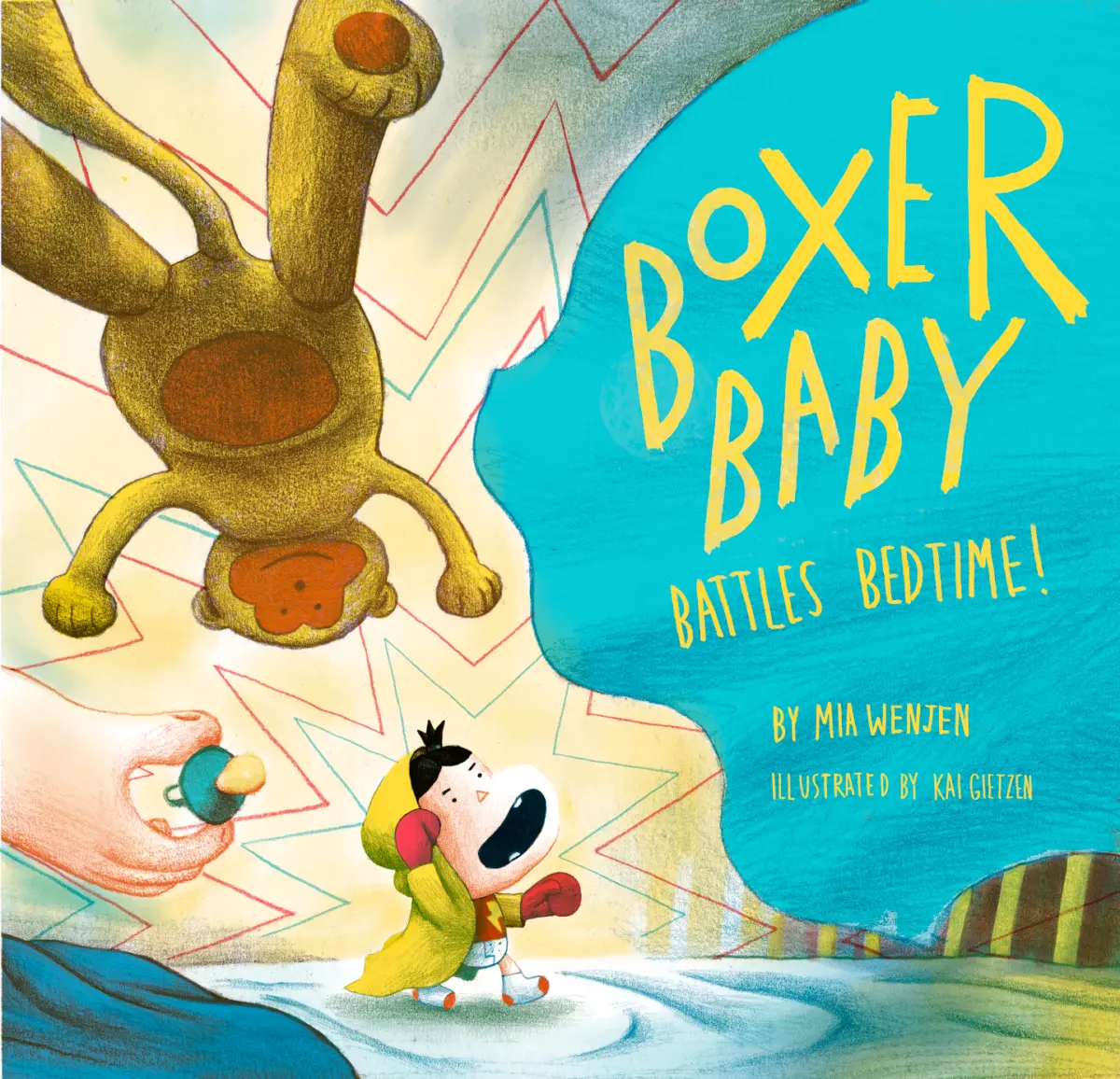
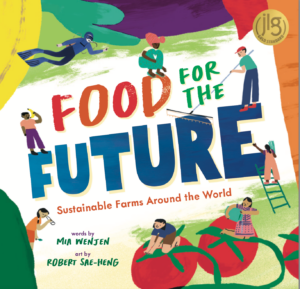
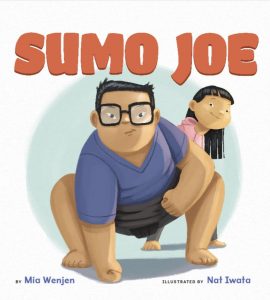
Mia Wenjen’s extensive body of work—which includes titles such as Barbed Wire Between Us (illustrated by Violeta Encarnación), Fortune Cookies for Everyone!, The Traveling Taco, We Sing from the Heart: How the Slants® Took Their Fight for Free Speech to the Supreme Court, and Food for the Future: Sustainable Farms Around the World—demonstrates a consistent commitment to exploring the diverse, complex roots of American culture, civil liberties, and social justice.
As educational institutions, libraries, and families seek out literary tools that bridge historical inquiry with contemporary civic values, Postcards From Malcolm X stands out as an enduring contribution. It challenges young readers to ask difficult questions about justice, equity, and the responsibilities of citizenship. More importantly, it provides them with a tangible blueprint for how empathy, dialogue, and unwavering solidarity can forge a more just and equitable world.









Comments
Facebook App ID not configured. Please add it in the Customizer.