
Executive Overview
In a strategic shift that marks a monumental departure from its long-standing hardware philosophy, Amazon has introduced an entirely new line of tablets operating on Android 16 with full, native access to the Google Play Store. Historically known for the walled-garden approach of FireOS and the restrictive confines of the Amazon Appstore—which frequently suffered from a scarcity of mainstream applications—Amazon is rewriting its consumer tech playbook.
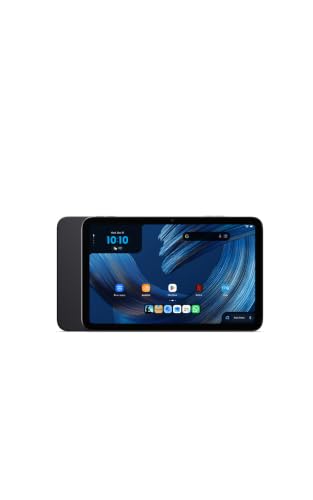
At the vanguard of this paradigm shift is a suite of newly unveiled devices: the compact Amazon Alexa Tablet 8, the versatile Amazon Alexa Tablet 11, and the flagship Amazon Alexa Tablet 12 Pro. More than just standard tablets running a modern iteration of Android, these devices feature an innovative, contextual software integration known as Kindle Mode.
Designed to bridge the gap between a high-performance, multipurpose media consumption device and a dedicated, distraction-free e-reader, Kindle Mode fundamentally reconfigures the tablet experience on the fly. By dynamically adjusting system settings, modifying display parameters, and throttling background processes the moment a user opens a book in the native Kindle app, Amazon is attempting to solve the classic consumer dilemma: how to read comfortably on a glaring, notification-heavy LCD/OLED tablet screen without purchasing a separate monochrome e-ink device.
Read Also
This deep-dive investigative report examines the architecture of Kindle Mode, the broader industry implications of Amazon’s abandonment of FireOS, and what this means for the future of digital reading and tablet computing.

Detailed Chronology: From FireOS Isolation to Open Android Integration
The FireOS Era: A Walled Garden
For well over a decade, Amazon’s hardware division relied on FireOS—a heavily forked, customized version of the Android Open Source Project (AOSP). While FireOS succeeded in creating affordable, media-consumption-focused tablets deeply integrated with Prime services, digital books, and Audible, it came with significant friction.
Developers were forced to port their applications specifically to the Amazon Appstore, resulting in a persistent app gap. Mainstream productivity tools, Google Workspace apps, and specialized software were often missing or severely outdated. Consumers seeking a versatile tablet often bypassed Fire devices for iPads or Android slates from Samsung and Lenovo, leaving Amazon’s hardware siloed primarily as casual media consumption tools for children and Prime content consumers.
The Shift to Android 16 and Google Play
The announcement of the new Alexa Tablet lineup represents a complete structural overhaul. Running Android 16 out of the box, these devices grant users uninhibited access to the Google Play Store. This means full compatibility with millions of Android apps, seamless multi-tasking capabilities, and a modernized operating system framework.
However, opening the floodgates to a standard Android environment introduces a double-edged sword for readers. Traditional tablets are inherently designed to distract. Between incoming push notifications, glowing blue-light displays, and heavy background processes pulling data in real-time, reading an immersive novel on a standard tablet can feel chaotic and fatiguing on the eyes.
Recognizing this hurdle, Amazon’s engineers developed Kindle Mode as an intelligent, context-aware software layer to reclaim the reading experience.
Anatomy of Kindle Mode: How It Transforms the Tablet Experience
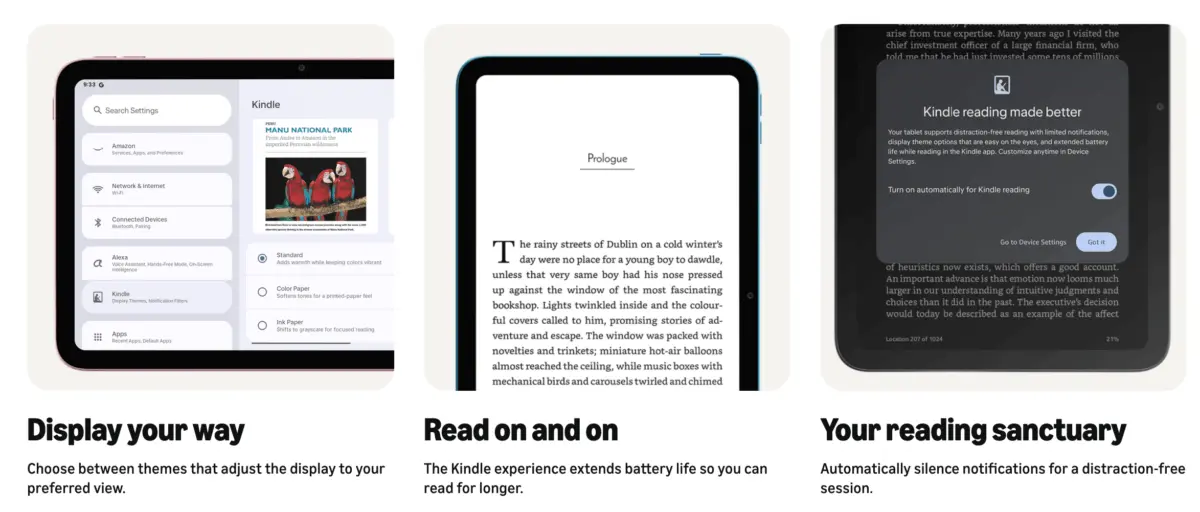
Kindle Mode is not merely a static theme or a manual toggle hidden deep within device settings; it is an automated, context-driven environment. The moment a user launches a digital book inside the native Kindle app, the operating system recognizes the action and instantaneously triggers Kindle Mode. Conversely, the second the user exits the book or closes the application, the tablet smoothly reverts to its standard Android interface and default display profiles.
To achieve an experience that rivals dedicated e-readers like the Kindle Paperwhite, Kindle Mode executes several foundational changes across the system architecture:
1. Distraction-Free Sanctuary
Tablets are notification powerhouses, constantly piping in emails, social media alerts, text messages, and app updates. Kindle Mode acts as an intelligent Do Not Disturb protocol. Upon activation, it automatically silences and mutes all incoming notifications, message chimes, and visual pop-ups. This ensures that an unexpected ping does not break the cognitive flow of deep reading.
2. Advanced Ocular Comfort & Blue Light Reduction
Long-term exposure to high-frequency blue light emitted by standard tablet displays is well-documented to cause eye strain and disrupt melatonin production before sleep. When Kindle Mode engages, the system dynamically shifts the display’s color temperature to a warmer, softer spectrum. This significantly diminishes eye fatigue during extended reading sessions, particularly in low-light or nighttime environments.
3. Resource Optimization and Battery Longevity
Standard tablets must constantly feed power-hungry processors, background sync tasks, and vibrant display panels, typically resulting in a battery life of 8 to 12 hours under mixed usage. Kindle Mode aggressively throttles non-essential background processes and optimizes power draw specifically for text rendering and page-turning. This algorithmic efficiency stretches the tablet’s battery life up to an impressive 20 hours of continuous reading, bringing it remarkably close to the legendary battery endurance of dedicated e-ink devices.
4. Specialized Display Profiles
One of the standout software innovations within Kindle Mode is the inclusion of customizable display profiles. Recognizing that users read vastly different types of content—from text-heavy novels to graphic-rich comic books and glossy magazines—Amazon built a multi-tier profile system:
- Classic Grayscale Look: Simulates the stark, high-contrast appearance of traditional paper, reducing visual noise and maximizing legibility for standard novels and nonfiction.
- Soft Muted Color Layout: Ideal for textbooks, children’s illustrated books, and graphic novels with narrative art, offering gentle color saturation that avoids blinding brightness.
- Vivid Glossy Profile: Tailored specifically for digital magazines, art books, and high-resolution comic books, bringing out punchy colors while maintaining adaptive warmth.
Hardware Ecosystem: The Alexa Tablet Lineup
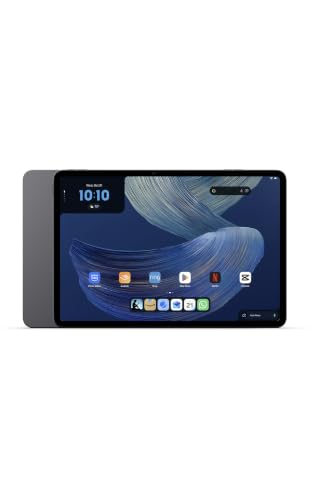
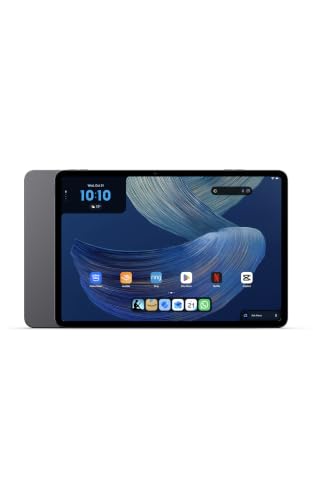
Kindle Mode is currently hardware-exclusive to Amazon’s newly minted flagship tier, ensuring that the software optimizations match high-performance display panels. The launch lineup features three distinct devices tailored to various consumer segments:
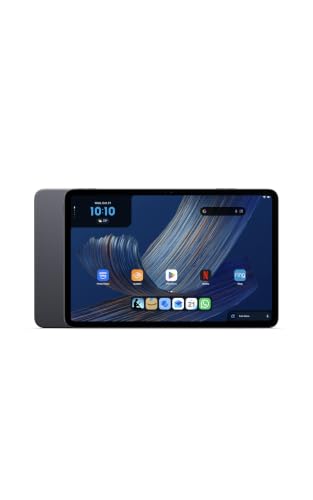
- Amazon Alexa Tablet 8: A highly portable, compact 8.7-inch device featuring a vivid display, 4GB of RAM, and 128GB of storage. Designed for readers on the go who prefer a one-handed reading footprint similar to a traditional paperback.
- Amazon Alexa Tablet 11: A balanced 11-inch powerhouse equipped with a stunning 2.5K display, 8GB of RAM, and 128GB of storage, bridging the gap between immersive media consumption and comfortable long-form reading.
- Amazon Alexa Tablet 12 Pro: The crown jewel of the lineup. Available in configurations ranging up to 16GB of RAM and 256GB of storage, the 12 Pro boasts a massive 12-inch, 2.8K display. Notably, higher-tier configurations offer a 2.8K Nanomatte display option, which drastically cuts down glare and mimics the tactile, non-reflective feel of paper—making it the ultimate canvas for Kindle Mode.
(Note: While these features are native to the new Amazon hardware, tech publications such as Android Police have recently published guides detailing how power users can replicate elements of this distraction-free reading environment on competing devices like Samsung Galaxy tablets.)
Official Statements and Industry Perspective
Industry analysts view Amazon’s pivot as a calculated and aggressive counter-offensive in the consumer hardware market. For years, Apple’s iPad dominated the premium tablet space, while Samsung commanded the Android ecosystem. By abandoning FireOS and embracing Google Play, Amazon has instantly neutralized the primary complaint consumers leveled against its hardware: app scarcity.
"We wanted to build a device that doesn’t force users to compromise," noted a product development insider close to Amazon’s hardware division. "Consumers love the versatility of Android—they want productivity apps, streaming services, and web browsing. But when it’s time to read, they want the tranquility of a book. With Kindle Mode, we aren’t asking our customers to carry two devices anymore. The tablet transforms based on what you are doing at that exact moment."
The inclusion of deep Alexa integration across the entire hardware stack further positions these tablets as smart home control hubs that double as elite media and reading terminals.
Future Outlook: What Kindle Mode Means for the Future of Reading
The introduction of Kindle Mode on Android-powered hardware signals a broader convergence in consumer electronics. For over a decade, device categories were rigidly defined: e-ink devices were strictly for reading, while LCD/OLED tablets were for general computing and media.
However, as display technologies improve and software becomes more contextually intelligent, the boundaries are blurring. Features like Kindle Mode demonstrate that operating systems can adapt dynamically to human intent. If a user is writing an email, the tablet behaves like a workstation. If they open a spreadsheet, it acts as a productivity tool. And the second they open a book, the device sheds its digital distractions and becomes a sanctuary for literature.
As competitors watch Amazon’s gambit unfold, it is likely that other major Android manufacturers will take note. Custom reading modes that mimic e-readers—incorporating automated notification silencing, blue light suppression, and grayscale simulation—may soon become an industry-standard feature across all high-end tablets.
For readers, students, and digital consumers, the message is clear: the era of choosing between the convenience of a modern tablet and the peaceful reading experience of a dedicated e-reader is officially coming to an end. Amazon’s Alexa tablets, anchored by the brilliance of Kindle Mode, have set a formidable new benchmark for what a modern multimedia device can achieve.





Comments
Facebook App ID not configured. Please add it in the Customizer.