
Executive Overview
In an era saturated by heavily curated social media feeds, relentless digital advertising, and rigid cultural beauty standards, the battleground for self-acceptance increasingly begins at a startlingly young age. Children today are exposed to negative self-talk, implicit fatphobia, and unrealistic physical ideals before they even enter primary school. Addressing this systemic challenge requires targeted, compassionate intervention that equips young minds with the emotional literacy, critical thinking tools, and affirmative frameworks necessary to champion body positivity.
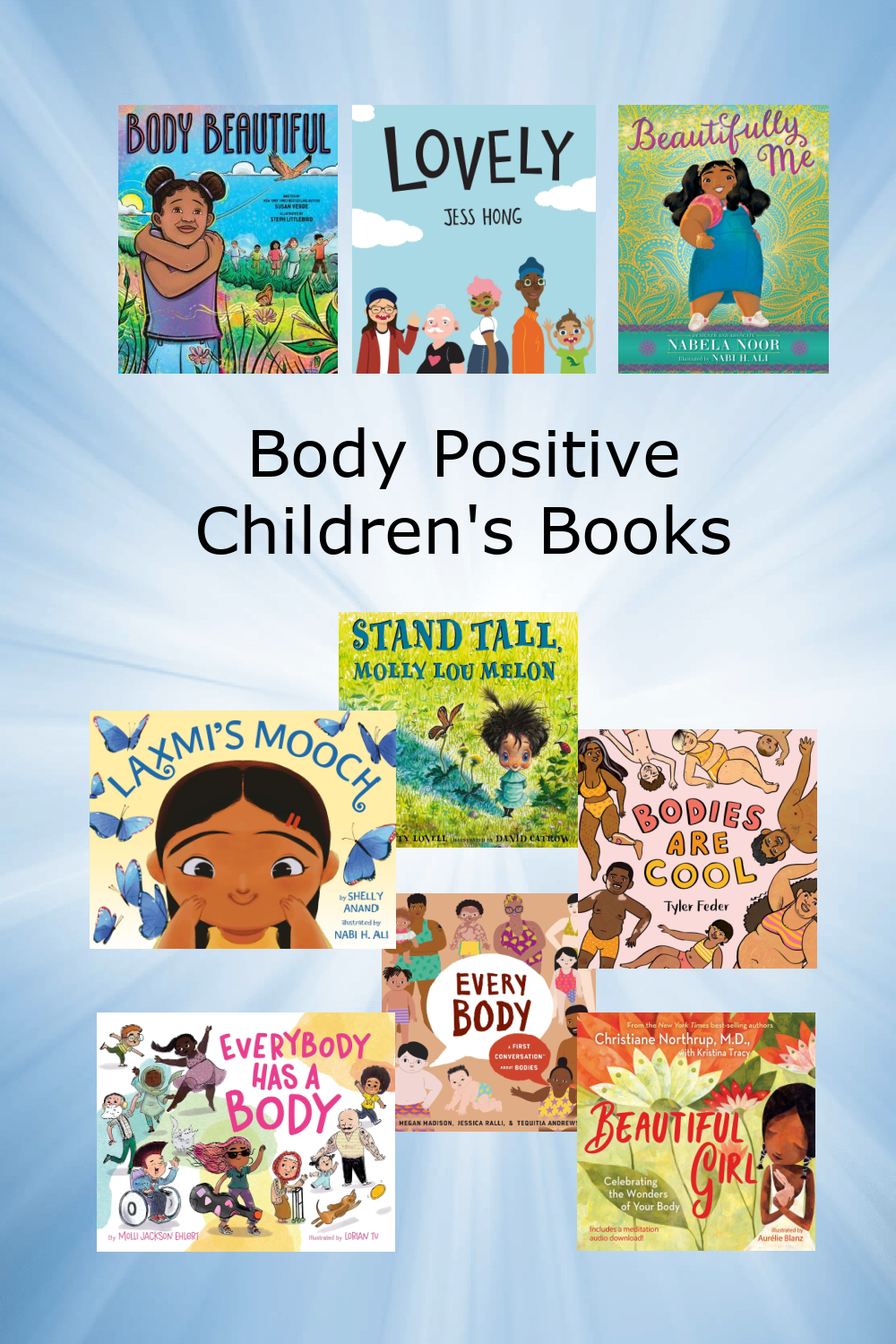
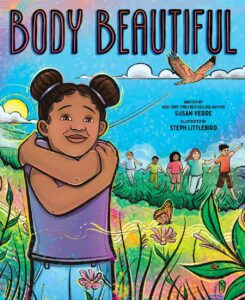
Children’s and middle-grade literature serves as a vital first line of defense and empowerment. By transforming complex sociological conversations about ableism, fat activism, ethnic representation, and physical diversity into accessible, engaging narratives, authors and illustrators provide young readers with mirrors to see themselves and windows to understand others. This comprehensive review examines a curated selection of picture books and middle-grade novels—sparked by Susan Verde and Steph Littlebird’s acclaimed Body Beautiful—that actively challenge narrow definitions of beauty, dismantle internalized biases, and celebrate the diverse, functional wonders of the human form.
Detailed Chronology & Evolution of Body-Positive Messaging in Children’s Books
The landscape of children’s publishing has undergone a profound structural shift over the past two decades. Historically, mainstream children’s media often reinforced narrow physical archetypes, rarely addressing systemic issues such as body diversity, disability justice, or cultural standards of attractiveness.
Read Also
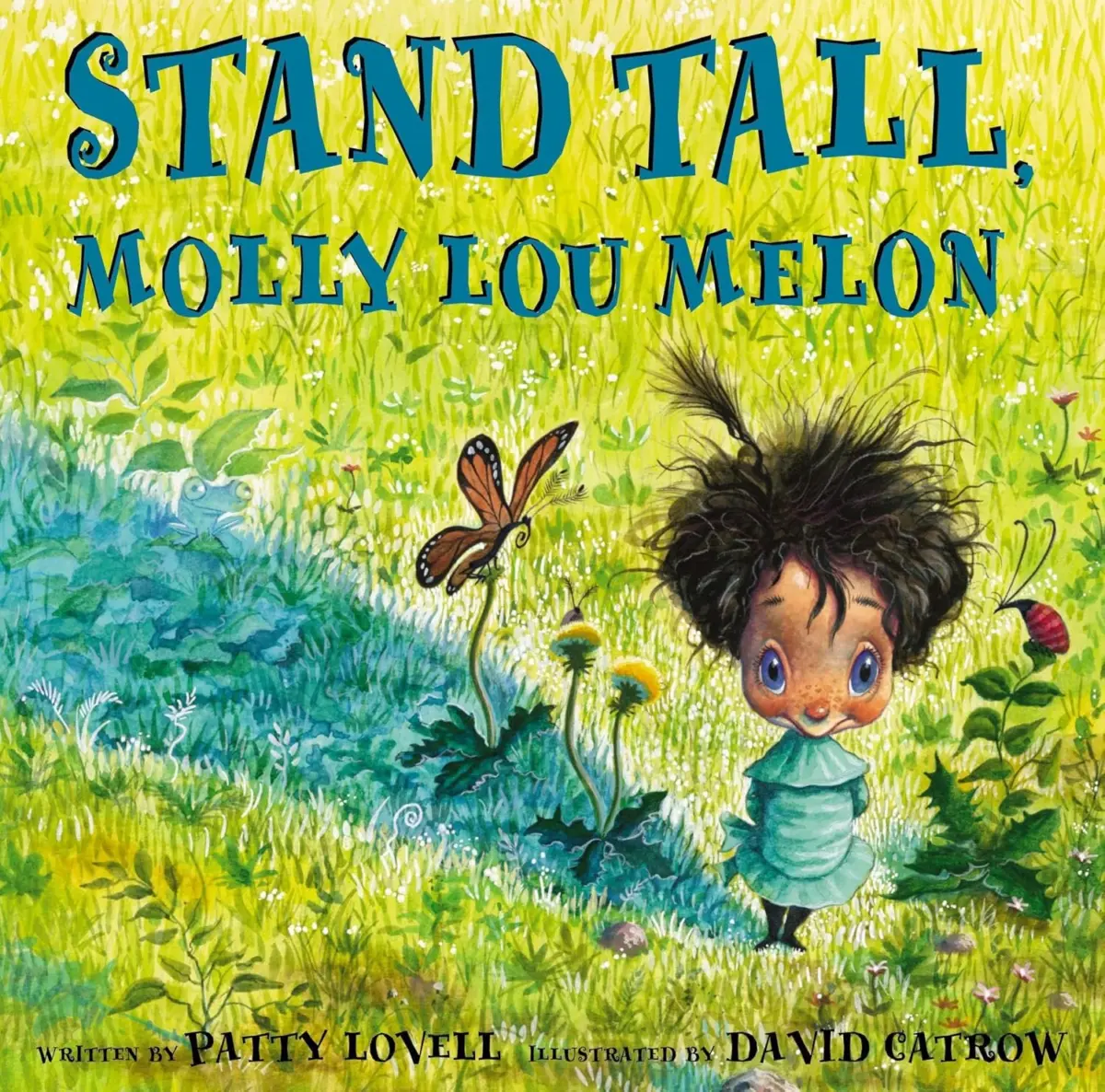
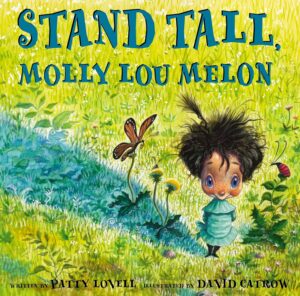
- Early Foundations (The 2000s): The movement toward self-acceptance found early champions in works like Patty Lovell and David Catrow’s Stand Tall, Molly Lou Mellon. Published in the early 2000s, it introduced children to the radical concept that physical "flaws"—such as buck teeth or short stature—are actually unique features to be celebrated rather than hidden.
- The Intersectional Expansion (2010s): As cultural awareness broadened, authors began tackling intersectional identities, examining how race, ethnicity, and family culture intersect with body image. Jess Hong’s Lovely (2016) used sparse text and a vividly diverse cast to expand the definition of beauty across physical spectrums.
- Modern Activism and Direct Dialogue (2020s–Present): Today’s literary market features explicit, fearless engagement with concepts that were once considered taboo for young audiences. Books like Megan Madison and Jessica Ralli’s Every Body: A First Conversation about Bodies (2023) and Susan Verde’s Body Beautiful bring systemic issues—including fatphobia, ableism, and body neutrality—directly to preschoolers and older children. Concurrently, middle-grade titles like E.L. Chen’s The Comeback explore the psychological toll of societal beauty standards on adolescents, marking a mature evolution in how children’s literature confronts systemic bias.
Supporting Context & Metrics: The Urgent Need for Body Affirmation
The necessity for early, robust body-positive literary intervention is underscored by sociological and psychological research. According to findings from common child development organizations and mental health watchdogs, dissatisfaction with one’s body frequently manifests as early as ages six to eight, with a significant percentage of children reporting self-critical thoughts about their weight and appearance by the time they enter middle school.
- The Impact of Digital Exposure: Children are spending unprecedented amounts of time consuming digital media, where algorithmic feeds relentlessly promote airbrushed, unattainable physical ideals.
- The Role of Family Discourse: Research consistently highlights that casual, negative self-talk modeled by parents and older siblings—such as complaints about "big tummies" or anxieties regarding weight gain—serves as a primary catalyst for internalized body shame in young children.
- The Literary Counterweight: Books that explicitly decouple a body’s worth from its aesthetic presentation—focusing instead on functionality, resilience, and unique cultural attributes—act as a cognitive and emotional buffer. By teaching children to reframe negative thoughts and embrace their bodies as instruments of movement, expression, and joy, these literary resources help mitigate the long-term risks of disordered eating, anxiety, and low self-esteem.
Curated Literary Reviews: Essential Books for Every Age
For Ages 2 and Up
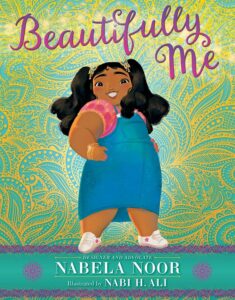
Beautifully Me by Nabela Noor, illustrated by Nabi H. Ali
- “A beautiful person is someone who embraces who they are and helps others do the same. There is only one Zubi, and that makes you beautiful, you.”
- Overview: It’s Zubi’s first day of school, and she is initially thrilled as she gets dressed. However, her excitement is dampened when she overhears casual negative self-talk from her family members about their weight and bodies. At school, a peer makes a critical comment about her dress. Overwhelmed, Zubi decides at home to go on a diet, shocking her family into recognizing the harmful impact of their words. They apologize, and Zubi reclaims her name—which means loving and understanding—setting the stage for a wonderful second day of school.
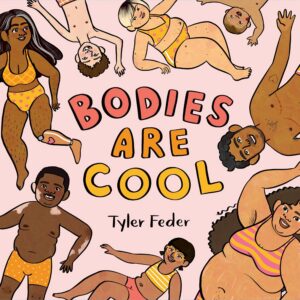
Bodies Are Cool by Tyler Feder
- Overview: A jubilant, inclusive celebration of physical diversity, this body-positive book ensures that every type of body is represented. With a rhythmic, chant-like text, it invites young readers and adults to read aloud enthusiastically, normalizing body differences and fostering unbridled self-love from toddlerhood onward.
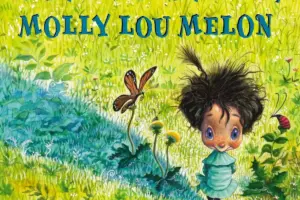
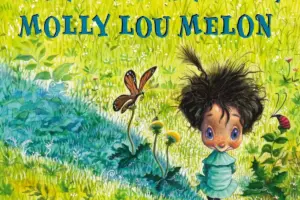
Stand Tall, Molly Lou Mellon by Patty Lovell, illustrated by David Catrow
- Overview: Grandma Melon’s wisdom teaches Molly Lou to wear her short stature, buck teeth, and deep voice like badges of honor. When Molly Lou moves to a new school and faces a persistent bully, she relies on her grandmother’s lessons. By maintaining her confidence, her big smile, and her strong voice, she wins over her classmates and transforms her critic into a friend.
For Ages 3 and Up
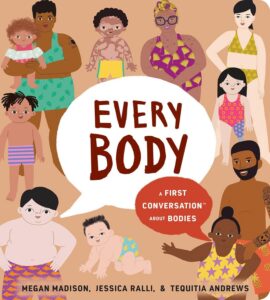
Every Body: A First Conversation about Bodies by Megan Madison and Jessica Ralli, illustrated by Tequitia Andrews
- Overview: For educators and parents seeking a serious, didactic approach, this title provides an invaluable framework. It is specifically designed to spark essential conversations with preschoolers about a wide range of complex topics, including ableism, body diversity, disability justice, fatphobia, fat activism, and body affirmation.
For Ages 4 and Up
Body Beautiful by Susan Verde, illustrated by Steph Littlebird
- Overview: Serving as the direct inspiration for this collection, Susan Verde and Steph Littlebird prompt readers to reimagine the body not as an object for aesthetic judgment, but as something functionally brilliant, wonderfully expressive, deeply wise, and profoundly deserving of love. It stands as a vital counterweight to the narrow, unrealistic beauty standards propagated by modern social media.
Lovely by Jess Hong
- “Lovely is different, weird, and wonderful.”
- Overview: Featuring a minimalist text and vibrant, inclusive illustrations, Lovely offers a sweeping definition of beauty that embraces everyone. It is a joyful testament to diversity, reminding young readers that individuality is something to be celebrated.
Laxmi’s Mooch by Shelly Anand, illustrated by Nabi H. Ali
- Overview: When Laxmi’s classmates point out her upper lip hair, she spends an embarrassed, painful day at school. Upon returning home, her supportive parents reframe the narrative, explaining that body hair is natural and universal. Armed with this body-positive truth, Laxmi returns to school the next day ready to share the message with her peers.
Every Body Has a Body by Molli Jackson Ehlert, illustrated by Lorian Tu
- Overview: This picture book redirects focus away from superficial aesthetics and toward physical functionality. Emphasizing that every body is unique in appearance yet unified in its ability to move, explore, and experience the world, it teaches children to value their bodies for what they do.
Eyes that Kiss in the Corners by Joanna Ho, illustrated by Dung Ho
- “A young Taiwanese girl notices that her eyes look different from the eyes of those around her… They have eyes that kiss in the corners and glow like warm tea… Drawing from the strength of these powerful women in her life, she recognizes her own beauty and discovers a path to self-love and empowerment.”
- Overview: A lyrical and stunning exploration of cultural identity and generational strength, this book follows a young girl as she learns to honor her heritage and recognize her own reflection through the powerful legacy of the women in her family.
The Big Bath House by Kyo Maclear, illustrated by Gracey Zhang
- “You’ll all dip your bodies, / your newly sprouting, / gangly bodies, / your saggy, shapely / jiggly bodies, / your cozy, creased, / ancient bodies. / Beautiful bodies.”
- Overview: Capturing a joyous family trip to a traditional Japanese public bathhouse, this book is a heartwarming celebration of female bonding across generations. It embraces every stage of life—from gangly youth to ancient wisdom—in a unified tribute to the human form.
The Ouchiest Words by Debbie Min, illustrated by Putri Ayu Sekarmentari
- Overview: Tackling anti-Asian bullying head-on, this narrative follows Nari as she faces targeted insults and discriminatory gestures from a peer. Inspired by another student who brushes off bullying with resilience, Nari learns the power of positive self-talk and verbal boundaries, offering young readers a practical toolkit for coping with harassment and stepping up as allies.
For Ages 5 and Up
Abigail the Whale by Davide Cali, illustrated by Sonja Bougaeva
- Overview: After being teased as a "whale" during swim class due to her splashy dives, Abigail feels too heavy to swim. Her coach introduces a transformative concept: to feel light, one must think light. By channeling the grace of a fish, a kangaroo, or a soaring bird, Abigail unlocks the power of positive thinking, cognitive reframing, and growth mindset.
Beautiful Girl: Celebrating the Wonders of Your Body by Christiane Northrup, M.D. and Kristina Tracy, illustrated by Aurelie Blanz
- Overview: Serving as an accessible, age-appropriate precursor to more traditional developmental talks, this book uses inspirational metaphors to help young girls navigate their changing bodies with grace, curiosity, and pride.
A Kids Book About Body Image by Rebecca Alexander
- Overview: Written to be shared jointly between adults and children, this non-illustrated exploration features author Rebecca Alexander—founder of AllGo, a platform rating public spaces for plus-size accessibility—candidly discussing her own struggles with body image and size. She addresses advertising and social media pressures head-on, delivering a powerful message of self-acceptance and body positivity.
For Ages 6 and Up
We Move Together by Kelly Fritsch and Anne McGuire, illustrated by Eduardo Trejos
- “All bodies are unique and essential. All bodies are whole. All bodies have strengths and needs that must be met. We are powerful not despite the complexities of our bodies, but because of them. We move together, with no body left behind. This is disability justice.” — Aurora Levine Morales and Patty Berne
- Overview: This insightful picture book introduces young readers to ableism and accessibility. It illustrates how communities can and must work together to ensure that physical spaces and social structures accommodate everyone, championing the core tenets of disability justice.
For Ages 7 and Up
All the Ways to Be Pretty by Shamila Khan, illustrated by Reyhana Ismail
- Overview: Written specifically to provide Muslim parents and educators with a framework for discussing physical beauty with young girls, this book broadens the definition of beauty far beyond external attributes. Khan highlights inner traits—such as intelligence, bravery, piousness, resilience, and kindness—as the true measures of a person’s worth.
Middle Grade (Ages 8 and Up)
The Comeback: A Figure Skating Novel by E.L. Chen
- Overview: Reviewed by Ms. Yingling Reads, this middle-grade novel tackles the intricate social pressures and cultural microaggressions faced by students in school environments. Protagonist Maxine resorts to using adhesive to alter her eyelids in an attempt to minimize critical comments about her appearance. Through a delicate narrative balancing competitive figure skating, school challenges, and personal growth, the book addresses identity, peer relationships, and the journey toward authentic self-acceptance.
Official Statements & Publisher Perspectives
The publishing community and child advocacy groups increasingly view body-positive literature not as a niche genre, but as an essential component of holistic child development.
- The Educational Imperative: Pediatric developmental specialists emphasize that books addressing disability justice, fat activism, and cultural diversity provide critical cognitive frameworks that prevent the early onset of internalized shame.
- The Industry Shift: Independent and major publishing houses alike are actively prioritizing marginalized voices—such as authors addressing Asian representation, Muslim standards of beauty, and neurodivergent physical experiences—ensuring that all children can find authentic validation within literature. As creators like Susan Verde, Nabela Noor, and Rebecca Alexander demonstrate, open dialogue between caregivers and children remains the most effective tool in dismantling harmful societal expectations.
Future Outlook: Toward a Culture of Total Body Acceptance
Looking ahead, the trajectory of children’s and middle-grade literature points toward an even more inclusive and fearless exploration of identity. As digital pressures continue to evolve, authors and illustrators are responding with sophisticated narratives that teach children to view their bodies not as commodities to be judged, but as resilient, functional, and inherently worthy vessels of human experience.
By fostering environments where books like Body Beautiful, Every Body, and The Comeback are read, discussed, and celebrated, parents, educators, and communities can build a resilient foundation for the next generation. In doing so, we move closer to a cultural landscape where every child is empowered to stand tall, speak with a strong voice, and embrace the complete, beautiful truth of who they are.


Comments
Facebook App ID not configured. Please add it in the Customizer.