
Executive Overview
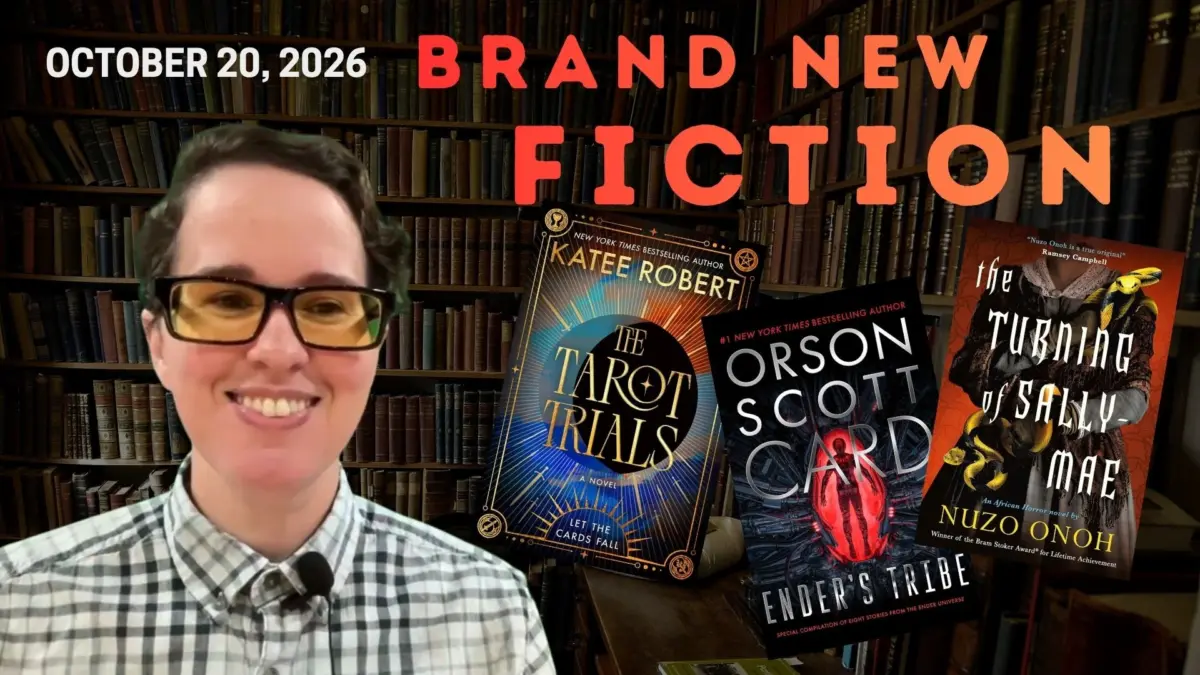
On October 20, 2026, Locus Magazine—the longstanding journal of record for the speculative fiction community—issued its comprehensive weekly multimedia release overview, highlighting a pivotal slate of new titles across Science Fiction, Fantasy, Horror, and Young Adult (YA) fiction. Positioned at the apex of the traditional autumn publishing rush, the mid-October release cycle represents one of the most critical fiscal and creative windows for commercial trade publishing.
The latest release drop showcases an increasingly interconnected landscape of speculative literature. Publishers are simultaneously leaning into classic thematic tropes—such as deep-space exploration, high-fantasy worldbuilding, and psychological horror—while integrating modern sociotechnical anxieties including artificial intelligence, ecological disruption, and socio-political polarization.
Beyond cataloging individual titles, Locus’s release serves as a litmus test for broader trade health. As the publishing sector navigates shifting consumer habits, fluctuating printing overheads, and evolving digital distribution pipelines, the speculative fiction sector continues to demonstrate remarkable market resilience. However, the media structures supporting genre journalism—exemplified by Locus Magazine’s ongoing non-profit fundraising initiatives—face an equally transformative juncture. This report provides an authoritative analysis of the October 20, 2026 release cycle, examining its place within the historical fall timeline, current market data, industry commentary, and projections for the sector moving into 2027.
Read Also
Detailed Chronology of the Fall 2026 Publishing Slate
The release of Locus Magazine’s October 20 video catalog represents the culmination of a multi-month operational pipeline executed by major publishing houses, independent presses, and literary media platforms. Understanding the trajectory of this release window requires tracing the strategic milestones established earlier in the publishing calendar year.
+-----------------------------------------------------------------------------------+
|                            FALL 2026 PUBLISHING TIMELINE                          |
+-----------------------------------------------------------------------------------+
|  Late Summer (Aug - Early Sept): Advance Reader Copy (ARC) Circulation             |
|  --> Early Autumn (Late Sept - Early Oct): "Spooky Season" Marketing Push         |
|  --> Mid-October (October 20): Peak Fall Release Hub & Media Roundups            |
|  --> Late Q4 (Nov - Dec): Holiday Retail Stacking & Awards Consideration          |
+-----------------------------------------------------------------------------------+
Late Summer 2026: Advance Reader Copy (ARC) Circulation and Early Buzz
- August 15 – September 5, 2026: Trade publishers distributed digital and physical Advance Reader Copies (ARCs) to critics, industry buyers, and key literary influencers. During this period, early critical consensus began to form around key autumn lead titles, particularly within high-concept sci-fi and seasonal horror.
- September 12–15, 2026: The immediate aftermath of late-summer genre conventions (including Worldcon and regional trade shows) established the baseline visibility for mid-fall imprints. Strategic emphasis was placed on aligning release dates with key promotional windows.
Early Autumn 2026: The "Spooky Season" Campaign Push
- October 1–7, 2026: Major imprints initiated dedicated marketing campaigns leveraging autumnal reading trends, heavily featuring dark fantasy, gothic fiction, and body horror.
- October 8–15, 2026: Digital preview platforms experienced peak engagement as book trade outlets began indexing late-October releases. Pre-order tracking indicated elevated consumer demand for speculative YA titles bridging coming-of-age themes with supernatural elements.
The October 20, 2026 Release Anchor
- October 20, 2026: Locus Magazine officially published its weekly video preview, capturing a diverse array of releases across four core speculative categories:
- Science Fiction: Focus on near-future post-singularity narratives, deep-space survival sagas, and hard sci-fi exploring ecological recovery.
- Fantasy: A strong showing of secondary-world epic fantasy alongside subverting urban fantasy narratives rooted in folklore.
- Horror & Supernatural: High-profile drops targeting the pre-Halloween market, emphasizing psychological suspense, cosmic dread, and folk-horror revivals.
- Young Adult (YA): Crossover speculative fiction addressing identity, systemic conflict, and supernatural coming-of-age arcs.
Subsequent Quarter Trajectory
- October 27 – November 15, 2026: Projected transition of mid-October titles into mainstream brick-and-mortar display rotations for the primary Q4 gift-buying season.
- December 2026: Cutoff for inclusion in primary year-end "Best of 2026" editorial lists and preliminary award eligibility considerations (e.g., Hugo, Nebula, Bram Stoker, and Locus Awards).
Supporting Context & Metrics
Speculative Fiction Market Performance (2026 Overview)
The October 20 release cycle occurs against a backdrop of steady structural growth in speculative fiction sales. Industry metrics from the third quarter of 2026 reveal key trends across format adoption, subgenre popularity, and channel distribution:
| Metric / Category | Q3 2025 Baseline | Q3 2026 Measured | Year-over-Year (YoY) Change |
|---|---|---|---|
| Horror & Supernatural Sales | $142M | $168M | +18.3% |
| Science Fiction Trade Paperback | $210M | $219M | +4.2% |
| Fantasy (Epic & Cozy subgenres) | $380M | $415M | +9.2% |
| YA Speculative Fiction Crossover | $195M | $208M | +6.6% |
| Audiobook Market Share (All SFF) | 28% of total units | 33% of total units | +5.0% absolute shift |
The data underscores a notable surge in Horror and Supernatural fiction (+18.3% YoY), driven in large part by younger demographics and social media-driven reading communities (BookTok, BookTube, and BookStagram). This ongoing resurgence aligns directly with the tactical timing of the October 20 release slate.
       2026 Speculative Fiction Growth Drivers by Category
       ----------------------------------------------------
       Horror/Supernatural  [####################] +18.3%
       Cozy & Epic Fantasy  [##########] +9.2%
       YA Crossover SFF     [#######] +6.6%
       Science Fiction      [#####] +4.2%
Digital Media Evolution and Video Cataloging
Locus Magazine’s shift toward integrated video programming—such as the October 20 release showcase—reflects a broader structural pivot within publishing media. Traditional text-only bibliographies, while remaining vital for database archival, yield lower engagement metrics among modern digital audiences compared to video roundups.
By leveraging embedded, visual-first content, trade publications enhance audience retention and expand content accessibility across multi-platform networks. The integration of structured video roundups allows Locus to reach broader reader demographics who consume book news primarily via digital visual feeds.
The Economics of Independent Genre Journalism
Alongside the release highlights, Locus Magazine renewed its public appeal for financial support through its 2026 fundraising initiatives. This reflects an ongoing operational challenge within niche trade reporting.
       Traditional Print Model             Modern Non-Profit Model
  +-------------------------------+   +-------------------------------+
  |  Print Ads + Newsstand Sales  |   | Reader Support + Subscriptions|
  +---------------+---------------+   +---------------+---------------+
                  |                                   |
                  v                                   v
  +-------------------------------+   +-------------------------------+
  | Volatile Print Ad Revenue     |   | Sustained Reader Donations &  |
  | Declining Newsstand Margins   |   | Direct Institutional Grants   |
  +-------------------------------+   +-------------------------------+
While commercial publishing profits remain robust, independent journalism platforms face persistent economic pressures due to:
-
Ad-Tech Compression: Migration of digital advertising capital toward centralized algorithmic platforms rather than dedicated niche
publications.

- Production Overhead: Elevated paper, printing, and distribution costs impacting physical publication runs.
- The Non-Profit Model Shift: Transition by legacy institutions like Locus toward reader-funded non-profit models (501(c)(3) structures), relying on tax-deductible donations, sustained patronage, and community grants to preserve their archival work.
Official Statements and Industry Insights
Industry figures and editorial analysts emphasize both the artistic richness of the current autumn release slate and the critical role played by dedicated coverage institutions.
Editorial Assessment on the Fall Lineup
In analyzing the current landscape, literary analysts highlight the blending of speculative subgenres observed in the October 20 releases:
"The mid-October publishing window in 2026 demonstrates a clear maturation of speculative fiction. We are no longer seeing hard boundaries between pure hard science fiction, high fantasy, and horror. Instead, authors are increasingly utilizing speculative tools fluidly—combining ecological thriller elements with dark fantasy or integrating existential horror into young adult narratives. The October 20 cohort represents some of the most versatile storytelling of the year."
— Dr. Aris Thorne, Senior Analyst at the Center for Speculative Media Studies
The Necessity of Independent Coverage
Commenting on the role of non-profit models in sustaining literary journalism, representatives within the genre trade ecosystem stress the importance of community support:
"For over five decades, comprehensive archival tracking has been the backbone of the speculative fiction community. Platforms like Locus serve as the historical memory of Science Fiction, Fantasy, and Horror. As commercial media models consolidate, maintaining independent, reader-supported trade journalism isn’t just about reviewing books—it’s about preserving the infrastructure that allows mid-list authors, new debuts, and small presses to be discovered."
— Elena Rostova, Publishing Operations Specialist & Literary Advocate
Future Outlook
As the speculative fiction community moves past the mid-October release milestone, several key developments are projected to shape the market entering late 2026 and early 2027:
+-----------------------------------------------------------------------------------+
|                        LOOKING AHEAD: LATE 2026 TO EARLY 2027                     |
+-----------------------------------------------------------------------------------+
|  1. Q4 Holiday Retail Push & Digital Bundling                                     |
|  2. Emergence of 2027 Subgenre Trends (Solarpunk, Cozy Fantasy, Tech-Horror)     |
|  3. Award Season Mobilization (Hugo, Nebula, Locus Awards)                        |
|  4. Evolution of Reader-Funded Media Infrastructure                               |
+-----------------------------------------------------------------------------------+
1. Q4 Retail Performance and Digital Bundling
The titles highlighted in the October 20 release will face their primary commercial test during the Q4 holiday retail surge. Publishers are expected to lean heavily into digital audio bundling and special edition physical print runs—such as sprayed edges and custom cover art—to maximize direct-to-consumer sales during November and December.
2. Evolving Subgenre Trends for 2027
Analysis of upcoming spring 2027 catalog filings indicates that themes introduced in the fall 2026 slate will continue to expand:
- Tech-Horror and AI Anxiety: Horror narratives focused on algorithmic surveillance, deepfakes, and synthetic consciousness are projected to grow in market share.
- "Solarpunk" and Eco-Optimism: Science fiction is anticipated to shift gradually from purely dystopian futures toward constructive, eco-technological problem-solving narratives.
- Cozy Fantasy Expansion: The steady success of low-stakes, character-driven fantasy is expected to maintain its foothold alongside traditional grimdark epic sagas.
3. The 2027 Awards Cycle
The October 20 release slate represents one of the final major entry windows for books seeking consideration in the upcoming 2027 major awards season. Literary agents and imprint editors will begin active award nomination pushes starting in early Q1 2027, with Locus Magazine‘s own annual Recommended Reading List serving as an influential early indicator of critical consensus.
4. Sustainability of Genre Media
The long-term health of speculative fiction ecosystem relies on the stability of its coverage channels. The success of Locus Magazine‘s ongoing fundraising efforts will serve as a bellwether for whether reader-supported, non-profit trade journalism can maintain its role as an independent archive and discovery platform in an increasingly consolidated media environment.




Comments
Facebook App ID not configured. Please add it in the Customizer.