
Executive Overview
In an era defined by hyper-connectivity, relentless digital distraction, and mounting psychological pressures, children are increasingly navigating a complex emotional landscape. From a young age, modern youth are inundated with high-definition screens, video feeds, and static imagery—a sensory overload that, paradoxically, risks dulling their most vital cognitive and emotional asset: the imagination.
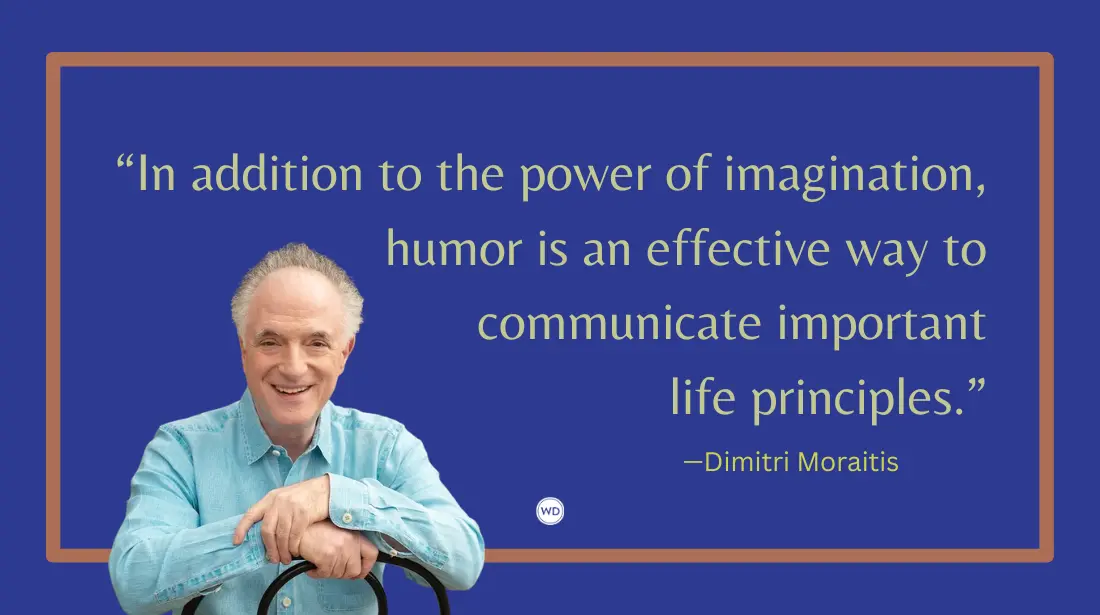
Enter Dimitri Moraitis, co-founder of the Spiritual Arts Institute and author of the newly released children’s book, Martin and the Light Beams of Amalius. Aimed primarily at readers aged 8 to 12—often heralded as the "golden age of reading"—Moraitis’s work serves as both a whimsical cosmic adventure and a profound psychological tool. The book harnesses the allegorical power of storytelling to help children process trauma, understand complex emotions, and cultivate inner resilience.
Far from a simple fantasy novel, Martin and the Light Beams of Amalius addresses a critical gap in contemporary youth development: the need for holistic mind-body-soul nourishment. By pairing imaginative literature with accessible meditative practices, such as color-based visualization, Moraitis provides a roadmap for parents, educators, and children striving to maintain emotional equilibrium in an increasingly demanding world. This comprehensive report explores the mechanisms of childhood imagination, breaks down the narrative journey of Martin, examines the neurological and psychological benefits of reflective meditation, and assesses the future outlook for mindful youth development.
Read Also
Detailed Chronology & Narrative Breakdown
The Genesis of a Cosmic Quest
The narrative of Martin and the Light Beams of Amalius is rooted in universal childhood vulnerabilities: domestic instability, emotional isolation, and the desperate yearning for escape. The protagonist, Martin, is a young astronomy enthusiast who finds solace in the stars and planets. At home, however, his reality is marred by constant parental conflict. Overwhelmed by the friction, Martin makes a fateful decision to run away.
Before he can execute his escape, a radiant, celestial entity named Amalius materializes in his bedroom. Offering an extraordinary proposition, Amalius transforms Martin into a beam of light, enabling him to soar across the cosmos. This fantastical departure shifts the story from domestic drama to interstellar allegory.
The Fall of Amalius and the Search for Purpose
As Martin journeys through the galaxy, he discovers that Amalius’s distant home planet—also named Amalius—is slipping into an abyss of darkness. The mystery behind this planetary decline mirrors human psychological pitfalls: the light beams of Amalius had become so infatuated with the physical world they were illuminating (experiencing oceans, valleys, mountains, and flowers) that they physically manifested as the planet’s inhabitants. In doing so, they suffered collective amnesia, forgetting their luminous origins and leaving the planet dark.
Tasked with helping Amalius awaken these dormant light beams, Martin embarks on a transformative quest. Along the way, he encounters a diverse cast of celestial figures who teach him invaluable life lessons:
- General Romain: A warrior general light beam who imparts lessons on courage.
- Diva and Rag-a-muffin: Glamorous and ornery light beams who teach love, compassion, and the multifaceted nature of relationships.
- Sir Dramacus: A renowned light beam who guides Martin in understanding creative expression.
Through these interactions, Martin learns that running away from terrestrial problems solves nothing. More importantly, he realizes that every entity in the universe has a distinct role to play. Abandoning that role breeds despair, whereas contributing to the collective good restores hope and direction.
The Return and Self-Realization
Upon successfully completing his mission, Martin confronts a profound realization: despite the wonders of the cosmos, he misses his terrestrial life. He recognizes that he cannot remain a light beam indefinitely; he still has an entire life to experience as a young boy.
Returning home, Martin discovers that he is fundamentally altered. The internal journey has permanently shifted his perspective. He realizes that the radiant light he sought across the galaxy was never truly absent—it was always residing quietly within him.
Supporting Context & Metrics: The Crisis of Imagination and the Rise of Mindfulness
The Eroding Capacity for Inner Visualization
In contemporary educational psychology, researchers have raised alarms regarding the displacement of traditional reading by passive digital media. When children read physical books or text-based stories without accompanying illustrations, their brains must actively construct the scenes, characters, and environments using "the mind’s eye." This cognitive act strengthens neural pathways responsible for concentration, abstract thinking, and intellectual stamina.
Conversely, continuous exposure to pre-rendered video and digital imagery acts as a cognitive shortcut, bypassing the brain’s generative faculties. As Moraitis notes, a healthy imagination directly fuels a healthy intellect. Without the exercise of independent visualization, children lose a vital mechanism for emotional self-regulation.
The Role of Reflective Meditation in Pediatric Psychology
As academic, social, and digital stressors mount, schools and families are increasingly integrating mindfulness and meditation into daily routines. Clinical observations and educational studies consistently demonstrate that structured "quiet time," yoga, and mindful breathing yield significant improvements in emotional regulation, focus, and stress reduction among students.
Moraitis advocates for a specific branch of contemplative practice known as reflective meditation. Unlike traditional meditation focused solely on clearing the mind, reflective meditation invites children to quiet their thoughts while actively envisioning uplifting, color-saturated scenes. This harnesses the brain’s innate capacity for imagery to soothe the nervous system.
Recommended Color-Based Visualizations for Families:
- For Fatigue (The Red Apple Meditation):
- Technique: When a child is depleted or tired, encourage them to close their eyes and vividly imagine biting into a crisp, luscious red apple. As they mentally taste the fruit, they visualize the vibrant red energy infusing their body with vitality and stamina.
- For Anxiety and Nervousness (The Purple Flower Field):
- Technique: For moments of acute nervousness, children can picture themselves running freely through an expansive, serene field of purple flowers, absorbing the deep peace and tranquility of the color.
- For Confidence Deficits (The Golden Waterfall):
- Technique: When facing self-doubt, children visualize themselves standing beneath a shimmering golden waterfall. The warm, radiant water instills feelings of unshakeable strength, capability, and courage.
- For Sadness and Emotional Distress (The Pink Heart Cascade):
- Technique: During bouts of sadness, children imagine gentle, valentine-pink hearts floating down from the sky, enveloping them in a warm, loving light that restores joy and emotional warmth.
Official Statements and Authorial Insights
Reflecting on the psychological frameworks underpinning Martin and the Light Beams of Amalius, Dimitri Moraitis emphasizes that children possess an innate emotional intelligence that must be actively nurtured rather than lectured to.
"Imagination can do far more than help children escape the challenges of the world," explains Moraitis. "It can help them understand their emotions, discover their courage, and find the strength to move forward when life feels overwhelming."
Addressing the delicate balance between entertainment and didacticism in children’s literature, Moraitis underscores the importance of engaging narrative structures over overt moralizing:
"Kids are not stupid. They know when they’re being lectured or talked down to. The whole point of storytelling is, through drama and narrative, you are engaging the reader in the experience of the story you are telling and weaving the points you are hoping to leave the readers with."
Drawing from his extensive background at the Spiritual Arts Institute—an educational nonprofit teaching meditation and spiritual principles to adults—Moraitis stresses that these foundational teachings are equally, if not more, critical for developing minds:
"Through the magic of imagination, children explore and transform, in the safety of imagination, feelings of fear, helplessness, and uncertainty into feelings of hope, empathy, and resilience… The greatest light is the one that lives within us."
Future Outlook: Nurturing Mind, Body, and Soul in Modern Youth Development
As society looks toward the future of education and child psychology, the integration of imaginative literature and mindfulness practices is poised to transition from an alternative approach to a core developmental necessity. The pressures placed on modern children—ranging from academic hyper-competition to digital saturation—demand proactive interventions that build psychological resilience.
Key Takeaways for Parents and Educators:
- Prioritize Narrative over Passive Media: Encourage reading habits that force children to construct mental imagery, thereby bolstering concentration and intellectual capacity.
- Validate Emotional Realities: Use allegorical storytelling to help children externalize fears, anxieties, and domestic stressors, turning them into manageable adventures of personal growth.
- Embrace Playful Mindfulness: Implement simple, color-based reflective meditations as accessible tools for emotional resetting during moments of fatigue, sadness, or anxiety.
- Foster Purpose: Help children identify their unique "inner light" and personal contributions, ensuring they understand that their presence and actions matter profoundly to the world around them.
Martin and the Light Beams of Amalius stands as a timely reminder that while the external world can often feel dark, overwhelming, or fractured, the ultimate source of clarity, courage, and healing rests quietly within the limitless expanse of the human imagination.





Comments
Facebook App ID not configured. Please add it in the Customizer.