The modern publishing ecosystem is undergoing a quiet, structural transformation. While legacy publishing houses continue to anchor the literary marketplace, the rise of independent authors and digital distribution platforms has fundamentally altered how literary rights revert, re-emerge, and find new life. When a publishing house closes its doors, authors are frequently left at a crossroads: abandon their backlist to the digital ether or take on the arduous, intricate mantle of self-publishing.
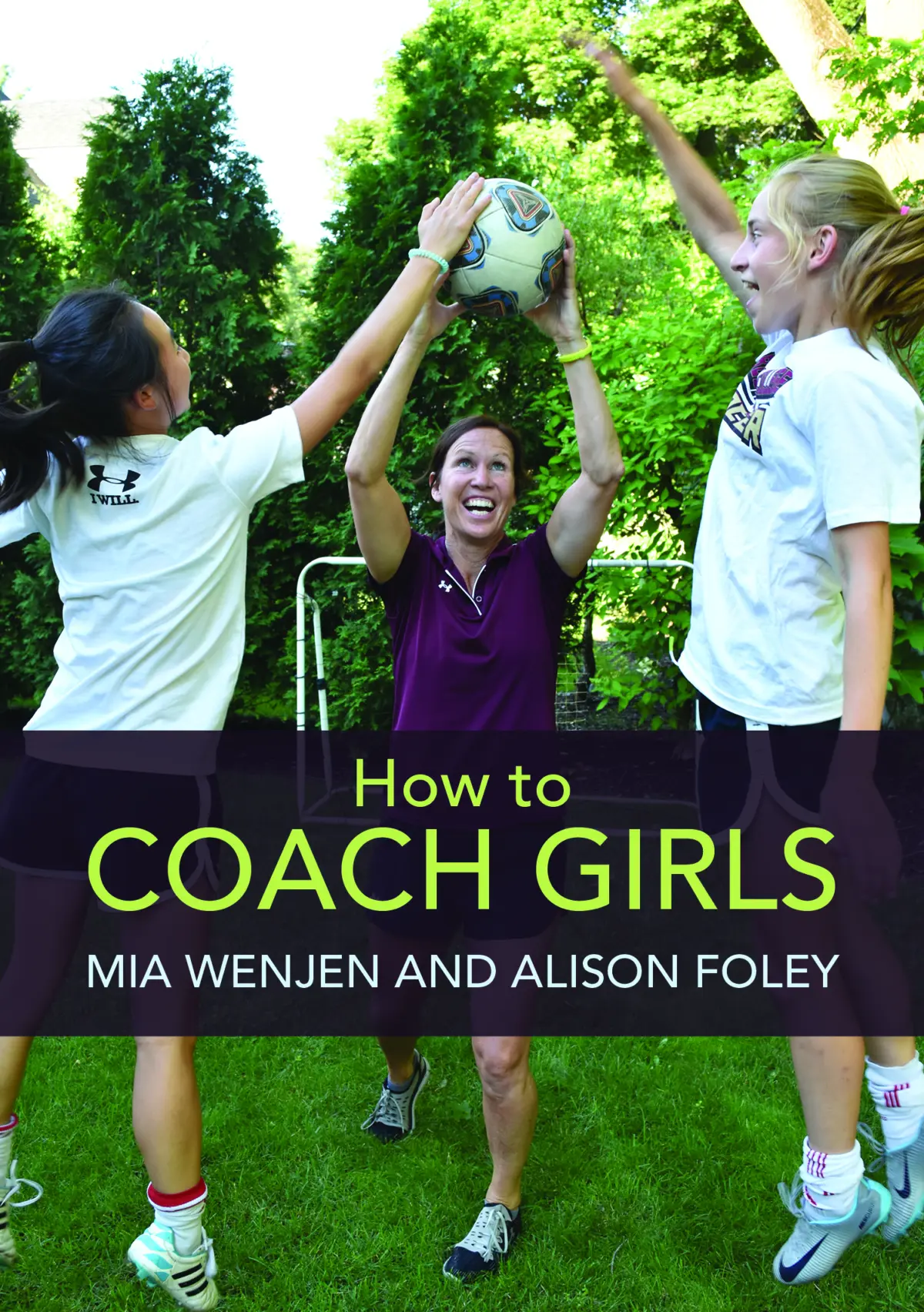
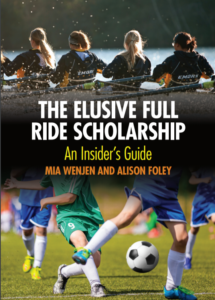
For author and youth sports advocate Mia Wenjen, the closure of her publisher, Audrey Press, presented precisely this dilemma. Following the sunset of Audrey Press, the rights to Wenjen’s sports-centric titles—How to Coach Girls and The Elusive Full Ride Scholarship: How to Play Sports in College—reverted directly to her. What began as a quiet administrative transition evolved into an intensive, multi-month masterclass in indie publishing logistics, exposing the hidden friction points of digital distribution platforms like Amazon’s Kindle Direct Publishing (KDP) and illuminating the viable, albeit slower, alternatives offered by competitors like IngramSpark.
This investigative report examines Wenjen’s journey to rescue her backlist from obscurity. By analyzing the technical hurdles of metadata updates, the strict formatting constraints of print-on-demand (POD) platforms, and the strategic pivot to hybrid distribution networks, this article provides a comprehensive blueprint for authors navigating post-publisher rights reversion in the 21st century.
Detailed Chronology: From Rights Reversion to the Indie Pipeline
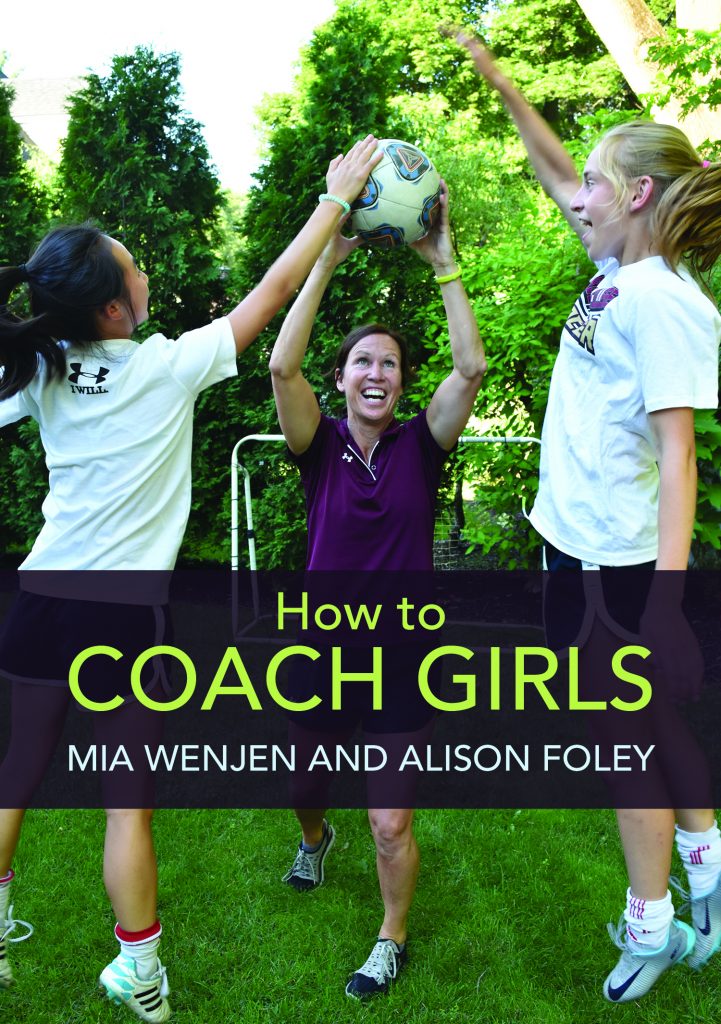
The journey of How to Coach Girls back to active distribution is a case study in resilience, technical troubleshooting, and reader-driven demand.
Phase 1: The Reversion and the Spark of Demand
When Audrey Press shuttered operations, authors holding contracts with the imprint experienced a standard rights reversion, legally reclaiming full ownership of their intellectual property. For Wenjen, this meant taking physical and digital custody of her inventory.
Initially, the transition was manageable. Wenjen maintained a modest stock of How to Coach Girls which she steadily sold directly through her personal website. However, her remaining inventory of The Elusive Full Ride Scholarship remained bulky, signaling that while direct-to-consumer sales were viable, a broader, scalable distribution channel was necessary for long-term viability.
Uncertain whether she possessed the technical bandwidth or capital to independently manage a full self-publishing rollout, Wenjen contemplated letting How to Coach Girls remain out of print. That trajectory shifted drastically upon the arrival of an unsolicited email from a reader named Jana:
"Can you tell me how I can get a copy of this book? I’ve looked everywhere I can think of and it’s nowhere to be found. All the reviews I’ve read say it’s the best book and I want to read it and gift it to one of my daughters’ head coaches who is starting her coaching career."
This singular piece of reader correspondence served as the catalyst for the book’s indie resurrection. Recognizing that a hungry market still valued the work, Wenjen elected to bring the title back to life.
Phase 2: Technical Rehabilitation and Design Roadblocks
Reviving a traditionally published book is rarely as simple as uploading a PDF. To re-issue How to Coach Girls as an independent publication, Wenjen partnered with Beam Studio, a digital design and production agency, to overhaul the book’s foundational metadata.
The primary administrative task involved replacing the original Audrey Press International Standard Book Number (ISBN) with a new, author-owned ISBN. However, during the asset review, the production team uncovered legacy branding elements embedded deep within the files:
The Audrey Press logo stamped prominently on the back cover.
Internal publishing credits and logos lingering on interior pages.
Scrubbing these legacy elements required meticulous graphic layout adjustments. Yet, these branding corrections were merely the prelude to a much larger technical battle with dominant self-publishing gatekeepers.
Phase 3: The Amazon KDP Obstacle Course
With clean interior and exterior files prepared, Wenjen attempted to list the title on Amazon Kindle Direct Publishing (KDP), the undisputed giant of print-on-demand infrastructure. What followed was a frustrating cycle of automated rejections.
KDP’s automated submission checkers repeatedly flagged the PDF proofs for the cover and interior pages, rejecting them outright. The root cause? The platform’s rigid intolerance for "bleeds"—design elements that extend past the edge of the page before trimming. Despite multiple formatting adjustments, layout tweaks, and troubleshooting sessions, KDP’s automated validation systems continuously barred the book from entry.
For many independent authors, an impasse with Amazon KDP spells the end of a project. However, Wenjen pivoted to alternative distribution channels.
Phase 4: The IngramSpark Pivot and Distribution Strategy
Remembering industry alternatives, Wenjen and her team turned to IngramSpark, KDP’s primary rival in the global print-on-demand distribution market. Crucially, IngramSpark functions as a wholesale aggregator, feeding print titles into vast global catalogs that also include Amazon’s retail ecosystem.
To Wenjen’s relief, IngramSpark’s pre-flight file validation process accepted the exact same PDF layouts that KDP had aggressively rejected. The hurdle was cleared, but it introduced a new logistical variable: time.
Because Amazon retains absolute control over its internal vendor onboarding and catalog ingestion timelines, titles routed through external wholesale partners like IngramSpark face extended latency periods. Wenjen estimated that it could take up to 30 calendar days for How to Coach Girls to physically populate on Amazon’s storefront via the IngramSpark feed.
To bridge this operational gap and service immediate reader demand—such as Jana’s request—Wenjen placed a direct bulk order of printed copies through IngramSpark to fulfill orders straight from her website, bypassing Amazon’s bureaucratic delays entirely.
Supporting Context & Metrics: The Mechanics of Modern Self-Publishing
To fully understand the weight of Wenjen’s undertaking, one must examine the broader mechanics of rights reversion, print-on-demand technology, and hybrid author entrepreneurship in the digital age.
The Rise of Rights Reversion
In traditional publishing contracts, a "out-of-print" clause typically dictates that when a book ceases to generate a specific revenue threshold or when a publisher ceases operations, the rights automatically revert to the author. Historically, reverted books vanished into literary obscurity. Today, digital platforms, Print-on-Demand (POD) technology, and direct-to-consumer e-commerce have created a thriving secondary market for backlist revivals. Authors are no longer at the mercy of physical warehousing costs; digital files sit dormant until an order triggers a single-copy print run.
Print-on-Demand (POD) Platforms Compared
Feature
Amazon KDP
IngramSpark
Market Share
Dominant direct retail reach.
Massive global wholesale network (libraries, indies, Amazon).
More flexible file ingestion, though layout standards remain high.
Approval Speed
Rapid (hours to a few days) when files pass automated checks.
Slower ingestion timelines; can take several weeks to sync with global retailers.
Global Distribution
Optimized primarily for Amazon ecosystems.
Reaches thousands of independent bookstores, libraries, and international markets.
Wenjen’s experience underscores a vital industry truth: relying on a single distribution monopoly creates systemic vulnerability. By utilizing IngramSpark as an upstream wholesaler, authors insulate themselves from platform-specific algorithmic rejections while maintaining a multi-channel footprint.
Official Statements & Industry Perspectives
While formal corporate statements from defunct entities like Audrey Press are rarely issued post-closure, independent publishing advocates and industry analysts frequently point to creators like Mia Wenjen as the vanguard of modern author autonomy.
Industry analysts note that the traditional gatekeeper model is increasingly misaligned with the fluid realities of niche nonfiction, such as coaching guides and collegiate athletic handbooks. When books fill hyper-specific educational needs—such as training female athletes or navigating athletic scholarships—their shelf-life outlasts the corporate lifespan of small independent presses.
In a reflection of this shift, Wenjen’s broader literary catalog spans an impressive array of diverse, award-winning titles that cross multiple genres, proving that an author’s resilience extends far beyond a single disrupted
Middle Grade & Nonfiction Highlights:
Barbed Wire Between Us (illustrated by Violeta Encarnación)
Postcards from Malcolm X: How Yuri Kochiyama Became a Civil Rights Activist (illustrated by Keith Henry Brown)
Fortune Cookies for Everyone! (Smithsonian) (illustrated by Colleen Kong-Savage)
The Traveling Taco: The Amazing and Surprising Journey of Many of Your Favorite Foods
We Sing from the Heart: How the Slants® Took Their Fight for Free Speech to the Supreme Court
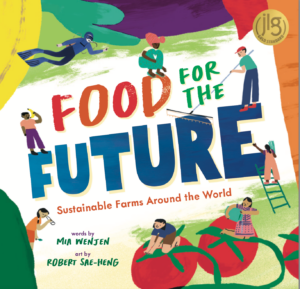
Food for the Future: Sustainable Farms Around the World (illustrated by Robert Sae-Heng)
Changing the Game: Asian Pacific American Female Athletes
By maintaining ownership over both her legacy sports guides and her contemporary traditionally published works, Wenjen exemplifies the modern hybrid author—fluidly navigating the worlds of traditional publishing houses and independent direct-to-consumer sales.
Future Outlook: The Resilient Backlist
The revival of How to Coach Girls signals a broader trend in the literary world: the democratization of backlist longevity. As digital tools become more sophisticated, the death of a publishing house no longer equates to the death of a book.
For authors facing similar publisher closures, Wenjen’s journey offers both a cautionary tale and an encouraging roadmap. The path requires patience, resilience against algorithmic bureaucracy (such as KDP’s bleed restrictions), and a willingness to diversify distribution vectors through wholesale partners like IngramSpark.
Most importantly, the narrative reinforces the enduring power of reader engagement. A single email from a dedicated reader inquiring about an unfindable book was enough to spark an entire operational relaunch. As How to Coach Girls makes its way back onto Amazon via IngramSpark’s global network—and remains readily available directly through author platforms—it proves that great instructional literature finds a way to survive, adapt, and inspire the next generation of coaches.










Comments
Facebook App ID not configured. Please add it in the Customizer.