
Executive Overview
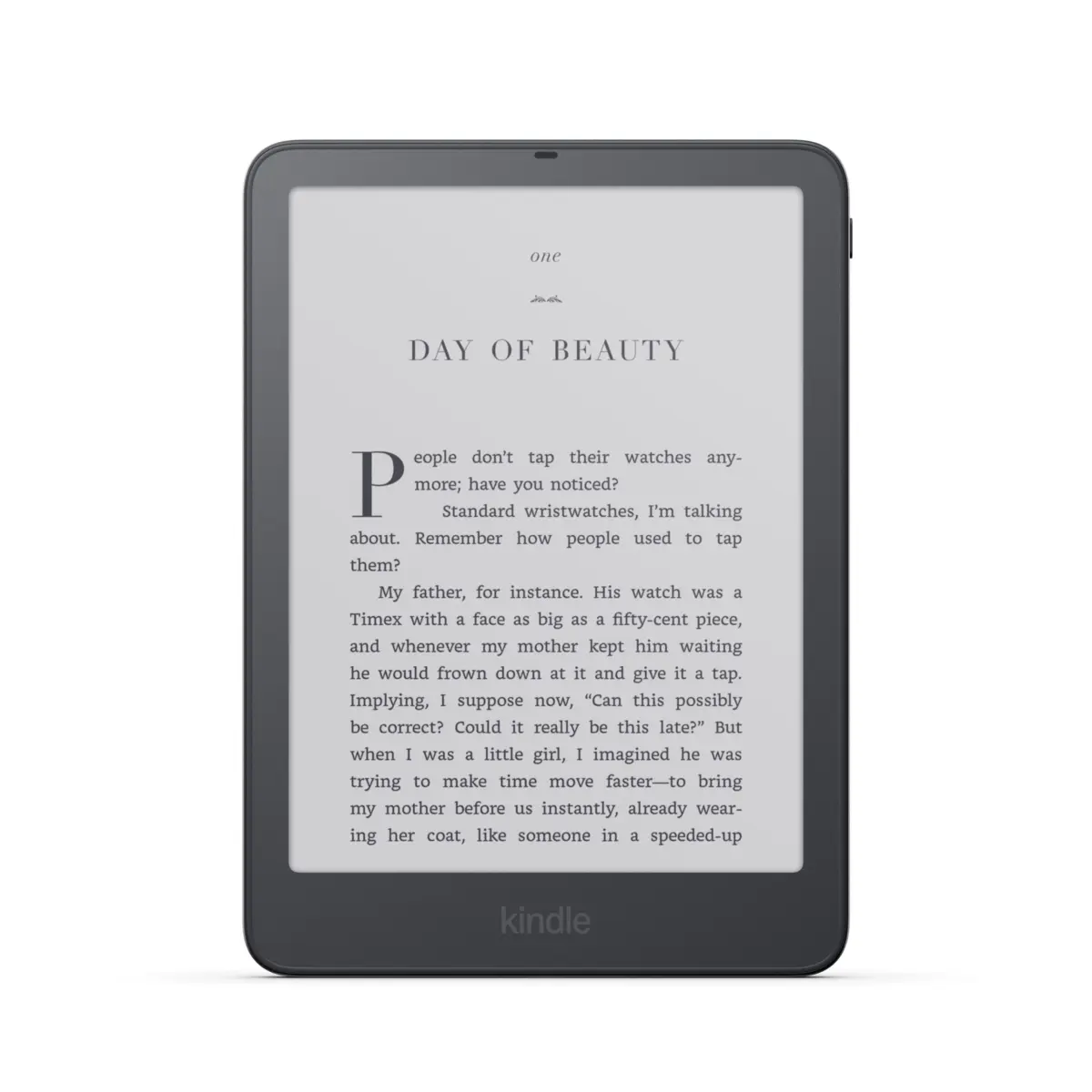
Amazon has officially shaken up the digital reading landscape with the announcement of its next-generation Kindle Paperwhite and Kindle Paperwhite Signature Edition e-readers. Designed to cater to the evolving demands of modern bibliophiles, this latest hardware refresh introduces a sleeker, more ergonomic profile without sacrificing durability or battery longevity.
At the forefront of these upgrades is a gorgeous new 7-inch flush-front display, powered by an advanced oxide-thin film transistor (TFT) backplane. This engineering choice yields the highest contrast ratio ever seen on a Paperwhite device, rendering profound blacks, razor-sharp typography, and vibrant image clarity that holds up just as well under harsh midday sunlight as it does during late-night reading sessions under the covers.
Beyond the display, Amazon has pushed the boundaries of portable power efficiency. The standard and signature units boast an astonishing 12-week battery life on a single charge—alleviating the common anxiety of frequent power tethering. While the base 16GB model offers exceptional value in a classic Graphite finish, the premium Signature Edition introduces a sophisticated aluminum rear housing, expansive 32GB storage, auto-adjusting front lighting, pogo-pin dock charging, and intuitive double-tap page-turning capabilities.
Read Also
Set to hit shelves on October 28, 2026, with pre-orders opening immediately, these new devices signal Amazon’s continued dominance and ongoing innovation in the dedicated e-reader market. This report provides a deep-dive analysis of the hardware specifications, market positioning, technological breakthroughs, and future implications of Amazon’s newest flagship reading devices.
Detailed Chronology: The Evolution of the Paperwhite Line
To fully appreciate the significance of the 2026 Kindle Paperwhite release, it is essential to trace the historical trajectory of Amazon’s most successful e-reader brand.
The Genesis of Paperwhite Technology
When Amazon introduced the original Kindle Paperwhite in 2012, it revolutionized the e-reading experience. Before the Paperwhite, users largely relied on bulky clip-on reading lights or devices with uneven edge-lighting systems. The introduction of a front-lit display—where light was directed downward across the surface of the electronic paper rather than shining into the reader’s eyes—changed everything. It allowed for comfortable, glare-free reading in total darkness and bright daylight alike.
Over the subsequent decade, iterative updates incrementally improved pixel density (climbing to an industry-standard 300 pixels per inch), introduced waterproofing to protect against accidental spills or poolside drops, and integrated adjustable warm lighting to reduce blue-light exposure during evening reading routines.

The 2024–2025 Intermediary Phase
In the years leading up to the 2026 announcement, consumer expectations shifted toward faster page-turn speeds, thinner bezels, and more premium materials. While previous iterations satisfied millions of users globally, the race toward reducing device thickness while expanding screen real estate became paramount. Competitors in the E Ink ecosystem began experimenting with larger displays and colored electronic paper, pressuring market leaders to refine monochrome efficiency and tactile design.
The 2026 Breakthrough: Thinner, Lighter, and Smarter
The announcement on September 30, 2026, marks a major milestone in this timeline. By moving to a 7-inch screen size—a step up from the traditional 6.8-inch and 6-inch models of the past—while simultaneously slimming down the physical chassis, Amazon has achieved a delicate balance between expansive viewing space and effortless portability.
The inclusion of an oxide-TFT backplane solves long-standing trade-offs between screen responsiveness and battery preservation. Furthermore, the introduction of a metal-backed enclosure for the Signature Edition elevates the Kindle from a mere consumer electronics gadget into a premium, luxury consumer good. Pre-orders kick off a wave of anticipation leading up to the official global release date of October 28, 2026.
Supporting Context & Technical Metrics
The technical architecture underpinning the 2026 Kindle Paperwhite lineup reflects years of research and development in E Ink and semiconductor manufacturing. Below is an analytical breakdown of the core hardware metrics, display technologies, and functional capabilities that define these new models.
Display Architecture and the Oxide-TFT Backplane
The crowning achievement of the new Kindle Paperwhite series is its display technology. Moving beyond standard amorphous silicon backplanes, Amazon has implemented an oxide-thin film transistor (TFT) backplane.
- Higher Electron Mobility: Oxide semiconductors allow electrons to move significantly faster than traditional silicon. This translates directly into quicker page refreshes, reduced ghosting artifacts, and smoother navigational UI interactions.
- Optimized Contrast Ratio: The combination of the oxide-TFT backplane and precision particle alignment results in the deepest blacks ever achieved on a Paperwhite device. Text appears stark, ink-like, and remarkably crisp, minimizing eye strain over extended reading marathons.
- Expanded Real Estate: The jump to a 7-inch flush-front display gives readers roughly 10% more viewing area than older base models, allowing for larger font sizes without sacrificing an unreasonable amount of text per page.
Power Management and the 12-Week Battery Milestone
Battery anxiety is a persistent friction point in modern mobile technology. While smartphones and tablets demand daily recharging, dedicated e-readers have historically set a much higher bar, often measuring endurance in weeks rather than hours.
Amazon’s engineering team has pushed the envelope further by unlocking up to 12 weeks of battery life on a single charge. This longevity is achieved through a multi-pronged approach:
- Pristine Power Efficiency: E Ink panels only consume electrical current when the image on the screen is actually changing. The oxide-TFT backplane minimizes baseline parasitic power draw during static reading states.
- Advanced Battery Chemistry: Higher-density lithium-ion cells packed into a thinner profile ensure that milliamp-hour (mAh) capacity is maximized despite the trimmer chassis.
- Smart Backlight Regulation: On the Signature Edition, the auto-adjusting front light continuously samples ambient light conditions, using only the exact lumen output required for comfortable viewing, thus conserving precious battery reserves.
Comprehensive Comparison Matrix
| Feature / Specification | Kindle Paperwhite (Standard, 2026) | Kindle Paperwhite Signature Edition (2026) |
|---|---|---|
| Display Size | 7-inch flush-front | 7-inch flush-front |
| Display Tech | Oxide-TFT E Ink with high contrast | Oxide-TFT E Ink with high contrast |
| Storage Capacity | 16GB | 32GB |
| Rear Housing Material | Reinforced polymer (Thinner & lighter) | Premium Aluminum rear housing |
| Lighting System | Adjustable warm light | Auto-adjusting front light + adjustable warm light |
| Charging Options | USB-C Fast Charging | USB-C & Dock charging via dedicated pogo pins |
| Page-Turn Enhancements | Standard touch & swipe | Double-tap to turn pages + standard touch |
| Ad-Support Options | Standard ad-supported pricing / Ad-free available | Ad-free reading standard |
| Color Options | Graphite | Graphite, Seaglass Green |
| Base Price | $199.99 USD | $249.99 USD |
| Release Date | October 28, 2026 | October 28, 2026 |
Official Statements and Industry Reception
While official corporate press releases emphasize the consumer-facing benefits of the new hardware—such as seamless reading experiences and enhanced portability—industry analysts and tech journalists have been quick to dissect the broader market implications of Amazon’s strategy.
Amazon’s Product Philosophy
In official promotional materials accompanying the launch, Amazon representatives highlighted the company’s ongoing commitment to removing technological barriers between the reader and the story.
"Our goal with every Kindle generation is to make the device disappear entirely, leaving only the immersive world of the book," notes product development documentation for the 2026 release. "By engineering a thinner, lighter chassis, incorporating an ultra-crisp oxide-TFT display, and extending battery life to a staggering 12 weeks, we are giving readers the ultimate reading companion that adapts effortlessly to their lives—whether they are commuting on a packed train, relaxing at the beach, or reading under the covers at midnight."
Analyst and Critic Perspectives
Early reviews and industry commentary from prominent tech publications and veteran reviewers—such as Michael Kozlowski of Good e-Reader—have underscored the notable hardware upgrades found specifically in the Signature Edition:
- The Aluminum Shift: The transition to an aluminum rear housing on the Signature Edition has been widely praised. Reviewers note that it addresses long-standing critiques that plastic e-readers can sometimes feel fragile or utilitarian compared to modern smartphones and tablets. The metal backing imparts a cool-to-the-touch, luxury feel that justifies the $249.99 price tier.
- Ergonomics and Navigation: The introduction of double-tap page turning on the Signature Edition bridges the gap between touch-only navigation and the physical page-turn buttons found on premium devices like the Kindle Oasis. This subtle software-hardware synergy allows for one-handed reading with minimal thumb movement.
- Storage and Ecosystem Lock-In: With 32GB of storage standard on the Signature Edition, users now have more than enough local capacity to store thousands of unabridged audiobooks via Audible alongside extensive comic book, manga, and text libraries. This cements Amazon’s ecosystem lock-in, positioning the Kindle not just as a book reader, but as an all-in-one media hub for text and spoken-word audio.
Future Outlook: The Trajectory of Dedicated Reading Devices
As the consumer electronics market continues to be dominated by multi-purpose OLED tablets and foldable devices, the enduring popularity of dedicated E Ink readers like the Kindle Paperwhite speaks volumes about human ergonomics and reading psychology. Looking ahead beyond the October 2026 launch, several key trends are likely to shape the future of the industry.
The War Against Eye Strain and Digital Fatigue
In an era defined by constant notifications, flickering high-refresh-rate smartphone screens, and blue-light exposure, consumers are increasingly seeking "digital detox" tools. E Ink technology offers a biologically friendly alternative, mimicking reflected ambient light rather than bombarding retinas with direct photon emission.
The advancements seen in the 2026 Paperwhite—particularly its ultra-high contrast ratio and refined warm lighting—reinforce the e-reader’s role as a sanctuary of calm. As wellness trends prioritize mental health and sleep hygiene, the demand for dedicated, distraction-free reading hardware is projected to grow steadily across demographic lines.

Color E Ink on the Horizon?
While the 2026 Kindle Paperwhite and Signature Edition proudly stick to a refined monochrome E Ink palette, the broader e-reader ecosystem is rapidly exploring color electronic paper technologies (such as Kaleido and Gallery panels).
Industry watchers speculate whether future iterations of Amazon’s flagship lines will eventually incorporate color capabilities for book covers, children’s literature, and graphic novels without sacrificing the stark, high-contrast black-and-white performance required for traditional novel reading. For now, however, Amazon’s decision to double down on a superior monochrome oxide-TFT display indicates that maximizing text clarity and battery efficiency remains the absolute priority for the Paperwhite series.
Pricing, Availability, and Market Impact
Scheduled to hit store shelves on October 28, 2026, with pre-orders live immediately, the new lineup occupies a well-defined tiered pricing structure:
- Kindle Paperwhite (16GB, Graphite): Starts at $199.99, striking an accessible balance for mainstream readers looking for core upgrades.
- Kindle Paperwhite Signature Edition (32GB, Graphite & Seaglass Green): Retails at $249.99, targeting power users, audiobook enthusiasts, and those desiring premium metal construction and wireless dock charging.
These price points position the devices competitively against rival offerings from Kobo, Boox, and PocketBook. By maintaining robust hardware quality, aggressive ecosystem integration, and unmatched battery endurance, Amazon is well-positioned to maintain its commanding market share in the digital publishing hardware space for years to come.
Conclusion
The announcement of the next-generation Kindle Paperwhite and Paperwhite Signature Edition marks an exciting chapter in the evolution of portable reading technology. By successfully marrying a larger 7-inch high-contrast oxide-TFT display with an impressively slim profile, waterproof durability, and a phenomenal 12-week battery life, Amazon has set a new benchmark for what consumers should expect from a dedicated e-reader.
Whether opting for the streamlined, value-driven 16GB Graphite base model or indulging in the luxurious aluminum build, 32GB storage capacity, auto-adjusting lighting, and pogo-pin dock charging of the Signature Edition, readers are being offered the most refined digital reading experience to date. As pre-orders open and the October 28 release date approaches, the digital reading community has ample reason to celebrate this latest leap forward in hardware craftsmanship.



Comments
Facebook App ID not configured. Please add it in the Customizer.