
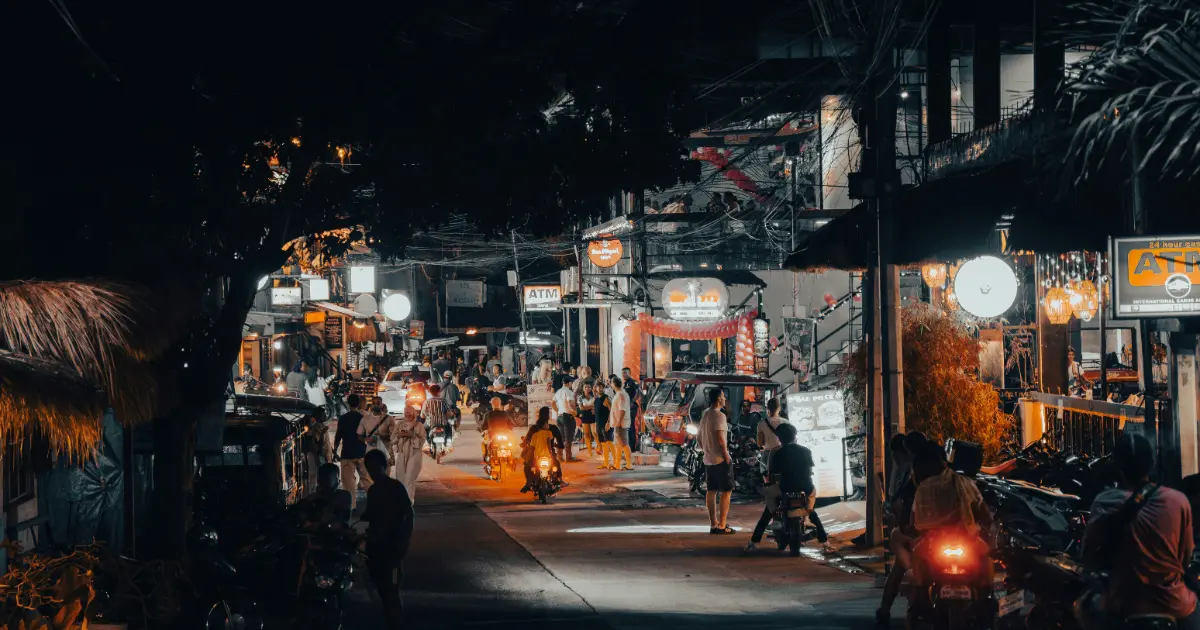
Spoken by more than thirty million people across the Philippine archipelago and its expansive global diaspora, Cebuano-Visayan—broadly recognized as Bisayan or Binisayâ—stands as a vibrant pillar of linguistic and cultural identity. Yet, despite boasting a rich literary history spanning over a century, Bisayan-language publishing continually trails behind national and colonial counterparts like Filipino and English. Writers navigating this landscape face a stark shortage of domestic submission platforms and institutional backing. Within this challenging publishing ecosystem, Queer Bisayan fiction emerges as a vitally provisional, fiercely resilient category of Philippine literature.
While celebrated selectively on international platforms such as Words Without Borders, contemporary Queer Bisayan writing is currently experiencing a renaissance, driven by grassroots editorial activism, subversive translation practices, and an unyielding commitment to local visibility. This cultural awakening unfolds against a turbulent sociopolitical backdrop in the Philippines. LGBTQIA+ individuals face systemic precarity, marked by the indefinite stalling of the SOGIE (Sexual Orientation, Gender Identity, and Expression) Equality Bill, alarming surges in transfemicide, and compounding ecological crises driven by heavy-handed industrial acceleration.
This deep-dive journalistic feature explores the evolution of Queer Bisayan literature—highlighting milestone anthologies, pivotal short fiction by contemporary authors, the decolonial mechanics of translation (húbad), and the broader socio-political struggles that render these literary acts matters of profound cultural survival.
Read Also
Detailed Chronology: Milestones in Queer Bisayan Literature
The trajectory of Queer Bisayan literature is defined by deliberate acts of reclamation, structural defiance, and cross-pollination between local dialects and global idioms. The following chronology outlines the pivotal moments that transformed an underrepresented regional subgenre into a thriving, self-sustaining literary movement.
Pre-2018: The Margins of Regional Publication
For decades, Bisayan literature survived primarily through regional periodicals, independent chapbooks, and oral traditions. While queer themes existed in the cultural ether, they were frequently coded, sidelined, or outright suppressed by prevailing heteronormative and conservative Catholic mores. Writers wishing to explore queer desire or intersectional struggles often had to write in English or Tagalog to secure publication in Manila-centric literary journals, inadvertently disconnecting their narratives from the nuanced texture of everyday life in the Visayas and Mindanao.
2018: The Landmark Libulan Anthology
A seismic shift occurred in 2018 with the publication of Libulan: Binisayang Antolohiya sa Katitikang Queer (Libulan: Anthology of Queer Binisayâ Literature), co-edited by Alton Melvar Dapanas and R. Joseph Dazo.
- Etymological and Cultural Reclamation: The editors deliberately invoked Libulan, the ancient lunar Visayan deity of the night sky and an avatar of local pre-colonial queer expression, to anchor the anthology in indigenous cosmology.
- The Subversive Method of Translation: Confronting the historical weaponization of translation—which Spanish colonizers initially used to codify local dialects and enforce religious conversion—the editors weaponized translation in reverse. They reclaimed English-language queer texts by translating them into Binisayâ, while simultaneously publishing works originally written in regional tongues. This multilingual fluidity mirrored the natural linguistic habits of contemporary Visayan youth and intellectuals.
2021: Institutional Recognition and Multilingual Outreach
The literary ecosystem expanded further in 2021 when Katitikan: Literary Journal of the Philippine South dedicated a groundbreaking multilingual issue to queer writing. This platform provided critical peer-reviewed visibility, validating the aesthetic and thematic rigor of southern Philippine literature. It was within this broader renaissance that contemporary voices like Ava Arnejo began reaching wider readerships, capturing the neon-lit melancholy and desperate survival dynamics of urban centers like Cebu.
2024: Libulan II and the Expansion of the Canon
Building upon the foundational success of its predecessor, Libulan II debuted in 2024. Co-edited by R. Joseph Dazo and Jessrel E. Gilbuena, this expansive sequel gathered over forty works spanning poetry, short fiction, essays, and plays. Libulan II cemented the permanence of katitikang queer, proving that the movement was not a fleeting publishing experiment, but a permanent, compounding body of work demanding global and national recognition.
Supporting Context & Metrics: The Anatomy of Queer Bisayan Fiction
To fully appreciate the weight of these anthologies, one must examine the thematic architecture of the stories themselves. Across the works gathered in Libulan and associated regional journals, "queerness" expands far beyond urban identity politics. It manifests as sudden quiet alliances, generational reconciliations, and nascent desires blossoming amidst institutional decay.
Thematic Analysis of Core Narratives
- Paternal Reconciliation and Grief: In "Paingon, Pauli" (On the Way, Coming Back) by Davao City writer Reil Benedict Obinque—first published in Dagmay—a truck driver transports a young man to his high school graduation. The journey serves as a poignant proxy for the driver’s own deceased son, who never reached adulthood. Moving away from traditional tropes of paternal alienation, Obinque’s narrative offers a fierce, defiant paradigm of parental support for queer youth.
- Urban Noir and Precarious Survival: Ava Arnejo’s "Ang Kataposang Anghel sa Langit" (The Last Angel in Heaven) paints a moody, noir-infused portrait of urban Cebu. Following Lia and Cielo—two young women navigating the ruthless underbelly of city life—Arnejo transforms an accidental encounter into a moment of rare, life-saving serendipity. The story exposes the systemic desperation young women and queer individuals are forced to endure in metropolitan environments.
- Innocence and Eruptive Desire: Collected in R. Joseph Dazo’s Ubang Gabii sa Mango Avenue, the short story "Red Devil" initially reads as a nostalgic coming-of-age tale involving young boys collecting endemic spiders and hatchlings "dyed in different colors." This innocent local texture is abruptly fractured by the arrival of a charismatic young man whose physical presence ignites a long-smoldering, transformative desire.
Linguistic Mechanics: The Power of Húbad
Translation in this literary ecosystem is not a neutral act of mechanical substitution; it is an intimate, decolonial art form. In Bisayan, the word húbad means both "translating" and "translation," but its root connotations invoke the untying of a tight knot or the disentangling of a complex loop.
Renowned poet shane carreon exemplified this process when translating Ava Arnejo’s prose into English. Rather than smoothing away the cultural markers to fit standard Anglo-American idioms, Carreon deliberately left the seams visible. Phrases retain a distinctly Bisayan cadence—such as a character’s mind being "now tied up and pulled toward sleep," or the visceral sensation of "heat [creeping] up the back of [her] neck and ears as though she’s been caught sinning." Translating works by Obinque and Dazo required delicate structural calibrations: measuring memory against grief, decoding socially coded morning conversations, and capturing the fragile peril where innocence collides with sudden fascination.
Official Statements and Perspectives
The movement behind Queer Bisayan literature is underscored by commentary from editors, translators, and literary critics who view their work as inseparable from civil rights and anti-colonial resistance.
- On Subverting Colonial Legacies: Editors of the Libulan anthologies have repeatedly emphasized that bringing queer texts into Binisayâ is an act of epistemic justice. By bypassing the traditional Manila-centric publishing gatekeepers, these writers assert that regional languages are fully equipped to articulate complex, modern queer theories and human emotions.
- On the Necessity of Visibility: Contributors to Katitikan and Words Without Borders argue that regional literary spaces are frontline defenses against erasure. In statements accompanying recent translation features, curators note that publishing queer narratives in local dialects directly challenges the state-sanctioned sanitization of Philippine culture.
- On the Interconnection of Art and Survival: Activists and cultural workers within the Visayan diaspora maintain that art cannot be divorced from material realities. The push for literary representation runs parallel to grassroots demands for bodily autonomy, labor rights, and ecological preservation across the islands.
Future Outlook: Precarity, Resistance, and Resilience
The future of Queer Bisayan literature remains fiercely bright artistically, yet profoundly imperiled socially and politically. The lived realities of queer and trans individuals in the Philippines continue to be shaped by acute structural vulnerabilities.
The Legislative and Human Rights Crisis
Despite decades of passionate advocacy by civil society organizations, systemic justice remains frustratingly elusive:
- The Stalled SOGIE Bill: The Sexual Orientation, Gender Identity, and Expression Equality Bill has languished in the Philippine Congress for decades, repeatedly blocked by conservative coalitions and institutional opponents.
- Transfemicide and Violence: According to comprehensive tracking by the Society of Trans Women of the Philippines (STRAP), transfemicide has risen at an alarming rate. The legal vacuum leaves trans women disproportionately exposed to unpunished violence, harassment, and societal discrimination.
Ecological and Economic Extraction
The struggles depicted in Queer Bisayan fiction—marked by economic destitution, cramped living quarters, and sudden urban displacement—mirror the broader systemic inequalities plaguing the Philippine South:
- Climate Vulnerability: Visayan communities bear the brunt of annual typhoons, flooding, and ecological degradation exacerbated by poorly regulated, anomalous government infrastructure projects.
- Neocolonial Extraction: Large-scale corporate developments, such as sweeping industrial and investment acceleration hubs spanning thousands of acres, threaten to extract native mineral wealth and deplete precious water resources—ironically, often to power energy-intensive modern technologies like Artificial Intelligence.
- Digital Repression: While online spaces offer vital communication avenues for marginalized diasporic and regional communities, they are simultaneously weaponized by state-aligned actors and despotic movements to spread disinformation, harass activists, and erode hard-won civil liberties.
Conclusion: Writing Toward Tomorrow
To exist as a queer or trans individual in the Philippines today is to engage in daily, multi-layered resistance against insidious neocolonial and patriarchal measures. It is precisely within this crucible of ongoing struggle that the translators, editors, and writers of the Bisayan diaspora continue their labor. Through anthologies like Libulan and Libulan II, and through the meticulous, knot-untying art of húbad, these storytellers ensure that queer lives are not merely documented, but permanently etched into the cultural heartbeat of the nation—testifying to an unquenchable human spirit that, despite all forms of systemic precarity, refuses to stop moving forward.
Copyright © 2026 by John Bengan. All rights reserved.



Comments
Facebook App ID not configured. Please add it in the Customizer.