In the heart of Kauai’s sun-drenched southern coast lies a cultural and geological treasure that bridges ancient Hawaiian heritage with modern environmental consciousness: the Hanapepe Salt Pond. While originally visiting the location simply to capture visual documentation for upcoming projects, author and researcher Mia Wenjen experienced a fortuitous cultural exchange. Meeting local salt makers Wade Ishikawa and his friend Will provided a rare, first-person masterclass in traditional Hawaiian salt harvesting—a practice deeply rooted in indigenous stewardship, ancestral knowledge, and profound respect for the natural elements.
This accidental meeting not only corrected minor technical gaps in Wenjen’s ongoing research for her acclaimed children’s literature, including Food for the Future: Sustainable Farms Around the World, but it also highlighted the fragility and enduring resilience of native Hawaiian traditions. Operating strictly during the dry summer months, the Hanapepe Salt Pond serves as a living museum and an active agricultural site where generational knowledge is passed down through hands-on practice. This report explores the mechanics of Hawaiian salt making, the cultural significance of the Hanapepe flats, the intersection of indigenous practices with modern sustainability education, and the broader literary ecosystem championed by authors striving to preserve these narratives for future generations.
Detailed Chronology
The Accidental Discovery at Hanapepe
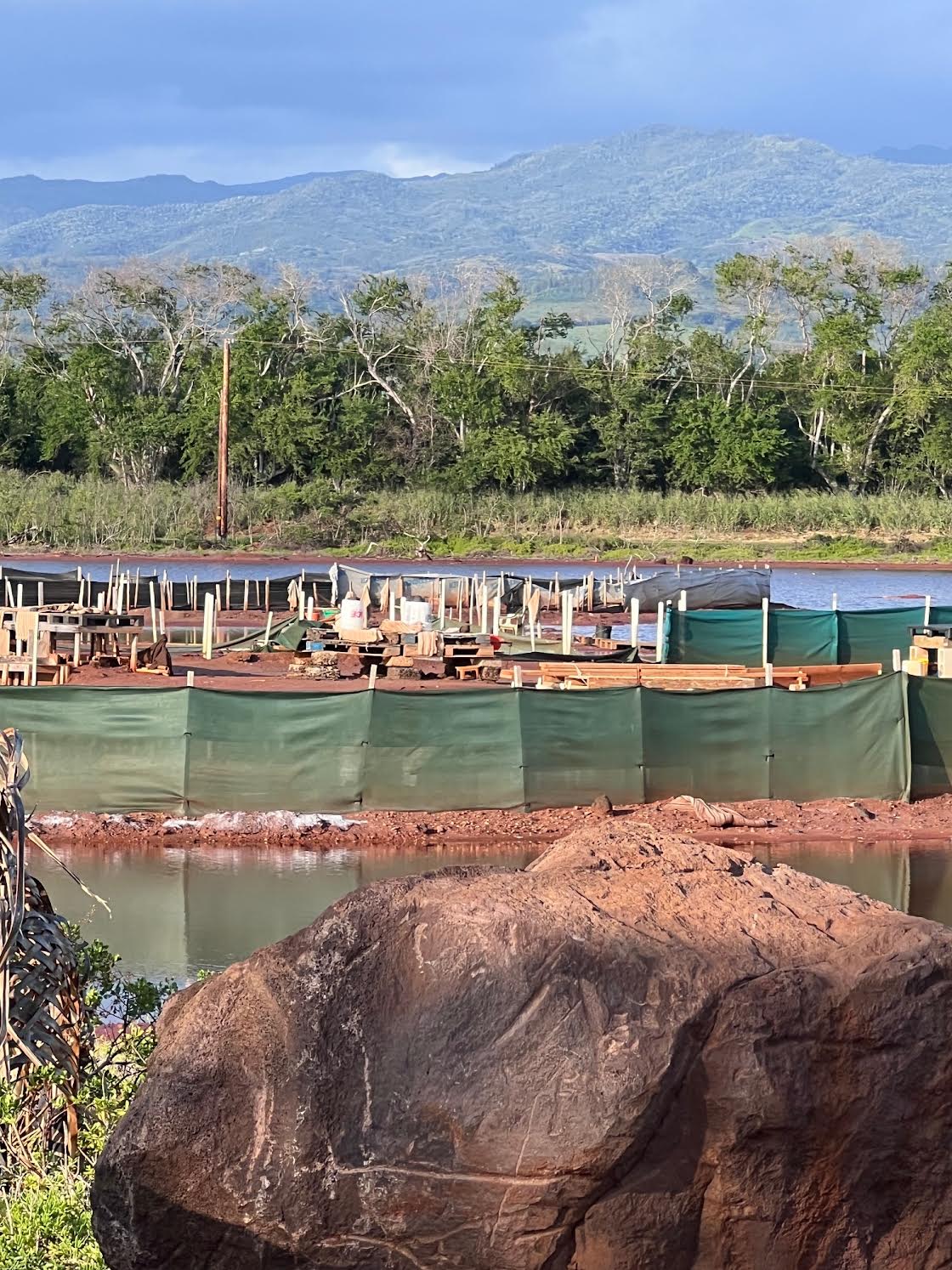
The encounter at Hanapepe was defined by serendipity. Wenjen arrived at the salt pond with standard photographic objectives, hoping to secure clear visuals of the clay-lined evaporation pans and the surrounding coastal landscape. However, arriving without prior appointment meant she was initially unaware of the seasonal parameters governing the site. Unlike industrial salt operations that run continuously year-round, the traditional harvesting of pa‘akai (Hawaiian sea salt) at Hanapepe is strictly bound to the seasonal rhythms of Kaua‘i’s summer months, when high temperatures and minimal rainfall create optimal evaporation conditions.
Upon encountering Wade Ishikawa and his companion Will at the site, the nature of the visit shifted from passive observation to active, immersive education. Rather than viewing a restricted or guarded area, Wenjen was welcomed with the quintessential aloha spirit.
The Harvesting Process: Ishikawa detailed the intricate steps required to produce authentic Hawaiian red salt (ʻalaea salt) and white sea salt. He explained how ocean water is channeled into shallow clay-lined ponds (wai puna), where natural solar evaporation concentrates the brine.
Refining the Research: Wenjen’s prior academic and literary research for Food for the Future had captured the broad strokes of sustainable agriculture and aquaculture, but Ishikawa’s localized expertise clarified fine points regarding the maintenance of the clay beds, the precise timing of crystal raking, and the integration of mineral-rich red volcanic clay (ʻalaea).
The Gift of Pa‘akai: Demonstrating profound generosity, Ishikawa gifted Wenjen a sample of the precious, locally harvested salt—a tangible artifact of Kaua‘i’s living history and a physical validation of their conversation.
Supporting Context & Metrics
The Significance of Pa‘akai in Hawaiian Culture
In ancient Hawaiian society, salt (pa‘akai, literally meaning "sea water hardener") was far more than a mere culinary seasoning. It held profound spiritual, medicinal, and economic value:
Sacred and Medicinal Uses:Pa‘akai was used in sacred blessing and purification ceremonies (‘ana‘ana and hi‘uwai), as well as in traditional healing practices for nasal congestion, wounds, and food preservation.
Generational Stewardship: The Hanapepe salt ponds are among the last remaining locations in Hawaii where families hold generational rights to harvest salt using traditional methods. These families protect the integrity of the site, ensuring that commercialization does not erode its cultural soul.
The Literary Connection: Food for the Future and Beyond
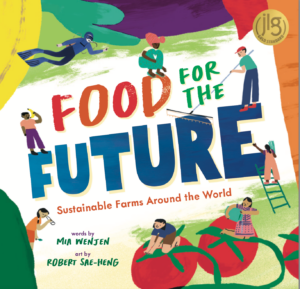
The encounter at Hanapepe directly informs the ethos of Mia Wenjen’s literary portfolio, particularly Food for the Future: Sustainable Farms Around the World (illustrated by Robert Sae-Heng and published by Barefoot Books). The book highlights agricultural innovations, indigenous farming techniques, and sustainable food production systems from across the globe. By embedding traditional practices—such as Hawaiian salt making—into children’s literature, authors bridge the gap between ancient wisdom and contemporary ecological education.
Wenjen’s broader catalog reflects a deep commitment to diverse storytelling, cultural heritage, and social justice. Key titles include:
Barbed Wire Between Us (illustrated by Violeta Encarnación): An exploration of historical resilience and human connection.
Fortune Cookies for Everyone! (Smithsonian) (illustrated by Colleen Kong-Savage): Uncovering the surprising cultural origins of a beloved everyday treat.
The Traveling Taco: Tracing the diverse, cross-cultural roots of children’s favorite foods.
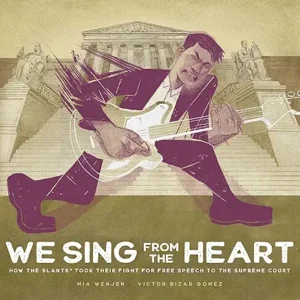
We Sing from the Heart: How the Slants® Took Their Fight for Free Speech to the Supreme Court: Documenting a landmark legal battle for civil liberties and identity.
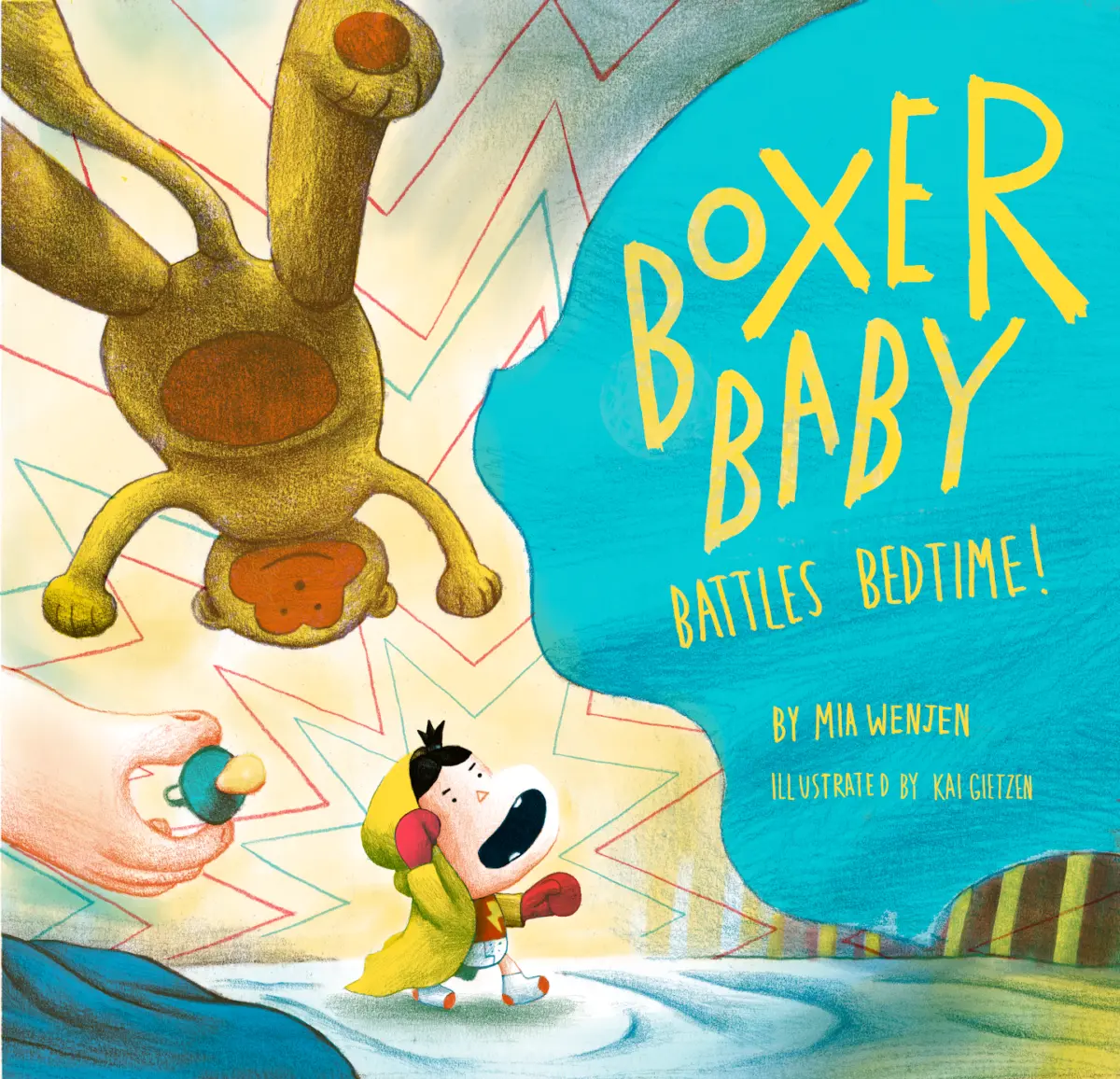
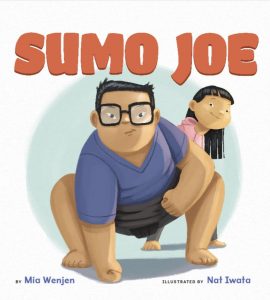
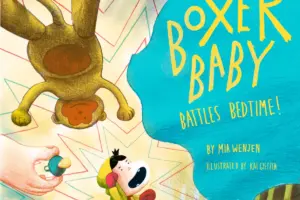
Boxer Baby Battles Bedtime! and Sumo Joe: Engaging stories celebrating family dynamics and youthful energy.
Changing the Game: Asian Pacific American Female Athletes: Spotlighting trailblazing women in sports.
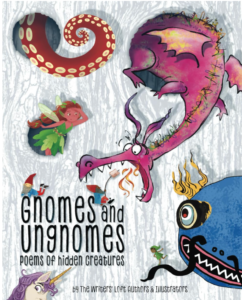
Gnomes and Ungnomes: Poems of Hidden Creatures: A whimsical journey into imaginative poetry.
Informational guides such as The Elusive Full Ride Scholarship: An Insider’s Guide and How to Coach Girls (co-authored with Alison Foley).
Official Statements & Community Perspectives
While formal corporate or governmental statements are rarely issued for small-scale, generational cultural practices like those at Hanapepe, the community consensus surrounding the site emphasizes preservation, respect, and education.
"The aloha spirit is not merely a greeting; it is an active sharing of space, history, and survival. When elders and practitioners like Wade Ishikawa take the time to educate visitors, they are safeguarding their ancestors’ legacy against the tides of modern oblivion." — Cultural Preservation Advocates in Kauai
Educational institutions and literacy advocates have similarly praised works that document indigenous sustainability. Educators utilizing Food for the Future note that children respond powerfully to real-world examples of people working in harmony with nature, whether through rooftop farming in urban centers or solar salt evaporation in Hanapepe.
Future Outlook
The long-term viability of traditional salt making at Hanapepe faces both environmental and social challenges. Climate change, rising sea levels, and shifting weather patterns threaten the delicate balance of coastal evaporation ponds. Furthermore, balancing public tourism with the privacy and rights of generational salt-making families requires ongoing community vigilance.
However, the outlook remains hopeful due to increased documentation and educational outreach. Through digital media, on-site interviews, and children’s literature, the practices of practitioners like Wade Ishikawa are preserved for global audiences. As readers continue to engage with sustainable food systems through books like Food for the Future, the legacy of Hanapepe’s salt makers will endure, inspiring new generations to respect the earth, honor indigenous knowledge, and practice the true spirit of aloha.






Comments
Facebook App ID not configured. Please add it in the Customizer.