As youth spend an unprecedented four to six hours online every single day, the digital landscape has transformed into an unfiltered, hyper-accelerated marketplace of ideas. Within this dynamic ecosystem, young minds are routinely inundated with an endless stream of information, entertainment, and commercial content. However, recent studies and educational reports—including landmark insights from the School Library Journal—reveal an alarming systemic vulnerability: today’s students struggle profoundly to distinguish objective news reporting from subjective opinion and aggressive advertising.
This inability to parse fact from fiction is not merely an academic hurdle; it poses a direct, existential threat to civic engagement, democratic institutions, and social cohesion. When future generations cannot reliably identify truth, manipulation flourishes.
To combat this modern crisis, educators, librarians, and parents are spearheading a paradigm shift toward intentional news and media literacy instruction. By breaking down the anatomy of digital deception—from misinformation and clickbait to sophisticated propaganda—and leveraging a curated collection of literary works, interactive tools, and classroom kits like Read Your World’s "Beyond Screens," advocates are arming young people with the ultimate defense mechanism: critical thinking.
Detailed Chronology: The Evolution of Media Manipulation and Literacy
While the terminology surrounding digital falsehoods feels distinctly modern, the roots of media manipulation, sensationalism, and manufactured reality stretch back centuries. Understanding how we arrived at today’s digital information crisis requires examining the historical milestones that shaped public perception and the tools designed to combat it.
Historical Milestones in Media and Deception
Pre-Internet Era (1930s–1970s): Media distortion was largely localized or institutionalized. Landmark moments, such as the 1937 Nantucket Sea Monster hoax—orchestrated purely as a publicity stunt for the Macy’s Thanksgiving Day Parade—proved how easily traditional print media could be manipulated for commercial gain. Similarly, state-sponsored control of information during historical upheavals, such as China’s Cultural Revolution (1966–1976), demonstrated how restricting news could systematically alter reality for millions.
The Digital Inflection Point (Late 1990s–2010s): The democratization of the internet shifted information creation from centralized newsrooms to decentralized platforms. Blogs, digital forums, and early social networks accelerated the speed at which unverified claims could travel.
The Social Media Era (2016–Present): The term "fake news" entered the global lexicon during the 2016 U.S. presidential election, marking a turning point where algorithmic feeds began prioritizing emotional engagement over factual accuracy. Studies confirmed that false stories routinely travel up to six times faster on platforms like X (formerly Twitter) than verified news.
The Present Day: Media literacy has transitioned from an elective concept to an urgent educational pillar. Classroom kits, interactive games, and diverse children’s literature are actively integrated into curriculums to teach students how to deconstruct media narratives before they enter the civic sphere.
Supporting Context & Metrics: The Anatomy of Modern Misinformation
To effectively combat deceptive media, students and educators must first master the taxonomy of digital falsehoods. Critical thinking begins with skepticism—the deliberate practice of questioning what is read rather than automatically assuming veracity.
Defining the Spectrum of Deception
Misinformation: False or inaccurate information that is spread unintentionally, often without any malicious design to deceive.
Disinformation: Deliberately false or inaccurate information manufactured and spread with malicious intent to deceive (closely tied to propaganda).
Mal-information: Information rooted in a kernel of truth, but stripped of context, exaggerated, or weaponized to attack an individual, organization, or ideology.
Fake News: An overarching umbrella term for content engineered to mislead, manipulate, or sow public doubt.
Clickbait: Exaggerated, misleading headlines designed specifically to drive web traffic and advertising revenue.
Propaganda: Strategically crafted information designed to manipulate public opinion on a mass scale.
The Amplification Problem
According to media watchdogs, structural biases within recommendation algorithms heavily favor sensationalism. When algorithms reward outrage, marginalized perspectives—such as the historical and contemporary viewpoints of people of color, the LGBTQIA+ community, women, and Indigenous populations—are frequently sidelined or omitted entirely from mainstream coverage. This lack of diverse representation creates informational vacuums that are easily filled by stereotypes, prejudice, and systemic misinformation.
Official Statements and Expert Insights
Industry leaders and educational institutions have issued stark warnings regarding the state of modern media consumption.
"Teens struggle to distinguish news from opinion and advertising, making intentional news and media literacy instruction a key part of preparing students for civic engagement."
— School Library Journal
Organizations like Common Sense Media emphasize that fighting digital manipulation requires proactive questioning. Educators are urged to teach children to interrogate every piece of media they consume by asking foundational questions: Who created this? What is their underlying motivation? What points of view are missing from this narrative?
Furthermore, advocacy groups underscore that media literacy is inextricably linked to civil rights and free speech. As highlighted in landmark legal battles—such as the fight for free expression championed by bands like The Slants and documented in literature like We Sing from the Heart—the right to speak, question, and publish independently is the bedrock of a free society. When authoritarian regimes or local censors attempt to control narratives—whether by blacking out pages in schoolbooks or suppressing investigative journalism—the collective pursuit of truth becomes an act of courage.
Future Outlook: Equipping the Next Generation
As artificial intelligence and generative media accelerate the creation of hyper-realistic deepfakes and automated disinformation campaigns, the future of civic health depends entirely on early, robust media literacy education.
Equipping youth to navigate this landscape requires a multi-pronged toolkit combining real-world resources, interactive training, and literature that champions inquiry.
Free Fact-Checking and Verification Tools
Educators and parents can guide students to authoritative verification platforms to independently investigate claims:
Gamifying media literacy helps students recognize manipulation techniques in a controlled, engaging environment:
NewsFeed Defenders (iCivics)
Factitious (Rand.org)
Reality Check (MediaSmarts)
Bad News & Harmony Square
Spot the Troll
Literature as a Mirror and Compass
Children’s and young adult literature offers powerful narrative frameworks for exploring media literacy, historical truth, and the courage required to stand up against falsehoods:
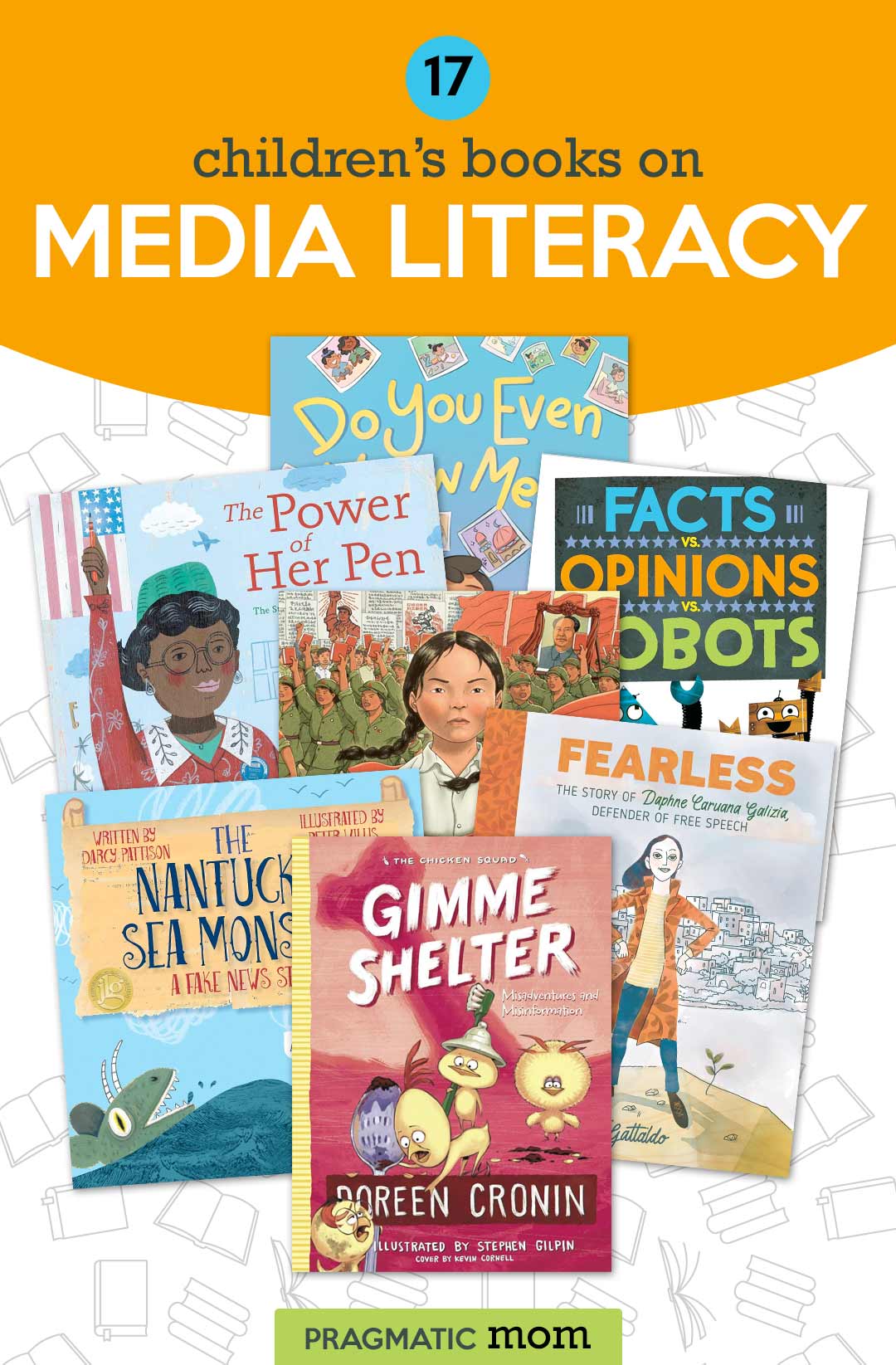
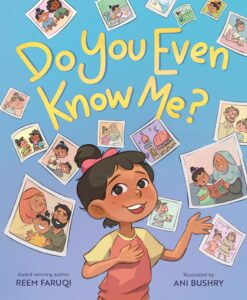
For Early Readers:Do You Even Know Me? by Reem Faruqi (addressing media-fueled bullying and cultural identity); Facts vs. Opinions vs. Robots by Michael Rex; The Nantucket Sea Monster by Darcy Pattison (exploring historical hoaxes and publicity stunts).
For Middle Grade Readers:Loch Ness Uncovered by Rebecca Siegel (examining centuries of fabricated news); Breaking the News by Robin Terry Brown (analyzing the spread of false stories); Attack of the Black Rectangles by Amy Sarig King (tackling book censorship and institutional control).
Classroom Curriculums: Comprehensive frameworks such as Read Your World’s classroom kit, Beyond Screens: Teaching Kids to Think Critically in a Digital World, provide structured lesson plans to bridge the gap between passive consumption and active, critical citizenship.
Conclusion
The battle for truth cannot be won by censorship or passive scrolling; it requires active engagement, robust skepticism, and systemic education. By embedding media literacy into classrooms and homes, society can transform digital natives from vulnerable targets of manipulation into empowered, discerning guardians of democracy.



















Comments
Facebook App ID not configured. Please add it in the Customizer.