In the landscape of modern children’s literature and historical nonfiction, few works bridge the profound gap between personal tragedy and systemic resistance quite like Postcards from Malcolm X: How Yuri Kochiyama Became a Human Rights Activist. Written by Mia Wenjen—acclaimed author of Barbed Wire Between Us—and vividly illustrated by Keith Henry Brown, whose previous credits include Pushing Hope, this 42-page biographical picture book published by Red Comet Press ($24.99, ISBN 978-1-63655-089-3) offers an unflinching yet deeply accessible portrait of a legendary civil rights figure.
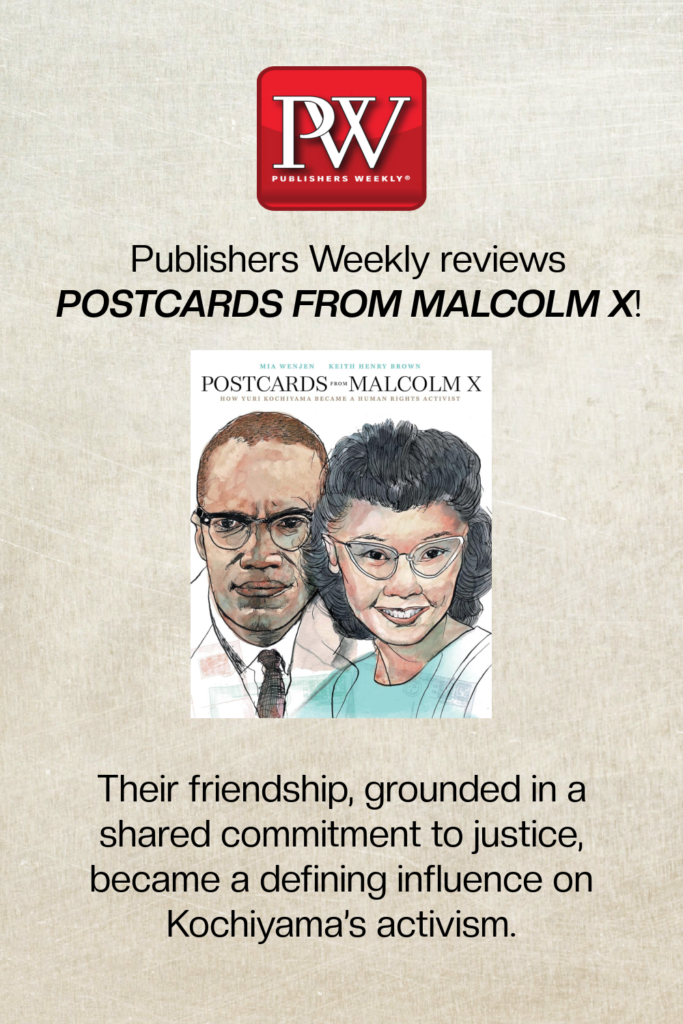
Recently, the title garnered critical acclaim in a landmark review by Publishers Weekly, reinforcing its status as an indispensable literary contribution for young readers aged 8 to 12. By charting Yuri Kochiyama’s evolution from a grieving daughter of an imprisoned Japanese American community member into an international human rights campaigner, the book redefines how historical movements are taught. It demonstrates that monumental activism often begins with the simplest tools of human communication: stationery, an envelope, a postage stamp, and a written word.
Detailed Chronology: From Personal Loss to Global Activism
The narrative arc of Postcards from Malcolm X is anchored in a series of defining moments across the 20th century, tracing a trajectory from devastating injustice to a lifelong alignment with global liberation struggles.
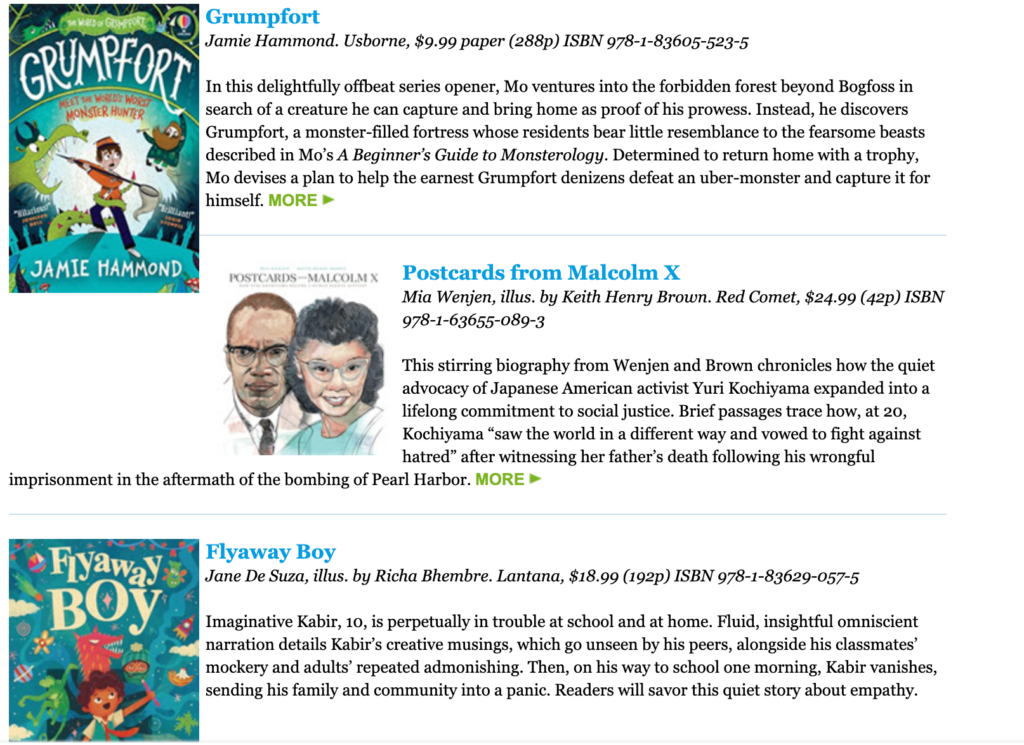
Born in 1921, Yuri Kochiyama’s early life was upended in the wake of the December 7, 1941, bombing of Pearl Harbor. Amid rising anti-Japanese hysteria on the American home front, her father was wrongfully arrested and imprisoned by federal authorities. The stress of the wrongful imprisonment and subsequent interrogation severely deteriorated his health. He passed away just as he was released—a profound trauma that permanently altered twenty-year-old Kochiyama’s worldview. As the Publishers Weekly review notes, this pivotal loss caused her to "see the world in a different way and vowed to fight against hatred."
The Lifeline of Letters
Following Executive Order 9066, Kochiyama and her family were forcibly removed from their home and incarcerated in an American concentration camp. Rather than surrendering to despair, Kochiyama utilized a method of survival and defiance that would define her life: correspondence. Packing stationery, envelopes, and stamps, she recognized that "letters were her lifeline." Within the confines of the camp and beyond, writing served as her primary vehicle for protest, community connection, and systemic change.
Harlem, Human Rights, and Malcolm X
Following the conclusion of World War II, Kochiyama married and ultimately settled in Harlem, New York. Immersed in a dynamic multicultural community, she and her family engaged directly with neighborhood grassroots movements, standing shoulder-to-shoulder with Black and Puerto Rican workers demanding labor rights and equitable treatment.
A fateful arrest during a local demonstration brought her to a Brooklyn courthouse in the early 1960s. There, she encountered Malcolm X. What began as an introduction blossomed into a profound intellectual and personal friendship. The two forged a resilient correspondence that endured even as Malcolm X traveled extensively overseas in 1964. Grounded in a shared, uncompromising commitment to justice and anti-imperialism, this relationship became a cornerstone of Kochiyama’s lifelong political evolution.
Supporting Context & Metrics: Crafting an Approachable Masterpiece
Bringing a complex, multifaceted historical figure to an audience of upper-elementary readers (ages 8–12) requires a delicate balance of narrative momentum and rigorous historical accuracy. Wenjen and Brown achieve this through intentional artistic and literary choices.
Literary Style: Wenjen employs conversational prose that strips away academic density without trivializing the heavy historical stakes. The narrative flows with emotional resonance, emphasizing empathy, solidarity, and the universal human need for dignity.
Visual Artistry: Keith Henry Brown utilizes loose ink and watercolor illustrations. This artistic approach injects a sense of warmth, immediacy, and organic motion into the historical tableaus, successfully capturing the human relationships at the center of the civil rights movement rather than reducing them to static textbook illustrations.
Scholarly Scaffolding: Designed with educators and librarians in mind, the book features extensive back matter, offering context, timelines, and primary source suggestions that allow young readers to deepen their independent research.
Market Reception: Priced at $24.99 for a 42-page hardcover edition, Postcards from Malcolm X has been embraced across the children’s publishing ecosystem. Alongside the recent Publishers Weekly distinction, the book has secured critical praise from Kirkus Reviews and the School Library Journal, cementing its place as a staple for modern multicultural curricula.
Official Statements & Critical Reception
The critical consensus surrounding Postcards from Malcolm X highlights its urgent relevance in contemporary classrooms and homes. Reviewers have praised its ability to intersectionally address Asian American history, Black history, and the shared cross-racial solidarity of mid-century civil rights movements.
In its review, Publishers Weekly emphasized the book’s energetic portraiture:
"This stirring biography… chronicles how the quiet advocacy of Japanese American activist Yuri Kochiyama expanded into a lifelong commitment to social justice… Conversational prose and loose ink and watercolor artwork capture the warmth of their bond and its enduring impact. The result is an approachable and energetic portrait of an activist."
Educators and literary advocates have similarly underscored the importance of spotlighting figures like Kochiyama. Through multimedia elements—including official book trailers, unboxing videos, and author Q&As hosted across literary platforms like PragmaticMom—the creative team has championed an interactive approach to historical literacy. These platforms provide teachers with downloadable guides and discussion frameworks, facilitating deeper classroom dialogues about civil disobedience, free speech, and allyship.
Future Outlook: Legacy, Education, and Ongoing Relevance
As conversations surrounding inclusive education, multicultural history, and intersectional civil rights continue to evolve, books like Postcards from Malcolm X serve as vital anchors for the next generation of changemakers. By spotlighting Yuri Kochiyama—an activist whose life bridged the Japanese American incarceration experience, the Civil Rights Movement, the Black Power movement, and the global anti-war struggles—Wenjen and Brown provide young readers with a blueprint for empathetic citizenship.
The widespread institutional embrace of the book, evidenced by starred notices and inclusion in major children’s book reviews, signals a growing demand for nuanced stories that transcend single-narrative histories. Looking forward, Postcards from Malcolm X is poised to remain a classroom staple, inspiring readers aged 8 to 12 to recognize that no matter how young they are, their voices—much like Kochiyama’s letters—can travel across borders, build solidarity, and help reshape the world.






Comments
Facebook App ID not configured. Please add it in the Customizer.