
Executive Overview
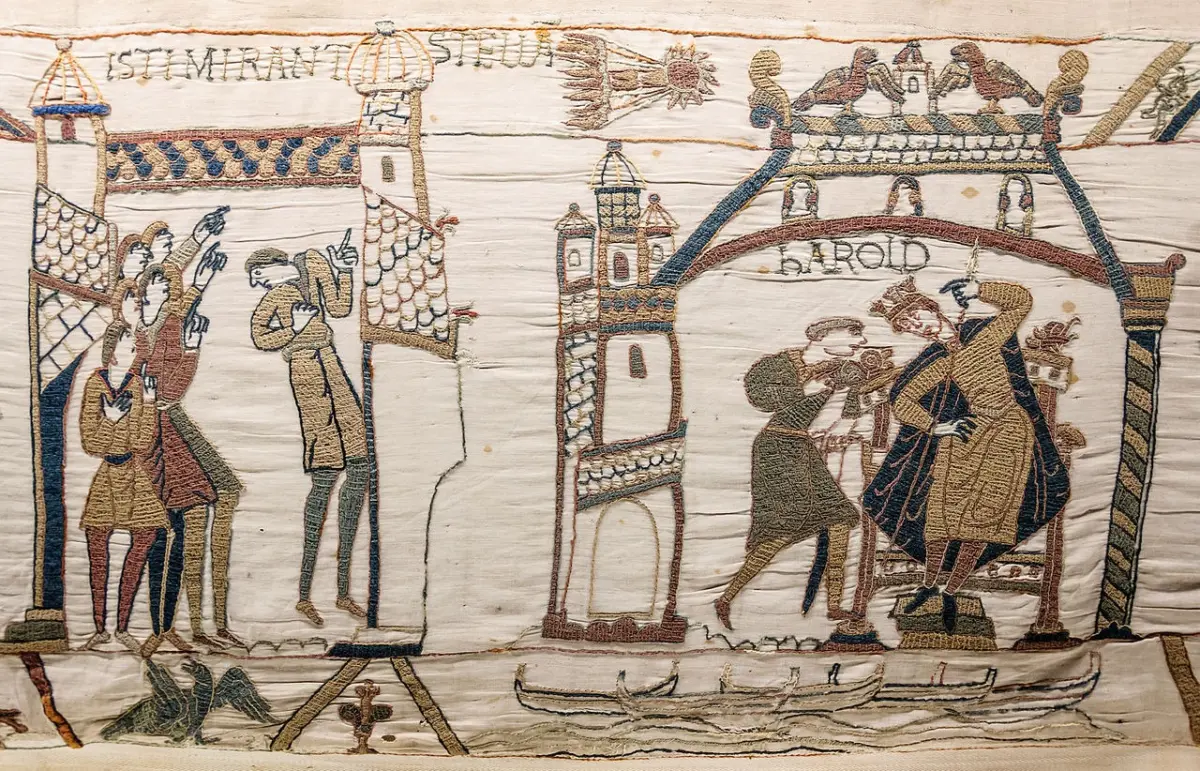
The arrival of the Bayeux Tapestry at the British Museum in London earlier this fall was heralded as one of the most significant cultural exchanges in modern European history. Traveling across the English Channel from its permanent home in Normandy, France, the monumental 230-foot-long embroidered masterpiece—which chronicles the dramatic events leading up to the Norman Conquest of 1066—drew immediate, intense international fascination. Crowds have swarmed the institution, eager to catch a rare glimpse of the 11th-century narrative artifact on British soil.
Yet, this monumental success has been shadowed by a series of operational challenges, public relations missteps, and logistical friction. Within weeks of opening, the museum faced heavy criticism, refund demands, and even legal action. Visitors holding tickets for the sold-out exhibition encountered severe bottlenecks, unexpected closures for private events, and a notable lack of accessibility provisions for disabled patrons.
In a decisive response to mounting public scrutiny and administrative pressure, the leadership of the British Museum has announced a comprehensive overhaul of the visitor experience. These adjustments aim to balance the fragile preservation needs of the ancient textile with the overwhelming public demand to view it. As the museum prepares to open its next member ticket booking window, this report investigates the sequence of events that led to these operational adjustments, analyzes the metrics of the exhibition’s explosive debut, reviews the official responses from museum directors, and outlines what the future holds for visitors seeking to witness history unfurled.
Read Also
Detailed Chronology: From Triumphant Arrival to Operational Crisis
The Historic Crossing and Opening Weeks
The exhibition’s journey began years in planning, representing a landmark diplomatic and cultural agreement between the United Kingdom and France. When the 230-foot embroidery finally arrived in London, it was greeted with fervent anticipation from historians, medievalists, and the general public alike. For the first time in centuries, the tapestry crossed the Channel, allowing British audiences to examine the legendary depiction of the Battle of Hastings, the death of King Harold, and the coronation of William the Conqueror in person.
In the initial three weeks following its debut, the exhibition shattered attendance expectations, welcoming nearly 100,000 visitors. The sheer volume of foot traffic immediately tested the infrastructure of the British Museum. Long-standing queues snaked through the galleries, with some eager attendees waiting up to two hours just to enter the exhibition space.
Snafus, Closures, and Legal Fallout
Despite the cultural triumph, cracks in the operational framework quickly appeared. The museum’s management faced immediate backlash following a decision to close the exhibition early on a high-profile evening to accommodate an unrelated gala dinner. Patrons who had secured rare, highly coveted tickets found themselves locked out or abruptly ushered out of the galleries, sparking widespread outrage and subsequent calls for ticket refunds.
Compounding these logistical headaches, the museum was hit with a high-profile lawsuit. A blind visitor filed legal action against the institution, alleging discrimination and a failure to provide adequate accessibility options—specifically citing the absence of audio descriptions and tours that would allow visually impaired individuals to comprehend the visual narrative of the textile.
Furthermore, reports emerged of ticket-holders being turned away at the doors despite holding valid passes for the sold-out run, as crowd management systems buckled under the weight of the influx. For an institution of the British Museum’s global stature, the mounting negative press threatened to overshadow the historic nature of the exhibition itself.
The Pivot: Museum Leadership Responds
Recognizing that the visitor experience was falling short of acceptable standards, British Museum director Nicholas Cullinan and his administrative team initiated a rapid review of the exhibition’s protocols. Rather than ignoring the criticism, the museum opted for radical transparency and immediate corrective action.
The institution announced a multi-faceted remediation plan designed to ease congestion, improve accessibility, and honor the strict conservation requirements mandated by the French government. These rapid-fire adjustments are rolling out just as the museum prepares for its next major operational milestone: the opening of the member ticket booking window for the January–March 2027 block on October 6.
Supporting Context & Metrics: The Scale of the Bayeux Blockbuster
By the Numbers: Attendance and Conservation Constraints
To understand the complexity of managing the Bayeux Tapestry exhibition, one must look closely at the quantitative realities governing the artifact.
- 230 Feet: The total length of the continuous embroidered linen band, presenting a massive logistical challenge for gallery display and crowd flow.
- 100,000 Visitors: The milestone reached in a mere three weeks of the exhibition being open to the public, underscoring an unprecedented rate of daily attendance.
- Two Hours: The maximum reported wait times experienced by ticket-holders in the initial phase of the run.
- Current Standard Hours: 10:00 AM to 6:00 PM (Sunday through Wednesday) and extended until 9:00 PM (Thursday through Saturday).
The Fragile Nature of 11th-Century Textiles
Crucial to any discussion of the exhibition’s operations is the extreme fragility of the Bayeux Tapestry. Crafted nearly a thousand years ago from wool yarn embroidered onto linen, the artifact is highly sensitive to environmental factors, most notably light exposure.
According to reports from the New York Times, the British Museum operates under a strict, carefully calculated plan for "light hour allocations." This regimen is mandated by the French government and cultural authorities to ensure that the delicate fibers are not degraded by overexposure to illumination during their time in London. These non-negotiable conservation parameters heavily restrict how many people can be in the gallery at any given time and limit how long the exhibition can remain illuminated each day—a reality that complicates simple solutions like merely keeping the doors open longer.
Official Statements: Accountability and Lessons Learned
Addressing the public outcry and operational hurdles, British Museum Director Nicholas Cullinan offered candid reflections during a briefing with the BBC.
"You don’t want anyone that comes to see the Bayeux Tapestry to have a bad experience, so our focus is very much on getting it right and learning lessons," Cullinan stated.
Cullinan’s remarks signal a cultural shift within the museum’s administration, prioritizing empathetic visitor service alongside world-class conservation and scholarship. By acknowledging the friction points directly, leadership has sought to rebuild public trust.
Museum representatives have emphasized that while the conservation constraints imposed by the French loan agreement are rigid, the operational infrastructure surrounding the viewing experience—such as queue management, accessibility aids, and scheduling transparency—is entirely within the museum’s control to improve.
Future Outlook: What Visitors Can Expect Moving Forward
As the British Museum implements its corrective measures, visitors planning to see the Bayeux Tapestry in the coming months can anticipate several notable enhancements:
1. Extended Operating Hours
While the museum has not yet published the exact breakdown of how much earlier or later its doors will open, administrators have confirmed plans to extend operational hours specifically for tapestry enthusiasts. These adjustments will be carefully calibrated against the aforementioned light-hour allocations to ensure compliance with French conservation standards.
2. Integration of Audio Guides via Mobile App
In direct response to the discrimination lawsuit and broader feedback regarding narrative comprehension, the museum is integrating a comprehensive audio guide into the exhibition’s official mobile application. Initially omitted in favor of a purely self-guided visual experience, the audio tour will serve a dual purpose:
- Accessibility: Providing rich, descriptive narratives tailored for blind and low-vision visitors, directly addressing the legal and ethical imperative for inclusive museum design.
- Flow Efficiency: Helping all visitors pace their journey through the galleries, thereby reducing bottlenecks and ensuring a steady, manageable flow of foot traffic.
3. Infrastructure Improvements for Queues
Recognizing that waiting up to two hours in line alienates visitors before they even enter the gallery, the museum is introducing additional seating options along the queue paths. Furthermore, clearer, more intuitive signage will be deployed to manage expectations, clarify entry times, and streamline ticket verification processes.
4. Upcoming Ticket Windows
The rollout of these improvements is strategically timed. The next major member ticket booking window opens on October 6, covering the three-month block from January 1 through March 31, 2027. Museum officials hope that prospective attendees will take comfort in the newly minted operational upgrades, knowing that the institution has actively listened to early critiques and engineered solutions to safeguard both the artifact and the visitor experience.
Conclusion
The exhibition of the Bayeux Tapestry at the British Museum remains a crowning cultural achievement of the decade, bridging nearly a millennium of European history and drawing unprecedented crowds to the heart of London. While early missteps—ranging from gala closures to accessibility oversights—threatened to mar the historic event, the museum’s swift and transparent pivot demonstrates a commitment to operational excellence.
By expanding hours within strict conservation limits, introducing inclusive audio guides, upgrading queue infrastructure, and addressing administrative blind spots, the British Museum is working to ensure that every visitor’s encounter with the monumental fabric of 1066 is nothing short of legendary. As the next ticketing window approaches, the eyes of the global art and museum community remain fixed on London, watching how one of the world’s premier cultural institutions successfully masters the art of balancing public passion with ancient preservation.





Comments
Facebook App ID not configured. Please add it in the Customizer.