
Executive Overview
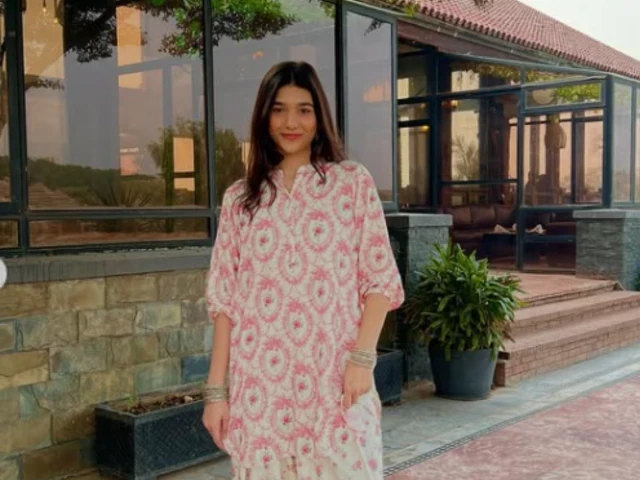
In the fast-paced and hyper-connected realm of modern social media, the line between coincidental timing and targeted controversy is often razor-thin. Recently, celebrated Pakistani vocalist Shae Gill found herself thrust into an unexpected digital storm following the release of Pablo, the debut musical track by actress-turned-singer Hania Aamir.
As listeners and internet sleuths began drawing parallels between Pablo and Gill’s own song Insecurity, online commentators quickly manufactured a narrative of professional rivalry. The speculation reached a fever pitch when Gill published an acoustic rendition of Insecurity to commemorate the track’s one-year anniversary. Eager fans and detractors alike misconstrued the post as a calculated jab—a "diss"—aimed at Aamir.
This article provides a comprehensive, objective exploration of the controversy, dissecting how fan culture, algorithmic amplification, and the pressures of public scrutiny intersect in the South Asian entertainment landscape. We examine the timeline of events, the actual substance of the songs in question, the public reactions from industry peers, and a broader look at Shae Gill’s meteoric rise from a viral sensation to an internationally recognized artist. Gill’s decisive intervention serves as a case study in digital media literacy, urging audiences to separate manufactured drama from artistic appreciation.
Read Also
Detailed Chronology
The Spark: The Release of ‘Pablo’
The digital discourse began shortly after Hania Aamir ventured into the music scene with the release of her single, Pablo. As one of Pakistan’s most prominent television and film actresses, Aamir’s transition into singing naturally garnered intense media attention and massive streaming numbers.
However, within days of its drop, portions of the online listener base began drawing sonic and thematic comparisons between Pablo and Shae Gill’s earlier release, Insecurity. While musical cross-pollination and shared stylistic choices are common in contemporary pop, a subset of social media users took the comparisons a step further, explicitly accusing Aamir of borrowing or lifting elements from Gill’s work.
The Anniversary Post and the Misinterpretation
The debate transformed from casual fan commentary into a full-scale social media firestorm due to a matter of unfortunate timing. Mid-September marked the one-year anniversary of the release of Insecurity, Shae Gill’s debut solo single produced in collaboration with Mushtaq Elektrik. To celebrate the milestone, Gill shared a stripped-down, acoustic version of the track on her official Instagram account.
In an environment already saturated with comparisons between Aamir and Gill, a segment of the fandom immediately recontextualized the anniversary post. Rather than viewing it as a standard promotional milestone for a musician’s back catalog, critics weaponized the post. One prominent Instagram comment encapsulated the hostile sentiment, writing that Aamir should "learn not to steal things from others." This triggered a cascade of similar remarks, rapidly turning the comments section into a battleground between rival fanbases.
Shae Gill’s Direct Response and De-escalation
Recognizing that the narrative was spiraling out of control, Shae Gill took the rare step of directly addressing the detractors in the comments section to shut down the manufactured drama.
"I’ve never been a hater and never will be," Gill wrote, addressing her followers and critics directly.
She clarified the mundane reality behind her post: she had released her first solo song the previous September, and sharing an acoustic version this September was purely intended to mark its anniversary.
Exasperated by the rapid misinterpretation of her intentions, she added:
"I don’t understand how that equals a diss?? I can’t explain myself in every comment."
Concluding her statement, Gill urged her fans to step back from the hostility, emphasizing that listeners were free to enjoy whichever song, artist, or drama they preferred without manufacturing animosity between women in the industry.
Supporting Context & Metrics
The Anatomy of Fan Culture and Internet Polarization
The friction surrounding Aamir’s Pablo and Gill’s Insecurity highlights a broader systemic issue within modern digital fandoms: the hunger for conflict. Social media algorithms are structurally designed to reward engagement, and controversy—particularly perceived feuds between prominent female artists—drives algorithmic visibility.
When fans draw parallels between two creative works, they often move past healthy artistic critique into territorial tribalism. In this ecosystem, coincidence is routinely weaponized as intent. Gill’s experience demonstrates how an artist’s personal milestones can be hijacked by a vocal minority seeking to manufacture rivalry where none exists.
Shae Gill’s Artistic Trajectory: From ‘Pasoori’ to International Acclaim
To fully understand Shae Gill’s position in the industry, one must examine her rapid, unconventional ascent to stardom. Hailing from Lahore, Gill captured the global imagination overnight as the co-vocalist of Pasoori, a cultural mega-hit produced by Ali Sethi under the banner of Coke Studio. The track broke international barriers, becoming a global anthem that resonated far beyond South Asia.
Following the unprecedented success of Pasoori, Gill faced the formidable challenge shared by many breakout viral stars: defining her independent artistic identity. In September 2024, she answered that challenge by releasing Insecurity, her debut solo single crafted alongside producer Mushtaq Elektrik. The track showcased a more intimate, alternative-pop side of her vocal capabilities, contrasting with the upbeat, traditional-fusion style of Pasoori.
Her sustained momentum did not go unnoticed by major streaming platforms. Spotify named Shae Gill as a featured artist for Spotify RADAR Pakistan, a program designed to spotlight emerging talent on a global stage. Throughout 2025, her catalog—including subsequent releases like Gila and Staring At Me—experienced a massive surge in international listenership. Streaming data indicates that her audience has expanded significantly across key diaspora and non-diaspora markets alike, including the United States, the United Kingdom, Canada, and Bangladesh.
Against this backdrop of international growth and maturity as an independent artist, getting dragged into petty, localized internet drama over song comparisons represents a stark contrast to Gill’s professional trajectory.
Official Statements & Industry Reaction
Despite the noise generated by a vocal faction of internet trolls, the broader creative community rallied around Shae Gill following her acoustic release, drowning out the negativity with expressions of genuine artistic appreciation.
Peer Support and Industry Endorsements
As the comments section filled with unnecessary drama, fellow musicians and industry influencers stepped in to redirect the focus back onto the music itself.
- Aima Baig, one of Pakistan’s leading contemporary vocalists, reacted to the acoustic clip with supportive emojis, signaling solidarity with Gill.
- Abdul Hannan, a prominent singer-songwriter known for his indie-pop hits, also showed his approval in the comments.
- Momina Munir, an actor and digital influencer, went a step further, publicly pleading with Gill to release a full-length version of the acoustic session.
- Annural Khalid, another rising voice in the Pakistani music scene, shared her enthusiasm, noting that she had fallen in love with the track "all over again."
- Additional industry figures and influencers, including digital creator Ansar and social media personality Nida Rehman, praised the raw beauty of the acoustic rendition, describing it as a welcome and calming surprise on their feeds.
This unified front from her peers served as an informal validation of Gill’s stance: that the online discourse was an unwarranted distraction from the actual creative outputs of both artists.
Future Outlook
The Responsibility of Audiences and the Path Forward
As the dust settles on the Pablo versus Insecurity debate, the incident serves as a crucial reminder for digital audiences regarding media literacy and the psychological impact of internet culture on artists.
For Hania Aamir, transitioning into the music industry comes with a steep learning curve, particularly regarding how media narratives are constructed around celebrity crossovers. For Shae Gill, the episode underscores the vigilance required by established artists to protect their narratives from being distorted by sensationalist fandoms.
Moving forward, both artists remain focused on their respective crafts. Gill continues to expand her footprint in the international music market, leveraging her Spotify RADAR backing and exploring new sonic dimensions for her upcoming releases. Aamir, meanwhile, continues to navigate her multi-faceted career across acting and music.
Ultimately, Shae Gill’s eloquent pushback cuts to the heart of the matter: the arts are meant to be enjoyed, not weaponized. By urging fans to embrace music without the manufactured drama, Gill has set a standard for healthy artist-audience boundaries in the digital age—proving that true artistry rises far above the transient noise of social media commentary.


Comments
Facebook App ID not configured. Please add it in the Customizer.