In an era marked by intensifying battles over free speech, cultural expression, and the political conditioning of public funds, Electric Literature—a leading non-profit digital literary magazine—has emerged as a focal point in the fight for editorial autonomy. Facing federal directives that sought to restrict funding based on ideological compliance, the publication took the rare step of voluntarily relinquishing critical support from the National Endowment for the Arts (NEA).
The decision stems from an Executive Order issued during the Trump Administration and subsequent compliance guidelines drafted by the NEA. These directives stipulated that grant recipients must not "promote gender ideology"—a requirement that Electric Literature identified as an overt attack on transgender and queer communities and a violation of its core mission. Rather than compromising its commitment to marginalized writers, the magazine chose to walk away from federal funding, pivoting entirely to a reader-supported financial model.
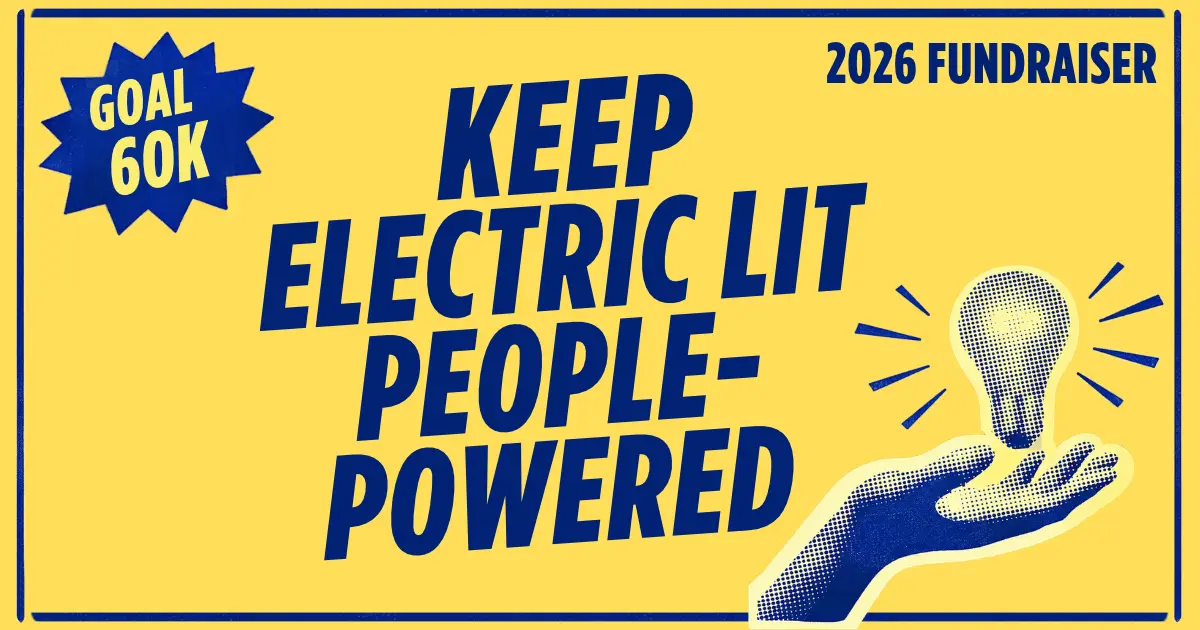
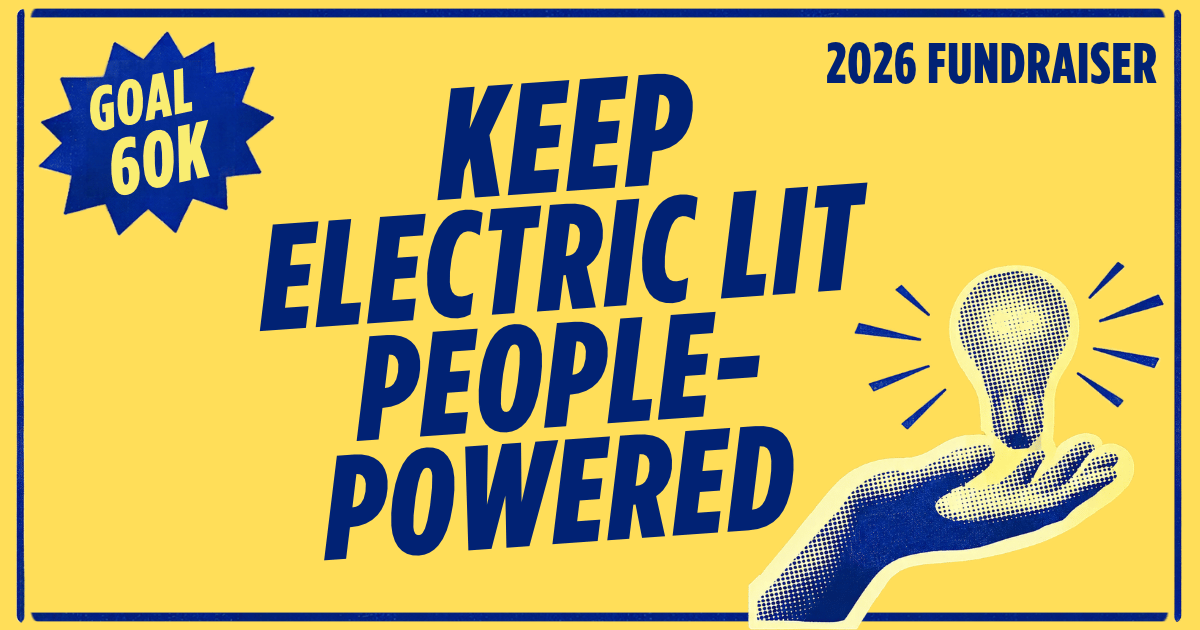
Now under the leadership of Executive Director and Publisher Denne Michele Norris, Electric Literature has launched a critical end-of-year fundraising drive aiming to raise $60,000. Supported by an initial $15,000 matching grant from an anonymous donor, the capital campaign is designed to secure the organization’s operational stability for 2027 while maintaining its long-standing policy of publishing all content without paywalls.
This situation highlights the precarious economics of independent literary publishing and illustrates how non-profit media institutions must navigate executive overreach, legal battles, and the challenge of building sustainable, community-backed funding models.
Detailed Chronology
[Federal Directive Issued]
       │
       ▼
[NEA Adds "Gender Ideology" Restrictions]
       │
       ▼
[Electric Literature Rejects NEA Funding Application]
       │
       ▼
[NCAC Amicus Brief Involvement & Legal Testimony]
       │
       ▼
[Denne Michele Norris Takes Over as Executive Director]
       │
       ▼
[Launch of $60,000 Reader-Powered Campaign for 2027]
1. The Implementation of Federal Grant Conditions
The conflict began when executive directives from the federal government were translated into strict grant application guidelines by the National Endowment for the Arts. Applicants seeking federal cultural funding were required to certify compliance with rules barring the promotion of "gender ideology."
For many cultural institutions dependent on public dollars to offset operational deficits, these restrictions presented a choice: alter program strategy and editorial policy, or risk financial destabilization.
2. The Decision to Forgo Federal Support
Internal leadership at Electric Literature, including incoming Executive Director Denne Michele Norris, evaluated the ethical and structural ramifications of the NEA’s mandate. Recognizing that accepting these terms would require censoring content or alienating transgender, non-binary, and queer contributors, the board and editorial team unanimously elected not to apply for NEA funding.
Though federal grants had historically provided a vital foundation for the organization’s annual operating budget, leadership determined that complying with ideological mandates would compromise the publication’s institutional integrity.
3. Legal Action and the Amicus Brief
Following the rejection of federal funding, Electric Literature expanded its advocacy from individual non-compliance to active legal resistance. The organization partnered with the National Coalition Against Censorship (NCAC) to participate in an amicus brief attached to a broader federal lawsuit challenging the constitutionality of the NEA’s funding restrictions.
During formal interviews with legal counsel, leadership documented the explicit financial harm and administrative burden imposed by federal speech restrictions, providing key evidence on how conditional public funding creates an unconstitutional chilling effect on independent media.
4. Leadership Transition and Strategy Realignment
As Denne Michele Norris officially assumed the role of Executive Director and Publisher, the organization restructured its financial model to eliminate reliance on government funding streams subject to political influence. The publication shifted its focus toward direct reader support, foundation partnerships, and grassroots fundraising initiatives to ensure editorial continuity.
Supporting Context & Metrics
The Economics of Independent Literary Publishing
Non-profit literary publications operate within a notoriously fragile financial ecosystem. Unlike commercial media outlets that rely on paywalls, native advertising, or venture capital, independent literary journals frequently depend on a combination of public grants, private foundation gifts, and individual donations.
Revenue Source
Institutional Risk Level
Operational Impact of Loss
Federal Grants (e.g., NEA)
High (Subject to legislative/executive policy shifts)
Direct loss of baseline operating funds and prestige leverage
Reader Donations
Low–Medium (Requires continuous engagement)
High autonomy; directly correlates with community trust
Foundation Grants
Medium (Subject to foundation priority shifts)
Crucial for specific programming and diversity initiatives
Paywalls / Subscriptions
Low (Stable recurring revenue)
High risk of restricting content accessibility and audience reach
Electric Literature’s operational strategy relies on maintaining unrestricted, paywall-free access to its entire archive of short fiction, essays, poetry, and criticism. While paywalls offer a predictable revenue stream, they restrict access to literature. Maintaining an open-access publication model requires significant, recurring public backing.
To replace lost federal support and prepare for the 2027 operating budget, Electric Literature has established clear financial milestones for its year-end fundraising campaign:
Total Year-End Goal: $60,000
Anchor Matching Grant: $15,000 (provided by an anonymous donor)
Net Community Requirement: $45,000 in individual contributions
Access Model: 100% paywall-free editorial content
Refusing federal funding forced an immediate reallocation of internal resources. However, it also freed the publication from federal oversight, allowing it to cover stories, publish authors, and champion voices that might otherwise be targeted by political scrutiny.
Official Statements
Reflecting on the decision to forgo federal support and the magazine’s legal stance, Denne Michele Norris, Executive Director and Publisher of Electric Literature, emphasized the moral imperative driving the organization’s actions:
"Last year, Electric Literature decided not to apply for funding from the National Endowment for the Arts… it was a blatant attack on trans people, period—and applying would have been a betrayal of the values held so closely by EL and its community. I was part of the decision to forgo funding, and while it was nerve-wracking to walk away from money we relied on, standing up for our beliefs was a no-brainer. We trusted that our community would have our back and fill the gap. And it did."
Norris noted that participating in the National Coalition Against Censorship’s amicus brief reaffirmed the necessity of structural independence for digital media organizations:
"Though our funding had been cut, though we had been forced to revise our financial strategy without notice, we stood with the communities whose rights, protection, and humanity we are forever committed to uplifting—trans people and the queer community, people of color, people with disability, immigrants, women. Rather than feeling fearful about what the future might hold, I only felt immense pride."
Highlighting the fundamental connection between non-profit sustainability and editorial freedom, Norris added:
"Over the course of this year, I’ve become acutely aware that independence is our greatest asset—which means community is our greatest resource. Because Electric Lit is completely independent, we retain the freedom to defy a government that sometimes wishes to silence us. That independence also means we rely on our people to keep us going."
Future Outlook: The Battle for Sustainable, Uncensored Arts Infrastructure
The challenge facing Electric Literature reflects a broader crisis across the non-profit arts sector. As political polarization increases, publicly funded art and literature face heightened scrutiny. Executive orders, state-level legislative restrictions, and institutional self-censorship pose growing challenges to First Amendment protections within the arts ecosystem.
To maintain operational viability without state support, independent cultural organizations are adopting several key strategies:
Grassroots Crowdfunding and Anchor Matching: Leveraging matching gifts from high-net-worth individuals to incentivize small-dollar donations from a broader audience.
Legal Mobilization & Coalition Building: Partnering with civil rights groups like the National Coalition Against Censorship (NCAC) and the American Civil Liberties Union (ACLU) to challenge conditioning clauses under the Unconstitutional Conditions Doctrine.
Cross-Institutional Networks: Establishing alliances with independent presses, literary non-profits, and digital publications to share resources, syndication rights, and promotional infrastructure.
The Long-Term Viability of Open-Access Media
The outcome of Electric Literature’s $60,000 campaign serves as a key indicator for the viability of community-funded media. If the campaign succeeds, it will offer a tested model for how non-profit publications can resist ideological pressure from government bodies without resorting to restrictive reader paywalls.
By demonstrating that community support can offset the loss of federal grants, Electric Literature aims to show that financial independence and uncompromised editorial integrity can coexist, offering a path forward for independent publishing in an uncertain regulatory environment.






Comments
Facebook App ID not configured. Please add it in the Customizer.