In the landscape of children’s and young adult literature, biographies of civil rights icons frequently default to a familiar script. They tend to focus on monolithic figures, sweeping historical trajectories, and easily digestible narratives of public triumph. However, a profound shift is occurring within the genre, championed by creators who recognize that history is built as much in the margins as it is on the grand stage.
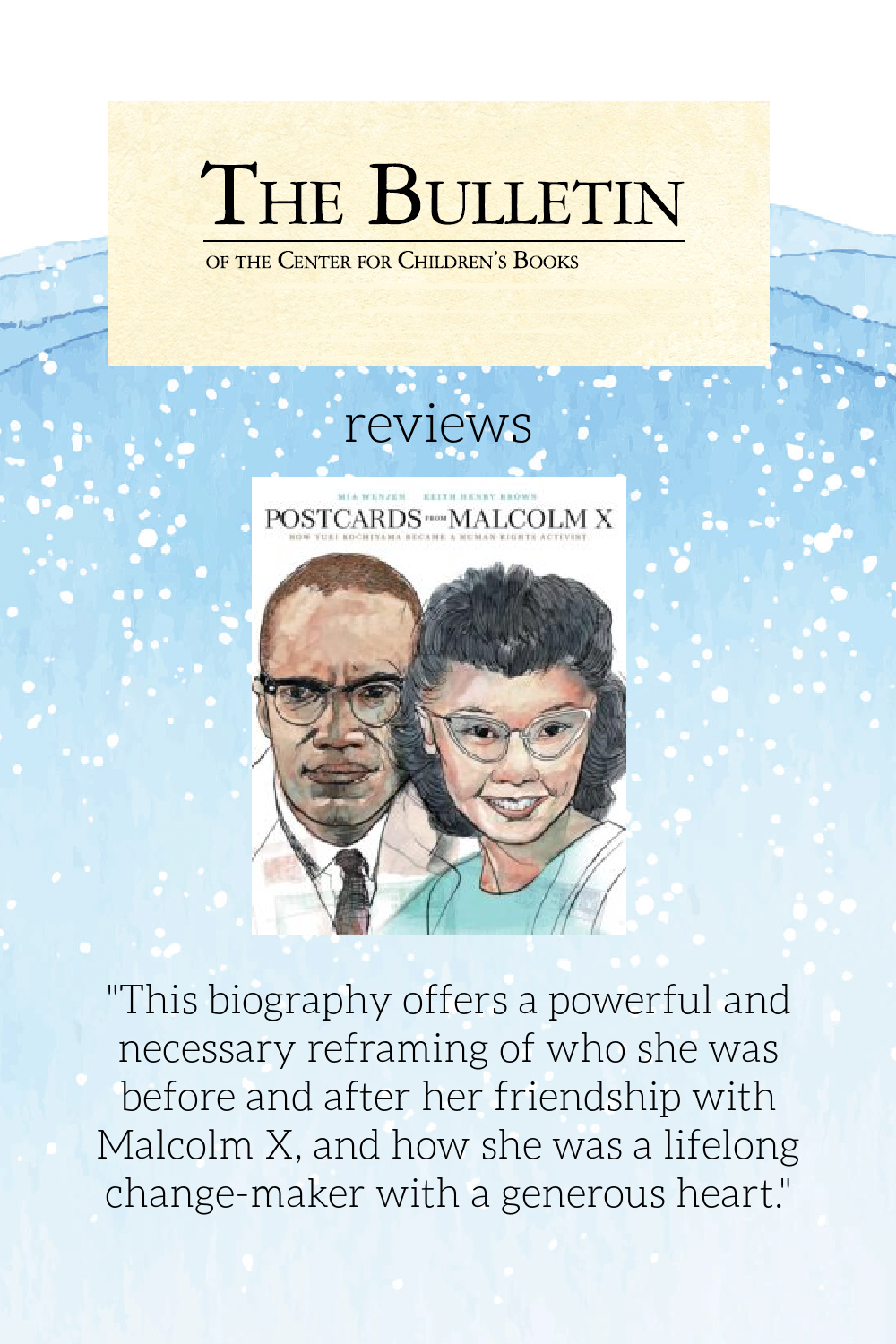
A prime example of this vital reframing is Postcards from Malcolm X: How Yuri Kochiyama Became a Human Rights Activist, written by Mia Wenjen, illustrated by Keith Henry Brown, and published by Red Comet Press. The picture book biography has recently garnered critical acclaim, including a thoughtful and deeply appreciative review from the prestigious Bulletin of the Center for Children’s Books.
This 42-page biographical work, tailored for readers aged six to eight, breaks new ground by examining the adult life of Yuri Kochiyama—not merely as a footnote in the history of Malcolm X, but as a steadfast, lifelong change-maker whose activism was forged through profound personal trauma, systemic oppression, and an unyielding commitment to community building.
The book traces Kochiyama’s journey from her early life in the 1920s, through her traumatic imprisonment during the Japanese American internment of World War II, to her unexpected 1963 meeting with Malcolm X at a New York courthouse. From this initial encounter blossomed a dynamic relationship built on mutual intellectual and political respect, carried out largely through letters and postcards.
Beyond celebrating Kochiyama’s public-facing legacy—most notably her presence as the woman who cradled Malcolm X’s head as he died—Wenjen and Brown offer young readers a necessary alternative to the loud, performative models of modern leadership. Through fluid watercolor illustrations and meticulous endmatter, Postcards from Malcolm X champions a quiet, persistent, and deeply empathetic form of activism. It provides a blueprint for children who may feel overwhelmed by the prospect of boldly taking charge, teaching them instead how to make steady, meaningful impacts that ripple outward through generations.
Detailed Chronology: From Internment to Intersectional Solidarity
To fully appreciate the narrative arc constructed by Mia Wenjen in Postcards from Malcolm X, one must examine the extraordinary timeline of Yuri Kochiyama’s life. The biography deliberately avoids rushing through her formative years, instead establishing a complex foundation of resilience that would eventually define her multi-decade career as an international human rights advocate.
Early Adversity and the Crucible of World War II
Born in the 1920s, Kochiyama grew up in a world sharply divided by race, class, and nationality. The defining trauma of her early adulthood arrived in the wake of the December 7, 1941, attack on Pearl Harbor. Amid rising anti-Japanese hysteria, the United States government enacted Executive Order 9066, forcibly uprooting more than 120,000 people of Japanese descent—the majority of whom were American citizens—from their West Coast homes and incarcerating them in desolate inland concentration camps.
For Kochiyama, this state-sponsored violation of civil liberties was a radicalizing moment. Enduring the indignities, psychological distress, and physical confinement of internment exposed the fragility of American constitutional protections for marginalized populations. This formative experience planted the seeds of a lifelong anti-imperialist and anti-racist worldview. Rather than retreating into bitterness, Kochiyama emerged from World War II with an acute awareness of how systemic state power operates to oppress vulnerable communities.
Relocation to Harlem and the Birth of a Coalition Builder
Following the war, Kochiyama eventually settled in Harlem, New York, alongside her husband, Bill Kochiyama, a veteran of the legendary all-Nisei 442nd Regimental Combat Team. Raising their children in a predominantly Black and Puerto Rican neighborhood, Kochiyama did not view herself as an outsider; instead, she immersed herself in the cultural, social, and political fabric of her community.
Living in Harlem during the height of the Civil Rights Movement allowed Kochiyama to witness firsthand the daily indignities, economic redlining, and police violence that kept her neighbors oppressed. She forged deep, organic bonds with Black and Puerto Rican activists, educators, and organizers. This grassroots neighborhood immersion laid the groundwork for her unique brand of intersectional solidarity—long before the term became a staple of modern sociopolitical discourse.
The 1963 Courthouse Encounter and the Epistolary Alliance
The trajectory of Kochiyama’s public life shifted decisively in 1963 at a Brooklyn courthouse, where she had gone in solidarity to support civil rights demonstrators who had been arrested during a protest against housing discrimination. There, she caught a glimpse of Malcolm X. A quick, unplanned introduction sparked an immediate intellectual and spiritual rapport.
Recognizing a shared urgency in the struggle for human liberation, Kochiyama and Malcolm X forged an acquaintanceship built on deep mutual respect. Because both individuals operated at a dizzying pace—Malcolm organizing across the globe and Kochiyama managing a bustling household while engaged in local community battles—their primary mode of communication became epistolary. Through a steady stream of letters and postcards exchanged over the ensuing years, Malcolm X shared his evolving global perspective, political philosophies, and strategic insights with Kochiyama, who absorbed them and integrated them into her domestic and international organizing.
Tragedy, Grief, and Continuing the Legacy
The relationship was tragically cut short on February 21, 1965, when Malcolm X was assassinated at the Audubon Ballroom in Washington Heights, Manhattan. In the chaotic, devastating moments immediately following the shooting, it was Yuri Kochiyama who rushed to the stage, cradling Malcolm X’s head in her lap as he drew his final breaths—an indelible, heartbreaking image captured in history books and etched into the collective memory of the civil rights era.
Rather than shrinking from the public eye or retreating out of fear in the turbulent aftermath of the assassination, Kochiyama deepened her commitment to justice. She formed a close, enduring relationship with Malcolm X’s widow, Betty Shabazz, and his family. For the remainder of her long life, Kochiyama worked tirelessly as an organizer, radical educator, and collaborator. Whether she was supporting the Puerto Rican independence movement, fighting for the release of political prisoners, or advocating for reparations for Japanese Americans interned during WWII, Kochiyama remained fiercely dedicated to furthering the messages and goals of global human rights.
Supporting Context & Metrics: The Anatomy of a Picture Book Masterpiece
Postcards from Malcolm X is more than a recounting of historical events; it is a meticulously crafted pedagogical tool designed to bridge the gap between complex adult histories and the cognitive and emotional capacities of young readers aged six to eight.
Book Specifications and Publishing Details
Postcards from Malcolm X: How Yuri Kochiyama Became a Human Rights Activist
Author: Mia Wenjen
Illustrator: Keith Henry Brown
Publisher: Red Comet Press
Publication Year: 2026
Target Audience: Ages 6–8 years
Page Count: 42 pages
ISBN: 9781636550893
Visual Storytelling: The Synergy of Text and Watercolor
A critical element highlighted by reviewers, including The Bulletin of the Center for Children’s Books, is the exceptional synergy between Mia Wenjen’s precise prose and Keith Henry Brown’s evocative watercolor illustrations.
Brown utilizes a snapshot approach to building a life from key historical moments. The watercolor illustrations fill the vast majority of every page, employing rich, detailed backgrounds that ground the foregrounded figures in their specific historical contexts—from the dusty barracks of wartime internment camps to the bustling, culturally vibrant streets of 1960s Harlem.
Furthermore, Brown’s artistic choices serve as a brilliant visual metaphor for differing styles of activism:
Malcolm X is depicted as regal and commanding, naturally drawing the reader’s eye and occupying substantial visual space to reflect his charismatic, towering presence as a public orator.
Yuri Kochiyama, by contrast, is portrayed as steadily present—a warm, persistent visual anchor who appears throughout the narrative as a smaller, yet intensely focused figure, tirelessly writing letters, organizing community gatherings, and showing up for people in need.
This visual dichotomy directly reinforces Wenjen’s central thesis: that social change requires both the blazing, visionary speeches of charismatic leaders and the quiet, persistent, behind-the-scenes labor of dedicated community organizers.
Pedagogical Value and Endmatter
Recognizing the importance of historical literacy for young learners, the creators and publisher have equipped Postcards from Malcolm X with robust endmatter. Young readers, educators, and parents have access to:
A comprehensive timeline that situates Kochiyama’s life within the broader sweeps of twentieth-century American and global history.
A glossary of key terms that helps demystify complex sociopolitical concepts (such as civil rights, internment, and activism) for elementary-school readers.
A carefully curated bibliography that encourages older students and educators to pursue independent research.
Detailed contributors’ notes that provide transparent context on the creation of the book.
Official Statements and Critical Reception
The publication of Postcards from Malcolm X has sparked significant conversation within the children’s literature community, earning high praise from major trade publications and educational reviewers.
Insights from The Bulletin of the Center for Children’s Books
In its official review, The Bulletin commended the biography for offering a "powerful and necessary reframing of who she was before and after her friendship with Malcolm X, and how she was a lifelong change-maker with a generous heart."
The review specifically spotlighted the book’s emotional resonance for young audiences who might otherwise feel marginalized by traditional narratives of heroism:
"Wenjen celebrates Kochiyama’s impact on civil rights activism, offering room for listeners who may shudder at the idea of boldly taking charge, preferring instead to make steady, meaningful impacts that are perhaps less noticed, but no less effective."
Authorial Intent and Multicultural Advocacy
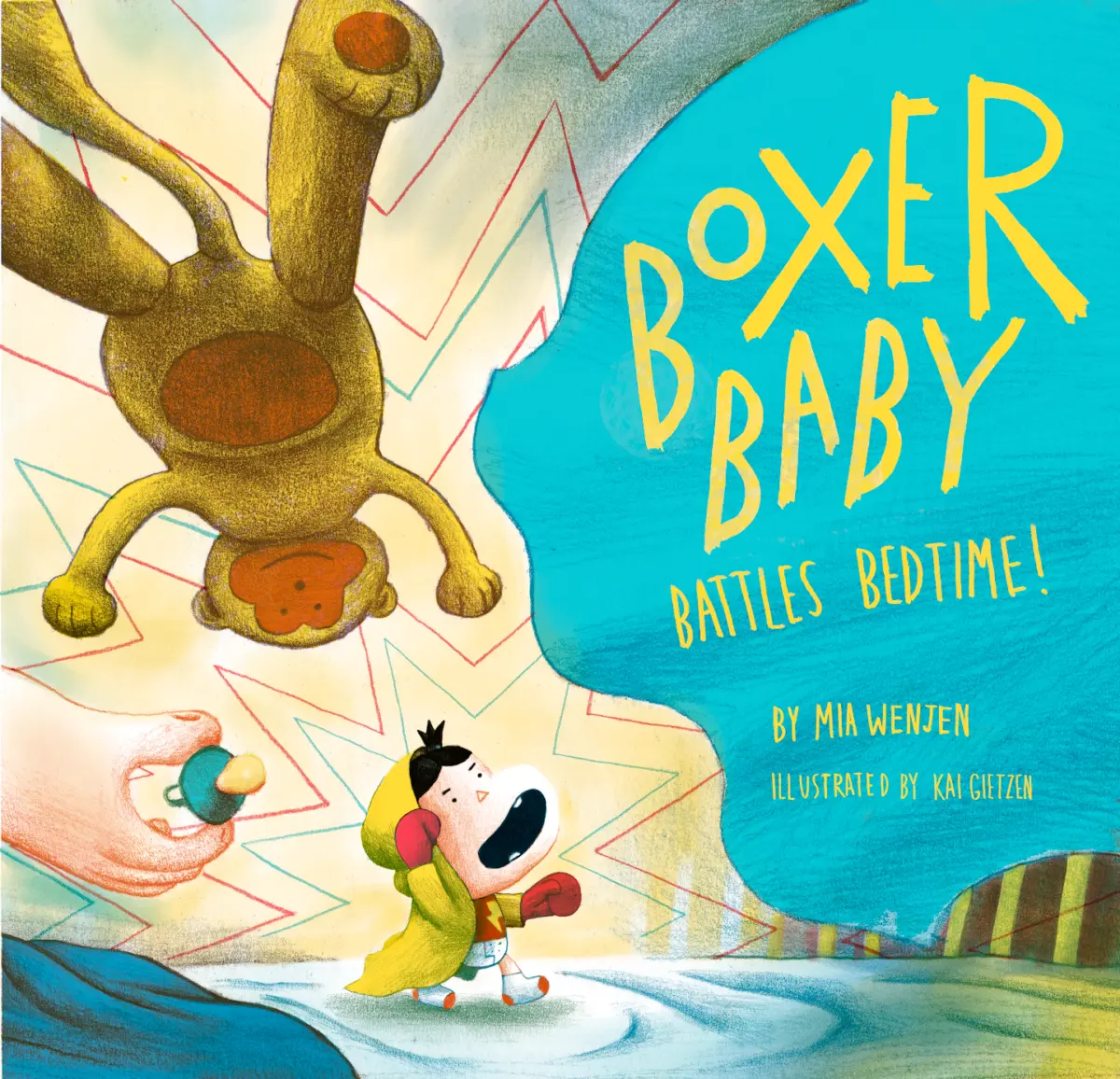
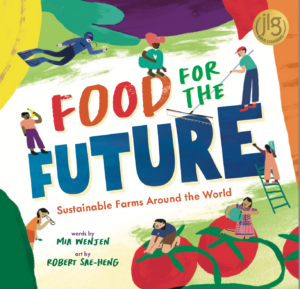
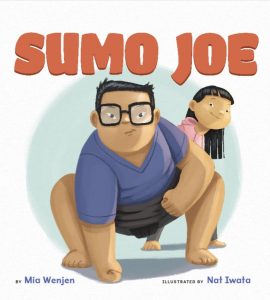
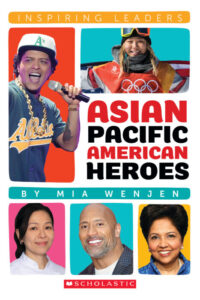
Mia Wenjen, an established voice in multicultural children’s literature (with an extensive catalogue including Barbed Wire Between Us, Fortune Cookies for Everyone!, The Traveling Taco, and We Sing from the Heart), has consistently used her platform to highlight diverse historical figures whose contributions have been overlooked or minimized in traditional curricula.
Through Postcards from Malcolm X, Wenjen addresses a critical gap in Asian American and Black American historical education. By demonstrating how an ordinary person subjected to extraordinary injustice could transform personal pain into expansive, cross-cultural solidarity, Wenjen provides modern children with an inspiring model of allyship that transcends ethnic and racial silos.
Future Outlook: Impact on Education and the Children’s Book Landscape
As educational institutions across the United States navigate complex debates surrounding historical curricula, representation, and inclusive literature, books like Postcards from Malcolm X serve as an essential compass.
Shaping the Next Generation of Changemakers
The long-term impact of Wenjen and Brown’s collaborative work is poised to extend far beyond library shelves. By redefining what an activist looks like—shifting the archetype away from the podium and toward the writing desk, the neighborhood meeting, and the quiet act of standing in solidarity—the book empowers children who identify as introverted, observant, or community-focused.
Educators are increasingly integrating picture book biographies into upper-elementary and middle-school classrooms as primary texts for critical thinking. Postcards from Malcolm X offers teachers a springboard for discussions on:
The intersections of race, gender, and political ideology in twentieth-century America.
The historical legacy of Japanese American internment and its echoes in modern immigration and civil liberties debates.
The mechanics of coalition-building across diverse ethnic communities.
Expanding the Canon of Diverse Biographies
Red Comet Press and creators like Mia Wenjen are spearheading a necessary evolution in children’s publishing. The commercial and critical success of Postcards from Malcolm X—underscored by glowing reviews from The Bulletin of the Center for Children’s Books and School Library Journal—proves that young readers and educators are hungry for nuanced, complex, and intersectional histories.
In an era where empathy, cross-cultural understanding, and civic engagement are more crucial than ever, Yuri Kochiyama’s life story, captured so vividly in art and prose, ensures that her legacy of quiet courage and fierce dedication will continue to inspire generations of change-makers yet to come.










Comments
Facebook App ID not configured. Please add it in the Customizer.